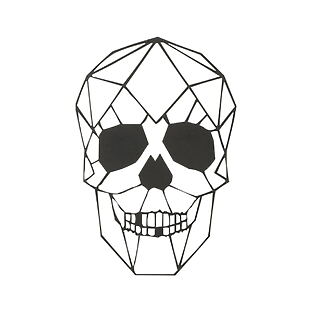
Tapestries have a fascinating history dating back to ancient Egypt, where they served as precious grave goods. During the Renaissance in Europe, they were particularly valued and considered a clear sign of high social status. Today, these textile works of art a remarkable renaissance in modern interior design.
Modern wall hangings are characterized by lightweight fabrics, geometric patterns, and abstract motifs , giving them a contemporary lightness. They also offer practical advantages: they dampen noise and significantly improve room acoustics. The variety of available materials—from traditional wool and natural fibers to synthetic fibers and silk—allows for a wide range of designs and textures. Macramé wall hangings , which originate from oriental knotting techniques and are a perfect fit for the boho style, are currently very popular.
This style guide shows beginners how to hang tapestries, what to look for when buying tapestries, and how different styles, from classic tapestries to ethnic patterns, can enrich different interior design styles
The earliest traces of tapestry art date back to ancient Egypt , where they served as grave goods and were preserved for millennia thanks to the dry desert climate. The oldest carpet discovered to date is named “Pazyryk” and was found in 1949 by Professor Rudenko in the remote Altai Mountains – perfectly preserved in the permafrost of southern Siberia. However, evidence suggests that the origins of woven carpets lie several millennia further back.
From Egypt to Europe: a journey through the centuries
As early as the 3rd century BC, Alexander the Great Persian carpets to Europe. Later, further examples arrived through travelers such as Marco Polo , who reported on the exceptional beauty and quality of the carpets from Konya in 1283.
In the Middle Ages, Crusaders also brought oriental carpets to Europe. Under the influence of Moorish culture, the first European carpet center emerged on the Iberian Peninsula in the 8th/9th century.
Gobelin and tapestry weaving: The art of the woven picture
Tapestry weaving, along with traditional weaving, is one of the oldest crafts known to humankind. Unlike classic weaving, in this technique the colored weft threads are only worked back and forth to the edge of the designated color area, not across the entire width. The famous Gobelins Manufactory in Paris was founded in 1607 and elevated to the status of Royal Tapestry Manufactory Under Louis XIV, it employed approximately 250 tapestry weavers and 50 apprentices.
Tapestry weaving experienced its golden age in the Middle Ages and the Renaissance. Among the oldest Western European tapestries is the Abraham and Angel Tapestry (circa 1150), which is kept in the Halberstadt Cathedral Treasury. The tapestries at the Burgundian ducal court in the 15th century were particularly impressive, where Duke Philip the Good even had a fireproof vault built for their storage.
Tapestries as status symbols and sources of warmth
In their early days, tapestries fulfilled numerous practical functions – they served as tent hangings, beds, chairs, tables, and even as containers in the form of saddlebags. Furthermore, they provided effective thermal insulation in cold stone buildings and significantly improved room acoustics .
As status symbols , they were long reserved for the wealthy. Rulers like the Persian Shah Abbas promoted craftsmanship by establishing court manufactories. At ceremonial occasions, precious tapestries adorned banquet halls or even entire squares – a clear sign of wealth and power. Princes and kings presented valuable tapestries to emperors and popes to gain political support.
Modern tapestries and their styles
In contemporary interior design, tapestries are undergoing a remarkable transformation. Unlike their historical predecessors, modern tapestries are characterized by diverse styles that can lend a personal touch to any room.
Geometric patterns and abstract designs
Modern tapestries with geometric shapes and abstract designs have become particularly popular. The clean lines, triangles, and circles in contrasting colors lend rooms a structured look and create striking accents. This design trend follows in the tradition of the Bauhaus, where cubist fragmentation and geometric forms were already characteristic of textile designs in the 1920s.
While large geometric shapes dominated in the past, today's designs are evolving into increasingly intricate designs and sometimes curved lines.
Boho, ethnic and Scandinavian influences
The boho style, with its handwoven rugs made from natural materials and vibrant patterns, lends rooms a dreamy flair. Ethnic patterns from various cultures bring warmth and depth to the living environment. In contrast, Scandinavian-style characterized by simplicity and functionality.
They often use a restrained color palette with neutral tones such as white, gray, and beige, as well as soft pastels. The patterns are usually simple and geometric – stripes, diamonds, or zigzag lines that exude elegance and tranquility.
Macrame as a modern alternative
Macramé is particularly trendy right now – a knotting art from the Orient that perfectly complements the popular boho style. This traditional technique has been experiencing a remarkable revival for several years. Macramé wall hangings instantly create a cozy atmosphere and are a creatively dreamy alternative to pictures.
Modern macrame artworks are evolving from classic beige or white into colorful, diverse objects – from rainbows to leaf shapes.
Materials: From wool to silk
The choice of material plays a crucial role in modern tapestries. Natural fibers such as wool, cotton, or jute dominate in the boho and Scandinavian styles. For particularly high-quality pieces, natural silk or bamboo silk are used, which create a luxurious sheen.
Woven tapestry “Dreamy Woman”, stretched on a stretcher frame
The use of different yarns and weaves creates beautiful accents and variations in height in this handwoven tapestry "Dreamy Woman" . Some details are further emphasized by embroidered elements or by incorporating shimmering and lurex yarns into the weave itself.
Tencel (also known as lyocell), derived from the eucalyptus plant, is a newer, sustainable alternative that achieves an elegant and modern look thanks to its slightly glossy finish. The conscious choice of natural and sustainable materials reflects the current trend towards more mindful consumption.
Using tapestries correctly in the home
The strategic placement of tapestries transforms any room into a personal oasis of well-being. Unlike pictures or photographs, these textile artworks bring not only color and pattern, but also valuable acoustic properties to every living space.
Living room: Statement pieces and structure
The living room is particularly well-suited for impressive statement rugs that immediately catch the eye. A striking tapestry with vibrant patterns can serve as a central focal point above the sofa. Geometric patterns create a modern look and add strong accents. When placing the rug, it should be well-lit to highlight its details.
Furthermore, tapestries can structure open living spaces and visually separate different areas. Spacious rooms gain a sense of coziness through this zoning. When choosing materials, one should pay attention to high-quality fabrics such as cotton or linen, which lend depth and character to the room.
Bedroom: Warmth and tranquility through textiles
In the bedroom, tapestries create a warm, cozy atmosphere and contribute to sound insulation . They are particularly effective when placed behind the bed, where they not only serve as an alternative to a headboard but also improve room acoustics. Natural materials such as wool or cotton create a particularly pleasant feel and have a calming effect.
A tapestry with natural textures or soft floral patterns underscores the tranquility and elegance of the bedroom. The colors of the tapestry should harmonize with the rest of the decor.
Hallway and entrance area: Creating first impressions
The entryway is the first impression of your home. A tapestry can not only create a welcoming first impression but also offer practical advantages. When choosing the size, the tapestry should be about 60 cm shorter than the shortest wall in the hallway to ensure doors can open easily.
Long, narrow rugs or classic runners are suitable for hallways, while round rugs also work well in larger entryways. For this high-traffic area, durable, easy-care materials and perhaps patterned designs are recommended, as stains won't be immediately visible.
Children's and teenagers' rooms: Using colors and patterns creatively
In a child's room, tapestries can be especially colorful and playful. Bright animal motifs or educational designs like world maps spark the imagination and offer learning opportunities at the same time. Modern tapestries in a child's room create a warm and cozy atmosphere and softly frame the room.
Furthermore, they contribute to sound insulation – especially important in a room where children play and romp around. When choosing them, in addition to the design, easy-to-clean materials should also be considered, as children's rooms are subject to particular wear and tear.
Tips for hanging, caring for and buying
Several factors play a crucial role in the practical handling of wall tapestries, ensuring lasting enjoyment of these textile works of art. From proper hanging to regular care, there are some important aspects to consider.
Hanging tapestries: weight and fastening
The weight of the tapestry largely determines the optimal mounting method. Light and small tapestries are easier to hang than heavy, tightly woven ones. Several mounting methods are available:
Hook and loop tape is ideal for light to medium-weight carpets and leaves no damage to walls
Nail strips offer more stability for heavier pieces and distribute the weight evenly
Curtain rods combined with sewn-on loops made of tear-resistant fabric create a classic look
When hanging the rug, it should be about 5-10 cm away from the wall on all sides so that it doesn't appear too bulky. For larger rugs, it's also advisable to have a second person help you to ensure the rug is hung evenly.
Easy-care materials and cleaning
To keep your tapestry looking its best for years to come, regular maintenance is essential. It should be vacuumed every two days to prevent dirt from becoming ingrained. For short-pile tapestries, a vacuum attachment with a brush is recommended, while long-pile tapestries are best cleaned without one.
Materials like polypropylene and polyester are particularly easy to care for and durable. Wool offers natural dirt protection thanks to its natural oils and is up to 30% stretchable. Cotton, in turn, has thermoregulating properties and is well-suited for allergy sufferers.
Buying tapestries: What to look out for?
When buying a tapestry, the weight should be the first consideration. Lightweight, flat-woven or short-pile carpets are better suited for hanging than heavy wool carpets. For rooms with pets, flat-woven carpets made of synthetic fibers are recommended to prevent pet hair from getting caught in them.
Furthermore, the manufacturer's care instructions should be followed. Sisal and jute fibers have an antistatic effect and do not attract dust. Viscose is quite easy to care for.
DIY or buy ready-made: Which is better?
A homemade tapestry has several advantages: it's guaranteed to be unique, perfectly matches your personal style, and is significantly cheaper than handmade, store-bought ones. The DIY project also offers a high level of relaxation and brings joy when you hold the finished piece in your hands.
Nevertheless, for some living situations a ready-made carpet may be the preferable choice – especially if special materials or elaborate weaving techniques are desired that require special skills.
Tapestries have a firm place in modern interior design
Tapestries have undoubtedly found their place in modern interior design. The centuries-old tradition of these textile artworks is now combined with contemporary designs and diverse styles. Particularly noteworthy is the evolution from heavy tapestries to lightweight macramé wall hangings, which lend a personal touch to any room. Although formerly used primarily as status symbols and sources of warmth, tapestries today serve primarily as aesthetic elements with practical benefits for room acoustics.
The ideal placement of a tapestry depends largely on the room's design concept. While large-format statement pieces often dominate living rooms, textiles create a calming atmosphere in the bedroom. The entryway, on the other hand, benefits from a welcoming tapestry that simultaneously serves as a calling card for the home. Children, in addition, will appreciate colorful motifs that stimulate their imagination.
The material plays a crucial role in choosing the right wall hanging. Natural fibers like wool and cotton not only offer a pleasant feel but also excellent care properties. Alternatively, synthetic fibers are known for their exceptional durability. Regardless of the material chosen, however, the weight should be considered to ensure easy hanging.
Ultimately, the joy of owning a tapestry grows with proper care. Regular vacuuming prevents dust buildup, while the appropriate cleaning method varies depending on the material. Those who follow these essential tips will enjoy their textile wall hanging for a long time and also benefit from its acoustic properties.
Owner and Managing Director of Kunstplaza . Publicist, editor, and passionate blogger in the fields of art, design, and creativity since 2011. Graduated with a degree in web design from university (2008). Further developed creative techniques through courses in freehand drawing, expressive painting, and theatre/acting. Profound knowledge of the art market gained through years of journalistic research and numerous collaborations with key players and institutions in the arts and culture sector.
Category for interior design,residential design, object furnishings, product and material innovation.
Here you will find everything that makes an interior designer's heart race. We present to you the latesttrendsand developments in the world of home design, as well as innovative products and materials for unique space design.
Our goal is to provide our readers with inspiration and help them creatively redesign or completely transform their living spaces.
We place great importance on ensuring that our articles are not only esthetically pleasing but also include practical tips.
We also introduce you to successful interior designers – from newcomers to the most well-known names in the industry – so you can be inspired by their projects and get to know their working methods.
Whether it's about making the most of a small space or furnishing your home with new furniture in the trendy industrial style: With us, you will find all the information you need on the topic of interior design!
We use technologies such as cookies to store and/or access device information. We do this to improve your browsing experience and to display (non-)personalized advertising. If you consent to these technologies, we can process data such as browsing behavior or unique IDs on this website. Refusal or withdrawal of consent may adversely affect certain features and functions.
Functional
Always Active
Technical storage or access is strictly necessary for the legitimate purpose of enabling the use of a specific service expressly requested by the subscriber or user, or for the sole purpose of carrying out the transmission of a message over an electronic communications network.
Preferences
The technical storage or access is necessary for the legitimate purpose of storing preferences that were not requested by the subscriber or user.
statistics
Technical storage or access that is solely for statistical purposes.Technical storage or access that is used solely for anonymous statistical purposes. Without a subpoena, the voluntary consent of your internet service provider, or additional recording by third parties, the information stored or retrieved for this purpose cannot generally be used to identify you.
marketing
Technical storage or access is required to create user profiles, to send advertising, or to track the user on one or more websites for similar marketing purposes.








 J-Line Fluffy Footstool, copper-colored cylindrical pouf
135,00 €
J-Line Fluffy Footstool, copper-colored cylindrical pouf
135,00 €