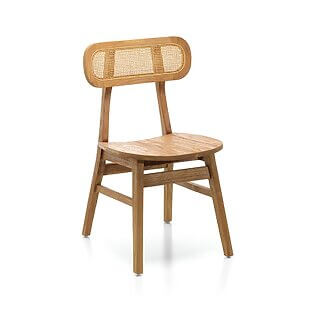
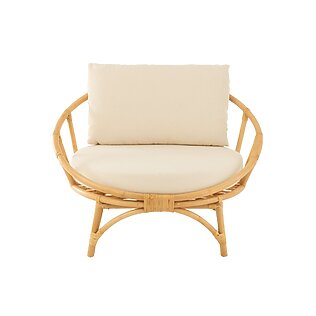
Technology is continuously expanding the boundaries of creativity and functionality. One such groundbreaking advancement is the integration of augmented reality (AR) in this field, particularly in the display of 3D furniture models .
This vibrant combination of augmented reality and 3D furniture visualization fundamentally changes how designers and consumers perceive, plan, and implement interiors.
Augmented Reality: Brief Definition and Functionality
AR integrates digital information into the real world, providing users with interactive, computer-generated content that complements their immediate surroundings.
Virtual elements are overlaid on the camera image using cameras and sensors, giving users an enhanced view of their physical environment.
The influence of augmented reality on 3D furniture visualization
Augmented Reality (AR) has undergone impressive development in recent years. The potential of this technology to transform industries is immense, and one sector that has particularly benefited is interior design.
Augmented reality brings a new dimension to interior design by seamlessly integrating virtual elements with the real world. Within the framework of 3D furniture visualization, AR allows users to project digital models onto their physical surroundings in real time. This advanced technology offers a captivating and interactive experience, enabling individuals to visualize furniture in its intended location before purchasing it.
A key advantage of augmented reality in interior design is the ability to explore different design ideas in real time. Augmented reality 3D models allow users to try out various furniture designs and immediately see how they can be integrated into their existing decor.
This real-time exploration empowers designers and homeowners to make well-informed decisions regarding the arrangement, style, and color scheme of furniture, ultimately optimizing the design process.
Interior design and the possibilities offered by AR
Planning and executing a renovation project can be an overwhelming experience. Traditionally, the process relies heavily on 2D plans, mood boards, and the client's imagination. This is often insufficient, as it's difficult to truly visualize the final results.
This is where AR comes into play.
How AR improves the design process
Visual clarity:AR allows designers, clients, and builders to experience designs in a three-dimensional space. This immersive experience creates a clear visual understanding that goes far beyond simple sketches and plans.
Real-time adjustments:AR makes it easy to make changes. Colors, materials, and placements can be adjusted in real time. This saves time and reduces the need for costly corrections during the construction phase.
Customer engagement:Customers who can actively participate in their design process tend to be more satisfied. AR tools encourage a higher level of involvement and engagement, as customers can see and rate their own suggestions.
Technological innovations in AR for interior design
Mobile applications:Apps likeHouzz,Homestyler, andIkea Placehave put AR technology into the hands of consumers. These tools allow users to visualize furniture in their own space before making a purchase.
Wearables and headsets:Headsets likeMicrosoft HoloLensandMagic Leapoffer even deeper immersion. While these devices are more expensive, they deliver an enhanced experience for professional designers and architects.
Advances in AI:The integration of artificial intelligence (AI) makes AR even more powerful. AI helps to generate design suggestions based on user preferences and current trends, further optimizing the entire design process.
AR project example from the art and design world
An impressive example of the application of AR in interior design is the Cube Design Museum in the Netherlands. Here, AR was used to interactively present historical room designs to visitors.
Mobile devices allowed users to take a look into past eras and experience the evolution of design firsthand.
Generally speaking: Practical applications of AR in interior design
Virtual Staging
Virtual staging is one of the most sought-after applications of augmented reality in interior design. Using augmented reality (AR) apps, designers can create realistic 3D models of furniture and decorative elements and position them in the client's living space. This not only enhances the visualization of the final look but also helps improve the room in terms of both functionality and aesthetics.
This way, homeowners can experiment with different styles and floor plans to ensure that the final design matches their vision and lifestyle.
Renovation planning and structural alterations
For extensive renovation projects, such as removing walls or adding new rooms, augmented reality proves to be an indispensable tool for planning and visualization. By creating a digital twin of the house, designers and homeowners can analyze various structural modifications and their impact on the entire space.
This forward-looking approach helps in making well-informed decisions regarding the feasibility and desirability of major renovations. For example, if a homeowner is considering enlarging their kitchen, the use of augmented reality (AR) can illustrate how the new layout can be integrated into the existing structure, including potential adjustments to plumbing, electrical systems, and natural light.
This detailed visualization ensures that all aspects of the renovation are taken into account, leading to a smoother process.
Personalized design solutions
Augmented reality technology enables a high degree of personalization, taking into account the individual preferences and tastes of each homeowner. Through AR apps, customers can upload images of their rooms and experiment with various design elements – from color shades and wallpaper patterns to custom-made furniture and lighting fixtures.
This level of personalization made possible by augmented reality ensures that the final design is not only visually appealing, but also tailored to the specific needs and desires of the homeowner.
Virtual showrooms and product visualization
Augmented reality allows designers and homeowners to conveniently visit virtual showrooms from the comfort of their own homes. These virtual showrooms offer a comprehensive shopping experience where users can explore a wide variety of furniture, furnishings, and decorative items in a 3D environment. This feature enables customers to visualize how different products would look in their space without having to physically visit multiple stores, saving time and effort.
Furthermore, augmented reality is also used to visualize customized products. For example, a designer can create a virtual model of a custom-designed piece of furniture and place it in the customer's home to obtain their approval before actual production.
This significantly reduces the risk of dissatisfaction with custom-made products and ensures that the final product meets the customer's expectations.
Real-time measurements and space planning
Precise measurements are essential for any renovation project. Augmented reality applications can instantly capture room dimensions and create scaled floor plans. Using a smartphone or tablet camera, homeowners can scan their rooms while the AR app generates accurate measurements and floor plans.
This eliminates the need for manual measurements and supports more effective planning of furniture layout and space utilization. Furthermore, the implementation of AR can help identify potential problems with spatial arrangements early on. It can highlight areas where furniture might obstruct traffic flow or where there might not be enough space to open doors and drawers.
With this proactive approach, AR helps to optimize the design in terms of both aesthetics and functionality.
Color and material coordination
Choosing the right colors and materials is a crucial factor in interior design. AR technology can simplify this process by allowing users to visualize different color schemes and material textures in their actual space. Homeowners can use AR apps to see how various paint colors, wallpapers, flooring, and upholstery fabrics will look in their homes under different lighting conditions.
This real-time visualization promotes informed decisions and ensures that the selected colors and materials harmonize with each other. This also minimizes the risk of costly errors – such as ordering large quantities of materials that don't match well after installation.
Integration with smart home technologies
Augmented reality integrates seamlessly with smart home technologies, offering a holistic approach to modern interior design. Homeowners can use AR to visualize the placement and functionality of smart devices such as lighting systems, thermostats, and security cameras within their newly designed space.
This integration ensures a harmonious incorporation of smart home functions into the design, improving both comfort and aesthetics. AR can, for example, illustrate how smart lighting affects the atmosphere of a room at different times of day and help homeowners select suitable lights and support control systems.
It can also be demonstrated how automated window curtains would work to ensure that they can be seamlessly integrated into the overall design.
Virtual complete solutions for real estate
In the real estate industry, augmented reality applications are revolutionizing the approach to providing virtual 3D property tours. For interior designers working with real estate agents, this application offers a unique opportunity to showcase potential renovations to prospective buyers.
Customers now have the opportunity to explore various renovation scenarios – such as kitchen renovations or bathroom upgrades – through an AR-supported virtual tour. This helps them to better visualize the property's potential and make informed purchasing decisions.
Specifically: How are 3D models revolutionizing the online presence of a luxury furniture store?
In the demanding world of luxury furniture, it's the small details that make all the difference. High-quality photographs of stylishly furnished rooms showcase furniture pieces that contribute to the elegant overall composition not only through their design but also through their exquisite craftsmanship. If you work in the luxury furniture market, you know how crucial it is to highlight every detail.
3D models offer you the opportunity not only to visualize your products, but to make them tangible – thus taking your customers' shopping experience to a whole new level.
3D models and augmented reality offer online furniture retailers the opportunity not only to visualize products, but also to make them tangible
Choosing the perfect sofa can often be a challenge for customers. The choice becomes even more complex, especially with luxury models, where higher expectations exist regarding quality, functionality, comfort, and unique colors and materials.
Professional service also plays a crucial role. To simplify the selection process for architects and their clients and to offer first-class service, many luxury furniture retailers integrate Art Division's impressive 3D models into their webshops and online presences.
Art Division , on the other hand, is not solely focused on furniture; the company operates in numerous fields, enabling people to rediscover history, education, architecture, and shopping experiences. The 3D models not only allow users to visualize a specific piece of furniture in their own living environment but also offer fascinating perspectives for museum visits.
Users can virtually stroll through exhibitions, examine artworks in detail, and learn their stories. Furthermore, Art Division is revolutionizing teaching and learning for teachers and students through the use of 3D models in education, for example, by vividly illustrating complex human organs.
Advantages of 3D models for consumers
As the abbreviation suggests, these are three-dimensional representations of furniture that allow customers to view your products from different perspectives. With just a few clicks on your smartphone or computer, you can zoom in and out on the 3D model of your furniture. This makes your purchasing decision considerably easier.
With a few simple clicks on your mobile phone or computer, you can enlarge or reduce the 3D model of your furniture
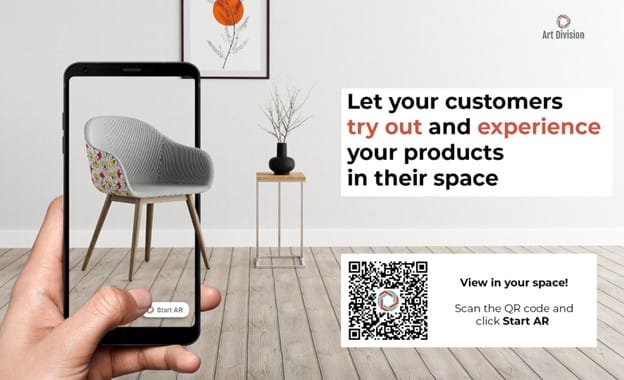
Augmented Reality (AR) creates an interactive experience where customers see a seamless combination of the real space and a 3D model on their screen. Access is incredibly simple: just scan the QR code to go directly to the 3D model – no special app downloads required. Furthermore, as a furniture retailer, you don't need to worry about creating the QR code, as this is handled by our experienced team at Art Division.
The realistic 3D models offer architects the opportunity to convincingly demonstrate the quality of furniture materials to their clients. Especially with luxury furniture, which often represents a long-term investment, both material quality and aesthetics are crucial.
Architects will always be looking for furniture that is both visually appealing and practical. A 3D model of the desired piece of furniture makes this selection considerably easier for them: The true-to-life representation in the respective room allows them to make informed decisions and convey a clear visual idea to their clients.
How does 3D technology work?
3D technology works by creating three-dimensional models that offer users a realistic and interactive representation of an object. These models are developed using specialized software that combines spatial data and textures into a complete image. Users can view the 3D model on a screen from all sides and even rotate and zoom it to see details from different angles.
present 3D models online or , technology similar to a video player is often used, making operation intuitive and user-friendly. By using 3D technology in online furniture sales, customers can get a precise idea of how a piece of furniture will fit into their rooms, thus facilitating their purchasing decision.
This gives the shopping experience a luxurious and bespoke touch and differs significantly from conventional two-dimensional images.
Challenges and limitations of AR
Technical limitations:While AR technology is advancing rapidly, technical challenges still exist. The accuracy of virtual object placement can vary, and hardware requirements are high.
Cost factor:High-quality AR solutions require significant investment. This can deter small design studios or individual users.
Learning curve:Learning and mastering a new technology can be time-consuming. Designers may need further training to use AR effectively.
Future prospects
Integration with VR and MR:The combination of AR with Virtual Reality (VR) and Mixed Reality (MR) could lead to even more comprehensive design solutions. This immersive technological convergence will revolutionize design processes and open up new creative possibilities.
Smart materials and IoT:Increasing integration with the Internet of Things (IoT) and smart materials could create AR-enabled objects that adapt to environmental conditions, thus enabling even more realistic designs.
Personalized user experiences:By using machine learning, future AR design tools could recognize individual preferences and style tastes and make tailored suggestions.
Closing remarks
The use of AR in interior design is revolutionizing a traditionally highly visual field. With its ability to visualize and adjust designs in real time, this technology brings unparalleled transparency and precision to the planning process.
Whether for individual renovations or large-scale new builds, AR offers unparalleled visual appeal and creativity that will inspire builders, designers, and clients alike. In a world that is becoming increasingly visual and technology-driven, AR is not just a passing trend, but the future of interior design.
Frequently Asked Questions (FAQs)
How can I use AR for my renovation project?
There are numerous mobile apps like Houzz, Homestyler, and Ikea Place that allow you to virtually place furniture and designs in your own space. These tools are easy to use and offer a great way to test different options before making a decision.
Are AR tools expensive?
The cost of AR tools can vary significantly. While some mobile applications are free or inexpensive, professional headsets and software solutions can be more expensive. However, it's an investment that often pays off through the time and cost savings during the project.
How precise are AR designs?
The precision of AR designs depends on the technology used. High-quality solutions offer very accurate placements and representations, while simpler applications may exhibit slight deviations.
Do I need extensive technical knowledge to use AR?
Not necessarily. Many AR apps are designed to be user-friendly and require only basic technical skills. Advanced solutions may require a short learning curve, but the benefits quickly outweigh the initial challenges.
Owner and Managing Director of Kunstplaza . Publicist, editor, and passionate blogger in the fields of art, design, and creativity since 2011. Graduated with a degree in web design from university (2008). Further developed creative techniques through courses in freehand drawing, expressive painting, and theatre/acting. Profound knowledge of the art market gained through years of journalistic research and numerous collaborations with key players and institutions in the arts and culture sector.
Category for interior design,residential design, object furnishings, product and material innovation.
Here you will find everything that makes an interior designer's heart race. We present to you the latesttrendsand developments in the world of home design, as well as innovative products and materials for unique space design.
Our goal is to provide our readers with inspiration and help them creatively redesign or completely transform their living spaces.
We place great importance on ensuring that our articles are not only esthetically pleasing but also include practical tips.
We also introduce you to successful interior designers – from newcomers to the most well-known names in the industry – so you can be inspired by their projects and get to know their working methods.
Whether it's about making the most of a small space or furnishing your home with new furniture in the trendy industrial style: With us, you will find all the information you need on the topic of interior design!
We use technologies such as cookies to store and/or access device information. We do this to improve your browsing experience and to display (non-)personalized advertising. If you consent to these technologies, we can process data such as browsing behavior or unique IDs on this website. Refusal or withdrawal of consent may adversely affect certain features and functions.
Functional
Always Active
Technical storage or access is strictly necessary for the legitimate purpose of enabling the use of a specific service expressly requested by the subscriber or user, or for the sole purpose of carrying out the transmission of a message over an electronic communications network.
Preferences
The technical storage or access is necessary for the legitimate purpose of storing preferences that were not requested by the subscriber or user.
statistics
Technical storage or access that is solely for statistical purposes.Technical storage or access that is used solely for anonymous statistical purposes. Without a subpoena, the voluntary consent of your internet service provider, or additional recording by third parties, the information stored or retrieved for this purpose cannot generally be used to identify you.
marketing
Technical storage or access is required to create user profiles, to send advertising, or to track the user on one or more websites for similar marketing purposes.












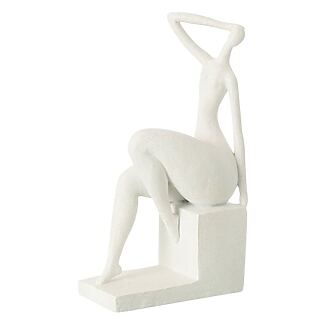
 J-Line Abstract female figure sitting on a square block, matte white
77,90 €
J-Line Abstract female figure sitting on a square block, matte white
77,90 €