The art of relaxation: How short breaks can unleash creativity
In our hectic world, where everyday life often seems like a never-ending marathon, it is more crucial than ever to press the pause button every now and then and take conscious breaks.
Small moments of peace and relaxation can not only recharge our depleted batteries but also improve our overall well-being. But how can we create these islands of relaxation without getting lost in the stresses of everyday life?
We have embarked on a journey for you to discover the most proven methods and techniques – whether from a scientific or experiential perspective.
Show
table of contents
The creative power of relaxation: How you can specifically develop your creativity through proven techniques
Creativity is more than just artistic talent; it's a way of life. It permeates our decisions, influences our problem-solving abilities, and enriches our daily lives. Most of us know the feeling of being stuck in a creative block . And then, we often don't know how to unleash that creative energy again.
For creative individuals or artists, it is crucial to unleash their creative energies. Learning to recognize when they are experiencing a creative block and how to overcome it is a challenge that every creative person must face and will inevitably encounter.
As strange as it may seem, one of the most helpful things we can do is relax . Stagnation often leads to increased stress and frustration, which can create a negative cycle. However, if you are able to use some of the relaxation techniques listed below, it could liberate both you and your creativity.
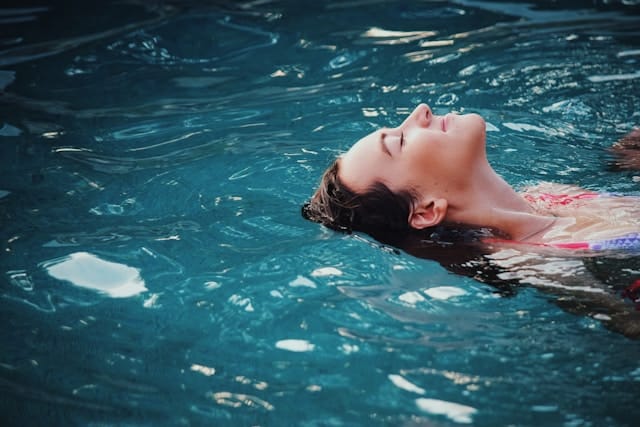
Photo by Haley Phelps @haleyephelps, via Unsplash
In this article, we want to help you unlock your creative potential using various techniques. You will also learn how to apply these techniques in your creative practice.
The small moments are the big game-changers
Many people think that to truly unwind, they have to fly off on their next vacation or dedicate an entire spa day to it. While that's nice, relaxation can be integrated into everyday life much more easily. A short meditation, a relaxing bath, or simply five minutes of deep breathing can work wonders.
Studies show that even short breaks can significantly reduce our stress levels. It's not the length of the break that matters, but rather experiencing it consciously. Especially in today's modern work environment, where we are expected to be constantly available and multitasking is almost a given, the awareness of these small breaks is often lost.
We rush from one appointment to the next, neglecting relaxation. Yet it is precisely through these brief moments of peace that we recharge and stay focused. Even a quick glance out the window or a few minutes of silence can help clear our thoughts and refresh our minds.
Bringing body and mind into balance
Relaxation is not just a matter of mind, but also of body. If we don't relax properly for an extended period, it will sooner or later manifest physically. Tension, headaches, and sleep problems are often the result.
To break this vicious cycle, it's important to also relax through physical activity. Regular exercise , yoga , or stretching exercises can help release tension and restore balance between body and mind.
Yoga: the perfect relaxation formula
Yoga isn't just about squeezing yourself into complicated poses. It's about slowing down, breathing deeply, and discovering inner peace. Yoga is a powerful mindfulness practice that combines postures, conscious breathing, and meditation.
The goal is to harmonize body and mind and enhance overall well-being. It can be considered a pampering day for body and soul. For millennials who juggle numerous commitments, yoga offers an opportunity to pause and reconnect with themselves.
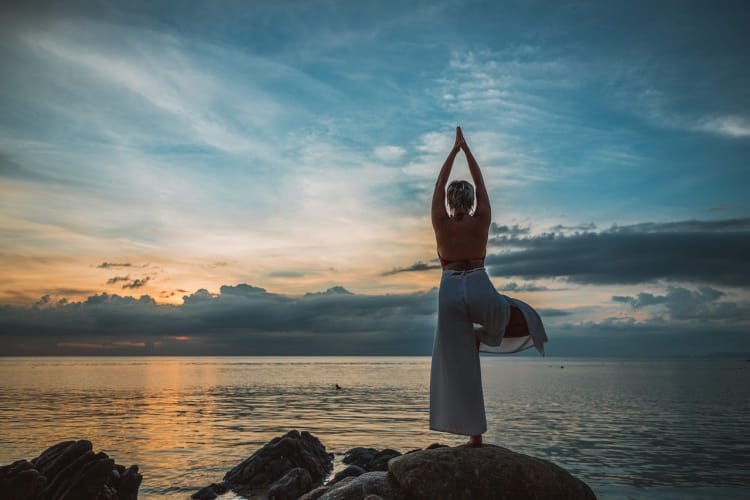
Image by Peggy and Marco Lachmann-Anke, via Pixabay
Tip: Combine yoga with conscious breathing
Conscious breathing enhances the positive effects of yoga. It helps to focus the mind and intensify awareness of the present moment. Practicing deep breaths during yoga exercises maximizes relaxation and promotes stress reduction.
This compound helps to lower cortisol levels, the stress hormone of our body.
Advantages of this technique:
- Stress reduction: Yoga and conscious breathing reduce anxiety and promote a sense of calm. Regular practice helps to effectively manage everyday stress.
- Boosting creativity: A relaxed mind is more receptive to creative ideas. Yoga promotes mental clarity and enables improved problem-solving and innovative thinking.
Massages and self-care
But massages or other forms of self-care , such as using pleasure balls to strengthen the pelvic floor muscles, also contribute to consciously perceiving the body and reducing tension.
The power of mindfulness
Scientists, creatives, and psychotherapists alike are talking about the healing power of mindfulness . What was once considered part of a Far Eastern philosophy has long since found a place in our hectic and performance-oriented Western world – as a counterpoint to constant overstimulation.

Photo by Darius Bashar @dariusbashar, via Unsplash
The practice of mindfulness is indeed one of the most effective methods for improving relaxation in everyday life. Mindfulness means consciously perceiving the moment without judgment. Through mindfulness training, we learn to simply let thoughts and feelings come and go without getting lost in them. This can significantly reduce stress and increase overall well-being.
Integrating mindfulness into daily life can initially be a challenge. However, starting the day with just five minutes of mindful time can significantly change your approach to creativity. These moments of stillness, focusing on your breath, can clear mental clutter and pave the way for new ideas and sustainable creativity.
Furthermore, this simple yet effective practice can lead to profound changes not only in creative endeavors but also in general well-being. A musician, for example, might find that dedicating a few moments to mindfulness each morning allows them to approach their compositions from a fresh perspective and transform familiar melodies into something entirely new and exciting.
This change in routine, which focuses on the present moment, enriches the creative process and creates space for innovation and inspiration.
The beauty of mindfulness is that it can be practiced anywhere – while brushing your teeth, taking a walk, or even doing the dishes. By fully concentrating on the activity at hand, the mind finds peace. Those who regularly integrate mindfulness into their daily lives will soon find that they move through life with more serenity and relaxation.
Taking short breaks in everyday life is not only pleasant, but essential for maintaining physical and mental balance. Whether through exercise, mindfulness, or rituals – it's these small breaks that make the biggest difference in the long run.
Mindfulness and creativity: Implications for thinking and learning
The theoretical foundations linking mindfulness with creativity are compelling when it comes to observing and understanding the world and recognizing additional possibilities without being overly limited by mental constraints. This was the conclusion of a study by Danah Henriksen, Carmen Richardson, and Kyle Shack at Arizona State University .
Mindfulness is a method that fosters introspective and perception-oriented awareness and deepens our understanding of our psychological processes and habits. It enhances interhemispheric communication, which is characteristic of creative states, as the meditator is able to perceive increasingly subtle nuances of the flow of consciousness and mental processes
This is an excerpt from the study.
Mindful breathing
By finding a comfortable, quiet place to sit or lie down and consciously focusing on your breathing, you can quickly and effortlessly restore your concentration.
Observe your breathing pattern. Perform this exercise for a few minutes, breathing in slowly and deeply, and making sure to exhale completely each time.
This technique can help reduce anxiety and pain. It can also help creative minds clear their heads and alleviate the stress associated with planning their next project.
The connection between creativity and meditation
Meditation is not just a tool for relaxation or mindfulness; it also offers profound insights into your own thought processes and can unleash creativity. When you meditate, you create space for new ideas by clearing your mind of unnecessary clutter. This state of clarity makes it easier to find innovative solutions and expand your artistic abilities.
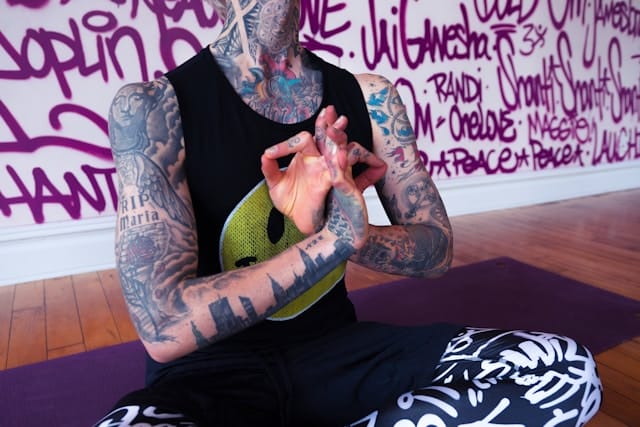
Photo by David Suarez @davidprspctive, via Unsplash
Fun fact: Great artists like David Lynch and Marina Abramović swear by the power of meditation. Lynch describes Transcendental Meditation as a method “to tap into an infinite reservoir of creativity, energy, and bliss.”
The basic techniques of meditation practice
To boost your creativity through meditation, you don't need to spend hours in session. Even a few minutes of daily practice can work wonders.
Here are some basic techniques:
- Breath meditation: Sit in a quiet place and focus on your breath. Breathe deeply in and out, letting all thoughts pass by without dwelling on them. This technique helps to calm the mind and achieve deep clarity.
- Visualization: Imagine creative ideas sprouting and growing in your mind. Visualize a creative project you want to bring to life and see yourself working on it. This technique can stimulate creative imagination and generate concrete ideas.
- Mantra meditation: Choose an inspiring word or phrase to repeat during meditation. A mantra like "inspiration" or "creativity" can focus your subconscious mind and open new creative avenues.
- Body Scan Meditation: This technique helps you establish a deeper connection with your body. Start at your head and slowly work your way down to your feet, focusing on each part of your body and releasing any tension. A relaxed body can work wonders for your creative mind.
- Sound meditation: Use music or nature sounds to enter a meditative state. For example, listen to the soothing babbling of a brook or gentle wind sounds. This method can be particularly helpful for musicians and other audio artists, as it sharpens the ear and improves auditory perception.
The scientific perspective
The positive effects of meditation on creativity are also scientifically proven. Studies have shown that regular meditation practice increases the activation and connectivity of the default mode network (DMN) —a network of brain regions that is active when the mind is at rest. This increase in DMN activity is directly related to the ability to develop creative ideas and allow thoughts to flow more freely.
A notable example of this is a study from Leiden University in the Netherlands. The researchers found that so-called "open monitoring meditation ," in which attention is focused on all emerging thoughts and sensations, improves divergent thinking skills. This ability is crucial for creative problem-solving and generating original ideas.
Interesting fact: Steve Jobs, the legendary co-founder of Apple, practiced Zen meditation daily and considered it a key factor for his creativity and innovative ability.
Practical advice on integrating meditation into your daily life
Now you might be wondering how you can fit meditation into your busy schedule. The good news is that it takes less time than you think.
Here are some practical tips:
- Start small: Begin with just five minutes a day and gradually increase the duration. It's more important to meditate regularly than to have long sessions.
- Establish a routine: Make meditation a fixed part of your daily routine, for example, in the morning after waking up or in the evening before going to sleep. A fixed time helps to make the practice a habit.
- Use helpful tools: There are numerous meditation apps and guided meditations that can make it easier for you to get started. These tools offer guidance and support you in staying focused.
- Combine movement and meditation: Creativity-enhancing meditation practices such as Qigong or yoga can also be beneficial. These practices combine physical movements with breathing exercises and mental focus to promote the overall creative flow.
- Creative breaks: When working on a creative project, take regular meditation breaks. These short breaks can help you gain fresh perspectives and prevent creative stagnation.
Advanced meditation techniques for creative power
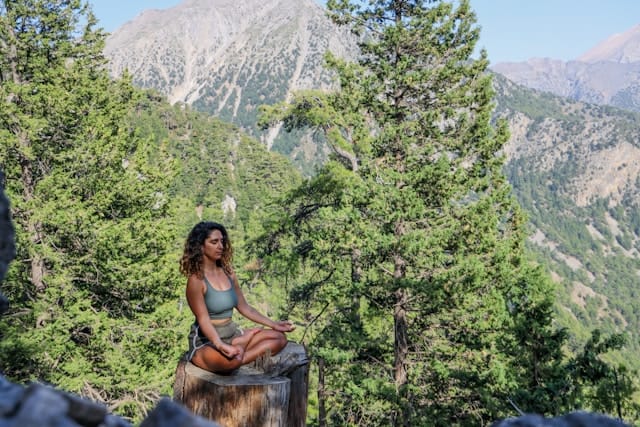
In addition to the basic techniques already mentioned, there are a variety of specialized meditation practices that can further enhance creativity:
- Loving-Kindness Meditation (Metta): This practice fosters positive emotions such as love and compassion. By visualizing loving wishes for yourself and others, you can create a positive inner environment that generates creativity and prosperity.
- Trataka (concentration meditation on an object): This yoga practice involves gazing at a single light source, such as a candle flame. This strengthens concentration and can help channel creative energy.
- Walking meditation: This method combines mindful walking with breathing exercises. Use this technique to calm your mind and simultaneously gain a physical and mental energy boost.
- Mandala meditation: Mandalas are symmetrical, often circular patterns used as visual aids for meditation. Drawing or coloring a mandala can help you reach a meditative state that expands your creative imagination.
- Meditation with essential oils: Aromatherapy can support meditation by creating a relaxing environment. Use scents like lavender, rosemary, or citrus fruits to stimulate your senses and promote the flow of creative energy.
The deeper meaning of meditation for creative processes
Meditation can not only boost creativity in the short term, but also broaden the understanding and deeper meaning of creative work in the long term. It deepens perception and empathy by teaching you to be mindful in the moment and to perceive the subtleties of your surroundings more consciously. This heightened mindfulness can be reflected in your creative work, giving it a deeper, more emotional significance.
Historical note: Vincent van Gogh is said to have claimed that he "dreams in reality" and "deeper truths" through his art. Meditation can be seen as a means to achieve this kind of deep, introspective understanding.
Meditation techniques for various creative activities
Various creative activities can be enhanced through specific meditation practices.
Here are some examples:
- Writers and poets: Use mindful awareness meditation, where you observe your thoughts and feelings without judging or changing them. This practice can help quiet your inner critic and improve your writing flow.
- Visual artists: Try visual meditation, where you focus on a work of art and become aware of its details. This can sharpen your powers of observation and your sense of form and color.
- Musicians: Sound meditation, in which you concentrate on the sounds of your surroundings or on a specific piece of music, can sensitize your hearing and refine your musical skills.
Progressive muscle relaxation (PMR) according to Jacobson
Have you ever had the feeling that your body is like a tense ball of yarn? Progressive relaxation acts as your very own personal masseur, but without the high bill of a spa.
Essentially, it's an exercise where you tense and then relax your muscles. This activates and then relaxes various muscle groups in your body. You'll be amazed at how much calmer you'll feel after just a few repetitions.
Believe me, your body will thank you for this attention. I can confirm this from my own years of experience with this relaxation technique. This method helps to reduce physical tension and contributes to a calmer mind.
Steps to progressive relaxation
- Find a quiet, comfortable place to sit or lie down. Close your eyes and take a few deep breaths.
- Start with your toes. Tense the muscles for 5-10 seconds and then gradually release them.
- Continue to your feet, legs, stomach, chest, arms and face, and repeat the process of tensing and relaxing.
- Focus your attention on the feeling of relaxation spreading through your body.
And this is how you benefit from PMR:
- Reduces anxiety by calming the nervous system.
- It helps you become more aware of your physical sensations and tensions.
- Promotes a general feeling of relaxation and well-being.
- It can improve the quality of your sleep as well as your concentration.
Guided Visualization
Have you ever considered using daydreams? Guided visualization to this concept, but with a clear purpose. It involves mentally imagining a peaceful place that helps you relax and leave your worries behind.
This guided visualization technique is a form of mindfulness in which you recall peaceful and calming images to reduce stress. It stimulates your senses and allows you to develop a vivid mental image, thereby distracting your mind from troubling thoughts.
Here's how to use guided visualization:
- Find a quiet place where you can sit or lie down comfortably.
- Close your eyes and take a few deep breaths.
- Use an app or recording that offers guided visualizations. Popular options include Headspace and Calm .
- Follow the guide's voice as he describes a tranquil scene, such as a beach or a forest.
- Focus your attention on the details: the sound of the waves, the scent of pine trees, or the warmth of the sun on your skin.
Advantages of this relaxation technique:
- Reduce anxiety: Visualization can help you distract yourself from stress and promote relaxation.
- Stimulate creativity: By stimulating your imagination, guided visualization supports creative thinking and problem-solving skills.
The power of routine: Rituals for greater serenity
Another key to lasting relaxation often lies in routines . These don't always have to be hours-long relaxation rituals. Even small, daily routines, such as consciously preparing and drinking a cup of tea or listening to a calming music playlist, can work wonders.
Rituals help us step out of autopilot mode and pause for a moment. Especially in the evenings, when our minds are full of thoughts about the coming day, a fixed ritual can help us consciously end the day and switch off. This could be a walk in the fresh air, a short yoga session, or simply a few minutes of journaling.
The key is to regularly take time for these little moments and make them a regular routine. This makes it gradually easier to leave the stress of everyday life behind. Products from an adult shop can also play a role by helping to increase body awareness and promote well-being.
Journaling
Think of journaling as your personal mental diary. It provides a space where you can record your thoughts, feelings, and emotions without judgment. Journaling is a mindfulness practice where you write down your inner sensations to gain clarity and new perspectives.
It helps you process emotions and can be a helpful strategy for coping with stress. It's similar to a dialogue with yourself, but on paper. This practice can help you reflect on your emotions, gain insight, and discover fresh perspectives.
Furthermore, it offers a valuable way to manage stress and promote your mental health. Here's how to start your journaling practice: Choose a notebook or digital platform that you enjoy and like writing on.
Set aside a specific time each day to write in your journal, even if it's just a few minutes. Write freely about your thoughts, feelings, and experiences, without worrying about grammar or structure.
Use writing prompts if you are unsure where to start, such as "What am I grateful for today?" or "What challenges did I face today?"
Advantages of the journaling method:
- Stress reduction: Writing down your thoughts allows you to release pent-up emotions and reduce anxiety.
- Improved mental organization: Journaling helps you structure your thoughts, leading to more effective problem-solving and decision-making.
Closing remarks
Relaxation, mindfulness, and meditation open doors to a source of great creativity within you. By focusing on your breath, using visualizations, or repeating mantras, you create an inner world where creativity flourishes.
It's a journey that requires patience and consistency, but the rewards are far-reaching. You'll not only be more productive, but you'll also forge a deeper connection with your own creative essence. So take the time to meditate and experience how your creative power shines in a new light.
Stay mindful and creative!
I hope this comprehensive and inspiring article encourages you to integrate the practice of meditation into your creative life. Best of luck on your journey to greater creativity and inner peace!

Owner and Managing Director of Kunstplaza . Publicist, editor, and passionate blogger in the fields of art, design, and creativity since 2011. Graduated with a degree in web design from university (2008). Further developed creative techniques through courses in freehand drawing, expressive painting, and theatre/acting. Profound knowledge of the art market gained through years of journalistic research and numerous collaborations with key players and institutions in the arts and culture sector.
You might also be interested in:




Featured Art



Design and Decor Highlights
-
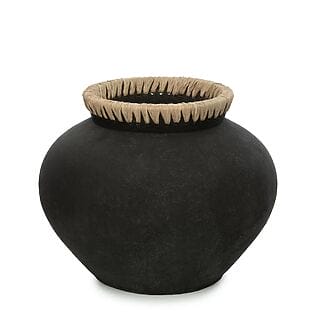
 Terracotta belly vase "Styly" with raffia details, black (size: L)
Original price was: €65.9532,95 €The current price is €32.95.
Terracotta belly vase "Styly" with raffia details, black (size: L)
Original price was: €65.9532,95 €The current price is €32.95.
VAT included.
Delivery time: 3-5 working days
-
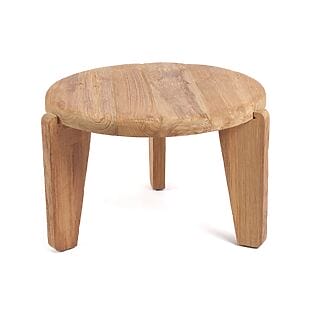
Three-legged Wabi-Sabi coffee table "Seseh" made from recycled teak wood (size: M)
435,00 €
VAT included.
Delivery time: 1-3 working days
-
Maritime metal wall relief "Boat Tour", gold-colored accents
75,00 €
VAT included.
Delivery time: 3-5 working days
-
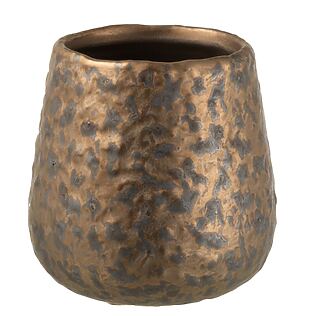
J-Line “Fauve” - Copper-colored ceramic flower pot with speckled design (Ø 12 cm)
15,00 €
VAT included.
Delivery time: 4-8 working days
-
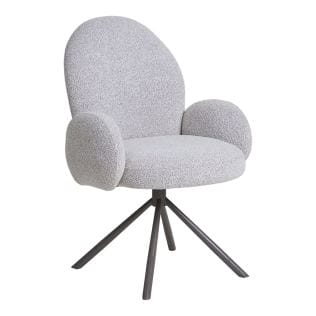
Dining chair "Lana" with bouclé upholstery & swivel function (sand)
235,00 €
VAT included.
Delivery time: 4-8 working days
-
Necklace with Japanese sakura cherry blossom medallion, 925 sterling silver
45,90 €
VAT included.
Delivery time: 1-3 working days
-
Elegant ring lamp with satin black lampshade
190,00 €
VAT included.
Delivery time: 2-4 working days