In a digitized world, we are witnessing a rapid convergence of art, technology, and society. Artificial intelligence (AI) is no longer a promise of the future, but a reality that is revolutionizing creative processes as well as the field of cybersecurity . Whether in image editing, graphic design, music composition, or even creative writing – AI is increasingly being used as a tool to drive innovation. But with these advances come new challenges, particularly in the area of digital security.
For artists, designers and creative free spirits, the use of digital tools means not only more opportunities, but also more responsibility in dealing with their data, ideas and digital identities.
The role of artificial intelligence in creative work
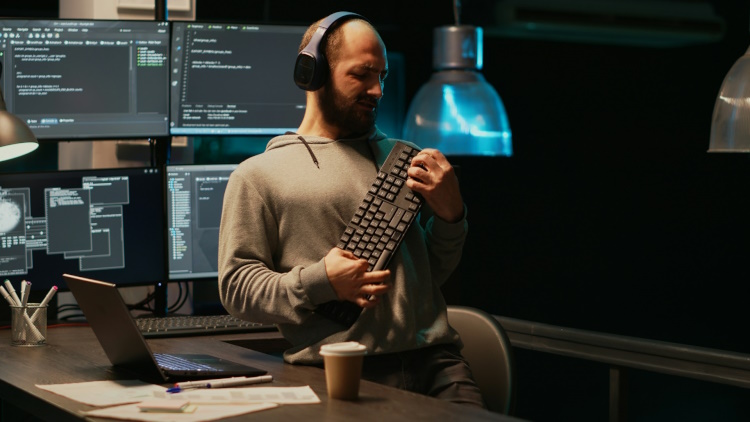
Artificial intelligence and digital security: How should creative professionals address these new challenges? Image source: Getty Images @gettyimages, via Unsplash
AI is now used in many creative fields: AI-based programs generate artworks, compose music, write texts, and analyze large amounts of data for design processes. This enables a faster, more experimental, and often more efficient way of working.
One example is AI-driven algorithmsthat assist with color analysis or spatial planning in interior design. In photography, intelligent filters and automatic image corrections help achieve optimal results with minimal effort.
But where AI supports creative work processes, questions also arise:
Who owns the creative work – the human or the machine? And how can these digital works be protected from misuse or theft?
Does AI pose new challenges to cybersecurity? But AI also helps with security
A recent presentation by the Austrian Chamber of Commerce explained the impact of AI on cybersecurity, what we can expect in the future, and how to prepare for it:
At the Cybersecurity Summit 2025, intensive efforts were made to separate myth from reality in the heated debate. Manuel Reinsperger, a researcher specializing in the use of AI systems in offensive cybersecurity, a penetration tester, and a cybersecurity consultant, provides clarity and reports on the current state of research. He answers questions such as...
So what do such AI attacks look like?
Why is it no longer just about phishing?
And what does this specifically mean for me as a creative freelancer?
In this razor-sharp analysis, we learn about the latest findings from leading-edge research and gain insights from entrepreneurial experience into the risks that the creative industry can expect in the coming years.
On the other hand, the meteoric rise of artificial intelligence not only presents new threats, but can also strengthen defenses and protection.
Digital security: an underestimated risk for creative professionals
Many creative professionals today work remotely – at home, in co-working spaces, in cafés, or while traveling. The digital workplace is becoming a mobile studio. This often involves the use of personal devices such as smartphones, tablets , and laptops, which are not always adequately protected.
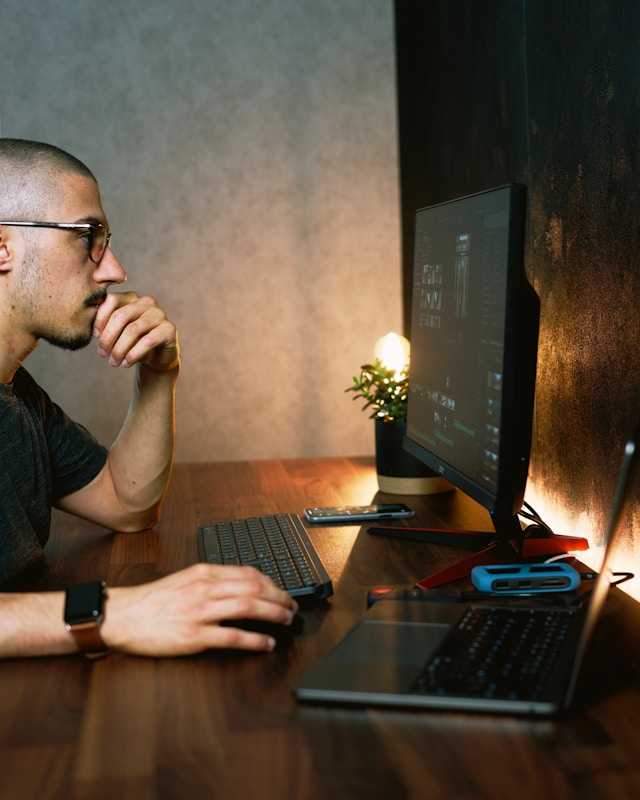
Digital security remains an underestimated area among creative professionals. But dangers lurk. Photo by Guillaume Issaly @guillaumeissaly29, via Unsplash
Governments, private individuals, companies, banks – and even large, international institutions like NATO – are increasingly falling victim to cyberattacks. Globally, cybercrime causes three times as much economic damage as natural disasters. The attackers are often individuals or small groups. The artedocumentary "The Invisible War"explores
The documentary follows Fabian Osmond from the French security firm Cybi, who, along with his colleagues, has developed software specializing in finding digital vulnerabilities. It is designed to locate these weaknesses within ten minutes.
Even in creative environments – where sensitive data, unpublished projects, or client information are often stored – the protection of digital content is of paramount importance. Cybercrime, data loss, or unauthorized access by third parties are real threats.
Furthermore, many creative professionals use cloud services, social media platforms, or messaging services to communicate with clients and colleagues. Security vulnerabilities can arise here if appropriate protective measures are not taken.
Between freedom and control: Digital surveillance in creative everyday life
In the context of cybersecurity, the issue of surveillance into focus. This is not only about government control or large-scale cyberattacks – it can also be useful to reflect on or review digital usage in private or professional settings.
There is a growing interest, for example, in tools that allow users to monitor mobile phones for free . Such applications make it possible to track activity on a mobile device – for instance, to ensure the safety of a family member, protect work equipment, or better understand one's own data usage.
For creative professionals, this can mean using their mobile devices more consciously, recognizing suspicious activity early on, and keeping track of which apps have access to which data. In creative teams or agencies, this can also be helpful in terms of IT security, for example, by implementing clear Privacy policies and monitoring solutions on company-owned devices.
The balancing act between innovation and protection
The challenge lies in finding a balance between creative freedom and digital protection. Exercising too much control risks stifling creative processes. Acting too carelessly could jeopardize projects or reputation.
Especially in the context of AI-powered creativity, new ways must be found to clearly attribute content and secure intellectual property. Digital watermarks, blockchain-based copyright solutions, and secure platforms for managing creative content are initial approaches being discussed in the field.
In addition, creative professionals should regularly update their software, use secure passwords, and learn about modern security solutions – not only for their desktop systems, but especially for mobile devices.
AI only benefits professionals? Think again, but it depends on how you use it. The Morpheus:
Artificial intelligence and ethics: an open debate
Beyond technical questions, ethical considerations also arise. When AI begins to create art, write texts, or generate images – how does our understanding of originality, creativity, and artistic responsibility change?
Digital security also plays a role here. When AI systems access open databases, the question arises: Was this data used legally? Was the copyright holder's consent obtained? And how can creative professionals protect themselves from their work unintentionally ending up in AI training databases?
Artistic work in the 21st century is inextricably linked to digital technologies. Artificial intelligence offers fascinating possibilities – but it also brings new demands regarding Privacy , ethical conduct, and digital responsibility.
Creative professionals should not only engage with new tools and trends, but also with the risks that come with a digitized way of working. Whether through simple security measures, a conscious approach to AI, or the occasional use of a free mobile phone monitoring tool for self-monitoring – those who actively engage with the digital world can create not only more safely, but also with greater freedom.
Owner and Managing Director of Kunstplaza . Publicist, editor, and passionate blogger in the fields of art, design, and creativity since 2011. Graduated with a degree in web design from university (2008). Further developed creative techniques through courses in freehand drawing, expressive painting, and theatre/acting. Profound knowledge of the art market gained through years of journalistic research and numerous collaborations with key players and institutions in the arts and culture sector.
We use technologies such as cookies to store and/or access device information. We do this to improve your browsing experience and to display (non-)personalized advertising. If you consent to these technologies, we can process data such as browsing behavior or unique IDs on this website. Refusal or withdrawal of consent may adversely affect certain features and functions.
Functional
Always Active
Technical storage or access is strictly necessary for the legitimate purpose of enabling the use of a specific service expressly requested by the subscriber or user, or for the sole purpose of carrying out the transmission of a message over an electronic communications network.
Preferences
The technical storage or access is necessary for the legitimate purpose of storing preferences that were not requested by the subscriber or user.
statistics
Technical storage or access that is solely for statistical purposes.Technical storage or access that is used solely for anonymous statistical purposes. Without a subpoena, the voluntary consent of your internet service provider, or additional recording by third parties, the information stored or retrieved for this purpose cannot generally be used to identify you.
marketing
Technical storage or access is required to create user profiles, to send advertising, or to track the user on one or more websites for similar marketing purposes.



 Bronze pendant necklace with real dill flowers, vintage style
19,90 €
Bronze pendant necklace with real dill flowers, vintage style
19,90 €


