The indoor climate plays a crucial role in the preservation of artworks such as paintings and sculptures. Factors like humidity, temperature, and air pollutants can significantly affect the condition of valuable artworks. Particularly sensitive materials react to environmental influences with cracks, discoloration, or deformation.
To avoid damage, targeted air quality control in galleries, museums and private collections is essential.
Modern technologies such as air purifiers and air conditioning systems make it possible to create optimal conditions for works of art and preserve their value in the long term. This article highlights the most important aspects of air quality and provides practical tips for protecting works of art .
Air quality has a significant impact on the condition of artworks, as factors such as pollutants, humidity, and temperature fluctuations can cause material changes. Paintings and sculptures made of organic and inorganic materials, which react to their environment in different ways, are particularly sensitive.
Air quality control: Our tips ensure optimal protection for artworks
Impact of pollutants
Dust, fine particulate matter, and chemical contaminants in the air can damage the surface of artworks. Paintings can fade or yellow due to the accumulation of particles, while sculptures, especially those made of metal, are susceptible to corrosion.
Organic materials such as wood and canvases can also be damaged by chemical reactions triggered by pollutants in the air.
Temperature fluctuations
Artworks are particularly sensitive to sudden temperature changes. Fluctuating temperatures cause materials to expand or contract, which can lead to cracks or warping. Paintings on canvas or wooden frames tend to develop cracks in the paint or material when the temperature rises or falls uncontrollably.
humidity
Another critical factor is humidity. Excessive humidity can promote mold growth, especially on organic materials such as canvas, paper, or wood. Mold causes irreversible damage and impairs the structure and appearance of the artwork.
On the other hand, excessively low humidity can dry out materials, leading to cracks or deformations. In wooden sculptures, this can cause shrinkage or splitting, while in metal sculptures, oxidation processes are accelerated.
The implementation of air quality control measures is therefore essential to protect works of art and preserve their value. While professional environments such as museums have technologies and facilities that effectively protect artworks, this presents a greater challenge in private homes.
Anyone who hangs a private collection near the kitchen should, for example, invest in a range hood. Without the grease-free air provided by wall-mounted or ceiling-mounted hoods, grease droplets and water vapor can damage or settle on the surface of paintings or sculptures, especially in open-plan living spaces.
The ideal environment for paintings and sculptures
Museums have comprehensive technologies installed to protect their exhibits. Similar investments can be made in artworks intended for display in homes to create a gentle environment.
6 reasons for good air quality in art exhibitions
The following describes the appropriate air quality, temperatures, and protective measures in this context:
Protection of paintings
The ideal humidity level for paintings is between 40 and 60% to prevent mold growth and cracking due to drying out. Fluctuations in humidity can lead to material deformation, so constant monitoring with humidifiers and dehumidifiers is crucial.
For hygroscopic materials like paper, the humidity should ideally be at the lower end of this range. The temperature should be kept constant at 18-24 °C to prevent cracking in the ink or substrate. 20 °C is a good average.
Since paintings are particularly sensitive to pollutants, the use of air purifiers with HEPA and activated carbon filters is advisable to remove dust and chemical fumes that can settle on the surface. In living spaces with open-plan kitchens, extractor hoods should be used to minimize the spread of grease particles that could damage artwork.
Protection of sculptures
For wood and stone sculptures, the ideal humidity is also 40-60% to prevent salt deposits, cracking, and mold growth. Metal sculptures, on the other hand, are particularly susceptible to corrosion, so the humidity should be limited to 45-55%, especially for bronzes and other delicate metals.
Air purifiers and good ventilation systems help to remove pollutants and excess moisture that could attack metal surfaces.
It is clear that precise control of humidity, temperature, and air pollutant levels is crucial for the long-term protection of artworks.Ideal conditions for most paintings and sculptures are 50% humidity and an ambient temperature of 20°C.
Measures that create this environment prevent irreversible damage and contribute to the preservation of the cultural and aesthetic values of paintings and sculptures.
Modern technologies for air control
Modern air control technologies are versatile and offer comprehensive solutions to protect .
Here is an overview of the most important technologies:
Air purifiers:Equipped with HEPA and activated carbon filters, they remove fine dust, mold spores, and chemical pollutants from the air. This prevents the deposition of harmful particles on artworks.
Air conditioning systems with humidity control:These systems regulate both temperature and humidity, keeping them within the ideal range of 40-60%. This prevents cracks in paintings and sculptures, as well as mold growth.
Extractor hoods:Especially in open-plan living concepts, high-quality extractor hoods with grease filters and exhaust systems protect works of art from grease particles, vapors and cooking odors that can enter the living space from the kitchen.
Dehumidifiers and humidifiers:These devices help to keep the humidity level stable and prevent damage caused by excessively dry or humid air, such as cracks or mold growth on artwork.
UV light filter technologies:Some air purification systems use UV light to kill microorganisms such as mold spores or bacteria before they can damage works of art.
Automated monitoring systems:Sensors that continuously monitor temperature and humidity sound an alarm when the room air is outside the ideal range and automatically adjust the air conditions.
Together, these technologies help to optimize air quality and ensure the long-term protection of valuable works of art.
Conclusion
Proper air quality control is crucial for preserving artworks. Fluctuations in temperature and humidity, as well as the presence of pollutants such as dust and grease particles, can damage paintings and sculptures in the long term. To protect these artworks, an ambient humidity of 50% and a temperature of 20°C are generally ideal.
Especially for private collections, investment in technological aids is recommended. Modern technologies such as air purifiers with HEPA filters, air conditioning systems with humidity control, and extractor hoods ensure that harmful influences are minimized.
By applying such measures, works of art remain in optimal condition and retain their aesthetic and cultural significance for many years.
Owner and Managing Director of Kunstplaza . Publicist, editor, and passionate blogger in the fields of art, design, and creativity since 2011. Graduated with a degree in web design from university (2008). Further developed creative techniques through courses in freehand drawing, expressive painting, and theatre/acting. Profound knowledge of the art market gained through years of journalistic research and numerous collaborations with key players and institutions in the arts and culture sector.
We use technologies such as cookies to store and/or access device information. We do this to improve your browsing experience and to display (non-)personalized advertising. If you consent to these technologies, we can process data such as browsing behavior or unique IDs on this website. Refusal or withdrawal of consent may adversely affect certain features and functions.
Functional
Always Active
Technical storage or access is strictly necessary for the legitimate purpose of enabling the use of a specific service expressly requested by the subscriber or user, or for the sole purpose of carrying out the transmission of a message over an electronic communications network.
Preferences
The technical storage or access is necessary for the legitimate purpose of storing preferences that were not requested by the subscriber or user.
statistics
Technical storage or access that is solely for statistical purposes.Technical storage or access that is used solely for anonymous statistical purposes. Without a subpoena, the voluntary consent of your internet service provider, or additional recording by third parties, the information stored or retrieved for this purpose cannot generally be used to identify you.
marketing
Technical storage or access is required to create user profiles, to send advertising, or to track the user on one or more websites for similar marketing purposes.



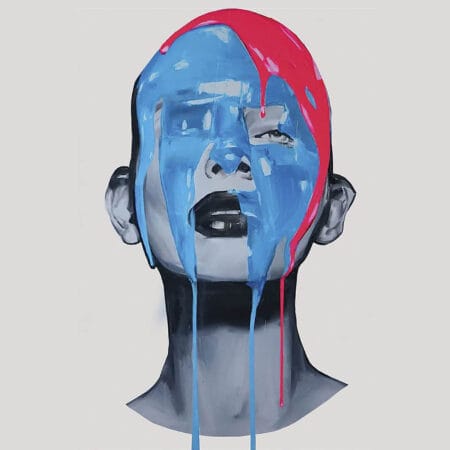




 Street art canvas print "Urban Beauty", hand-painted on a stretcher frame
295,00 €
Street art canvas print "Urban Beauty", hand-painted on a stretcher frame
295,00 €