Art in the Garden: How to Properly Place and Showcase Sculptures
Combining creativity and beauty in the garden is an art in itself. With the right placement of your favorite pieces, you can transform your garden into an oasis of tranquility and aesthetic appeal. Let's find out how you can display your artwork safely and stylishly.
Show
table of contents
Why art in the garden is important
A garden is much more than just a place to relax and enjoy itself. It is also a space that can inspire and move us. Art in the garden can enhance this experience and add an extra dimension to the outdoor space. It can transform the garden into a place that is not only beautiful to look at, but also creates an emotional connection with the viewer.
There are countless ways to place and showcase art in your garden – from sculpture gardens to murals or installations . In this article, we'll show you how to select and arrange your favorite artworks to transform place of inspiration
Creative concepts for unique garden art
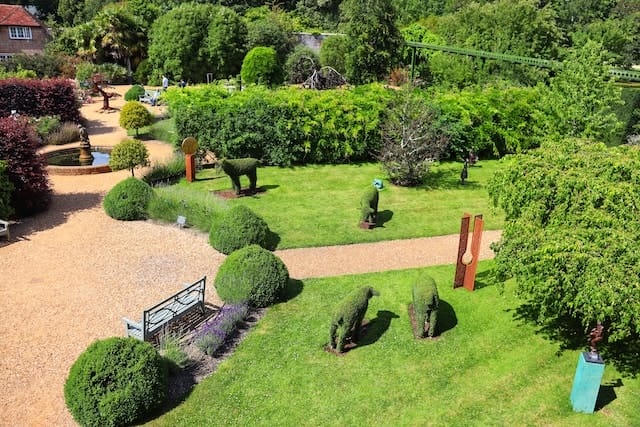
Photo by Dele Oke @dele_oke, via Unsplash
The art of gardening is a creative concept that enlivens gardens and parks worldwide. As early as 3,000 years ago in Asia, painting and landscape architecture were closely intertwined and influenced each other. Chinese and Japanese gardens, , remain renowned for their harmonious design to this day.
In Europe, the Italian Renaissance sparked artistic exploration of garden design. The “Italian garden” emphasized clear, geometric forms and perspective, thus foreshadowing the Baroque garden , which became famous through the gardens of Versailles and Vaux-le-Vicomte in France.
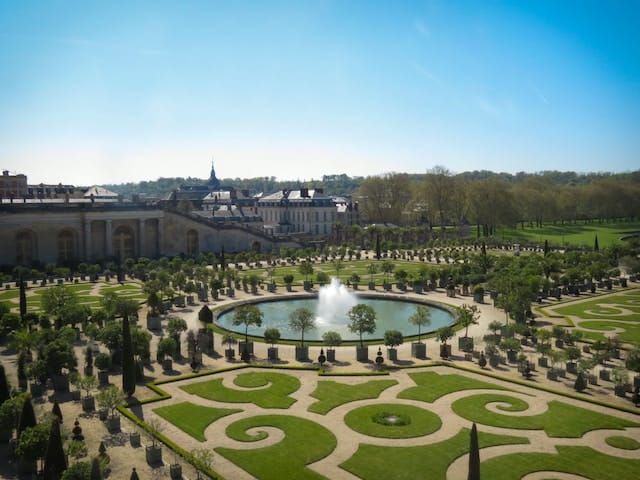
Photo by Hugo Herrera @hugomanito, via Unsplash
In the 18th century, the focus was on naturalness , with gardens planned down to the smallest detail. All these garden concepts incorporate artistic elements, both in the design of the grounds themselves and in their furnishings. Artificially created sightlines direct the eye to statues, sculptures, or small architectural features, emphasizing their significance.
Even if not every garden is a park and not every garden enthusiast is a prince, one can still draw inspiration from these concept gardens to beautify one's own green space. For art and garden form a wonderful unity.
The path to a well-thought-out garden concept
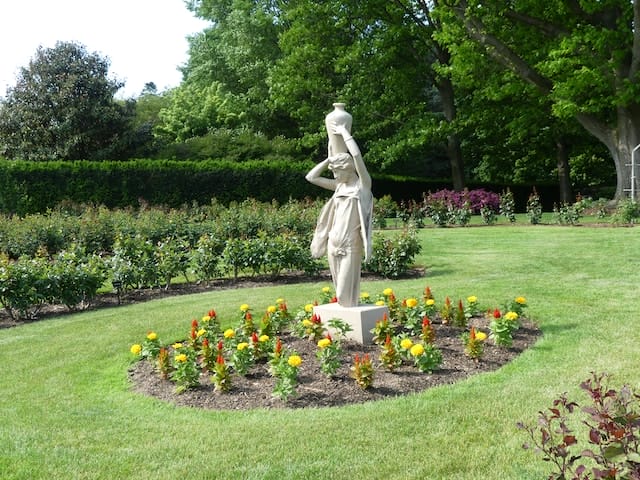
Photo by Wally Holden @wallyh2u, via Unsplash
Before you begin acquiring and placing artistic objects for your garden, it's essential to develop a well-thought-out and harmonious garden concept . Only then can you provide the artworks with the appropriate setting. This requires a degree of creativity to create a cohesive overall picture.
Therefore, according to the experts at GartenMöbel.de , it is advisable to clarify the following questions in advance:
- Where is the center of the garden from which it is played?
- What possibilities exist to create sightlines from there (emphasizing a view direction through vegetation, walkways, etc.)?
- Should the objects be related to each other and tell a kind of story, or is it purely about aesthetics?
- Should the objects stand freely or be integrated into the garden flora?
- Should the objects be primarily decorative or also functional?
Once the garden concept is finalized, the furnishing can begin. When placing artwork, it's important to position it in areas where you spend the most time, such as on the wooden deck or in the garden seating area. If you have a large property, it's advisable to create an art trail.
The artworks should be positioned so that they quickly catch the viewer's eye and simultaneously interact harmoniously with the surrounding flora. Sightlines can be an exciting way to draw attention to the artworks. However, not every path has to be straight; flowering plants or natural elements such as a small stream or the view between two trees can also be used as sightlines.
It is important that the sightlines from the viewing point of the first artwork lead in a straight line to the next work. An art tour is also suitable for a concept with a specific message. This allows for the creation of different thematic areas, such as stylistic or material-based and culturally diverse.
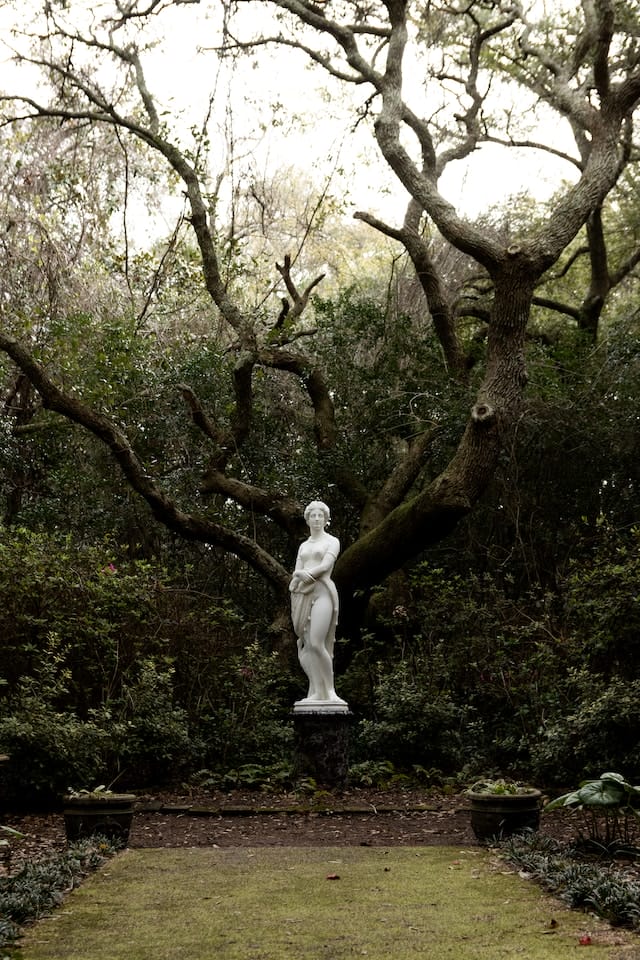
Photo by Brian Breeden @bcbreeden, via Unsplash
Mythological or historical stories can also be retold using sculptures, statues, and other objects . There are no limits to creative freedom, as everything from kitsch to art is ultimately permitted.
Important guidelines for your garden design with art objects
01 Place centrally
It is advisable to consider incorporating artwork into your garden design right from the planning stage. Especially in smaller gardens, it is recommended to define an architectural focal point , for example by aligning garden paths towards a specific spot or seating area.
This central point offers the ideal opportunity to showcase a work of art and emphasize its value and significance. It is important to ensure that the artwork is visible from as many locations in the garden as possible. After all, it would be a shame to hide such a prominent piece.
02 Give the artworks space
It is advisable not to restrict the objects too much, so as not to impair their effect. They should be avoided being obscured by other elements such as privacy screens, sunshades, or walls.
An ideal placement is in a flower bed, as the centerpiece of a fountain, in the water garden at the edge of the swimming pond or natural pool, in a square or in the middle of a roundabout, at the end of a driveway or path, or even in the middle of a seating area.
This placement ensures that the objects do not get lost in their surroundings and remain unnoticed.
03 Guide the viewer
If you have several sculptures on your property, it's a good idea to create a kind of story around them. With a well-planned path, you can guide visitors past the individual artifacts and create a fitting sequence.
Small signs, similar to those used at an art opening, can help explain the ideas behind the arrangement. Use sight lines to create a personal art tour . The viewer should already be able to see the next artwork as they move away from the current one.
04 Consideration of scale and background
Many gardens create an atmosphere of peace and retreat through their layout, colors, and patterns. Some are left in their natural state, while others are carefully planned and maintained.
The fourth step in deciding where to position a sculptural element is to clarify what kind of overall concept and function your garden embodies. The background should always be considered when placing the sculpture, especially with "transparent" features such as openings or cutouts.
The height and proportions of the outdoor sculpture should be in harmony with the background to create a harmonious perspective and provide a resting point for the eye.
05 Create a dialogue between sculptures and plants
Every significant work of art requires an impressive setting . The same is true for outdoor artwork, which demands the careful planning of a well-conceived garden. Some sculptures blend harmoniously with a clearly structured garden characterized by fine lines and timeless color nuances.
Other works, however, unfold their full effect in gardens designed with sculptural plantings and natural elements that reflect or reinforce the form and message of the sculpture.
The reciprocal interaction between sculpture and plants can create a fascinating dialogue that conveys a theme, a narrative, or a profound message. It is crucial to consider both the sculpture and the plants as communicative elements that connect with each other and with the viewers.
A sculpture could be chosen that embodies a concept or symbol closely linked to the plants – be it a natural phenomenon, a cultural value, or a historical event. Furthermore, such a sculpture can encourage viewers to interact with the plants not only visually, but also haptically or kinetically.
Art should challenge and invite at the same time – that is the key to a lively discussion in the garden.”
Choosing the right artwork for the garden
When choosing artwork for the garden, there are several important factors to consider. First, you should think about what type of artwork best suits your garden – whether it should be a sculpture, a painting, or an installation.
The size of the artwork is also crucial, as it shouldn't be too dominant or too small. Another important aspect is the choice of material – the artwork should be weather-resistant and durable to ensure it remains beautiful outdoors for a long time.
When all these factors are taken into account, you can be sure that the selected artwork will fit perfectly into your garden and enrich it in a wonderful way.
Which objects are suitable for the garden?
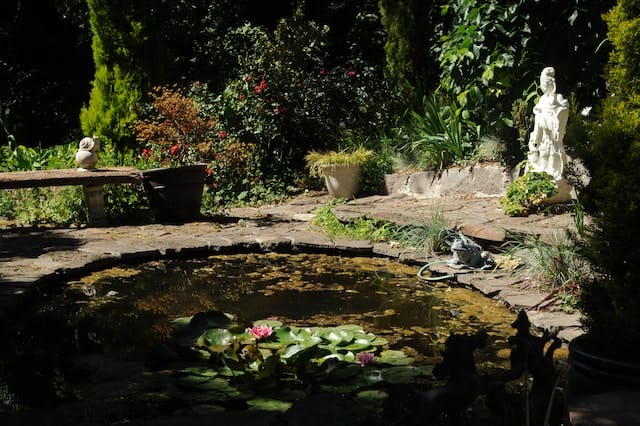
Photo by Wonderlane @wonderlane, via Unsplash
If you want to decorate your garden with works of art, it's important to ensure they can withstand a variety of weather conditions . Artworks made of stone, wood, and metal are particularly suitable, provided they have been properly treated.
Plastic objects also offer a good alternative for garden design. If the artworks are to remain outdoors during the winter, they should be adequately protected to prevent potential damage.
Particularly valuable pieces require good care and protection to ensure long-lasting durability.
Natural weathering can also be used as part of the concept to emphasize the course of nature. Wooden objects, for example, can develop a unique patina . Metal, too, can be weathered very artistically. By combining rusted metal with clear and polished materials such as glass or marble, fascinating contrasts be created.
Buy art for your garden – A selection from our online gallery
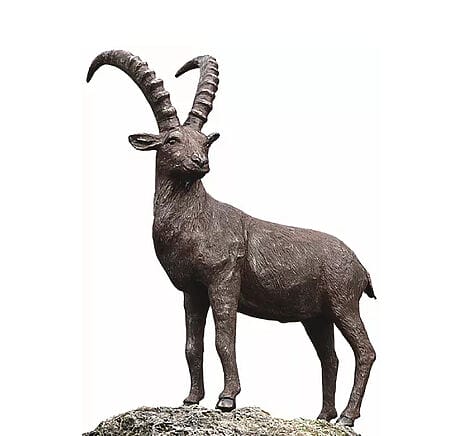
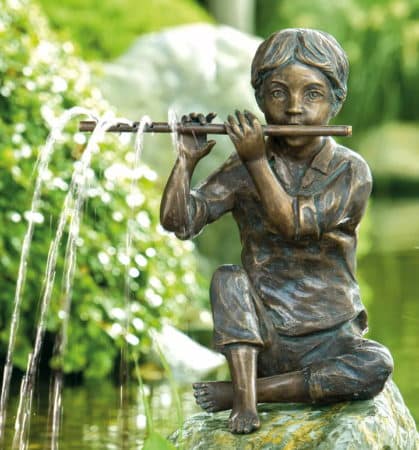
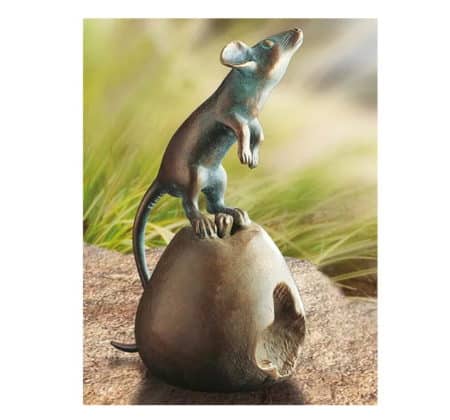
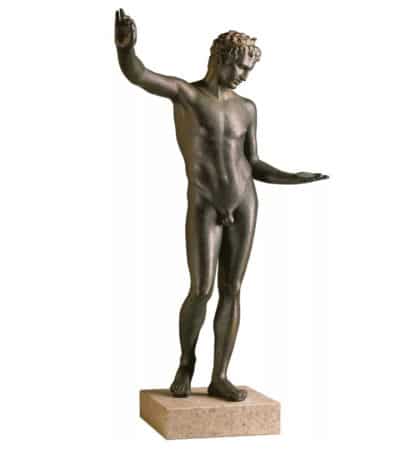
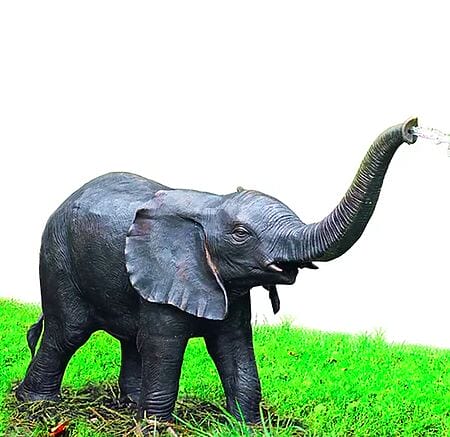
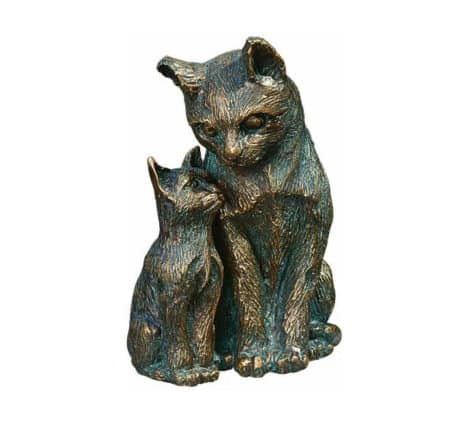

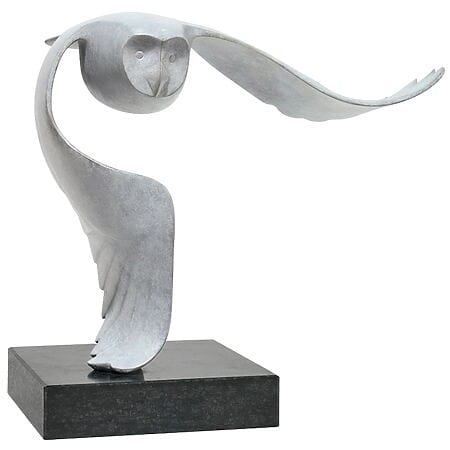
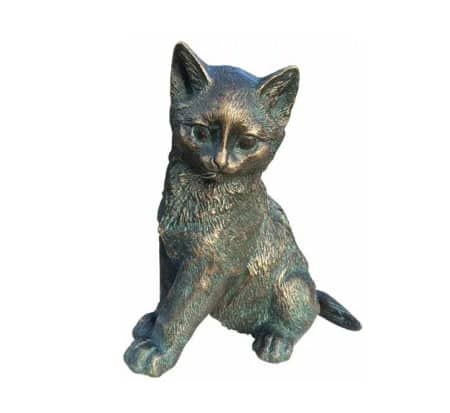
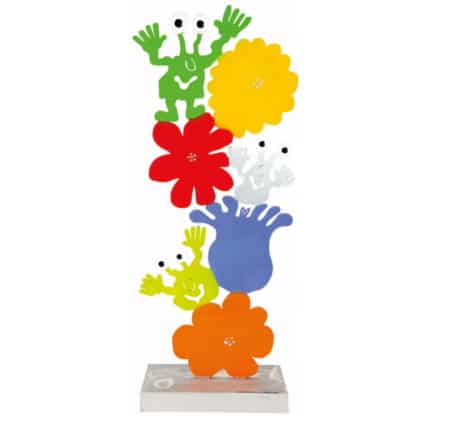
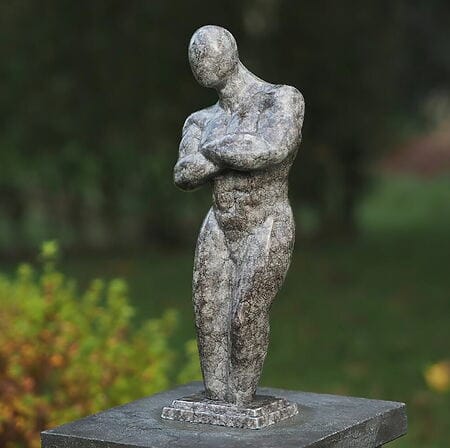
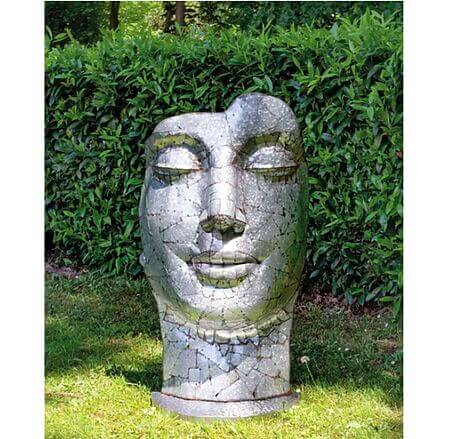
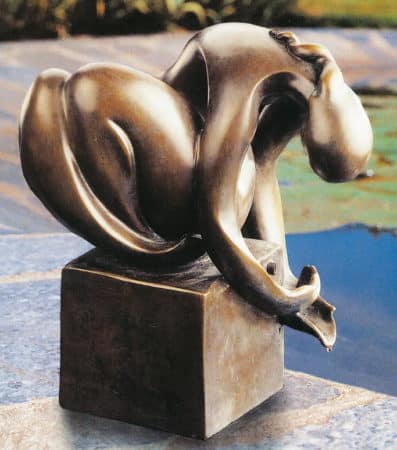
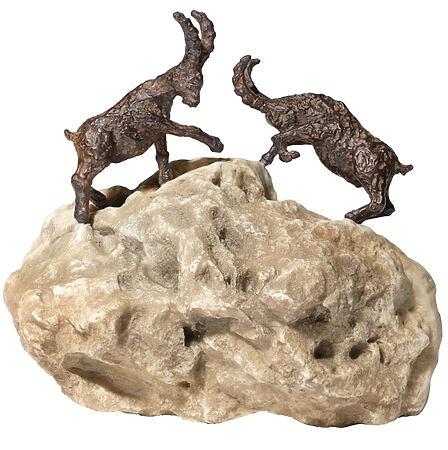

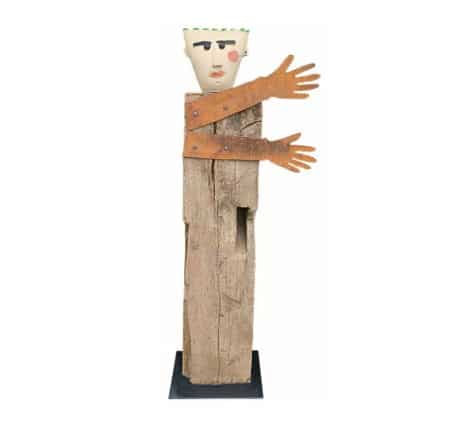
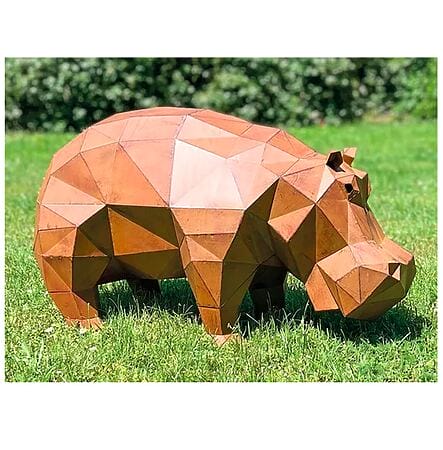

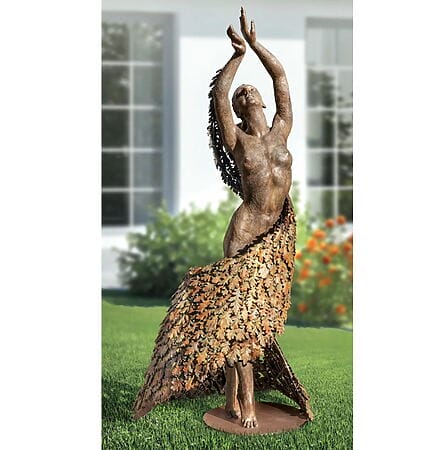
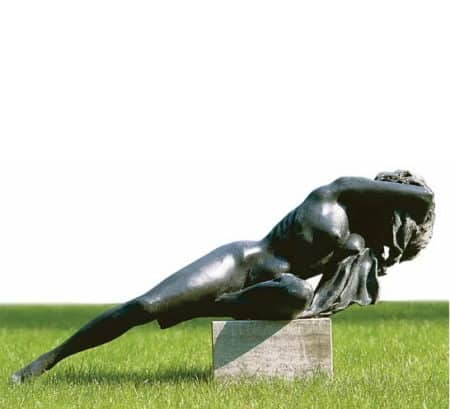
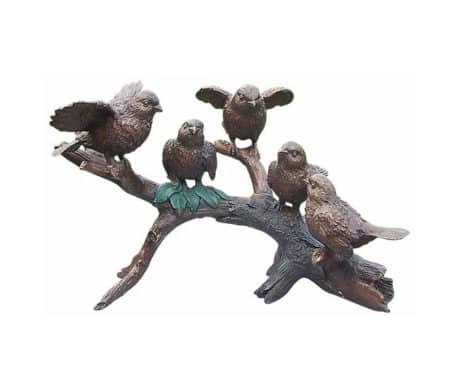

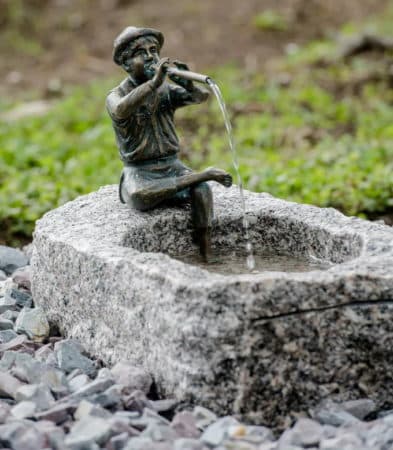
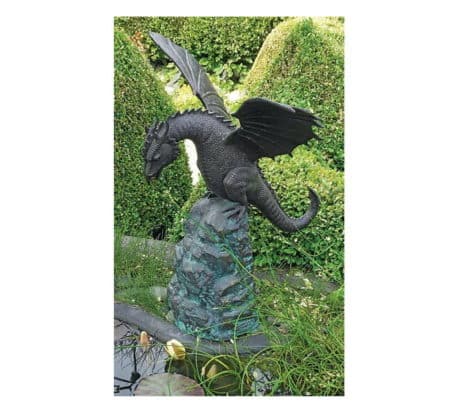
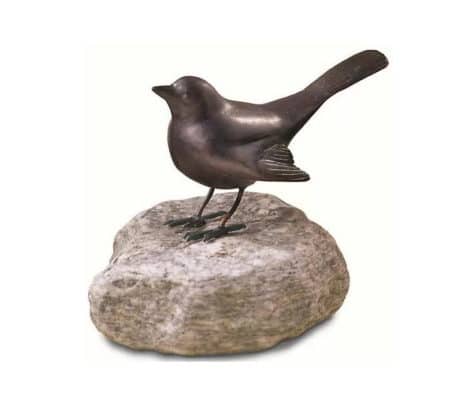
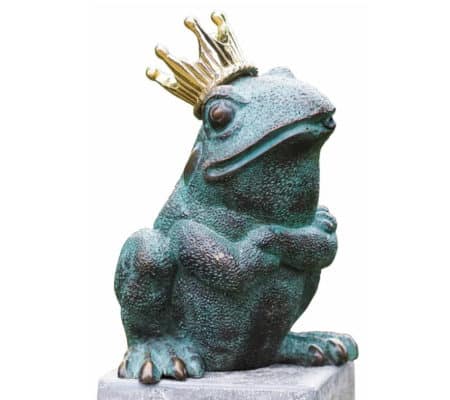
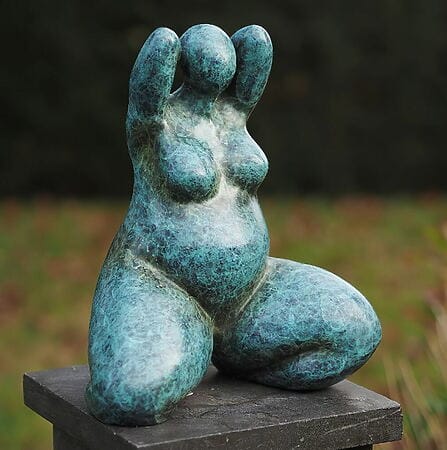

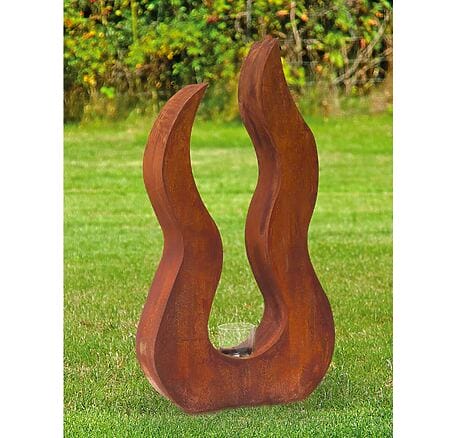

Find inspiration and recommendations for your personal garden dream in our Pinterest collection
(You must have accepted cookies to view the Pinterest board)
The importance of size and proportions
When placing artwork in the garden, size and proportion play a crucial role. A sculpture that is too small can get lost amidst lush garden scenery, while a piece of art that is too large can overwhelm the space.
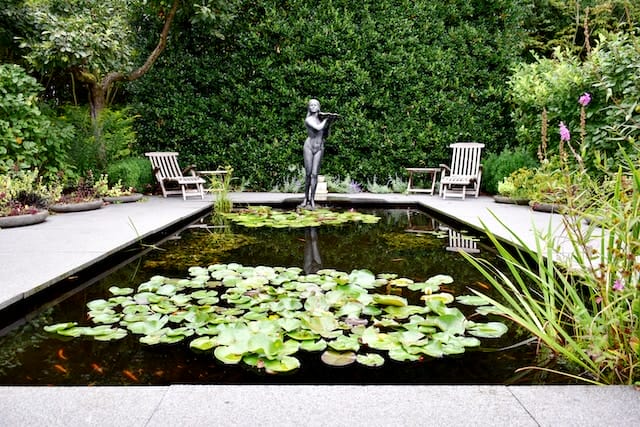
Photo by Ries Bosch @ries_bosch, via Unsplash
It is important to coordinate the size and proportions of the artwork with its surroundings to create a harmonious balance . For example, a large tree or shrub can serve as a backdrop for a larger sculpture, while smaller plants and flowers can visually enlarge a smaller artwork.
But the placement within the garden should also be considered – a small work of art can, for example, be placed at the edge of a path to better showcase it, while larger works should occupy a central place in the garden.
The correct size and proportion are therefore crucial for a successful presentation of artworks in the garden.
How to work with colors and materials to enhance the effect
If you want to place artwork in your garden, it's important to think about colors and materials. These can enhance or diminish the impact of the art in the garden.
For example, if you have a sculpture made of metal , it can be effective to place it in an area with a lot of greenery to create a contrast between the hard lines of the sculpture and the softness of nature.
The choice of colors can also be crucial: A colorful row of flowerbeds can either emphasize a vibrant sculpture or distract from it. Conversely, a monochrome environment can draw attention to a work of art and make it stand out.
Ultimately, however, you should ensure that your choice of colors and materials is harmoniously coordinated and that your artwork is shown to its best advantage.
The role of light and shadow in staging
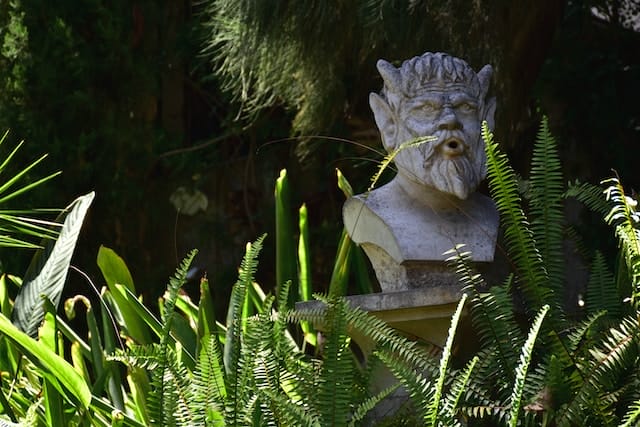
When staging art in the garden, the interplay of light and shadow plays a crucial role. By strategically placing sculptures or other artworks, interesting shadow patterns can be created that further emphasize the object and give it an additional dimension.
photographed by Ries Bosch @ries_bosch, via Unsplash
Choosing the right lighting can also be crucial for highlighting specific details or materials. Especially during evening events, illuminating artworks in the garden can create a special atmosphere and captivate the viewer. However, it's also important that the light isn't too strong or harsh, so as not to detract from the overall appearance of the garden.
A clever combination of light and shadow can thus create a unique staging of art in the garden that will leave a lasting impression on visitors.
Showcase your works of art in the right light
Lighting plays an important role in your art garden , just as it does in a museum.
by targeted spotlights , and colorful lamps lend the scene a special ambiance even at night. It's worth experimenting with different lighting solutions.
Some garden design specialists offer the option of installing a demo lighting system for a few days so that you can test the exact effect.
How to integrate different types of artwork into the garden
When it comes to integrating different types of artwork such as sculptures , paintings or installations into the garden, there are some important considerations to keep in mind.
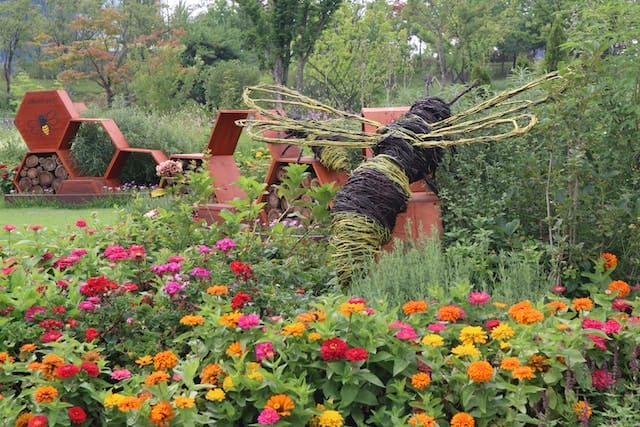
First, you should ensure that the artworks harmonize with the natural environment and do not appear out of place. A good way to achieve this is by using materials that blend well into the landscape, such as stone or wood.
photographed by Emily Kennison @emilykennison22, via Unsplash
Furthermore, strategically placing artworks in the garden can help them stand out more effectively. For example, sculptures can be placed near trees or shrubs to create an interesting contrast between the organic and the artificial elements.
Paintings and installations can also be attached to walls or fences to add an extra dimension to the garden.
Ultimately, it is important that you place and showcase your favorite works of art in a way that reflects your personal taste and aesthetics while also enhancing the overall appearance of the garden.
Accentuate through planting
Adding plants will enhance the effect of your artwork: Flowering carpets blooming at the base of your sculpture will draw even more attention to it – provided the plants do not grow too tall.
Carefully shaped shrubs can also guide the viewer's eye. Ultimately, there are hardly any limits to your imagination.
Tips for the care and cleaning of outdoor artwork
To optimally care for and maintain your outdoor artwork, there are a few tips you should keep in mind. First, it's important to know the materials your artwork is made of in order to use the correct cleaning and care products.
For example, metal sculptures can rust if they are not regularly maintained. You should also ensure that your artwork is protected from direct sunlight, as this can damage the material.
Regular cleaning of the surfaces and, if necessary, repainting are further important measures for the care of your outdoor artwork. Following these tips will ensure that your favorite pieces in the garden retain their full beauty for a long time to come.
The importance of context: How to incorporate the environment into the design
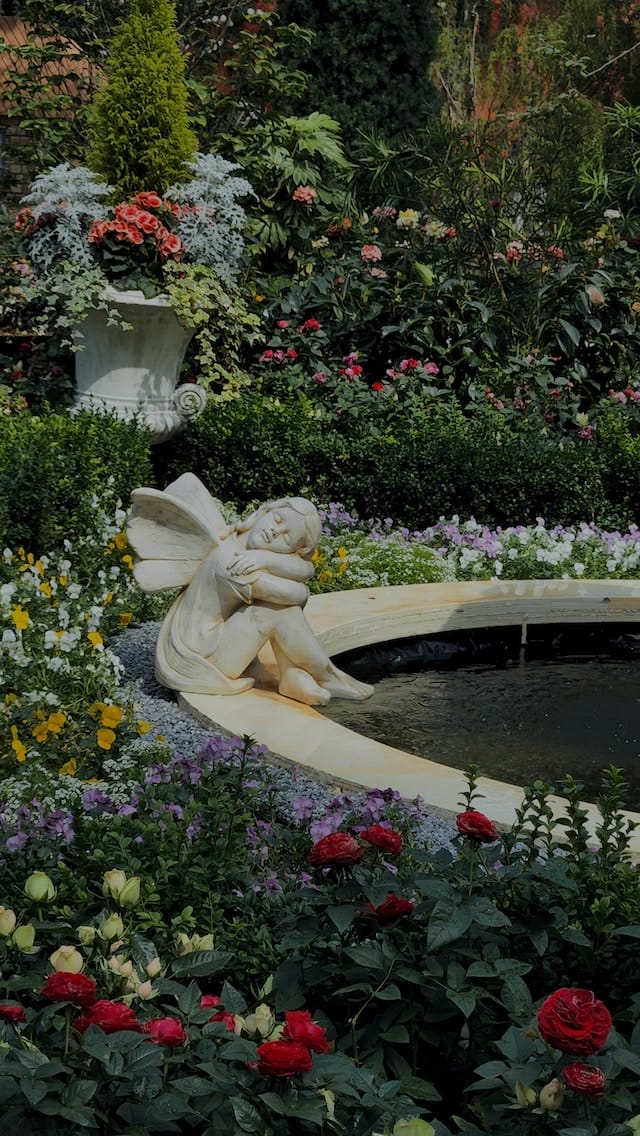
In art, context just as important as the artwork itself. Therefore, in your garden, you should pay attention not only to where you place your favorite pieces, but also to their surroundings. Context can influence the impact of a work of art and give it meaning.
For example, placing a modern sculpture in a traditional garden can result in the artwork not being shown to its full advantage or even appearing out of place. However, by consciously incorporating the surroundings into the design, you can ensure that your favorite pieces are perfectly showcased and blend harmoniously with their environment.
Photographed by Arjwen
@arjwen, via Unsplash
Pay attention to the colors, shapes, and materials in your surroundings and choose artworks that either correspond to them or deliberately contrast with them. This will create a harmonious overall picture and make your garden a place full of aesthetic harmony .
In conclusion, it can be said that art in the garden offers a wonderful opportunity to beautify and personalize one's outdoor space.
It's important to position and showcase the artworks correctly so they can achieve their full effect. Aspects such as light and shadow should also be considered. Those seeking further inspiration can visit numerous exhibitions and trade fairs or consult with professional garden designers .
The possibilities are endless – from sculpture gardens to wall designs with mosaics or street art . With a little creativity and a willingness to embrace individuality, anyone can transform their garden into a unique work of art.

Owner and Managing Director of Kunstplaza . Publicist, editor, and passionate blogger in the fields of art, design, and creativity since 2011. Graduated with a degree in web design from university (2008). Further developed creative techniques through courses in freehand drawing, expressive painting, and theatre/acting. Profound knowledge of the art market gained through years of journalistic research and numerous collaborations with key players and institutions in the arts and culture sector.
You might also be interested in:



Featured Art



Design and Decor Highlights
-
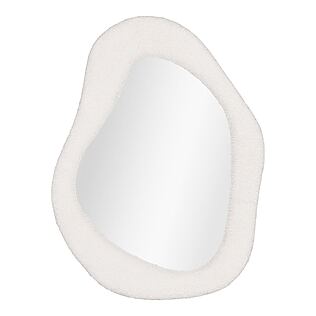
 Organic wall mirror "Bosa", curved wooden frame (white, 46 x 61 cm)
39,00 €
Organic wall mirror "Bosa", curved wooden frame (white, 46 x 61 cm)
39,00 €
VAT included.
Delivery time: 3-4 working days
-
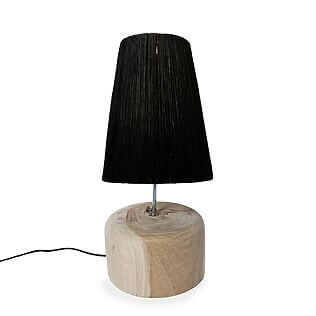
Teak wood table lamp "Raffia", black lampshade
209,95 €
VAT included.
Delivery time: 3-5 working days
-
Luxurious "Lucky Bunny" table lamp with black satin shade
88,00 €
VAT included.
Delivery time: 2-4 working days
-
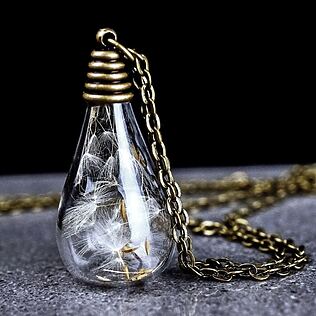
Symbolic necklace with hand-blown drop pendant and real dandelion seeds
26,90 €
VAT included.
Delivery time: 1-3 working days
-
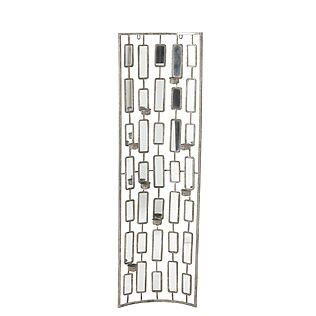
J-Line Elegant wall decoration with mirrors & metal tealight holders, large
129,00 €
VAT included.
Delivery time: 2-4 working days
-
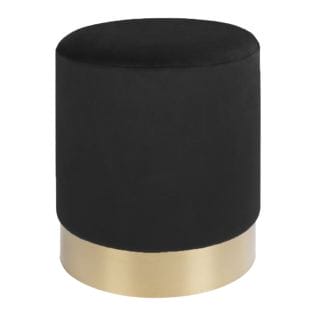
Upholstered stool "Gamby" with velvet cover in an elegant black and gold color combination
59,00 €
VAT included.
Delivery time: 3-4 working days
-
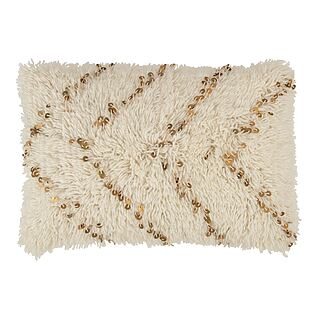
J-Line rectangular cushion “Pearl” made of cotton (white/gold)
54,95 €
VAT included.
Delivery time: 1-2 working days