The Japandi style may seem like a trendy buzzword in interior design, but this aesthetic a long history. The fusion of Japanese and Scandinavian design dates back a long way.
Laila Rietbergen , author of “Japandi Living” (Lannoo Publishers 2022) and operator of the popular Instagram account @japandi.interior , emphasizes:
The connection between Japan and Scandinavia has existed for a long time.”
According to the young interior design author, the focus is on calm, minimalist and functional interiors, with the aesthetics often extending far beyond the external appearance of a house.
Shanty Wijaya , interior designer and owner of AllPrace , explained in an interview with Architectural Digest:
This design style and these principles promote a healthy and meaningful lifestyle. They teach us to discover beauty in imperfection, to build a deep connection to the earth and nature, and to appreciate the simple pleasures of life
But what exactly makes Japandi so popular and special? The Japandi style is characterized by its simple elegance and functionality. Furniture and decorative elements are often made of wood, bamboo, or linen, and impress with their simplicity and quality. These materials lend the room a natural warmth and create a harmonious ambiance.
The Japandi style is essentially a successful fusion of Scandinavian and Japanese design . This exciting East-West design movement combines tasteful Japanese elements and the philosophical of wabi-sabi with Scandinavian comfort and coziness, also known as hygge .
Both aesthetics emphasize simplicity, natural materials, comfort, and sustainability .
Japandi, as an interior design philosophy , is a fusion of the minimalist aesthetics of Japan and the cozy comfort of Scandinavia , focusing on clean lines, natural materials, and a calming color palette. It combines the best of both worlds.
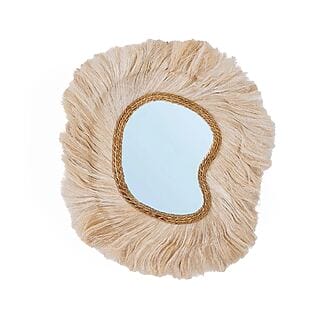
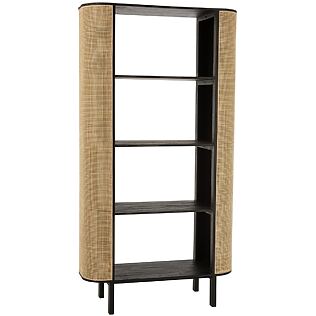
Besides various pieces of furniture and decorative elements, numerous accessories such as rugs a crucial role in this style. They not only lend warmth and texture to the room, but also complete the overall aesthetic.
Harmonious interior design – what are the characteristics of the Japandi style?
Rietbergen, a Dutch woman, discovered her love for the Japandi style after an inspiring trip to Japan in 2018. She particularly appreciates the adaptability of this interior design style. Japandi is characterized by its understated color palette, high-quality natural materials, and the emphasis on greenery and nature in interior design .
In both Japan and Scandinavia, people appreciate spending time in nature and like to integrate it into their living spaces. This is reflected not only in the use of wood and linen, but also in organic forms and the skillful combination of different stylistic elements.
A brief history of design fusion
Japandi houses are widespread today, but their history stretches far back. In the 19th century, after centuries of isolation, Japan opened its borders, inspiring Scandinavian designers and artists.
The similarities between Japanese and Scandinavian design greatly facilitated the merging of the two styles. Both value simplicity, high-quality materials, and craftsmanship, resulting in a harmonious synthesis and elevating both to a new level.
At this time, the designs of Danish designers and creatives began to be influenced by this enigmatic and fascinating new oriental aesthetic.
Early traces of this design style can be found in ceramics, architecture, and Danish furniture. As mentioned earlier, both design philosophies—Wabi-Sabi from Japan and Hygge from Denmark —value simplicity, minimalism, and natural materials. Therefore, it was only a matter of time before the two were blended in design.
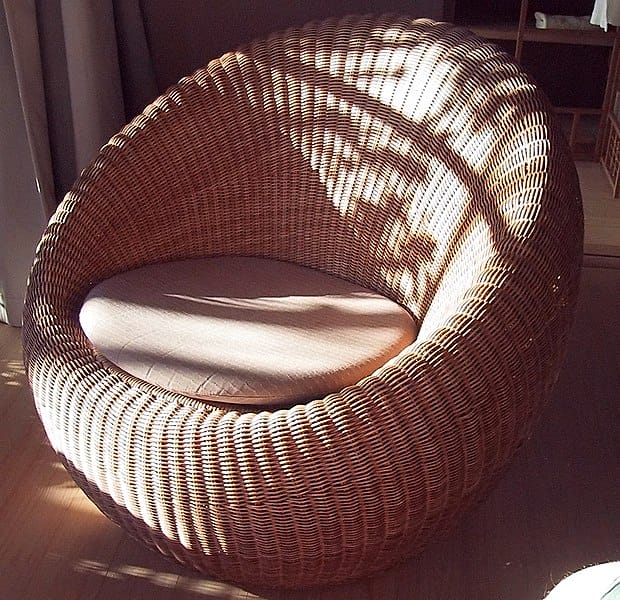
Danish designer Nina Tolstrup went back to the 1950s in an interview with BBC and compared the classic modernist pieces from her region with pieces from Japanese designers, such as the bamboo wicker chair by Japanese-American sculptor and designer Isamu Noguchi and Japanese industrial designer Isamu Kenmochi .
Iconic rattan armchair by Isamu Kenmochi. Image source: Chris 73 / Wikimedia Commons
Danish designer Lars Vejen emphasized to the BBC the importance of a shared focus on craftsmanship. During his first visit to Japan in 1995, he was impressed by the country's remarkable craftsmanship. The Japanese respect their traditions and are perfectionists in many respects. When presenting his designs to Japanese clients, Vejen observes a perfect harmony between the simple idea and its masterful execution.
Many more remarkable collaborations followed across the 8,000 km that separated the two countries. This close interrelationship of both design philosophies continues to this day.
Japandi is a timeless interior design style that remains popular and was enshrined in the design lexicon in early 2022. Despite its long history, Japandi will not go out of style anytime soon due to its enduring relevance and appeal.
What are the rules, elements, and characteristics of the Japandi style?
The Japandi design cleverly combines Japanese and Scandinavian styles, focusing on minimalist designs that are both aesthetically pleasing and functional.
“Subtlety is the focus.”
Julee Wray, founder ofTruss Interiors,explainedto the interior design magazineThe Spruce: Japandi styles are characterized by high-quality craftsmanship, with quality and handwork taking center stage.
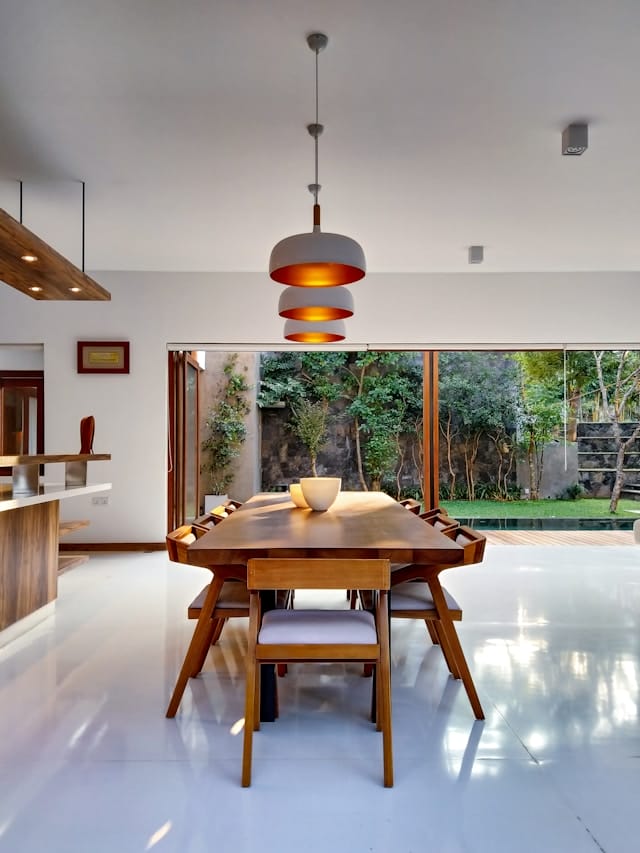
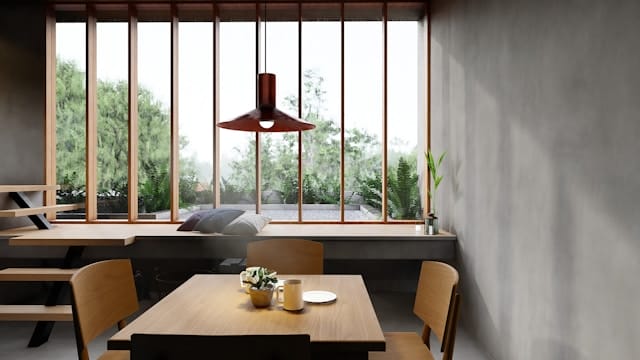
High-quality dining room in Japandi style. Photo by Don Kaveen @donkaveen
Neutral colors dominate the furniture and accessories of the Japandi style, with a preference for calm and soothing color palettes. Sustainability also plays a significant role, as natural materials and simple designs characterize the green interior design style.
Given the growing environmental awareness of consumers, the popularity of the Japandi style is not surprising.
Elements and characteristics of the Japandi style at a glance
Elements and characteristics of the Japandi style at a glance. Photo by Daniel Chen @dchestudio, via Unsplash
To better understand the Japandi style, we include defining elements of the two styles from which it originates:
Japanese Interior Design
Although this list is not exhaustive, Japanese interiors frequently utilize the following elements.
The focus is on organic and natural materials such as:
Wood
Stone
Paper
Cotton
rattan
A neutral color palette with a focus on darker and earthy tones.
Focus on natural materials , especially light wood .
A neutral color palette with an emphasis on lighter colors such as:
White
cream
Light brown from woods such as birch or white oak
Design principles:
Clear lines
Tidy rooms
Natural light
The rules and features in detail
Minimalism and functionality
The essence of the Japandi style lies in the principle of " less is more ." Superfluous decorations and furniture are frowned upon. Instead, the focus is on a few, carefully selected elements that are both functional and aesthetically pleasing. Everything has its place and purpose, contributing to a harmonious atmosphere.
Minimalism is a central element in Japandi. Photo by Eren Yıldız @erenyldz98, via Unsplash
Tip:Remove unnecessary items from your rooms and focus on the essentials. Every piece of furniture and every decorative object should serve a clear function and contribute to the overall harmony.
Natural materials and colors
Another key element of the Japandi style is the use of natural materials such as wood, bamboo, linen, and ceramics. These materials bring a warm and authentic touch to the room and create a connection to nature. The color palette is also inspired by nature and ranges from earth tones to soft neutrals.
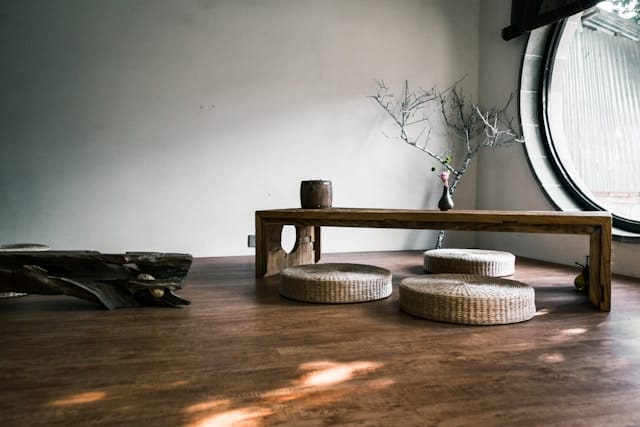
Natural materials are organically and gently integrated into the interior design. Photo by Don Kaveen @donkaveen, via Unsplash
Tip:Opt for natural materials and colors to create an earthy and calming atmosphere. Combine light wood with darker accents to create depth and contrast.
Craftsmanship and wabi-sabi
The Japanese aesthetic of wabi-sabi, which celebrates the beauty of imperfection, plays a central role in the Japandi style. Small irregularities and handcrafted details lend the spaces character and authenticity. This uniqueness is the perfect counterpoint to the often sterile perfection of modern design.
Tip:Choose handmade pieces with small imperfections to highlight the human touch and authentic beauty in your home.
The elements of the Japandi style
Simple furniture with clean lines
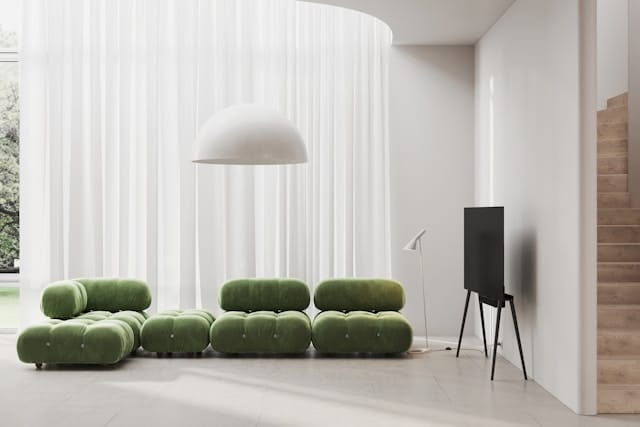
Japandi furniture is characterized by its simple design and clean lines. Comfort and aesthetics go hand in hand. The furniture is functional, but never cluttered or pompous.
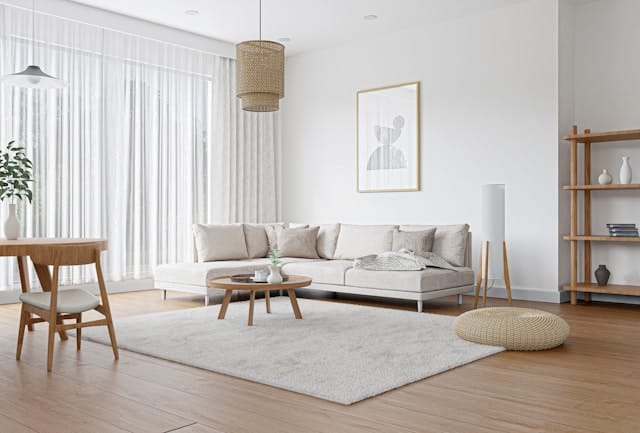
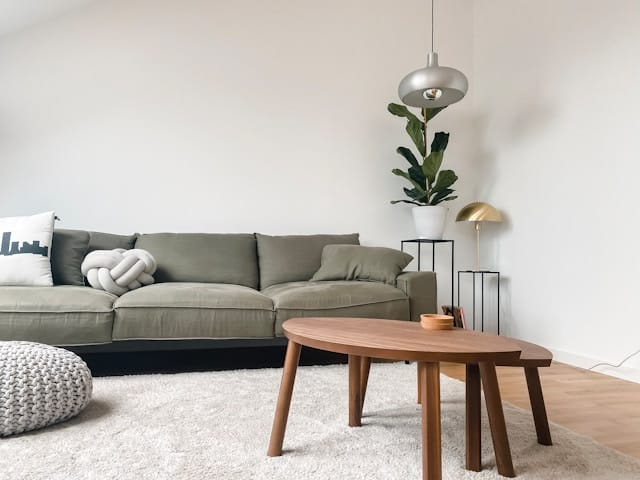
Simple living corner in Japandi style. Photo by Katja Rooke @rooke, via Unsplash
Tip:Choose furniture pieces that impress with their simplicity and functionality. Look for a harmonious combination of Japanese and Scandinavian influences.
Subtle decoration and plants
Japandi-style decor is understated and thoughtful. A few carefully chosen pieces adorn the rooms. Plants play an important role, bringing vibrancy and freshness to the minimalist ambiance.
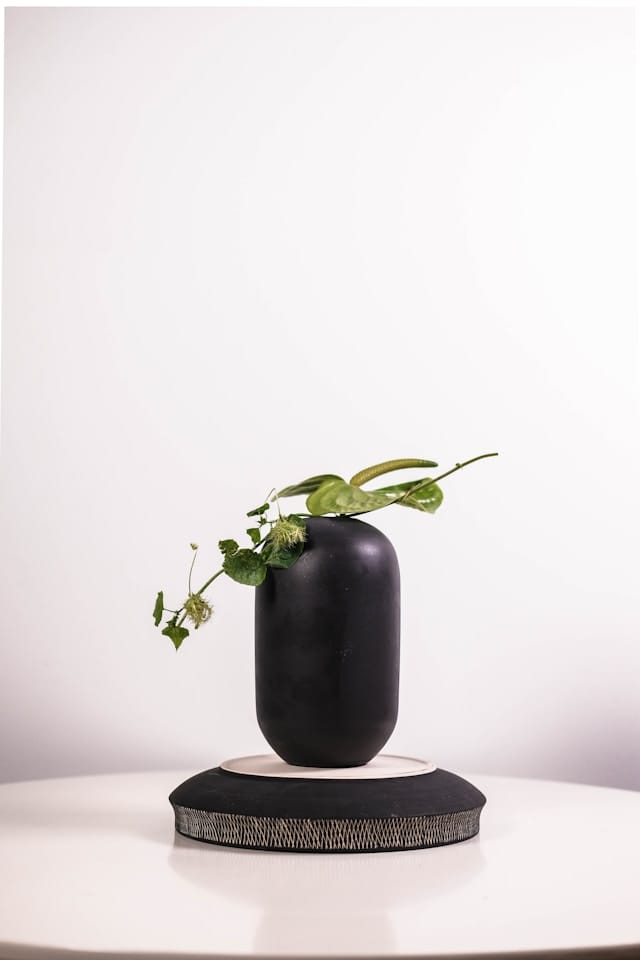
Subtle decoration and plants. Photo by Linh Le @linhlee, via Unsplash
Tip:Opt for simple decorative objects and integrate plants to promote naturalness and tranquility in your rooms.
The role of Japandi-style carpets
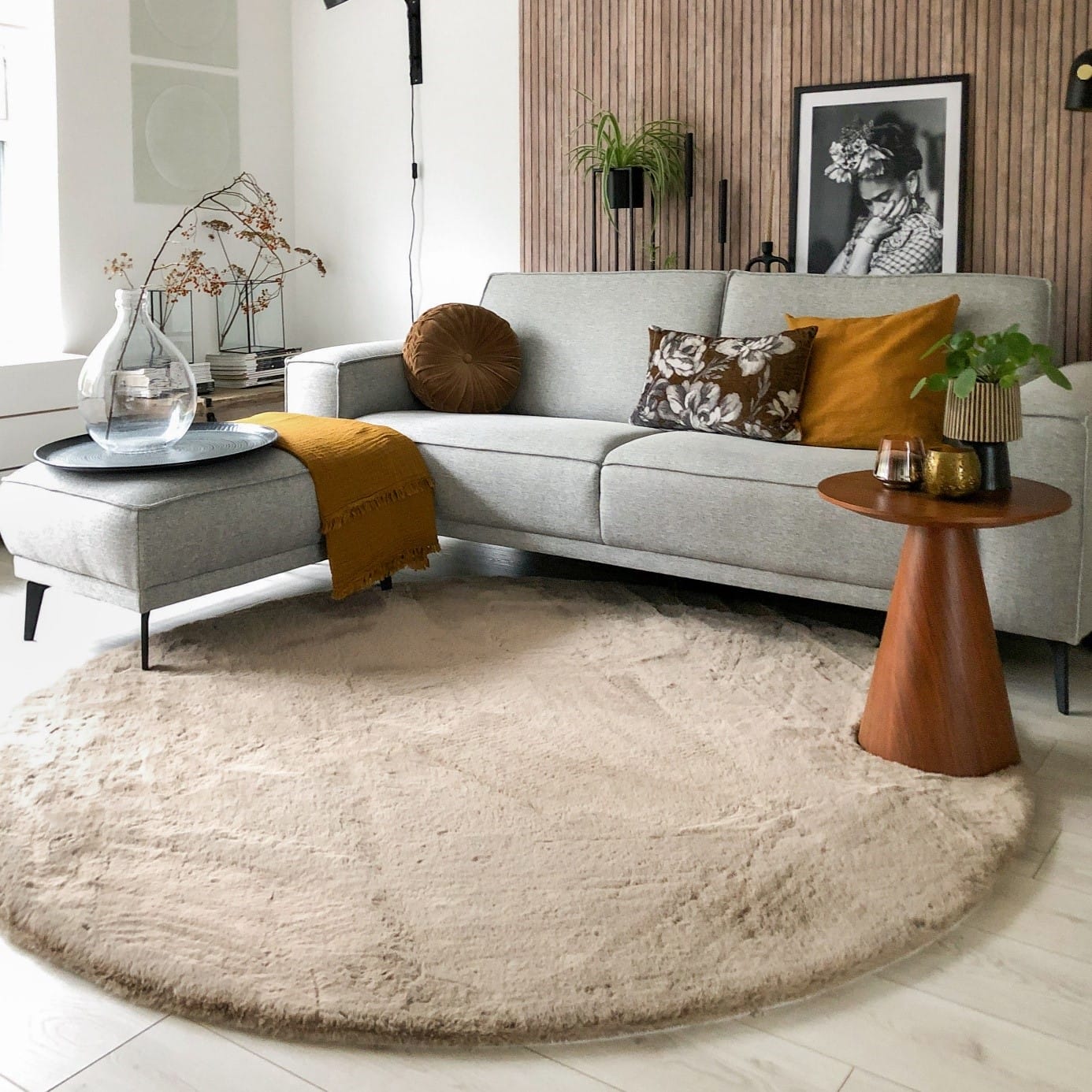
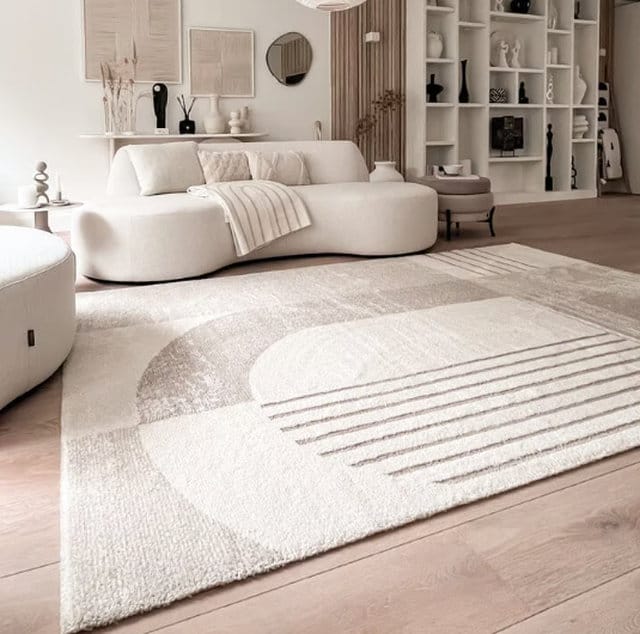
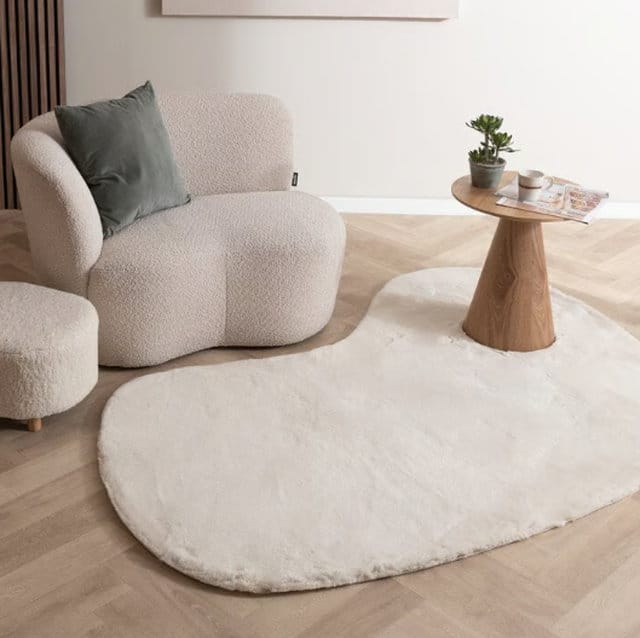
Rugs play a key role in the Japandi style, making a room feel more cozy and inviting. Particularly popular are theJapandi rugs, which impress with their understated color scheme and natural materials. These rugs are often in subtle tones such as beige, gray, or earth tones and help emphasize the minimalist design.
Furthermore, great emphasis is placed on natural materials. Carpets made of wool, jute, or cotton are particularly popular, as they are not only environmentally friendly but also durable and easy to care for. These materials contribute to emphasizing the natural and cozy atmosphere.
Materials and patterns play a major role
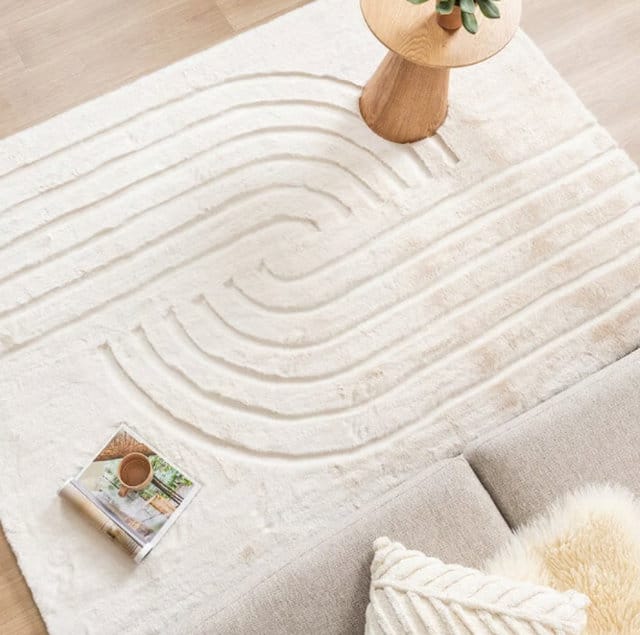
As mentioned earlier, both the colors and patterns of Japandi rugs are usually simple and understated. The patterns can depict geometric shapes, simple lines, and subtle textures. These complement the minimalist design while still adding structure to the room, giving it a personal and vibrant touch.
Neutral colors are versatile and easy to combine with other colors, fitting seamlessly into various rooms and styles.Beige rugsare an excellent choice for the Japandi style. They blend harmoniously into the natural color palette while adding a warm touch to the room. A beige rug can visually enlarge a space and create a sense of peace and tranquility.
Japandi-style rugs can be used in various rooms and interior design styles. In the living room, they can serve as a central decorative element and visually unify the seating area. A large, beige Japandi-style rug placed under the sofa and coffee table can make the room feel cozier and more inviting.
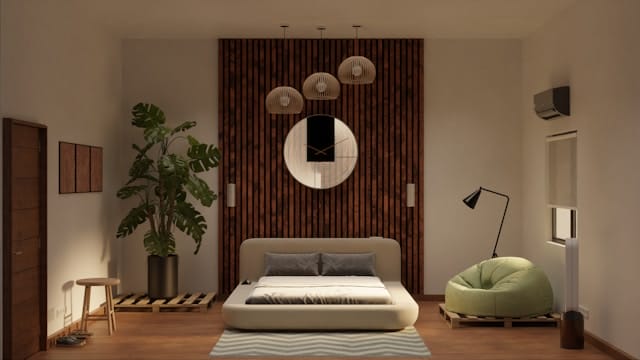
Japandi rugs are also a popular choice for bedrooms. A soft, natural-colored rug next to the bed ensures a warm and pleasant start to the day. It can also help to visually divide the room and create a relaxing and cozy sleeping environment.
In the kitchen or dining area, smaller Japandi rugs can help to visually separate the spaces while creating a warm and inviting atmosphere. Rugs made of durable materials like jute or cotton are particularly suitable here, as they are easy to clean and resistant to wear and tear.
Tip:With the right choice of Japandi rugs, any home can be transformed into an oasis of peace and tranquility. Their simple beauty and functionality make them an indispensable element for anyone wanting to incorporate the Japandi style into their home. This creates a living space that is not only aesthetically pleasing but also cozy and inviting.
Is Japandi out of fashion? – Current trends and news
In 2023, the Japandi style experienced a resurgence in the design world. Sustainability and craftsmanship are central to many interior design trends. Large furniture stores and designers have also incorporated the style into their collections, increasingly offering furniture and decorations in the Japandi style.
This trend is encouraged by the increased focus on health and well-being within one's own home.
Practical tips: How to bring the Japandi style into your home
If you want to integrate the Japandi interior design trend into your own home, it's best to start with consistent application and an emphasis on minimalism and "less is more".
You can then decide whether you prefer a Scandinavian, a Japanese style, or your own mix of both. The color palette can vary – from dark wood for a Japanese touch to lighter shades for Scandinavian flair.
But one thing at a time…
Enough with the mess!
The central idea of the Japandi style is to minimize clutter . This design approach emphasizes clean lines and spacious layouts.
“clever minimalism” is recommended , which involves using natural containers such as baskets or built-in cupboards to discreetly store superfluous items and ensure a tidy atmosphere.
The Japandi interior design style begins with the elimination of clutter. Photo by JALG TV Stand @jalgtvstand, via Unsplash
Integrate natural materials
Focus on natural materials such as untreated wood or bamboo pieces that radiate a sense of nature and simple beauty.
Leni Calas , the founder of Ward 5 Design , recommends muted colors with a touch of light green or incorporating plants and greenery into your home to give it an outdoor atmosphere.
Pieces of wood also fit well in Japandi-style rooms, according to Eilla Adi , the founder of Eilla Adi Design , who particularly recommends furniture made of oak.
To combine the best of both design styles, it is recommended to combine the coziness of Scandinavian design with warm textures and soft furniture while maintaining the elegance of Japanese decor.
Opt for bouclé fabrics and ceramic accents for decoration. While functionality is paramount in both Scandinavian and Japanese styles, creating a Zen-like atmosphere of tranquility in your space is crucial. The Japandi style places particular emphasis on a cozy and harmonious environment.
An earthy and homogeneous color palette
To follow the principles of Japandi, we should always keep the use of natural colors in mind. However, it's important to note that the Japandi concept is somewhat dual: lovers of Scandinavian design prefer light and vibrant colors like white or light gray, while those who appreciate Japanese aesthetics tend towards earthy tones like brown or olive green. Nevertheless, all these shades blend harmoniously into the Japandi style.
Homogeneous color palettes create harmony and a calm atmosphere. Photo by Thufeil M @@thufeilm23, via Unsplash
In any case, keep color variations to a minimum. This is not the appropriate interior design style for experimenting with different color combinations. Reducing the palette to a primarily monochromatic tone is essential. It is recommended to choose one main color and one accent color and limit yourself to these two shades and their various tones.
Invest in quality and craftsmanship
Japandi design places a clear emphasis on craftsmanship , meaning the furniture pieces are not considered disposable. Discover timeless furnishings that will still fit perfectly into your home for many years to come.
A clear statement against today's throwaway culture. Choose sustainable furniture that benefits both your home and our planet.
Natural, warm materials
When designing a room, it is crucial to pay attention not only to the selection of furniture, but also to the finishes of cushions, rugs and occasional furniture.
Natural materials such as bamboo, rattan, paper, ceramics and light woods are particularly suitable for giving the room an appealing style.
A restrained wall design with only a few selected works of art, a subtle decoration in Zen style , vases or ceramic ornaments placed sparingly, and carefully selected handmade decorations are recommended for a harmoniously designed home.
Sources:
Architectural Digest:Japandi Style: Everything You Need to Know About These East-Meets-West Interiors , https://www.architecturaldigest.com/story/japandi-style-101
Architectural Digest India:Japandi: The beautiful marriage between Japanese and Nordic design , https://www.architecturaldigest.in/content/japandi-beautiful-union-japanese-nordic-design-scandinavian-art-decor/
BBC : The rise of 'Japandi' style , https://www.bbc.com/future/article/20191018-the-rise-of-japandi-style
the spruce : Everything You Need to Know About Japandi Interior Design , https://www.thespruce.com/japandi-design-4782478
Owner and Managing Director of Kunstplaza. Journalist, editor, and passionate blogger in the field of art, design, and creativity since 2011. Successful completion of a degree in web design as part of a university study (2008). Further development of creativity techniques through courses in free drawing, expressive painting, and theatre/acting. Profound knowledge of the art market through years of journalistic research and numerous collaborations with actors/institutions from art and culture.
Category for interior design,residential design, object furnishings, product and material innovation.
Here you will find everything that makes an interior designer's heart race. We present to you the latesttrendsand developments in the world of home design, as well as innovative products and materials for unique space design.
Our goal is to provide our readers with inspiration and help them creatively redesign or completely transform their living spaces.
We place great importance on ensuring that our articles are not only esthetically pleasing but also include practical tips.
We also introduce you to successful interior designers – from newcomers to the most well-known names in the industry – so you can be inspired by their projects and get to know their working methods.
Whether it's about making the most of a small space or furnishing your home with new furniture in the trendy industrial style: With us, you will find all the information you need on the topic of interior design!
We use technologies like cookies to store and/or access device information. We do this to improve the browsing experience and to show (non-)personalized ads. If you agree to these technologies, we can process data such as browsing behavior or unique IDs on this website. The refusal or withdrawal of consent may adversely affect certain features and functions.
The technical storage or access is necessary for the legitimate purpose of storing preferences that are not requested by the subscriber or user.
Always active
Die technische Speicherung oder der Zugang ist unbedingt erforderlich für den rechtmäßigen Zweck, die Nutzung eines bestimmten Dienstes zu ermöglichen, der vom Teilnehmer oder Nutzer ausdrücklich gewünscht wird, oder für den alleinigen Zweck, die Übertragung einer Nachricht über ein elektronisches Kommunikationsnetz durchzuführen.
Vorlieben
Technical storage or access is required for the lawful purpose of storing preferences that have not been requested by the subscriber or user.
Statistiken
The technical storage or access that is used exclusively for statistical purposes. The technical storage or access that is used exclusively for anonymous statistical purposes. Without a subpoena, voluntary compliance by your internet service provider, or additional records from third parties, information stored or retrieved for this purpose alone cannot usually be used to identify you.
Marketing
Die technische Speicherung oder der Zugriff ist erforderlich, um Nutzerprofile zu erstellen, um Werbung zu versenden oder um den Nutzer auf einer Website oder über mehrere Websites hinweg zu ähnlichen Marketingzwecken zu verfolgen.












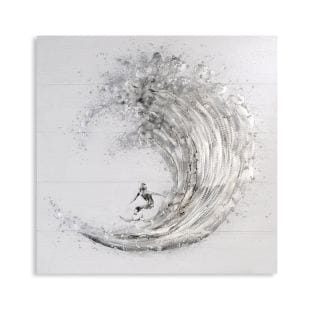
 Hand-painted Art "Surfer", acrylic paints and aluminum applications on canvas
199,00 €
Hand-painted Art "Surfer", acrylic paints and aluminum applications on canvas
199,00 €