Interior design styles reflect our personality and strongly influence our well-being at home. Which of the many styles truly suits you? The selection ranges from minimalist living with a focus on functionality and high-quality aesthetics to the vibrant boho style, which allows for a creative mix of vintage furniture and accessories.
In recent years, various interior design styles have emerged and evolved. The Scandinavian style is characterized by clean lines and natural materials, while the industrial look, which originated in the 1960s, is marked by exposed brick walls and steel structures.
Choosing the right interior design style is particularly important for the living room, which is the central room of any home. The "hygge" , which stands for coziness and relaxation, is becoming increasingly popular.
This guide showcases various interior design styles. It will help you discover the perfect style that not only looks beautiful but also perfectly reflects your personality and lifestyle.
Before diving into the world of different design styles, it is worth taking a step back and understanding whatinterior design styles actually are.
At its core, an interior design style refers to a coherent overall concept in which furniture, wall colors, textiles and decorations are coordinated
It forms the design basis for the atmosphere of a room and gives the home a recognizable character.
The path to finding your own interior design style often begins with thorough research. Understanding the different styles, with their differences and similarities, significantly simplifies the decision-making process for your personal interior design . It's important to keep in mind that not every style suits every room – the layout and size of the apartment also play a role in determining the overall style.
Difference between living style and interior design style
Although the terms are often used synonymously, there is a subtle but significant difference:Interior design style refers primarily to the material furnishings and visual appearance of a room. It encompasses all the furnishings and decorative items in an interior.
Interiordesign, however, goes beyond this. It encompasses not only how an apartment is furnished, but also how one lives in their home – with certain values and a personal philosophy of life. This includes lifestyles such as the Swedish "Lagom ," the Danish "Hygge," or concepts like minimalism and sustainability, which reflect a deeper philosophy of life.
For example, a minimalist interior design style can include functional furniture with clean lines and a limited color palette. However, a minimalist lifestyle also involves a conscious decision for reduction, sustainability, and more mindful consumption – a way of life that goes beyond mere aesthetics.
Why style should match personality
Our personality is closely linked to the design of our home. Ideally, our home is the place where we feel most relaxed and authentic. Therefore, the way we shape it reveals a lot About us personality. This connection has been proven by psychologists in studies.
For many years, the US psychologist Gosling the connections between personality traits and interior design styles , and has demonstrated that personal characteristics and furnishing choices are linked. The deliberate selection of furniture reflects a person's individual life.
Interior design specialist Dr. Alessandra Wood from the USA, also known as The Doctor of Style, has linked interior design styles to personality traits such as openness, conscientiousness, extraversion, agreeableness/empathy, and neuroticism, based on the "Big Five" personality traits . This connection illustrates how deeply rooted our interior design preferences are in our personality.
When choosing your own interior design style, you should therefore ask yourself the following question:
What interior design style do I like and which suits me and my lifestyle?
Ultimately, it's not about slavishly following design guidelines, but about finding a style that radiates harmony and isn't just about impressing guests.
Some crucial aspects to consider when choosing the right style:
The interior design style should suit both thepersonality and theliving space – an industrial loft atmosphere would look out of place in a terraced house from the 1960s.
The facility should be aplace of retreat that helps people relax and provides a sense of security and comfort.
Choosing an interior design style takestime and doesn't happen overnight.
It is possible tocombine , however, one should avoid mixing too many different styles in one room.
For many people, interior design is more than just an aesthetic exercise – it's an expression of their personality, their values, and their lifestyle. Every piece of furniture, every color, and every detail tells us something about how we see the world and what we reveal about ourselves.
A home is therefore not just a place to live, but a space that tells our story. By making conscious choices when furnishing it, you can create a space that is not only visually appealing, but also reflects your inner world and contributes to your personal well-being.
How do I find my personal interior design style?
Finding your own interior design style can seem overwhelming at first. It's easy to lose track amidst countless sources of inspiration and styles. But don't worry – with the right methods, you can systematically discover your personal style.
The path to finding the right interior design style is as individual as you are.
Inventory: What do I like?
Finding your own interior design style begins with an honest assessment. Often, furniture accumulates haphazardly over the years, doesn't match, and creates a sense of unease that can even cause stress. The first step, therefore, is to begin a process of discovery.
Start bycollecting all the room design ideas that spontaneously appeal to you, without judging them
What style of interior design do you generally like?
What kind of atmosphere do you want your newly designed room to radiate?
Which colors do you prefer?
Which materials feel pleasant to you?
Which existing furniture would you like to keep?
What new purchases have you been dreaming of for a long time?
What do you absolutely want to get rid of?
A helpful tip: Take a look in your wardrobe. The colors and styles you wear often reflect your interior design preferences. This method helps you intuitively recognize your personal taste.
Furthermore, you should take some time to observe your apartment. Which rooms or corners do you particularly like? What bothers you? These observations provide important clues to your preferences.
Create a mood board
A mood board is a powerful tool for visualizing your interior design dreams. It helps you coordinate ideas and combine them into a cohesive style. According to experts, creating a mood board is even one of the crucial first steps in any interior design project.
Here's how to proceed:
First, gatherinspiration from home decor magazines, Pinterest, Instagram, interior design blogs, or by browsing furniture stores. Photograph rooms you like and collect material samples such as fabrics, wallpaper samples, or paint swatches.
Next, arrange the collected material. This can be done traditionally on a large piece of cardboard or digitally using apps like Canva. The following approach is recommended for arranging:
Define surfaces : Start with the largest surfaces – ceiling, walls and floor.
Incorporate accessories : Add lights, picture frames, plants and other decorative elements .
Arrange : Move everything around until you are completely satisfied with the overall look.
In the following YouTube tutorial, interior designer Zahira Cury from d.signers how to create mood boards, get inspired, organize your ideas and design the design process like a pro.
Conveniently, the interior design expert includes a template for download in the YouTube description.
A well-thought-out mood board serves not only as a source of inspiration, but also as a practical guide for later purchasing decisions.
Take a style test
If you're still unsure which interior design style suits you best, you can take a style test . These tests offer quick guidance and help you identify your own personal style.
There are different types of tests:
In image tests , you simply select photos of interiors you like. Based on your preferences, the system automatically determines which style suits you best – sometimes even a combination of up to three different styles.
Other tests use targeted questions about your preferences regarding colors, materials, patterns, or even eating habits and taste in music. Questions like "Do you like carpets?", "What colors would you choose for your walls?" , or "What pattern would you like?" help to identify your preferences.
However, it's important to understand that a style test only provides a general direction and cannot comprehensively depict how you should best furnish your home. In reality, we usually appreciate different aspects of various styles. A harmonious interior design therefore often combines nuances of different styles that work together seamlessly.
At the same time, you should consider that your interior design style should reflect not only your personal taste, but also your lifestyle and the architecture of your home. A style that works perfectly in a modern loft might look out of place in an older building
Take your time with this process. Finding your personal interior design style doesn't happen overnight, but develops gradually as you discover and refine your preferences.
An overview of the 5 most popular interior design styles
Among the numerous interior design styles, some have become particularly established and enjoy enormous popularity. These five styles significantly shape the current living landscape and offer the right atmosphere for every taste.
Scandinavian / Scandi style
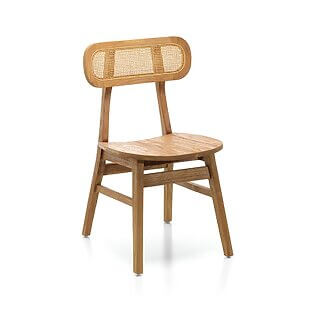
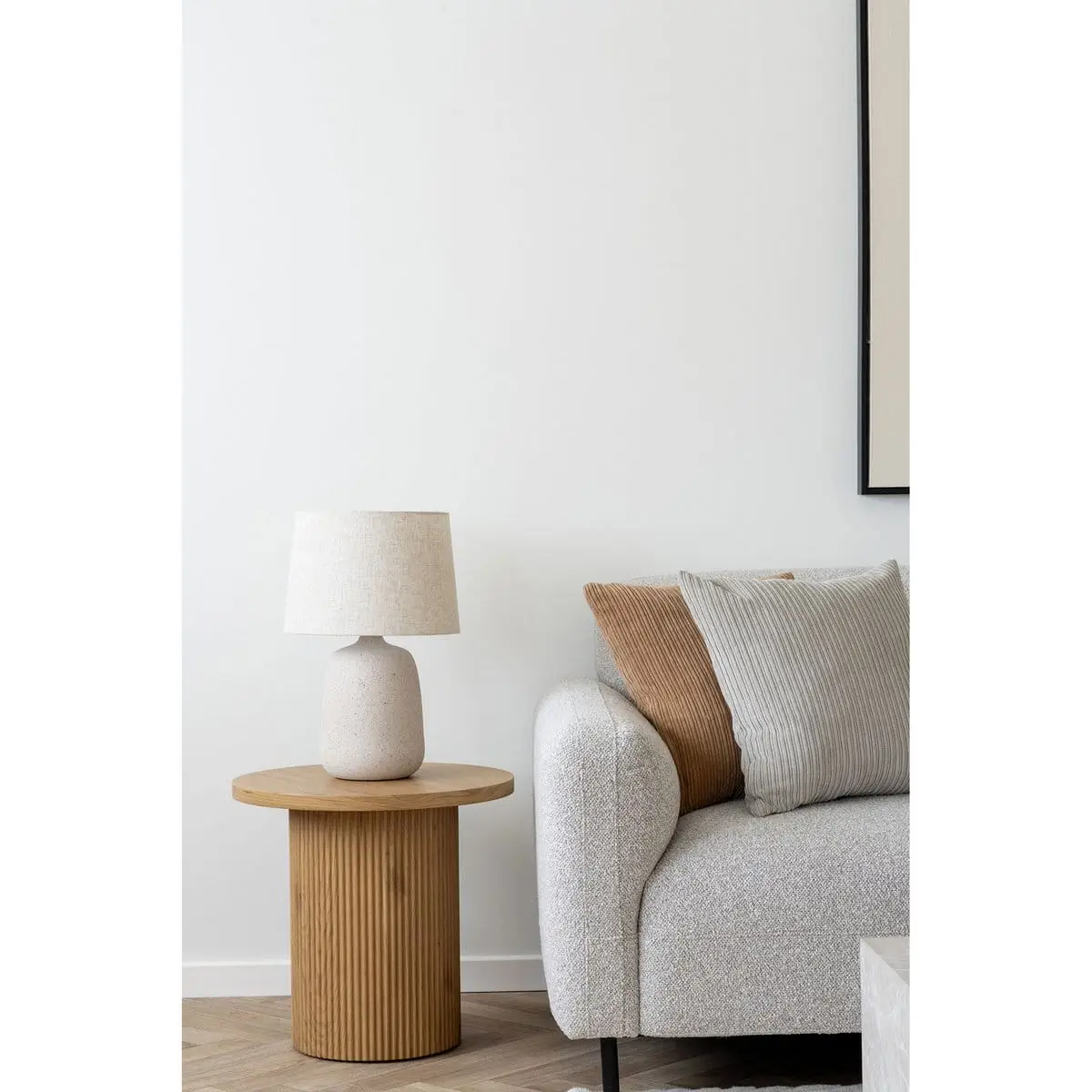
Scandinavian interior design is characterized by functionality, clean lines, and simplicity. Originating in the 1950s, it is based on a love of nature and primarily uses natural materials such as native woods, rattan, linen, cotton, and leather. The color palette is understated, with white serving as the predominant base color, complemented by light beige, brown, and gray tones.
Characteristic of this type of living are light woods such as birch, spruce, or pine, which create a warm and natural atmosphere. The generous use of natural light is also of considerable importance – especially given the long, dark winters in Northern Europe.
Two ideas have further influenced the Scandinavian style: the Danish “hygge”“lagom” , which highlights a conscious and resource-saving lifestyle.
Boho style / Bohemian chic
The boho style , short for "bohemian ," originated in 17th-century France and originally referred to the unconventional lifestyle of traveling people from Bohemia. After artists first adopted this style in the 19th century, hippies in particular later embraced many of its typical elements. Characteristic of boho chic are earthy tones such as brown, beige, and olive, combined with vibrant colors as accents.
The interior design style thrives on materials like wood, rattan, and natural textiles, as well as a pronounced mix of styles. Various patterns, which can be combined without hesitation, are also typical. Flea market finds, travel souvenirs, and handmade decorative items like macramé and dreamcatchers are particularly popular in the boho look. Plants also play a key role, bringing vibrancy and freshness to the room.
Industrial
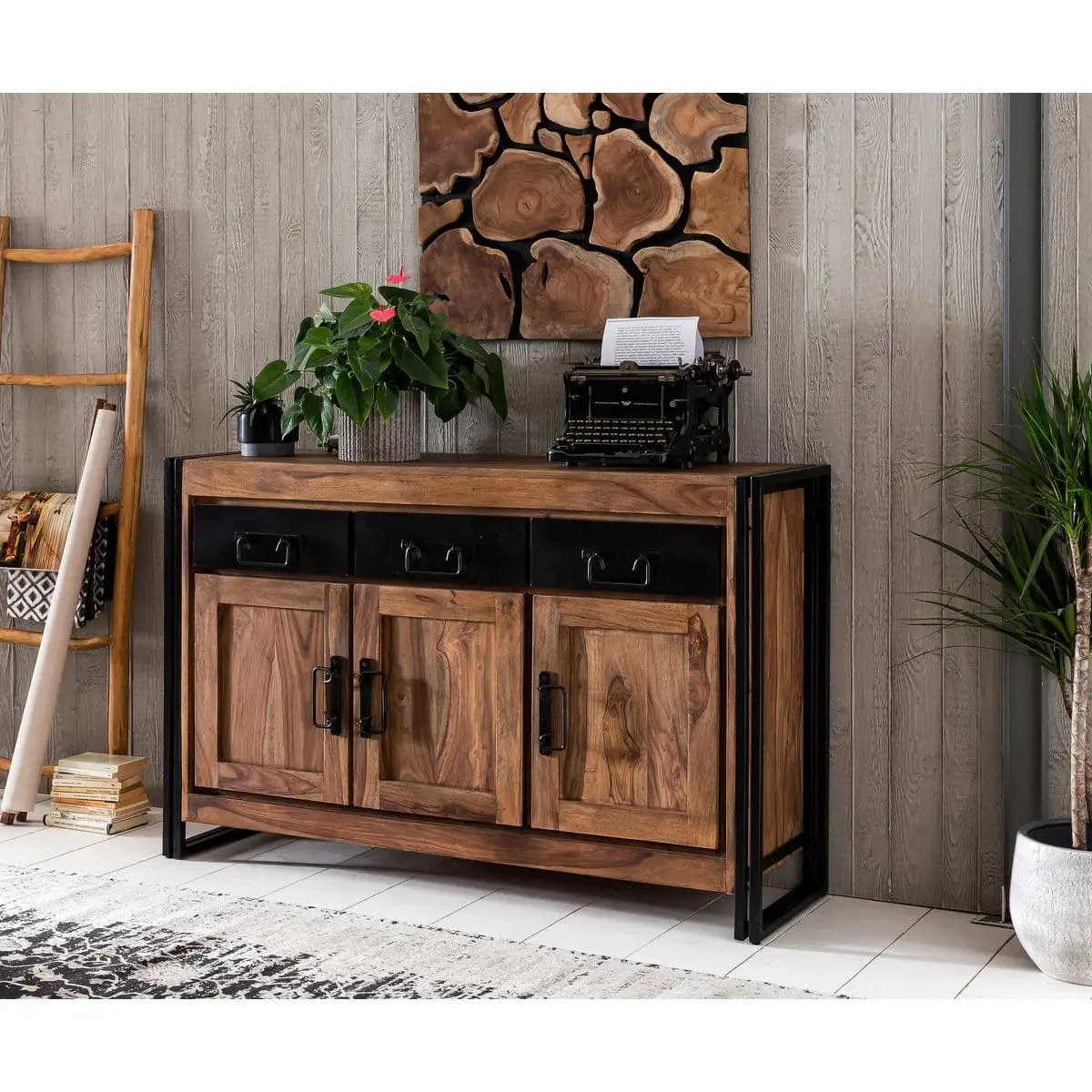
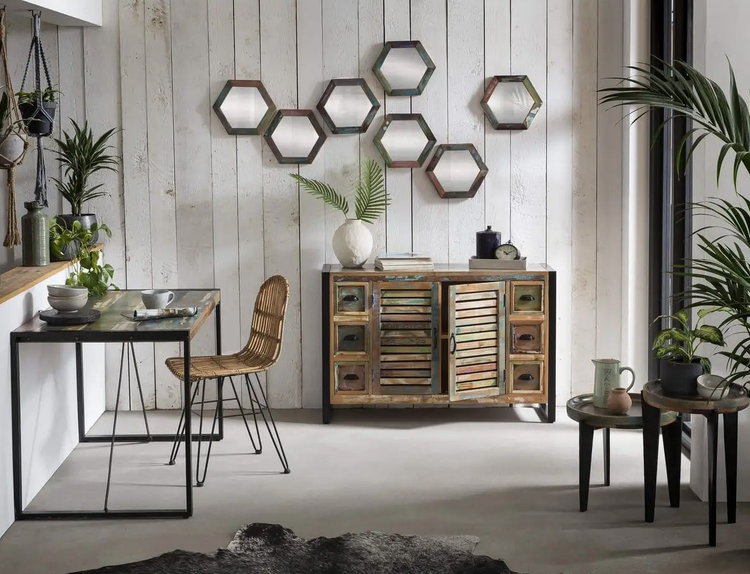
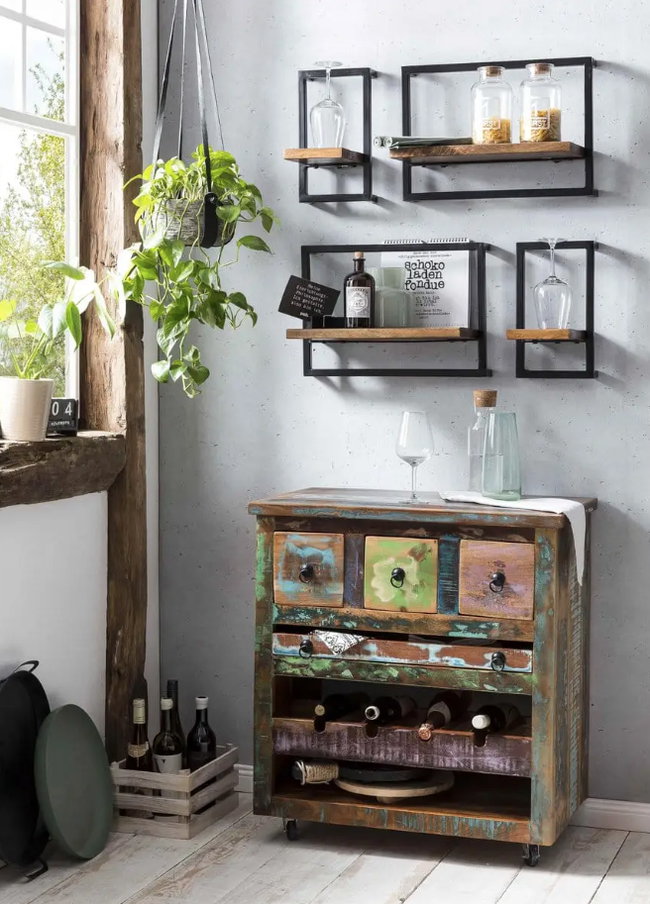
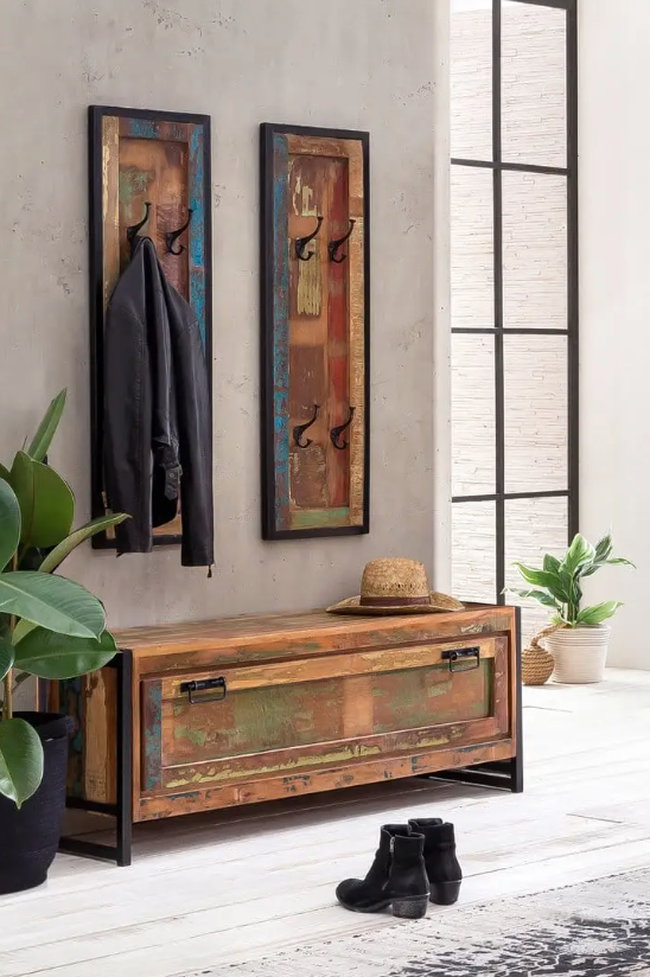
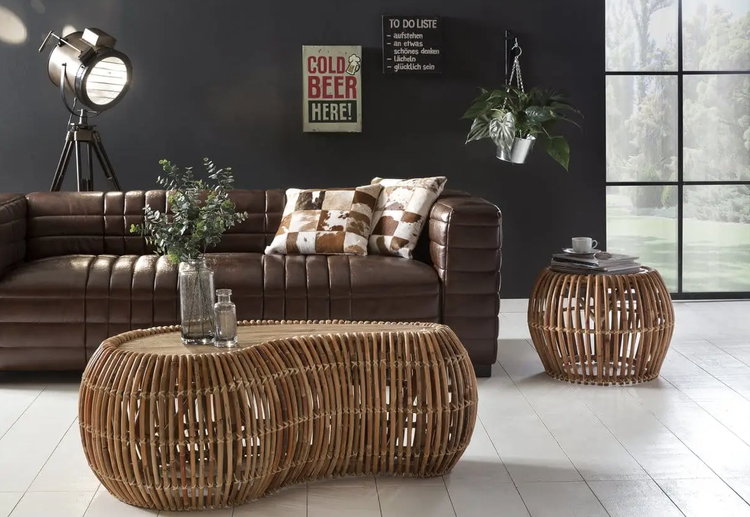
industrial look emerged in the 1960s out of necessity, when artists in metropolises like New York and London transformed abandoned factories into living and working spaces. Instead of concealing structural defects, they opted to deliberately showcase bare brick walls, exposed pipes, and steel structures. The color palette of this style consists primarily of shades of gray, white, and black, complemented by dark rust, green, or blue tones as accents.
The focus is on raw wood, worn leather, and concrete. Industrial-style furniture is often made of metal, steel, or rustic wood and is characterized by its sturdiness and clean lines. Workshop-style pendant lights that provide focused illumination, as well as vintage flea market finds, are particularly striking.
This interior design style unfolds its full effect in spacious, open rooms with high ceilings.
Minimalist
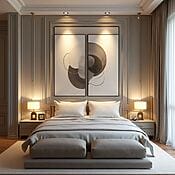
minimalist interior design style to the Bauhaus principle of "less is more ." It's about the right balance of aesthetics and functionality. It's about straight lines, clean forms, and practical space planning. The room primarily features white and light colors, which enhance the feeling of spaciousness and reflect natural light. Gray and taupe can add depth. Black is used deliberately for contrast.
This style is characterized by a conscious avoidance of unnecessary items, not by discarding cherished possessions, but rather by a desire to reconsider one's consumption habits. A simply furnished living room contains only a few pieces of furniture, usually in neutral colors. Quality always takes precedence over quantity.
Country house
The country house style combines old-world charm with modern elegance and originated in 17th-century Great Britain. Today, it is evolving, combining traditional craftsmanship with simple, contemporary design. This interior style uses natural materials such as wood, linen, and stone to create a cozy and inviting atmosphere.
The color palette includes natural hues such as sand, chocolate, and forest, often combined with light tones. Solid wood, especially oak, is prominent and becomes increasingly attractive over time as it develops a beautiful patina.
Popular styles combine simple Scandinavian designs with cozy Alpine elements. These styles are characterized by subtle colors, natural fabrics, and practical furniture. This modern country style not only looks beautiful but also demonstrates a commitment to the environment and the responsible use of resources. Wood sourced from sustainable forestry is highly durable and can last for generations.
Beyond the classic styles, interior design styles have become particularly established in recent years that represent more than just aesthetic choices – they embody entire lifestyles and philosophies. These living concepts offer not only visual guidelines, but also paths to greater well-being and satisfaction in one's own home.
Hygge: Security and warmth
The Danish concept of "hygge" (pronounced "hoo-hoo") represents a deep feeling of coziness, security, and warmth. It's no wonder that Denmark ranks among the happiest countries in the world according to "World Happiness Report ." The Danes are surpassed only by the Finns, while the Scandinavians as a whole perform remarkably well – despite long, dark winter days.
The word "hygge" from Norwegian and roughly translates to "coziness" or "comfort ," but it cannot be translated with a single German term. Rather, it describes a holistic philosophy of life that begins with interior design and extends to all areas of life.
The most important elements of the Hygge interior design style:
Light as the centerpiece : Atmospheric, warm light from candles, fireplaces or dimmed lamps creates a comfortable atmosphere.
Natural materials : Cozy wool blankets, soft leather and solid wood provide rustic charm and warmth.
Color palette : Warm natural tones such as beige, cream and brown form the basis, complemented by neutral colors such as white, black and grey.
Social component : An essential part of the Hygge feeling is being together with friends and family – therefore, cozy seating areas and dining tables are central.
An absolute must in a hygge home is the “hyggekrog” – a cozy corner to retreat to, be it a wing chair or a collection of floor cushions.
Lagom: Finding the balance
The Swedish word "lagom" roughly translates to "the right measure" and originates from an old Viking tradition. The Vikings would fill a communal drinking horn with precisely the right amount of a beverage – enough for everyone, but not too much. It should be "laget om" (enough for the whole crew).
In contrast to the cozy abundance of the Hygge style, Lagom stands for balanced restraint. This interior design style aims to encourage clarity, order, and tranquility, and to promote a more conscious and sustainable lifestyle. Lagom is therefore the exact opposite of excess, hectic pace, and a throwaway mentality.
Characteristic features of the Lagom interior design style:
The golden mean : Neither too much nor too little – functional, selected furniture in neutral, natural colors.
Light and brightness : Sufficient light and a bright room design for a friendly, open atmosphere.
Sustainability : High-quality, durable materials and furniture that lasts for generations.
Balance in all areas : The style focuses not only on furnishings, but on a balanced lifestyle overall.
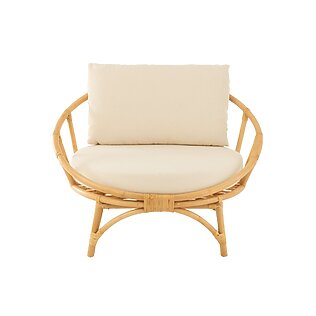
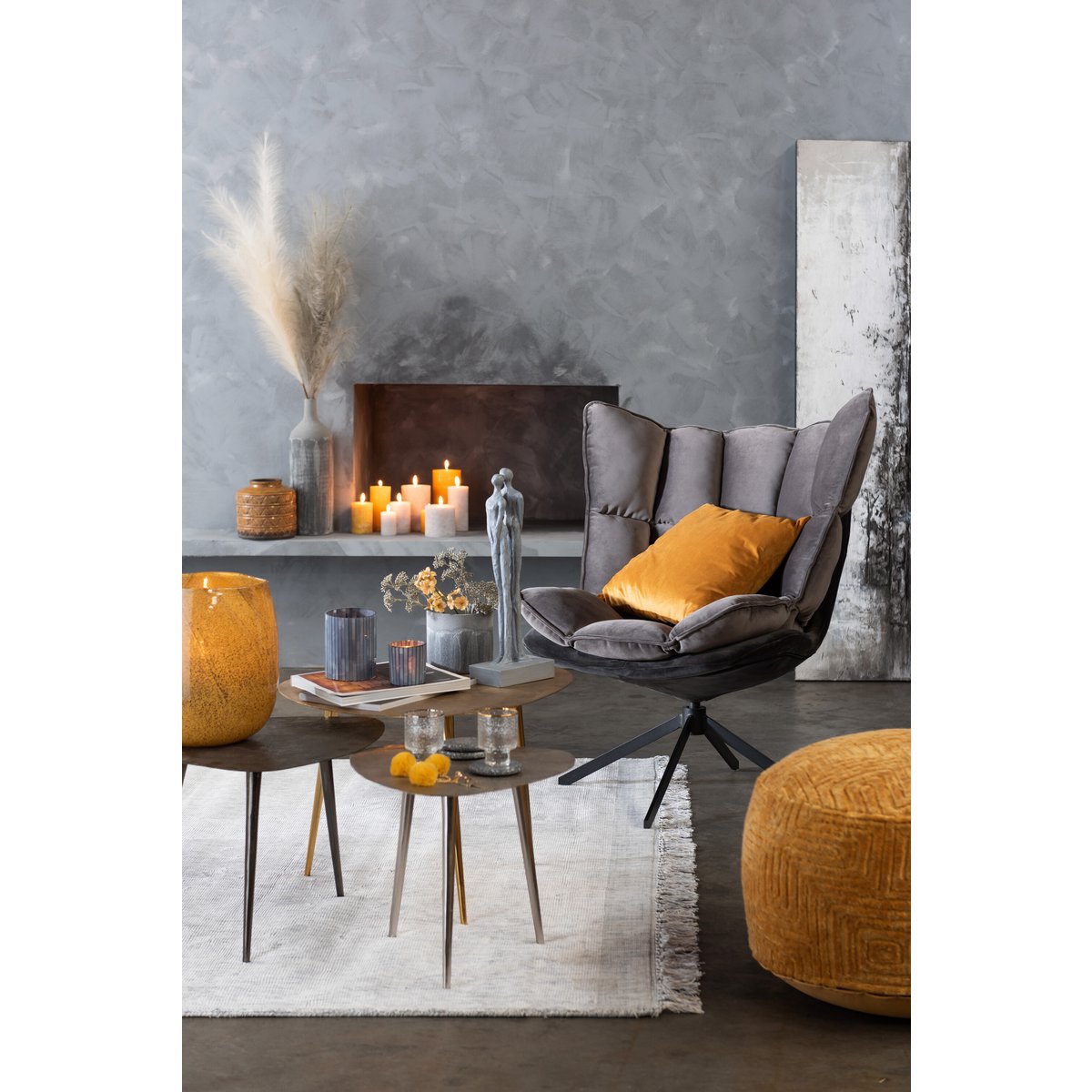
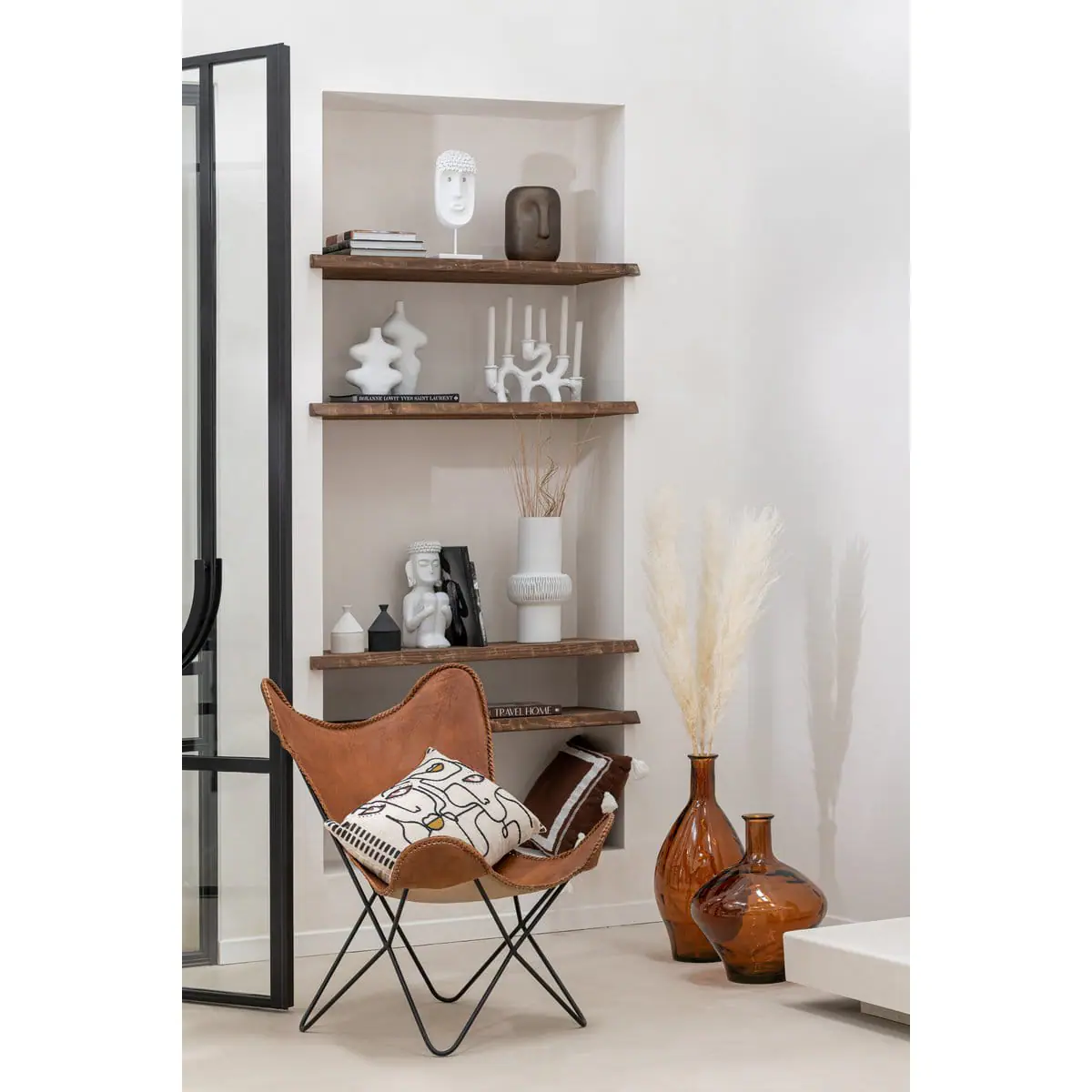
This Lagom style creates a balanced elegance: Here with the J-Line recliner.
Originating in Japan, wabi-sabi apparent opposites: simplicity and depth, clarity and character. Originally, "wabi" sad or lonely, while "sabi" referred to age and patina. Over time, however, the term acquired a more positive, almost poetic meaning – the ability to recognize beauty in imperfection.
Wabi-Sabi is not just an interior design style, but a mindset rooted in Zen Buddhism, which can, however, be wonderfully applied to living spaces.
Key principles are:
Reduction to the essentials : Turning away from soulless consumption and limiting oneself to what is necessary.
Appreciation of imperfection : Traces of use and patina are not hidden, but valued as part of an object's history.
Natural materials : High-quality, local materials in their natural form without any processing.
Visual emptiness : Rooms appear airy and offer space to breathe.
Wabi-Sabi is often described as “imperfect purism” – a liberating departure from the pressure to be perfect, creating space for authenticity and personality.
Ultimately, all three lifestyle-oriented interior design styles share one thing in common: they go beyond purely aesthetic considerations and promote a more conscious, balanced and fulfilling life within one's own four walls.
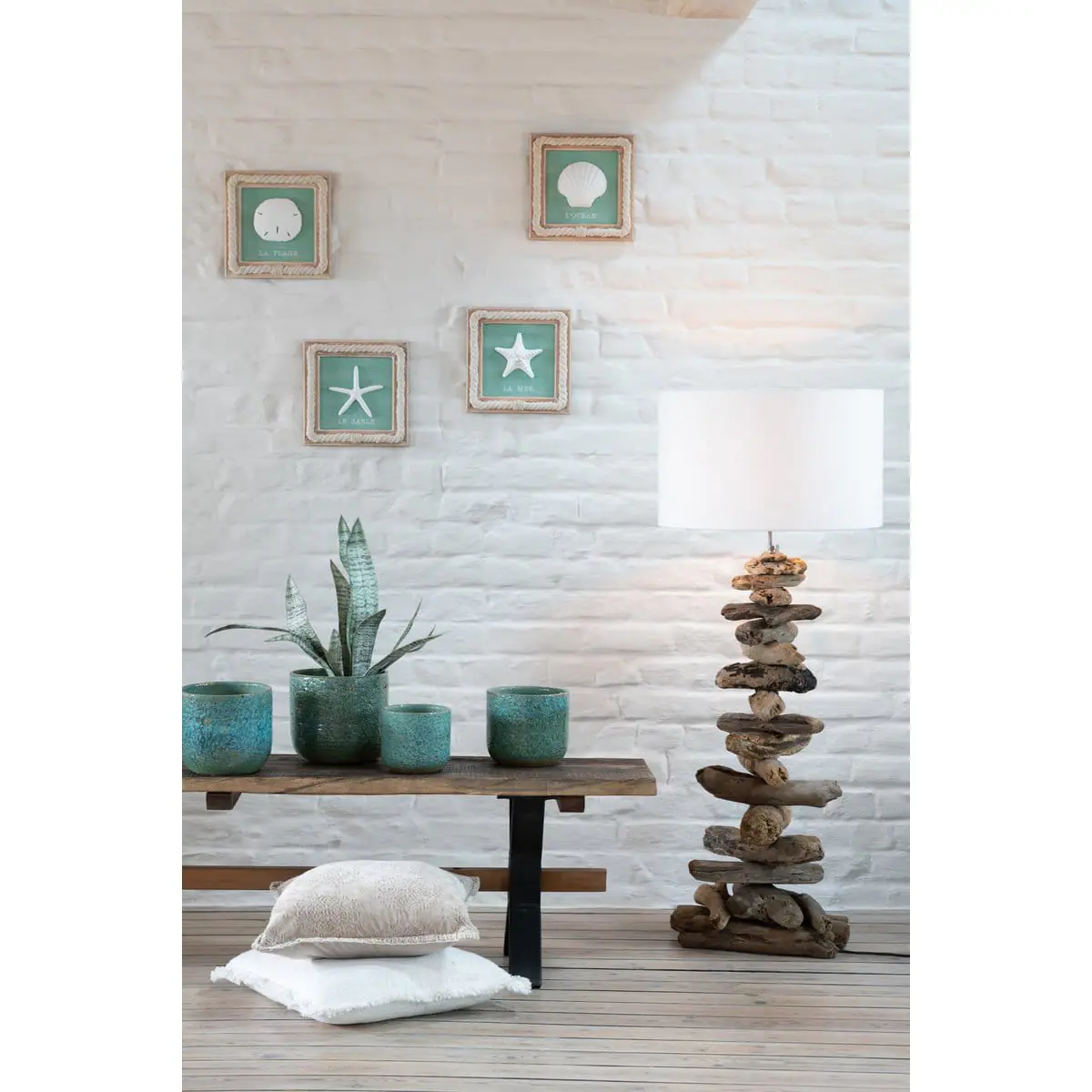
This interior design is inspired by the Wabi-Sabi and Japandi styles. With its turquoise accent color and the J-Line "Floated" floor lamp made of natural driftwood, it also has a Mediterranean feel.
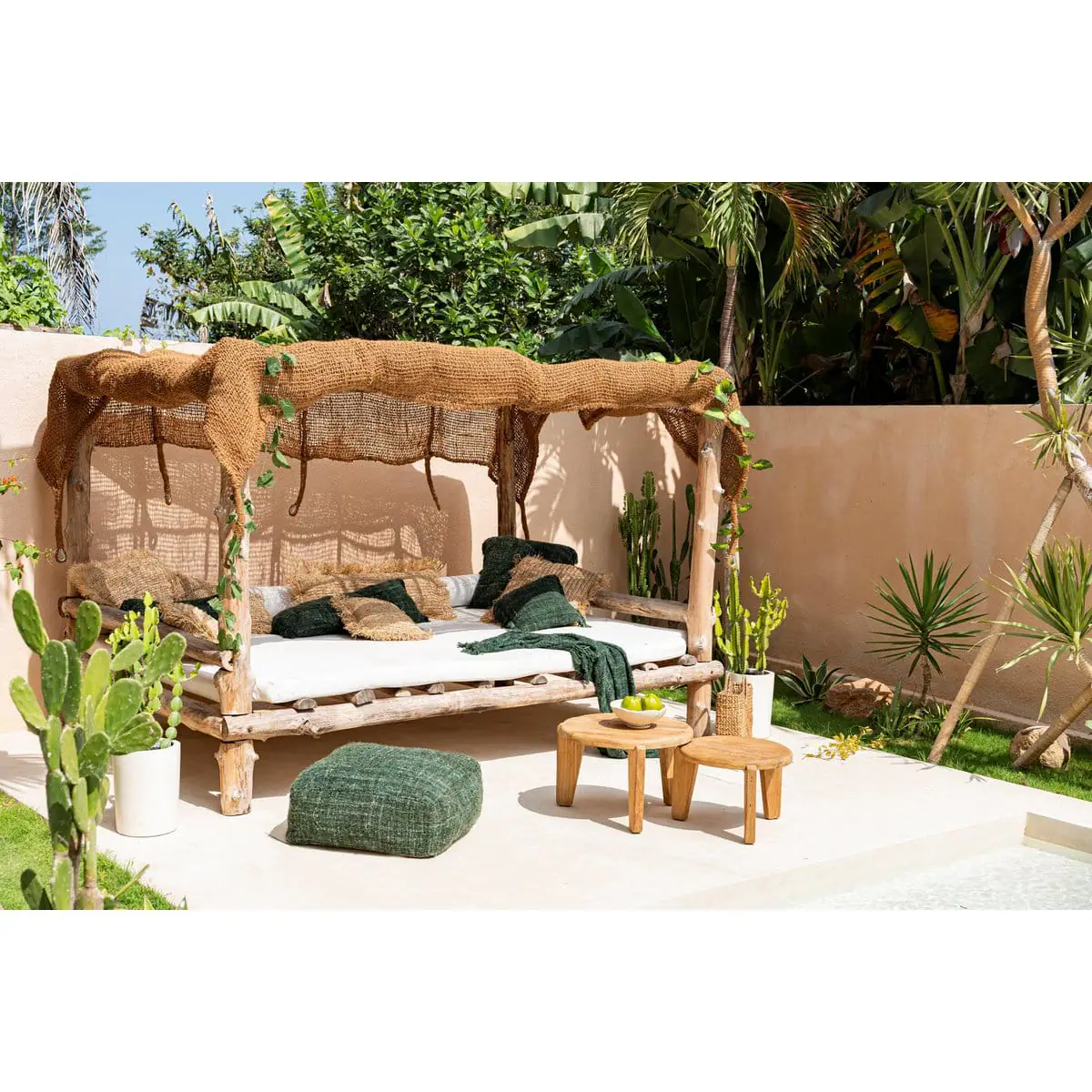
Wabi-Sabi oasis outdoors – here with the “Seseh” coffee table made of recycled teak wood.
Pop Art: An individualistic interior design style with an exclamation mark
The Pop Art is perfect for expressive personalities. Like a thundering storm, celebrating itself and sometimes defiantly challenging – similar to the rebellious art movement that emerged in the 1950s and 60s as a counterpoint to the aloof high culture.
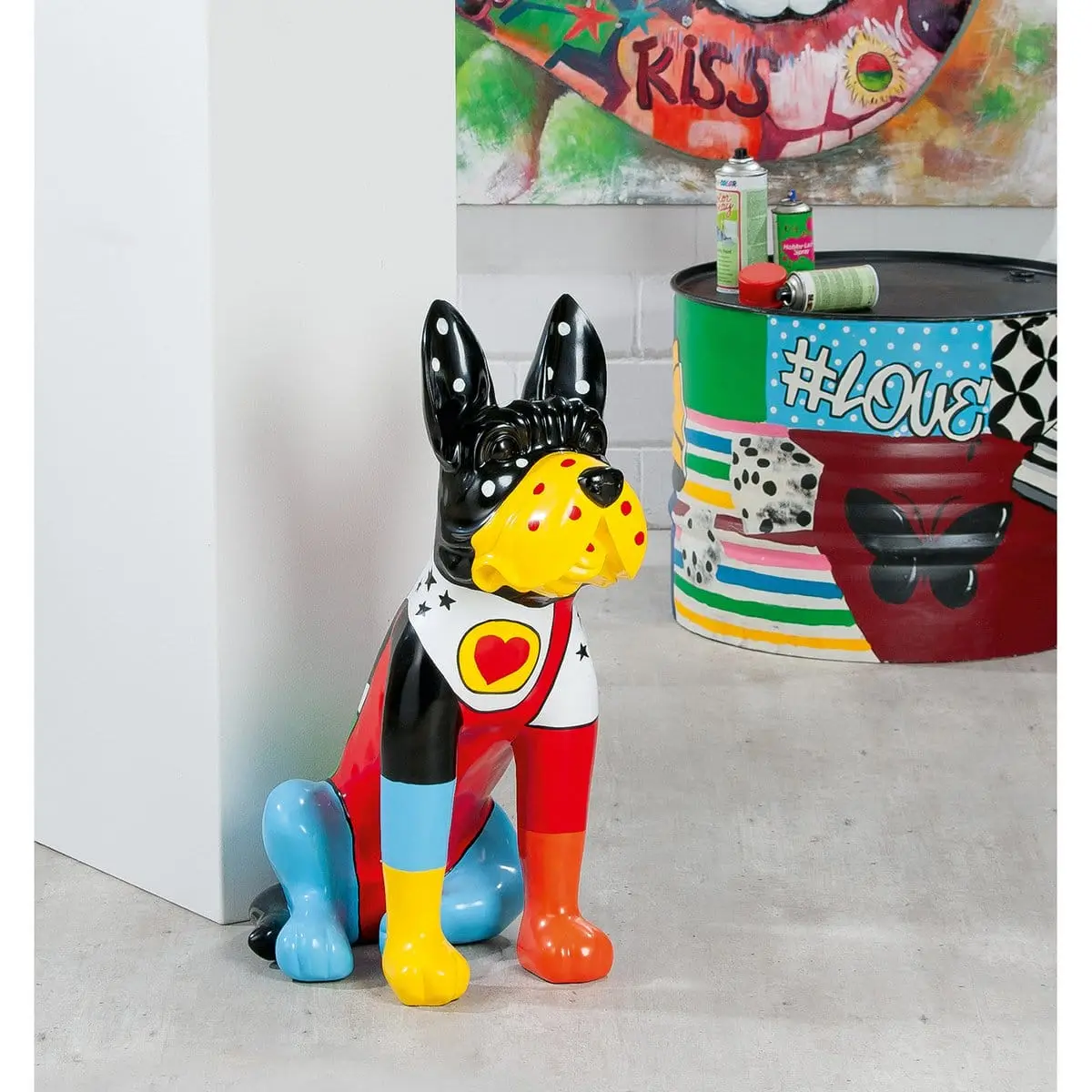
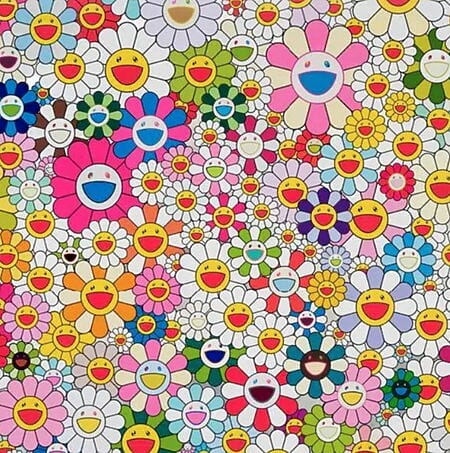
The visual appeal of Pop Art lies in its unique visual expression. Bold colors collide with striking contrasts, and elaborate designs meet exaggerated elements. It's about eye-catching individual pieces that immediately spark lively conversation. The design language is often minimalist, yet never dull – clean lines and geometric shapes create an urban atmosphere.
Pop art skillfully juggles mass culture and transforms banalities into works of art.”
Comic characters, iconic company logos, and media motifs are creatively and rebelliously reimagined. Elegance embraces irony and playfully subverts consumer goods. Those who choose Pop Art as their artistic home create an environment full of energy and joy. The colorful splendor and playful details bring a smile to your face and inject vibrancy into the grayness of everyday life. Especially in minimalist, urban homes, this look breathes unadulterated vitality into your living space.
An added bonus: Pop art is versatile . Individual statement pieces can be easily integrated into existing design concepts without having to completely overhaul the entire space. A striking piece of seating here, an expressive painting there – and you've already made a start.
The factor of individuality and rebellion against conventions should by no means be neglected. The use of Pop Art sends a clear message against uniformity and expresses individuality. This style is for those who have the courage to stand out from the mainstream.
Materials with character
Pop art embraces smooth, shimmering surfaces that reflect light and make vibrant colors appear even more radiant. Plastic in all its forms—from acrylic to polycarbonate—plays a central role in this design. The Plastic Chairs by Verner Panton and Eames were truly legendary symbols of that era.
Precious metals also make a grand appearance, especially in radiant finishes like chrome or polished aluminum. They emphasize the industrial and modern aesthetic of the design and create a captivating contrast to more delicate fabrics. When it comes to fabrics, the brighter the better. Radiant colors and artistic designs on velvety, synthetic, or innovative fabrics are characteristic of Pop Art. Let it sparkle and glitter – metallic effects accentuate the extravagant character.
Furniture as statement pieces
Pop Art design furniture is a real eye-catcher – whether through its unusual shape, vibrant colors, or gigantic dimensions. Legendary works like Salvador Dalí 's "Lip Sofa" or "Ball Chair" are the personified essence of the playful and innovative flair of this movement.
Characteristic features include natural, flowing forms reminiscent of the grace of comic book art. Chairs shaped like lips or hands, sofas with extravagant curves, or tables with organic, asymmetrical lines – here, function and pleasure merge into a harmonious whole. Red, blue, and yellow play the leading roles in the color palette, complemented by striking pink, orange, or lime green.
Often it is the sharp contrasts between dark and light that provide a stage for the colorful splashes of color, allowing them to shine particularly brightly.
Accessories with a wink
The playful nature of the Pop Art style is particularly evident in the accessories. Here, conventions can be broken: oversized everyday objects such as giant lightbulbs used as lamps or XXL lipsticks as decorative items are typical examples.
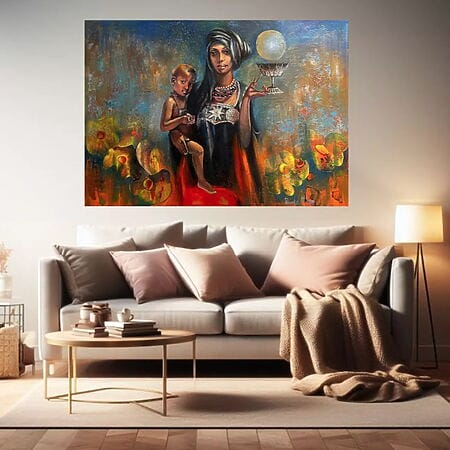
Art naturally plays a central role – large-format prints in the style of Roy Lichtenstein or Andy Warhol are part of the standard repertoire. Comics, advertising, and film stars provide the motifs, which are often rendered in vibrant colors and with halftone dots.
Typical accessories include:
Large-format pop art prints and canvases
Design objects with a comic book character
Reflective or metallic sculptures
Pillows with graphic patterns or speech bubbles
Unusual lamps with unusual shapes
Decorative objects related to pop culture
Pop art definitely brings color and joy to everyday life – a style of interior design that never gets boring and always surprises the viewer.
Shabby Chic: Interior design style with nostalgic charm
Shabby chic enchants with its poetic blend of nostalgia and lightness. This interior design style originated in Great Britain in the 1980s and has lost none of its special charm since. The basic idea is as simple as it is captivating: what looks old and used tells a story and creates a warm, vibrant atmosphere.
What makes shabby chic so distinctive is its wonderful imperfection. Here, the traces of time are allowed – indeed, encouraged – to be visible. Chipped paint, slight signs of wear and tear, and a gentle patina are not flaws, but rather tell stories of bygone eras and lend the rooms a special depth.
The color palette is predominantly light. White in all its shades, from chalk to ivory, dominates and is complemented by delicate pastel tones such as rose, light blue, or lime green. These soft tones create an airy, bright atmosphere that makes the room appear larger and more inviting.
Shabby chic beautifully combines the romantic with the practical. It creates a feel-good atmosphere that is simultaneously elegant and cozy, playful and functional
The aesthetic is reminiscent of French country houses or English cottages – timelessly beautiful and full of grace.
Those who succumb to the charm of shabby chic value durability and uniqueness. Instead of constantly acquiring new furnishings, existing pieces are spruced up, transformed, and imbued with a touch of new magic. Through artistic brushstrokes and gentle renovation, antique chests, armchairs, or display cabinets acquire a unique personality.
An added bonus: Shabby chic is forgiving of minor imperfections and even becomes more attractive over time. Unlike other interior design styles that view every scratch as an eyesore, in shabby chic, every scratch is lovingly integrated into the overall aesthetic. This makes it particularly suitable for families and everyday use.
The blending of diverse styles, patterns and structures creates a truly unique interior.
Materials with a history
In shabby chic, natural fabrics reign supreme, lending it its cozy, authentic flair. Wood takes center stage – from rustic oak to graceful birch. It is crucial that the wood surfaces are either authentically aged or artificially given an "antique" appearance , for example, through sophisticated finishing techniques such as the famous "distressing ." Fabrics are equally important, imbuing the rooms with softness and comfort.
The preferred materials are linen and cotton in soft, natural shades. Exquisite embroidery and floral patterns emphasize the romantic touch of this look. Metals like iron or brass are welcome to develop a sophisticated patina or deliberately adopt an antique style. Traces of rust or a slightly dull surface are encouraged and accentuate the nostalgic charm. Delicate colors and playful patterns also adorn porcelain, ceramics, and enamel in shabby chic style.
Furniture with character
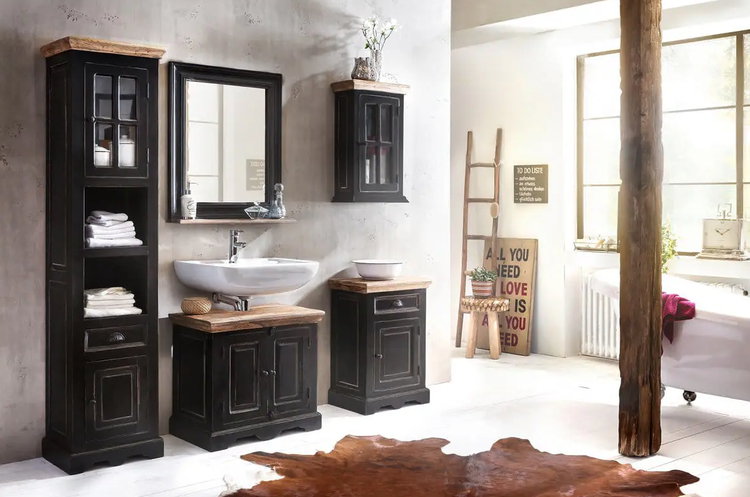
Shabby chic furniture typically has a vintage or antique character. Chests of drawers, wardrobes, and sideboards in the French or English country style are typical. A characteristic feature is the light, often white, color scheme, where the paint is deliberately applied unevenly to achieve a worn look.
Popular techniques include sanding the edges to reveal the underlying wood or previous layers of paint, and craquelure, which creates fine cracks in the surface. These techniques give new furniture a nostalgic look.
Typical pieces of furniture include:
Serving platters and buffets with curved lines
Beds with high, often upholstered headboards
Armchairs and sofas with plush upholstery and light-colored covers
Solid wood dining tables with signs of wear
Chairs with turned legs and woven seats
Rocking chair made of wood or metal
Mirrored dressers and dressing tables
Accessories with soul
Accessories are what truly bring shabby chic to life and make it cozy. They tell stories, evoke memories, and create a personal atmosphere. Floral elements are particularly important – fresh flowers in enamel pots, dried herbs, or artificial rose bouquets bring nature indoors.
Vintage flea market finds, old photographs in delicate frames, or antique mirrors with slightly opaque surfaces underscore the nostalgic character. Candles in various sizes provide warm light and a romantic atmosphere.
Typical accessories include:
Lace doilies and crocheted table runners
Enamel jugs and bowls in pastel colors
Shabby chic picture frames with patina
crystal or porcelain chandelier
Vintage cushions with ruffles or floral patterns
Old metal signs with faded lettering
Antique Watches and Candlesticks
The connection between past and present is as appealing as it is complex in shabby chic. It creates spaces that, despite their nostalgia, appear contemporary and radiate a wonderful blend of romance and coziness.
Interior design styles by region
Regional interior design styles transport us mentally to other parts of the world and bring their cultural characteristics into our own homes. They tell stories of traditions, climatic conditions, and historical developments from different countries and continents.
Japanese – the design language of the rising sun
Japanese interior design is distinguished by its exceptional simplicity and deep connection to nature. Minimalism emphasizes the core elements of this design style by highlighting the essential and eliminating the superfluous. Striking features include clean lines, simple furniture, and organic materials such as wood, bamboo, stone, and paper, which create a calm and relaxing atmosphere.
The Japanese concept of "Ma" emphasizes the importance of stillness and spaciousness in interior design and forms the core of Japanese living concepts. Space is not cluttered; instead, room is deliberately left to create a balanced atmosphere. The color palette features understated nuances, characterized by soft earth tones such as ivory, sand, marble, and wood, thus creating a calming ambiance.
Traditional components such as tatami mats, low tables, and floor cushions are simple and functional furnishings that focus on the essentials. Both light and shadow play a crucial role, drawing their creative energy from the philosophy of Zen Buddhism .
Mediterranean – in the style of the Mediterranean region
The Mediterranean interior design style lends the home the pleasant lightness and warmth of the South. It combines influences from various Mediterranean countries, with Italy, Spain, Greece, and the South of France being particularly prominent. The sea and characteristic natural materials are always the unifying elements.
Typical are earthy tones such as brick red, mustard yellow, and desert sand, paired with cozy creams, moss green, or vibrant ocean blue. Raw woods like pine or oak, ceramics, terracotta, stone, and marble, combined with delicate fabrics of linen or cotton, dominate the scene.
Each country has its own fascinating characteristics: In Italy, elegant simplicity and fine fabrics are highly valued; in Spain, rustic, expressive elements with a touch of Moorish influence dominate; and in Greece, the characteristic white and blue combination represents freshness and clarity. Provence combines the relaxed atmosphere of the Mediterranean with the charm of a French country house, where lavender and sage are particularly prominent.
British – a touch of English tea culture
British interior design is characterized by a vibrant mix of styles (keyword: eclectic style mix ), harmoniously blending diverse influences from England's history. At its core lies a crucial aspect: comfort . Plush sofas, numerous delicate light sources, and an impressive fireplace are of particular importance in creating this atmosphere.
Typical of British interior design is the successful blending of:
Various patterns such as floral, checkered and baroque decorations
Organic materials such as wood, stone and animal hide
Warm colors such as red, orange, brown or green
Essential elements definitely include an elegant Chesterfield sofa in a dark color, extravagant patterned armchairs, a magnificent fireplace mantel, and imposing bookshelves made of solid, dark wood. Furthermore, cozy wool blankets, flickering candles, and green plants in antique containers should not be forgotten, as these instantly transform any space into an inviting atmosphere.
Colonial
In the 19th century, the colonial style from the bold idea of European settlers to celebrate their architectural flair in the colonized territories by blending native building methods with exotic accents. This gave rise to a style that artfully combines exotic elements with traditional European flair.
Fine dark woods such as mango, mahogany, or teak define the look and are often used in the manufacture of colonial furniture. These are complemented by delicate natural materials like bamboo, rattan, sisal, and coconut fibers, which create an airy atmosphere.
This interior design style is characterized by a fascinating interplay of colors and patterns from a wide variety of styles. Asian floral motifs are combined with graphic ornamentation from Africa, while oriental paisley patterns French toile de Jouy .
The overall concept is kept very natural, but can certainly be accentuated by warm color nuances such as turmeric yellow, terracotta or red.
Interior design styles for the living room
The living room, the heart of the home, offers the ideal opportunity to express one's personality through the right interior design style. It's where we spend time with loved ones, relax after a long day, and find inner peace. Therefore, choosing the right interior design style for this room is of great importance.
Which styles are a particularly good fit?
for the living room . Nevertheless, certain styles have proven particularly popular and functional for this living space. Currently, two styles are especially popular: Scandinavian and Japandi .
In living spaces, the Scandinavian interior design style with its successful combination of functionality and comfort. The clean lines and light colors create structure and tranquility in everyday life. Characteristic of this style are furniture made of solid wood, crafted from spruce, birch, or pine, which are combined with richly textured fabrics such as wool, leather, and plush throws.
The Japandi style combines Scandinavian minimalism with Japanese aesthetics, using natural materials and warm earth tones. This interior design trend unites sustainability and high-quality design, focusing on natural materials and timeless forms.
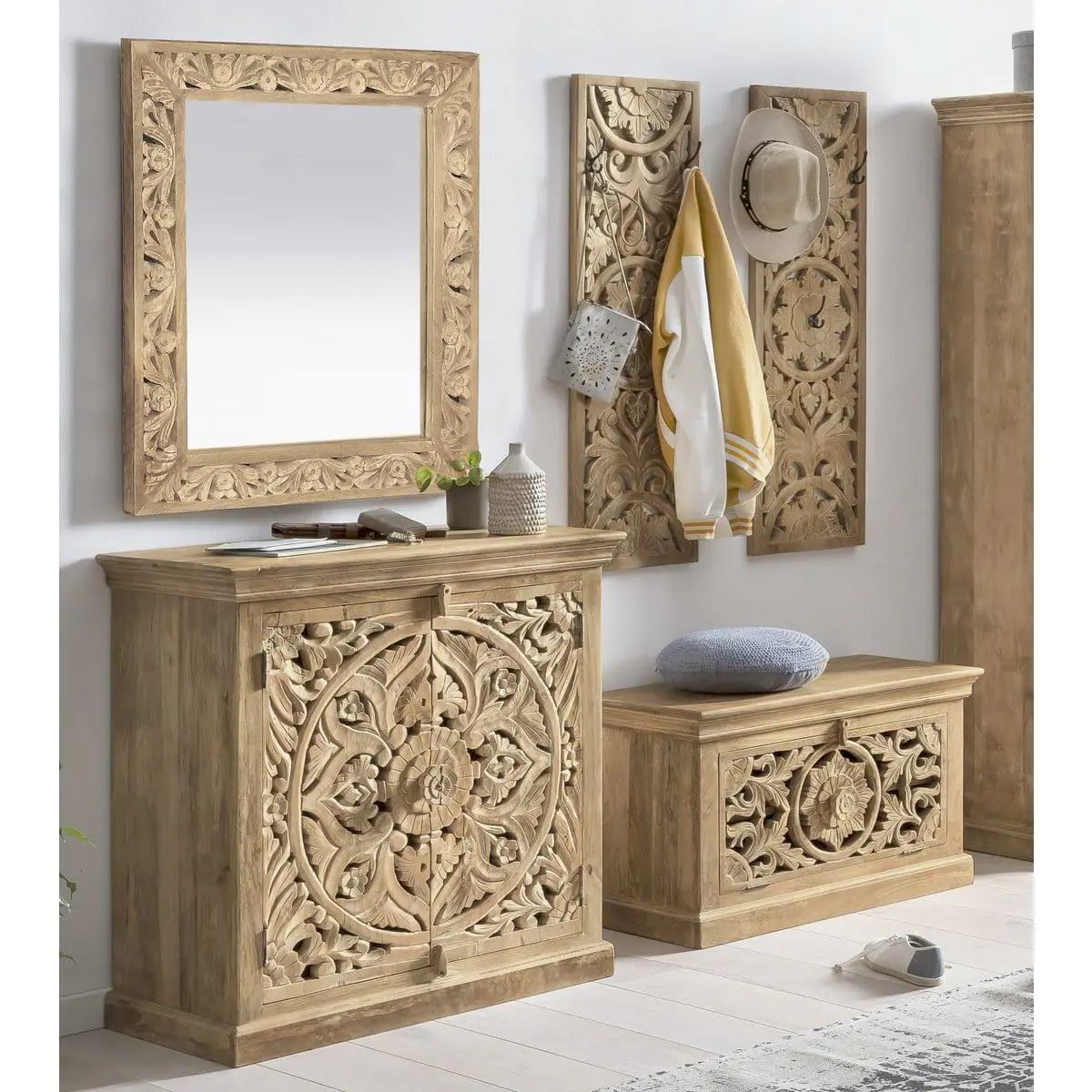
boho style is also ideal for the living room, creating a relaxed and creative atmosphere through vintage furniture, handwoven textiles and oriental ornaments.
In contrast, there is the minimalist style , which, through its simple aesthetics and practical orientation, provides clarity and serenity.
Ultimately, the country house style in the living room creates a cozy atmosphere through rustic wooden furniture, natural materials and warm colors, and can also be harmoniously combined with other styles.
Tips for implementation in the living area
When implementing a furnishing style in the living room, the room size and architecture should first be taken into account, as these determine how furniture can be distributed and shelves can be attached.
The following practical tips will help with successful implementation:
Think through your lighting concept : Good lighting is essential in the living room, as it significantly impacts well-being. Especially when the living room, dining area, and kitchen flow seamlessly into one another, it's worthwhile to use several different light sources. Floor lamps, table lamps, or other floor lamps perfectly complement a large ceiling light and create different mood zones.
Consider room proportions : Multifunctional furniture is recommended for small rooms, while large rooms can be furnished with opulent upholstered furniture and sculptural storage furniture.
Choose furniture carefully : Furniture is not only functional, it also shapes the atmosphere of a room. The selection should suit both the room size and your personal style. A comfortable sofa often forms the centerpiece of the living room and should be chosen with particular care.
Developing a color concept : Wall color plays a crucial role in the overall effect of a room. Depending on the interior design style, different color palettes are suitable – from Scandinavian white to warm earth tones and bold accent colors in the boho style.
Add a personal touch : Accessories and decorative elements give the room the finishing touch and underline your personal style. However, remember: Plan your decorations carefully and avoid cluttering the room so that each element can have its effect.
Use living room planners : Programs and digital planners make it easier to implement ideas and help to find the ideal combination of design and function.
Regardless of the chosen style, the living room should above all be one thing: a place of well-being and relaxation that conveys the feeling of coming home.
Combining styles: How to make the mix work
Combining different interior design styles in one room can fill a home with personality and character. While blending styles creates depth and visual interest, there are some basic principles to keep in mind to prevent the mix from appearing chaotic.
Rules for harmonic combinations
Combining different interior design styles requires a unifying element to be successful. This could be a consistent color scheme that exudes calm and harmony. Deep, earthy tones such as fir green, aubergine, or midnight blue are particularly effective in creating a sophisticated and relaxed atmosphere.
Another principle is the 80/20 rule : If, for example, 80 percent of the furnishings in a room are in a modern style, it is possible to emphasize 20 percent with vintage or boho elements without dominating the overall design.
It is also advisable to limit the number of styles to a maximum of three . An excessive number of styles quickly leads to visual clutter, while two to three are considered a balanced mix. Designers use the term "visual echo" to describe the subtle repetition of certain design elements in different parts of the room to create a harmonious connection.
Examples of successful style mixes
Here are some examples of successful combinations of different interior design styles that can be considered inspiring. Some style combinations show a particularly harmonious match when brought together:
Scandinavian and Industrial
Scandinavian and industrial are two distinct design styles, each characterized by its own unique features. Scandinavian design is defined by clean lines, light colors, and natural materials, while industrial design often features light-colored wooden furniture with clean lines, combined with rough metals and dark accents. A light wood dining table paired with metal chairs already creates a successful blend.
Minimalist and Boho
Minimalist and boho are two distinct design styles characterized by their understated elegance and natural aesthetic. The well-structured and uncluttered design of minimalism provides an excellent foundation for integrating carefully selected boho elements, such as vibrant and colorful fabrics and artfully handcrafted embellishments.
Classic and Modern
Antique furniture pieces, such as a secretary placed next to a modern designer armchair, can create fascinating contrasts that can be linked together by sharing a common color scheme.
Minimaluxe combines minimalism with luxurious elements. This interior design stylerelies not only on clean lines and reduced forms, but also on warm, neutral colors that bring coziness and elegance to the living space.
Mediterranean meets country house: A harmonious mix of styles full of joie de vivre
The fusion of southern lightness and rural coziness creates a living style that unites the best of both worlds: the radiant freshness of the South and the homely comfort of country life. This blend of styles unleashes an organic symbiosis reminiscent of holidays in Provence or Tuscany – rustic, authentic, and brimming with joy.
What wonderfully unites these two styles are their shared core principles: Both cherish authenticity, craftsmanship, and a certain aura that speaks of past experiences. Both value natural fabrics and create a comfortable, inviting atmosphere. The lightness of the Mediterranean influence lends the somewhat ponderous, traditional country style vibrant colors and sunny accents.
The color palette of this style mix unites the earthy, warm nuances of two worlds: Delicate cream and beige tones form the ideal foundation, complemented by the distinctive Mediterranean white and terracotta. These are joined by the cozy shades of olive green and ochre yellow, as well as the soft blues reminiscent of the southern sky and sea. Gentle nuances of lavender and rosemary add subtle splashes of color, and the two styles complement each other perfectly.
A successful furnishing scheme in this style mix combines the coziness of the country house style with the airy elegance of Mediterranean furnishings.”
As a general rule: The larger, more substantial pieces of furniture can come from the country house style, while smaller elements and accent furniture bring in the Mediterranean touch.
Seating can be comfortable and inviting, as is typical for the country house style, but with lighter, airier upholstery in Mediterranean colors. A cream-colored sofa in the country house style instantly takes on a more southern feel with cushions in olive green, terracotta, or Mediterranean blue.
Characteristic furniture pieces for this style mix include:
Solid wood tables with a patinated surface
Open shelves for displaying ceramics and accessories
Chests of drawers and cabinets in muted colors with hand-painted details
Mixing styles comes with a few common pitfalls. First, avoid throwing everything together haphazardly. Otherwise, rooms can quickly become unbalanced – and so can their inhabitants.
Another common mistake istoo much decoration . When it comes to patterns, the rule is: the more striking and large-scale the pattern, the more understated the surrounding decor should be. If you love floral and exotic motifs on cushions and curtains, stick to that theme and combine them with solid-colored elements.
Finally, one should also pay attention toproportions : Large, dominant pieces of furniture from one style should be complemented by more delicate elements from another style in order to achieve a harmonious room effect.
Sustainability and style: Can they go together?
The question of sustainability is gaining increasing importance in the interior design industry. More and more people are interested in environmentally friendly living concepts that are also aesthetically pleasing. But can sustainability and stylish design truly go hand in hand?
Natural Luxury and Upcycling
Natural Luxury combines environmental awareness with high-quality furniture design, emphasizing eco-friendly production and durability. Instead of following fleeting furniture trends, this approach focuses on timelessly simple designs made from sustainable raw materials and produced locally. At the same time, traditional furniture craftsmanship is experiencing a renaissance.
Leading brands like the Danish furniture manufacturer Bolia place nature at the heart of their collections. Their modular sofas from the Aya series combine luxurious aesthetics with sustainable craftsmanship. The Spanish design brand Let's Pause , creating elegant furnishings with minimalist designs made from poplar wood and halfagras.
Furthermore, upcycling increasing importance – the creative reuse of materials that were originally considered waste. The Flemish manufacturer BIC Carpets proves with its Haven carpet, which of 60 percent recycled nylon from old fishing nets, that sustainability can indeed be elegant.
The design brothers Fernando and Humberto Campana transform everyday objects into artistic pieces of furniture, as demonstrated by their Bambu table lamp with a natural rattan shade.
Durable materials and furniture
Sustainable furnishing primarily means investing in quality and durability. Solid wood furniture is a prime example – it consists of a renewable resource and, thanks to its robustness, contributes to reducing resource consumption. High-quality wooden furniture can last for generations and often even becomes more attractive with age.
Besides wood, other natural materials such as linen, wool, cork, and leather play an important role. They are not only durable but also create a pleasant indoor climate and develop a unique patina over time. Instead of mirror-smooth, high-gloss fronts, soft, matte surfaces are increasingly being used.
Those who want to live sustainably should also look for certifications such as the "Blue Angel," which identifies pollutant-free and environmentally friendly products. When choosing wooden furniture , FSC or PEFC labels proof of sustainable forestry.
Ultimately, sustainable and high-quality furniture is not only an investment in our well-being, but also in the future of our planet. Let's hope that natural luxury soon becomes not just a trend, but a standard in the furniture world.
We asked experts
During the research phase and as valuable advisors for this article, we were assisted by a number of experienced interior design professionals. We would like to acknowledge their expert opinions here.
Ayten Nadeau, founder of I-TEN DESIGNS
Ayten Nadeau, founder of I-TEN DESIGNS
Ayten Nadeau, an interior designer of German descent, "Interior Architecture" program and shortly afterwards founded the full-service design studio I-TEN Designs .
"As a concept designer, I never start with a style. I start with the person. My job is to translate how someone lives and what they love into a visual and spatial language. Design gains meaning when it reflects the individual. Most clients don't ask for a specific style.".
Some people think they like "modern" or "traditional," but these are often just starting points. What guides the process are more personal clues: the way they describe comfort, the textures that attract them, how they want to feel in their space, or an art collection that shapes the conceptual framework.
Many of my projects combine more than one style in a way that feels seamless, or they are rooted in coastal life while adding richness and dimension without disturbing the overall flow – unmistakably right for the people living there.”
Dotan Trabulsi, founder of Optimal Home Remodeling & Design
Dotan Trabulsi
Dotan Trabulsi is the owner of Optimal Home Remodeling & Design , a San Diego-based company known for combining personal style with practical elegance.
His structured approach includes the following steps:
Lifestyle Discovery – We begin by looking at how the homeowner lives: family needs, routines, and emotional connection to the space.
Visual direction – We test mood boards and curated images to identify strong style responses (Scandi, Japandi, Mid-Century, etc.).
Functional orientation – We apply style to layout and flow – Design should complement the actual use of a space.
Layering elements – We anchor ourselves with key pieces of furniture and then personalize them through accessories, lighting, and texture.
Harrison's top tip:
“Start by thinking about how you want to feel in the room – peaceful, energized, grounded – and let that guide your design.”
Dexter, Marketing Interior Decorator at Mandaue Foam Industries
Dexter, Mandaue Foam Industries, Inc
Dexter is a freelance interior designer and former virtual staging specialist. He currently works as a marketing interior designer at Mandaue Foam Industries, Inc. His background includes designing residential interiors and condominium fit-outs with a keen eye for detail and a passion for incorporating trends into cohesive, stylish spaces.
“When I help homeowners find their perfect interior design style, I always emphasize a structured yet personal approach that suits both their lifestyle and their aesthetic preferences.
Know your style (or style mix): First, identify your design preferences, whether modern, minimalist, rustic, Scandinavian, or even a blend of several. It's perfectly acceptable to combine styles as long as the overall composition is harmonious. My role as a designer is to guide the client toward harmony between these elements while respecting their personal taste.
Create a mood board: This serves as a visual guide for the entire room. Include your preferred color palettes, textures, patterns, and references for furniture and accessories. Mood boards help solidify the overall atmosphere of the room and align decisions with your intended look.
Plan room by room: Think about your lifestyle and how you use each room. This will help you determine which rooms to prioritize and which furniture and accessories are essential. Functionality should never be sacrificed for aesthetics.
Choose carefully: From large pieces of furniture to the smallest accessories, every item should support your chosen style and be appropriate for the size of your room. Good lighting, for example, is more than just decorative; it sets the mood and accentuates your design choices.
Be realistic with your budget: Set a budget range early on. A clear budget ensures you can allocate funds for essential pieces like beds, sofas, and lighting, while still leaving room for accessories and styling. Don't be afraid to invest in high-quality, long-lasting items and combine them with affordable finds for styling and layering.
Ultimately, the perfect design style is one that reflects your personality while supporting your daily needs. It's about creating a space you love coming home to and that feels unique
Closing remarks
Different interior design styles not only influence the appearance of our living spaces, but also how we feel in them and how we perceive our quality of life. Consequently, it is crucial that the chosen style aligns with our identity. As we have seen, finding one's own interior design style requires time and honest self-reflection. Professional guidance is always helpful.
To discover your ideal interior design style, mood boards, style quizzes, and an honest inventory can be very helpful. Ideas of coziness, balance, and beauty in imperfection show us that interior design is more than just visual – it reflects feelings and philosophies.
Ultimately, a home should primarily serve the people who live in it. A harmonious interior design style is not only created by following trends, but also by considering one's own needs and preferences.
Which interior design style is timeless and sustainable?
A timeless interior design style is characterized by timeless designs, high-quality materials, and a subtle color palette. Solid wood furniture and fabrics made from natural materials such as cotton or linen are particularly environmentally friendly and durable, as they last for a long time and gain individual charm over time.
How can I make my apartment more luxurious?
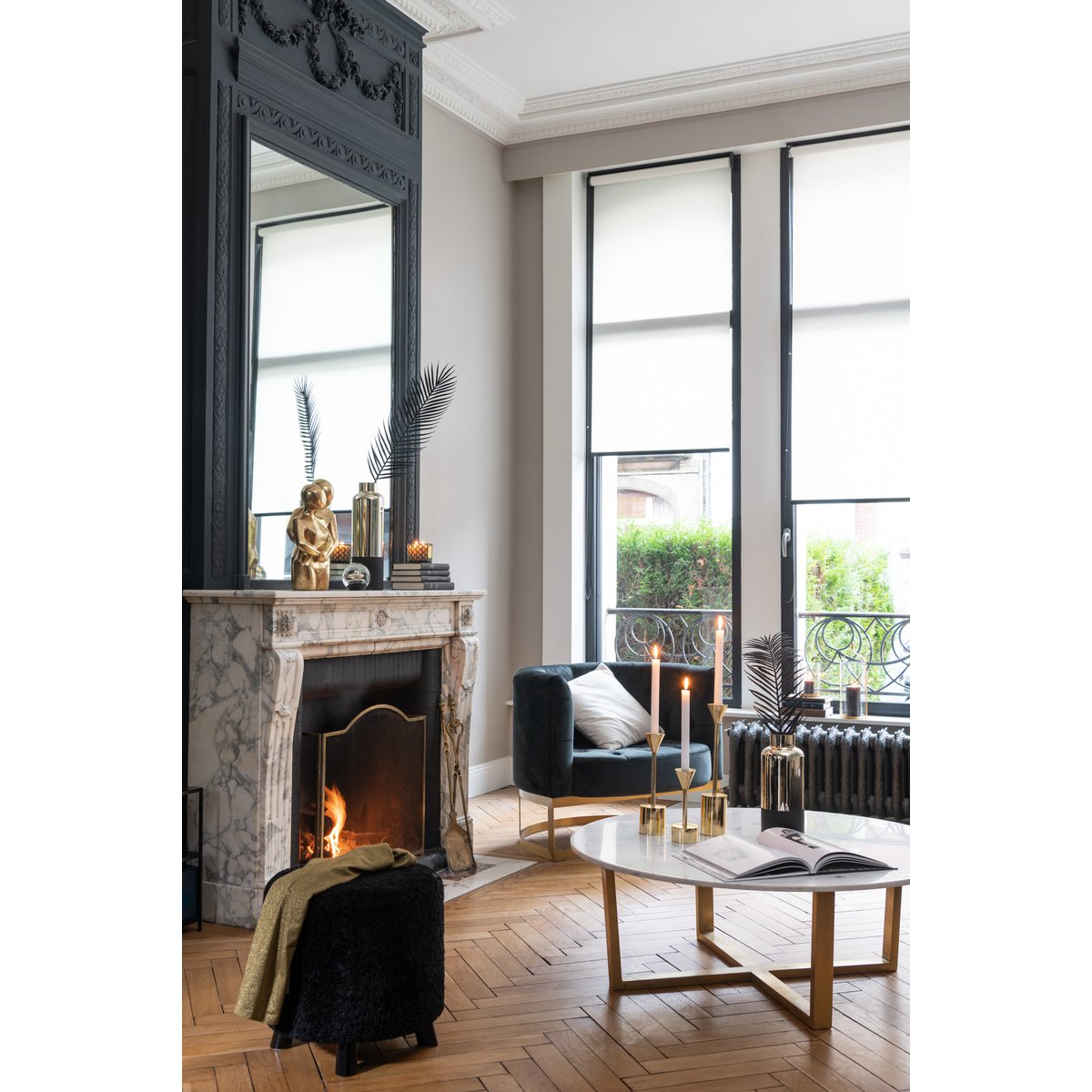
High-quality materials, careful lighting, and carefully selected designer objects are crucial for achieving a sophisticated look. The generous windows, high ceilings, and clear spatial structure further emphasize the room's elegant character. It is important to pay attention to even the smallest details, such as the use of high-quality materials and stylish accents.
Which interior design styles are particularly suitable for the living room?
The Scandinavian style, with its bright and cozy atmosphere, is particularly well-suited for the living room. The Japandi style, which fuses Scandinavian and Japanese design, is also an excellent choice. Additionally, the Boho style creates a relaxed and creative atmosphere.
How can different interior design styles be harmoniously combined?
For a harmonious combination of different styles, you should limit yourself to a maximum of three styles and choose a unifying element such as a consistent color scheme. The 80/20 rule helps to complement a main style with accents from other styles.
Is sustainable living compatible with a stylish interior design concept?
Yes, combining sustainable and elegant living is entirely possible. The trend known as "Natural Luxury" focuses on creating environmentally friendly products with durable designs made from sustainable materials. Using upcycled furniture and certified products offers the opportunity to create an aesthetically pleasing and eco-friendly interior.
Owner and Managing Director of Kunstplaza . Publicist, editor, and passionate blogger in the fields of art, design, and creativity since 2011. Graduated with a degree in web design from university (2008). Further developed creative techniques through courses in freehand drawing, expressive painting, and theatre/acting. Profound knowledge of the art market gained through years of journalistic research and numerous collaborations with key players and institutions in the arts and culture sector.
Category for interior design,residential design, object furnishings, product and material innovation.
Here you will find everything that makes an interior designer's heart race. We present to you the latesttrendsand developments in the world of home design, as well as innovative products and materials for unique space design.
Our goal is to provide our readers with inspiration and help them creatively redesign or completely transform their living spaces.
We place great importance on ensuring that our articles are not only esthetically pleasing but also include practical tips.
We also introduce you to successful interior designers – from newcomers to the most well-known names in the industry – so you can be inspired by their projects and get to know their working methods.
Whether it's about making the most of a small space or furnishing your home with new furniture in the trendy industrial style: With us, you will find all the information you need on the topic of interior design!
We use technologies such as cookies to store and/or access device information. We do this to improve your browsing experience and to display (non-)personalized advertising. If you consent to these technologies, we can process data such as browsing behavior or unique IDs on this website. Refusal or withdrawal of consent may adversely affect certain features and functions.
Functional
Always Active
Technical storage or access is strictly necessary for the legitimate purpose of enabling the use of a specific service expressly requested by the subscriber or user, or for the sole purpose of carrying out the transmission of a message over an electronic communications network.
Preferences
The technical storage or access is necessary for the legitimate purpose of storing preferences that were not requested by the subscriber or user.
statistics
Technical storage or access that is solely for statistical purposes.Technical storage or access that is used solely for anonymous statistical purposes. Without a subpoena, the voluntary consent of your internet service provider, or additional recording by third parties, the information stored or retrieved for this purpose cannot generally be used to identify you.
marketing
Technical storage or access is required to create user profiles, to send advertising, or to track the user on one or more websites for similar marketing purposes.











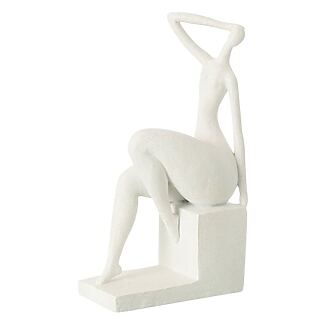
 J-Line Abstract female figure sitting on a square block, matte white
77,90 €
J-Line Abstract female figure sitting on a square block, matte white
77,90 €