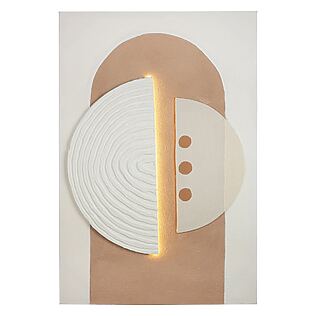
Picture frames have always been a reflection of their respective eras. Initially, they served simply as a decorative and durable way to mount pictures on the wall. However, in the last 25 years, fast-paced trends and innovative ideas have developed and established themselves in this area as well. These originate from the furniture, fashion, tourism, and interior design industries.
Various art movements also play a crucial role, of course.
wall decoration and the opportunity to realize individual wall art concepts and interior design ideas in 2026. Interior design trends are moving towards picture frames fulfilling the function of a design element in themselves. For example, there are now picture frames that can hold more than just one picture or photo.
Ideas for picture frame trends come from the interior design, fashion, tourism and interior decorating industries. Photo by Alexandra Gorn @alexagorn, via Unsplash
In 2026, the picture frame has shed its function as a purely functional protective element and is perceived as an independent sculptural object. A central theme is "tactility" —artworks and their frames are not just for looking at, but are meant to be felt in their materiality. Flat prints behind standard glass are increasingly being replaced by dimensional, hand-finished pieces.
Shadow box frames and the staging of depth
Object frames , also known as shadow box frames , are particularly popular. Their exceptional depth allows them to accommodate not only flat pictures but also three-dimensional objects, textiles, or relief-like artworks. The distance between the artwork and the glass front creates a natural play of light and shadow, lending the display a vibrant dynamism.
This trend reflects the need to overcome the two-dimensionality of digital screens and enable haptic experiences in space.
Sustainability and “Eco-Luxe”
By 2026, sustainability will no longer be a niche topic; it will completely redefine the concept of luxury. Labels and collections in this field will include frames made from FSC-certified wood, recycled metals, and surfaces treated with non-toxic, water-based lacquers or natural oils.
The origin of the materials is crucial for consumers, and they favor durable products that can "grow with them." Natural wood frames, which highlight the unique grain of the wood, are particularly valued, especially when combined with stainless steel or stone elements to create an exciting mix of materials.
What are the aesthetic trends of 2026?
In addition to what has already been mentioned, various materials, innovative processing and manufacturing methods, as well as general furnishing trends, also play a significant role.
Japandi & Cozy Simplicity
In 2026, the design landscape will be shaped by two significant trends that influence and complement each other: the timeless Japandi style and a reinterpreted, "warmer" minimalism . The combination of Japanese reduction and Scandinavian functionality, known as Japandi, remains one of the most significant influences in interior design. This style is reflected in wall design through natural color nuances, clean lines, and organic forms. Artwork that conveys tranquility and balance, such as abstract line drawings or minimalist nature motifs in soft earth tones, is favored.
Warm minimalism is a continuation of the cool aesthetic of recent years, which was often perceived as sterile. In 2026, simplicity no longer means sacrificing coziness, but rather embracing the concept of "cozy simplicity ." Walls can appear tidy without being empty or unwelcoming by using soft lines, natural textures, and a warm color palette. Subtle textures or hand-drawn sketches replace sleek, industrial prints as posters, giving the room a human touch.
Biophilic design and the integration of nature
An essential component of these developments is the concept of biophilic design , which increasingly integrates nature into living spaces. This trend encompasses far more than simply depicting landscapes. By 2026, walls will be transformed into living ecosystems: moss pictures and vertical gardens will function as "living works of art" that not only have a calming effect but also improve indoor air quality and promote well-being. To enhance the feeling of nature, these organic elements are often combined with rustic wooden frames.
Nature motifs are present not only through real plants, but also as XXL photographs or fine prints on linen. Forest scenes, mountain landscapes, or stylish bird silhouettes in soft shades of green and beige are particularly popular. In an increasingly digital world, these motifs offer visual havens of calm; they create a connection to the physical environment that many find grounding and healing.
Wood as a material is currently experiencing a renaissance. Anyone who's anyone has at least one traditional wooden piece of furniture in their living room. Frames are also increasingly being made of wood again. This is also because wood is a very vibrant and sustainable material that conveys a cozy atmosphere.
From wall art to interior design trends
A picture frame can also be described as art on the wall. In the 1960s, it was sometimes common to decorate walls with empty picture frames made of decoratively shaped wood.
Of course, the number of pictures used as wall decor . Is it a single large picture or many small, asymmetrically placed frames? The effect on the viewer of this wall art will always be different. Naturally, the viewer's personal taste also plays a significant part.
How to hang picture frames correctly – a few ideas and suggestions
Whether rectangular, strictly geometric, black or white, large, small, round, oval, or colorful: you should always think about how you want to hang picture frames on the wall beforehand. The following article from IKEA Germany offers helpful tips:
Ella TheBee shows you how to create a DIY picture wall in your home, similar to those on Pinterest and Tumblr, in the following video:
To what extent do cultural influences play a role in interior design trends?
This aspect, more than any other, has a huge influence on interior design trends and ideas. For example, Asian influences were very popular in the 1950s and 60s.
Later, oriental interior design trends very popular. This is naturally also reflected in wall art. Nowadays, many hybrid forms, different materials, and methods of production and design can be found.
Wall decor concepts – a single large picture or many small, asymmetrically placed frames? Photo by Jonny Caspari @jonnysplsh, via Unsplash
Cultural influences often manifest themselves through specific aesthetic elements that reflect historical and regional characteristics. For example, we are currently witnessing a revival of the Japandi style , a harmonious blend of Japanese minimalism and Scandinavian functionalism.
This design direction combines the calm, minimalist aesthetic of Japan with the warm, comfortable atmosphere of Scandinavia, resulting in a timeless yet modern ambience.
Another significant aspect of cultural influences in interior design is the appreciation of traditional craftsmanship . In a world dominated by mass production and fast-moving consumer goods, handcrafted furniture and decorative objects a renaissance. The trend towards handwoven carpets from Morocco , artfully crafted ceramics from Portugal, and meticulously detailed woodwork from Scandinavia demonstrates the appreciation and preservation of cultural heritage.
These handcrafted pieces tell stories and bring depth and authenticity to modern interiors.
Colors also play a crucial role in interior design, and their meanings vary greatly from culture to culture. While white is often associated with purity and minimalism in Western countries, it symbolizes mourning and loss in some Asian cultures.
In 2020, we see a growing interest in rich, earthy tones, inspired by African and South American cultures that often express joy, warmth, and vibrancy. Awareness and respectful integration of such color connotations can help create spaces that are both aesthetically pleasing and culturally respectful.
Innovative interior design ideas with picture frames and smart art trends
In difficult times, wall art is partly returning to traditional values and trends.
Frameless canvases were also popular for a time, as were pictures behind glass, which were simply attached with clips. Technology plays just as important a role in wall art as the possibilities offered by the materials themselves. By 2026, consumers and designers will no longer rely solely on their imagination, but will use augmented reality (AR) and artificial intelligence (AI) to curate walls.
3D printing and the variety of shapes and materials
In 2026, we'll have the ability frames using 3D printing . A wide variety of colors, shapes, and materials will be available. The possibilities are virtually limitless and open up fascinating perspectives. Changing frames is also a popular trend. You'll have numerous frames available for a single photo, which you can change monthly or weekly, just as you please. Frames can, of course, also be designed to hold multiple pictures at once. Use one frame to stylishly display several of your favorite photos.
Cultural and regional influences
Cultural or country-specific influences are also evident in the choice of materials, such as bamboo or rattan . Colonial style and exotic influences are very much in vogue. However, timelessness also remains popular. Wooden picture frames with traditional designs are still considered wall art. This can also apply to the motifs of the photos or pictures themselves.
African motifs in a wooden frame look completely different than in a metal or plastic frame. Art prints look particularly elegant with metal frames. Oil paintings still look fantastic with decorative wooden frames. Every frame adds character to the picture or photograph.
AR applications and virtual representation
Numerous apps now allow you to virtually "test hang" artwork. Using your smartphone camera, services like Wallary, WhiteWall, and Pixum enable you to project images into your real-world space to scale. This allows you to try out different arrangements, frame sizes, and passe-partouts before hammering the first nail into the wall.
This aspect is particularly important for complex murals because it allows one to assess the "visual weight" of the entire composition in advance.
Smart integration and functional frameworks
The framing market is experiencing a physical influx of technology. By 2026, smart frames often be equipped with LED systems that, in addition to illuminating the picture, will also function as adaptive light sources, thus influencing the mood of the entire room. Some of these frames will even react to ambient light or time of day, changing the color temperature of the lighting to always present the artwork in the best possible light.
Furthermore, modular systems are becoming increasingly popular, in which picture frames are magnetically attached to rail systems, allowing for easy rearrangement of the wall without tools.
The overall wall decoration creates perspective and a new feeling of living.
Modern art with soft colors and minimalist frames is perfectly suited to the Japandi trend.
Of course, frames made of aluminum or plastic are still available. However, oval or round picture frames are rarely requested. Wall art clearly shows a trend towards diversity, asymmetry, and a variety of colors and shapes.
Conclusion
Wall art isn't just about photos, pictures, or paintings; it also includes frames in a wide variety of arrangements, serving as tasteful and creative wall decorations . The selection of possible combinations, whether in terms of colors, shapes, or materials, leaves nothing to be desired. Current interior design trends offer plenty of ideas and inspiration for creating an interesting and stylish living space.
Furthermore, at WANDStyle you also have the option of having custom-made frames tailored to your interior design ideas. Here, individual ideas become reality. A drawing or a photo, along with a brief description of your ideas and wishes regarding the material, is all it takes to create your unique picture frame.
Category for interior design,residential design, object furnishings, product and material innovation.
Here you will find everything that makes an interior designer's heart race. We present to you the latesttrendsand developments in the world of home design, as well as innovative products and materials for unique space design.
Our goal is to provide our readers with inspiration and help them creatively redesign or completely transform their living spaces.
We place great importance on ensuring that our articles are not only esthetically pleasing but also include practical tips.
We also introduce you to successful interior designers – from newcomers to the most well-known names in the industry – so you can be inspired by their projects and get to know their working methods.
Whether it's about making the most of a small space or furnishing your home with new furniture in the trendy industrial style: With us, you will find all the information you need on the topic of interior design!
We use technologies such as cookies to store and/or access device information. We do this to improve your browsing experience and to display (non-)personalized advertising. If you consent to these technologies, we can process data such as browsing behavior or unique IDs on this website. Refusal or withdrawal of consent may adversely affect certain features and functions.
Functional
Always Active
Technical storage or access is strictly necessary for the legitimate purpose of enabling the use of a specific service expressly requested by the subscriber or user, or for the sole purpose of carrying out the transmission of a message over an electronic communications network.
Preferences
The technical storage or access is necessary for the legitimate purpose of storing preferences that were not requested by the subscriber or user.
statistics
Technical storage or access that is solely for statistical purposes.Technical storage or access that is used solely for anonymous statistical purposes. Without a subpoena, the voluntary consent of your internet service provider, or additional recording by third parties, the information stored or retrieved for this purpose cannot generally be used to identify you.
marketing
Technical storage or access is required to create user profiles, to send advertising, or to track the user on one or more websites for similar marketing purposes.





 J-Line Flowerpot "Maria Ronda" made of ceramic, white (Ø 14.5 cm)
21,00 €
J-Line Flowerpot "Maria Ronda" made of ceramic, white (Ø 14.5 cm)
21,00 €