Fashion is far more than just clothing – it reflects societal developments, cultural trends, and individual expression. The world offashionis currently undergoing profound change, shaped by sustainability, digitalization, and evolving consumer habits.
The industry is at a point where trends arise not only from creative impulses but also from ecological and social necessities. At the same time, brand identity and individuality are becoming more important because consumers have become more conscious and critical.
The years beyond 2025 will be crucial in setting the course for the future. Sustainability is no longer a buzzword, but a necessity for brands that want to remain relevant. Consumers increasingly value the fact that their favorite labels not only look good, but also act responsibly. At the same time, the influence of digital platforms is growing, redefining relationship between consumers and brands
Anyone who deals with fashion today recognizes that the industry exists in a tension between tradition and innovation – and it is precisely this tension that makes it so fascinating.
, wonderofbrands.deoffers insightful glimpses into the world of brands and illustrates how the dynamics between consumers, trends and labels will develop in the coming years.
Sustainability as the foundation of the fashion industry
Sustainability is no longer just a marketing tool. It has become a cornerstone of the fashion industry, influencing all stages of the value chain – from raw material extraction and production to consumer behavior. Consumers are increasingly asking about origin, materials, and production conditions. Brands that cannot provide answers risk losing customers and jeopardizing their credibility.
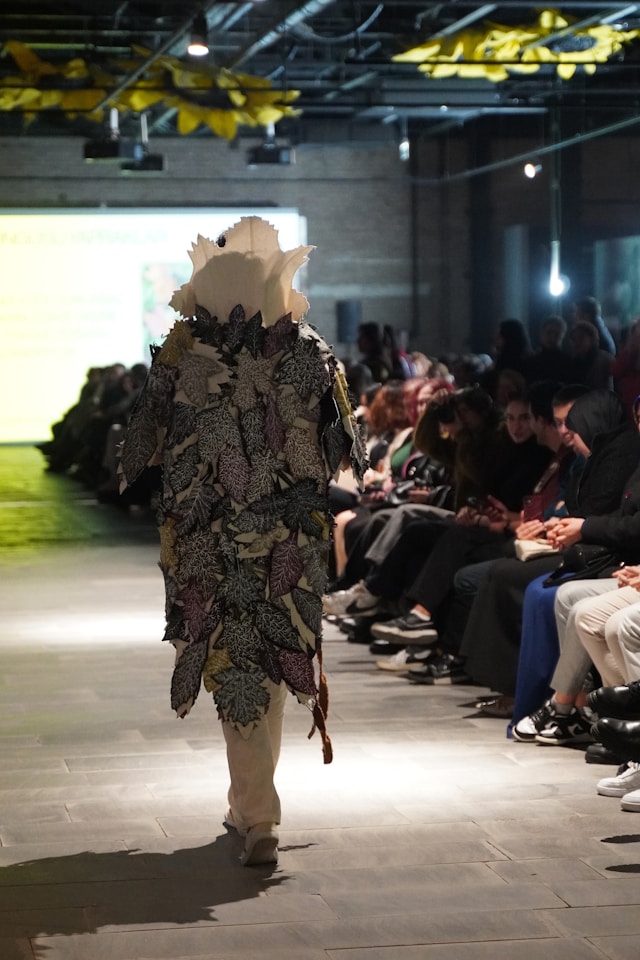
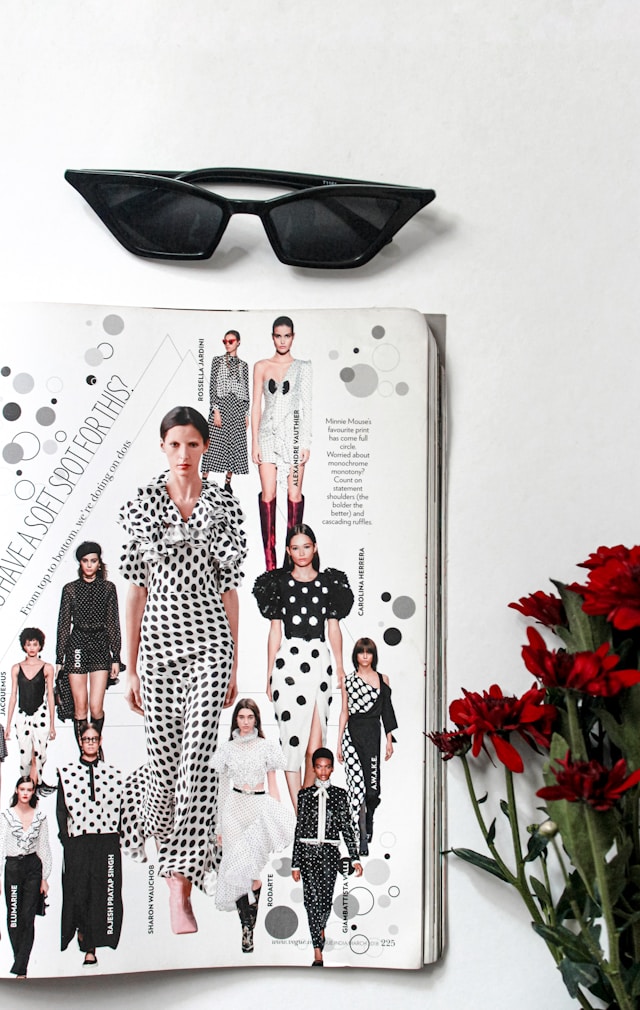
Sustainability has become a cornerstone of the fashion industry. Photo by Yaren Kılıç @yarensphotoworks, via Unsplash
This is not just about ecological aspects, but also about social responsibility. Fair wages, safe working conditions, and transparent supply chains have become key issues. Fashion houses and brands that proactively respond to these developments not only gain a competitive advantage but also build long-term trust. Sustainability thus transforms from a mere obligation into an opportunity to sharpen one's own identity and differentiation.
The future of fashion will not be decided by short-lived trends, but by the ability to combine responsibility with creativity
The future of fashion lies in the ability to combine responsibility with creativity. Photo by Toa Heftiba @heftiba, via Unsplash
The path to a sustainable fashion industry is complex, however. Companies must leverage innovations in materials research, the circular economy, and recycling to set new standards. At the same time, consumers are expected to consume more consciously – less, but of higher quality and with greater durability. This shift in perspective is transforming the entire industry and forcing all stakeholders to redefine their roles.
Individuality as a new luxury
In a world increasingly dominated by mass production, individuality is becoming the true luxury. Consumers no longer want to simply wear the trends of major designer houses, but rather develop their own style and highlight their personality. In this sense, fashion is a medium that expresses identity and enables both belonging and differentiation.
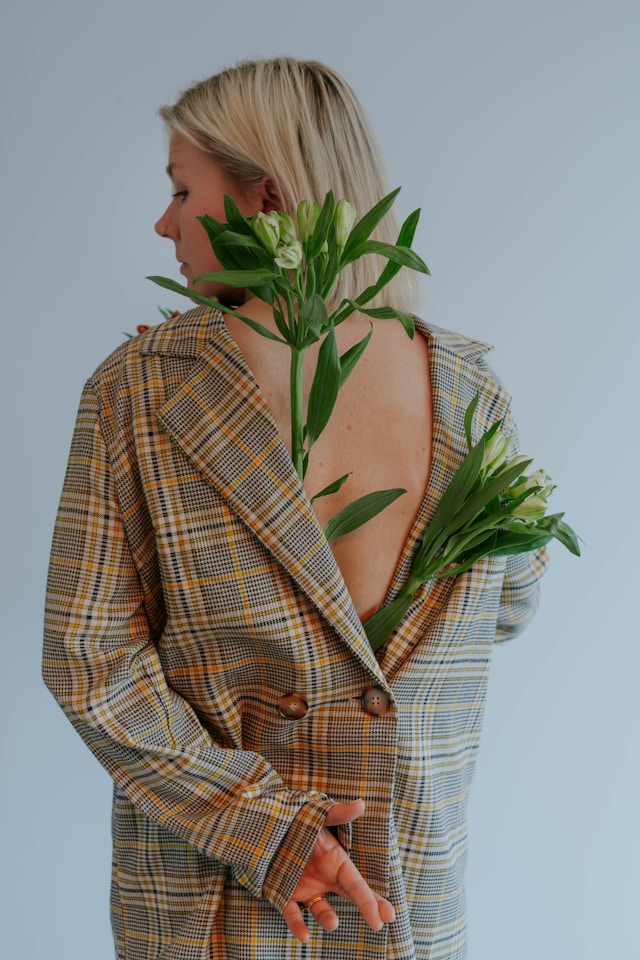
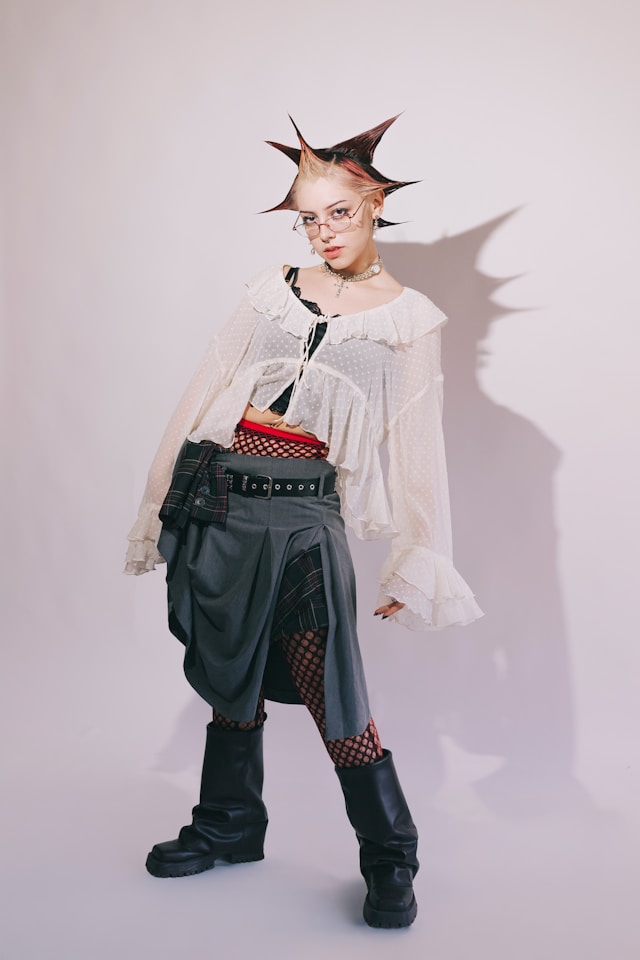
In a world increasingly dominated by mass production, individuality becomes the true luxury. Photo by Meghna R @darkandflawed, via Unsplash
Digital tools and personalized shopping experiences are driving this development forward massively. Whether it's customized designs in the online shop, interactive style advice tools, or AI-powered recommendations – personalization is the key to standing out from the crowd. Younger generations, in particular, expect brands not only to understand their needs but also to actively incorporate them into the product experience.
At the same time, individuality also means breaking down old hierarchies. While in the past a few luxury labels dictated what "in ," today trends often emerge from the community – from streetwear cultures, independent designers, or even influencers who release their own collections. The democratization of fashion is leading to a new dynamic in which diversity is celebrated and originality is rewarded.
What do the major fashion shows reveal about the autumn/winter 2025/2026 collections?
As the leaves gradually fall, the fashion world is already ushering in a season full of captivating contrasts and surprises. The Fall/Winter 2025/2026 collections send a clear signal for an industry in transition – it is now more creative, unpredictable, and multifaceted than ever before.
The new femininity: Deconstruction and re-evaluation
In their collaboration at PradaMiuccia Prada and Raf Simons explored the archetypes of women's clothing, consciously challenging the ideal of "perfect femininity ." Kugelbras, brooches, and stoles were presented in a fresh context—not as a submission to traditional beauty standards, but as a conscious appropriation of feminine symbols.
Miu Miu also addressed the re-evaluation of femininity through fashion with its "Femininities****"GivenchySarah Burton took iconic silhouettes from the archives—such as hourglass figures and evening gowns—and reinterpreted them from a distinctly feminine perspective.
Between memories and innovation: A fashion time travel experience
Nicolas Ghesquière staged Louis Vuitton show in a historic Parisian train station – L'Étoile du Nord , which was once the headquarters of the French railway company. It was an ingenious homage to Louis Vuitton's legacy as a trunk maker, whose flat trunks revolutionized travel culture.
Ghesquière found inspiration in film scenes set on trains, from Wong Kar-wai's "2046" to "Murder on the Orient Express ." His models represented a diverse range of travelers: from eccentric high-society personalities to commuters, modern adventurers to romantic dreamers—a clever metaphor for the anonymous fates that intersect on train platforms.
“High-Fashion Frump” and the revolt against the algorithm
In the age of social media, designers are now staging a veritable rebellion against what British Vogue"algorithm dressing" —that pleasing, easily consumable look created for Instagram feeds. Instead, they're embracing "high-fashion frump"Miu Miu with a wild mix of unconventional suits and chaotic knitwear . Meanwhile, Prada's main line presented housecoat silhouettes in floral patterns reminiscent of grandma's curtains.
What Vogue a "bourgeois Milanese lady gone wrong" is simply a welcome departure from digital conformity. A fashion generation that boldly defies conventional taste and resists categorization.
The new darkness: Gothic movements
In Paris, houses like Alaïa , Dior and McQueen dark sources of inspiration: black lace and transparent chiffon, Victorian collars and hard, tight-fitting leather.
Milanese labels Ferragamo and Alberta Ferretti captured this beautifully melancholic mood. As always, fashion follows the spirit of the times – we are living in a dark era, and our wardrobes reflect this mood.
The new world of bags: supple silhouettes and elegant brown
Prada revived its iconic bowling bag
The enthusiasm for suede from last year continues. The supple leather appeared in various forms on the runways, especially as handbags in rich chocolate and espresso tones . Designers who focused on these accessories for the new season include Prada, Tory Burch, and Ralph Lauren.
Creative upheavals: The landscape of designers is changing
According to media reports and social media chatter, conversations during Fashion WeeksMatthieu Blazy at Chanel , Demna at Gucci , and Jack McCollough and Lazaro Hernandez at Loewe .
Chanel: dreamy interplay of volumes
Chanel 's Fall/Winter 2025/26 collection presented a dreamy interplay of volume and layering. The house's emblematic codes were reinterpreted with a dreamy touch. Whether oversized or miniature, the accessories accentuated a silhouette in motion.
The power of brands in the digital age
Brands are no longer just logos or labels adorning clothing. They have become cultural symbols representing specific values, lifestyles, and affiliations. Especially in the digital age, where consumers are confronted with countless offers, brands serve as a crucial point of reference. They create trust, convey identity, and give consumers a sense of security, believing they have made the right choice.
With increasing digitalization, brands have new opportunities to communicate their messages directly and authentically to their target audiences. Social media platforms, influencer collaborations, and digital flagship stores allow them to tell stories that go far beyond the product itself. Today, customers expect brands to not only sell clothes but also to represent a stance. Authenticity is becoming a crucial success factor: those who don't act credibly are quickly exposed.
Another aspect is the personalization of brand experiences. While previously the focus was on appealing to the masses, data-driven technologies now enable tailored communication. This allows brands to respond directly to individual needs and thereby create a stronger connection. In an era where consumers have become more self-aware and critical, this close customer relationship is a valuable competitive advantage.
Trends and technologies that will shape fashion in 2025
The coming years will be defined by a multitude of technological innovations that will fundamentally change the face offashion.Virtual fitting rooms,augmented reality (AR), andartificial intelligencewill revolutionize the shopping experience. Customers will be able to digitally try on clothes before purchasing them or receive tailored recommendations from AI-powered systems. This not only increases convenience but also reduces returns and promotes sustainable consumption.
Another megatrend is the merging of physical and digital spaces. So-called "phygital shopping" combines the best of both worlds: brick-and-mortar stores complemented by digital features such as AR mirrors or mobile apps. Here, shopping becomes an experience that goes beyond the product itself. At the same time, the influence of metaverse platforms is growing, where consumers can wear, collect, or even trade virtual fashion.
Sustainability is also being driven by technology. Advances in materials research – for example, in biodegradable materials or recycling processes – are creating new opportunities to develop environmentally friendly collections. At the same time, digital tools are helping to make supply chains more transparent and give consumers insight into the origin of their products.
A brief overview of the most important drivers:
AR & VR:Virtual fitting rooms and immersive shopping experiences.
AI:personalized recommendations, trend forecasts, and inventory management.
Metaverse:Digital fashion as a status symbol and collector's item.
Sustainable materials:Innovations for ecological and durable fashion.
These trends illustrate that the future of fashion lies not only in fabrics and cuts, but increasingly in technologies that redefine consumption.
Cultural significance of fashion in a globalized world
Fashion is far more than an economic sector – it is a central element of culture. Clothing reflects social developments, conveys values, and serves as a means of communication without words. In a globalized world where cultures are increasingly merging, fashion becomes a unifying language that unites people worldwide while simultaneously highlighting differences.
Global interconnectedness means that trends emerge more quickly and spread internationally. What's worn in Tokyo or New York today might appear on the streets of Berlin tomorrow. At the same time, hybrid styles , combining elements of different cultures to create innovative aesthetic expressions. This cultural exchange fuels creativity but also presents the fashion industry with the challenge of handling cultural symbols and traditions sensitively in order to avoid cultural appropriation
Between New York, Tokyo, and Berlin, countless hybrid styles are emerging, blending elements of different cultures to create innovative aesthetic expressions. Photo by Eduardo Ramos @eduardoramoss, via Unsplash
Fashion is also a tool of social movements. Whether it's equality, climate protection, or diversity – fashion conveys messages that extend far beyond the textile industry. T-shirts with slogans, symbolic colors, or consciously chosen outfits can send powerful political and social signals. This demonstrates how closely fashion, identity, and social awareness are intertwined.
Which clothing items will be particularly in demand among customers in 2025?
Fashion influencer and YouTuber Harry Has (@HarryHas) asked himself this question and shared his key findings with his 339,000 subscribers in his video:
Fashion as a balance between responsibility, creativity and innovation
The future offashionby 2025 will be determined by three key factors: sustainability, individuality, and the power of brands. Companies that combine these aspects will be successful in the long term. Sustainability is no longer an option, but a necessity to ensure credibility. Individuality is becoming the new luxury, as consumers cultivate their own style and expect brands to respect this diversity. Brands themselves are evolving from mere product providers to cultural players that represent attitudes and embody values.
Technologies like AI, AR, and the metaverse are opening up unprecedented possibilities for the fashion world. They are not only changing the shopping experience but also driving sustainable innovation. At the same time, the cultural dimension of fashion should not be underestimated: fashion remains a powerful means of expression that connects trends, identity, and social developments.
Ultimately, it becomes clear:The fashion industry faces a future that can only be successfully shaped if responsibility, creativity, and innovation are in harmony.Brands that master this triad will remain relevant even in an increasingly digital and globalized world.
Owner and Managing Director of Kunstplaza . Publicist, editor, and passionate blogger in the fields of art, design, and creativity since 2011. Graduated with a degree in web design from university (2008). Further developed creative techniques through courses in freehand drawing, expressive painting, and theatre/acting. Profound knowledge of the art market gained through years of journalistic research and numerous collaborations with key players and institutions in the arts and culture sector.
We use technologies such as cookies to store and/or access device information. We do this to improve your browsing experience and to display (non-)personalized advertising. If you consent to these technologies, we can process data such as browsing behavior or unique IDs on this website. Refusal or withdrawal of consent may adversely affect certain features and functions.
Functional
Always Active
Technical storage or access is strictly necessary for the legitimate purpose of enabling the use of a specific service expressly requested by the subscriber or user, or for the sole purpose of carrying out the transmission of a message over an electronic communications network.
Preferences
The technical storage or access is necessary for the legitimate purpose of storing preferences that were not requested by the subscriber or user.
statistics
Technical storage or access that is solely for statistical purposes.Technical storage or access that is used solely for anonymous statistical purposes. Without a subpoena, the voluntary consent of your internet service provider, or additional recording by third parties, the information stored or retrieved for this purpose cannot generally be used to identify you.
marketing
Technical storage or access is required to create user profiles, to send advertising, or to track the user on one or more websites for similar marketing purposes.








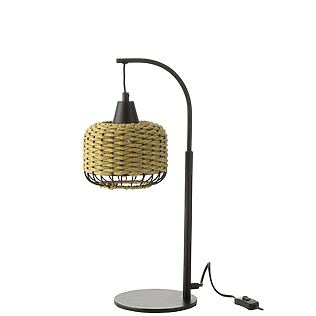
 J-Line Stylish table lamp in lantern design with rattan lampshade (green)
69,00 €
J-Line Stylish table lamp in lantern design with rattan lampshade (green)
69,00 €