Eco trend upcycling in art, fashion and interior design
In a world where environmental concerns are increasing massively every year, new lifestyle, wellness and fashion trends are emerging that are characterized by their sustainable nature.
This is the case with upcycling (also eco-cycling ), a trend that is not entirely new, but will experience another surge in popularity in 2026.
Driven by movements like Fridays for Future, increasing environmental disasters, the noticeable consequences of global warming and ubiquitous discussions, the topic of sustainability and environmental compatibility has moved to the center of our daily lives.
Hardly any consumer, producer, company, artist, or designer can afford to ignore this issue any longer. Protecting and preserving our blue planet with its complex ecosystems is no longer optional, but has become an imperative for our thoughts and actions. And that's a good thing, because, according to numerous experts, it's already almost too late.
Those who want to break free from the throwaway consumer cycle from a manufacturer's or producer's perspective try to utilize existing materials and resources that were ideally intended for some form of recycling. Often, these materials are to be given new life through reuse in wonderful, original, and extraordinary designs.
But is eco-cycling always truly sustainable? How does upcycling actually work?
Let's start from the beginning…
Show
table of contents
The problem: a throwaway mentality in an affluent society
Let's not beat around the bush: we live in a throwaway society. Things often end up in the trash prematurely or unnecessarily, even though we waste resources and damage the environment.
We live in a society of abundance, where more goods and products are offered than are actually necessary. This is compounded by a lifestyle geared towards satisfying the need for consumption and new consumer goods as quickly and directly as possible.
The constant, seemingly endless supply of goods leads to many things being thrown away or disposed of prematurely. Often, no thought is even given to whether the purchased product is actually needed.
The consumer needs of a throwaway society can only be met by the economy and industry (i.e., the production side) by keeping mass production running. This requires the wasteful use of natural resources such as water, energy, and many other raw materials.
This waste of resources inevitably leads to the exploitation of our planet and massive environmental pollution.
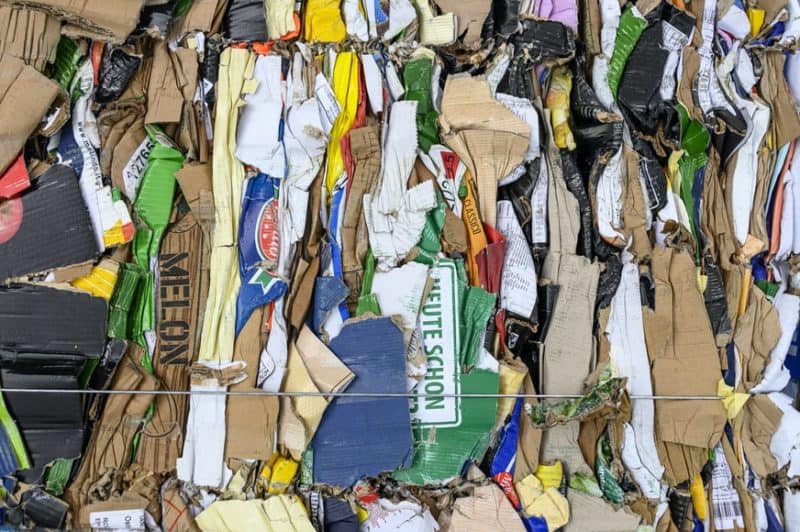
Photo by Etienne Girardet @etiennegirardet, via Unsplash
The problems of the throwaway society are particularly evident in the textile industry – but also in furniture, decorative objects, and much more.
The article “Against the throwaway society: This helps” sums up the connections and their effects on nature and man well.
Fortunately, the author Annika Reketat does not leave us in the lurch, but provides sensible, comprehensible and, above all, practical advice for everyone to make their own contribution.
How did we come to have a throwaway society? A brief digression
The throwaway society originated at the turn of the 20th century, when mass production began as a result of Western industrialization. Objects could be produced and sold more cheaply if they were made from lower-quality materials and mass-produced. The shorter lifespan and the logical consequence of having to buy products more frequently became the foundation for economic stability and prosperity.
This lifestyle, geared towards mass consumption, swept from the USA across the Atlantic to Germany between the 1950s and 1970s.
Today, the throwaway society is firmly established in the countries of the Global North. Cheap and mass production have become the norm, and planned obsolescence is used to drive growth.
The fast fashion industry implements planned obsolescence not only through the use of inferior materials, but also by creating and promoting one new trend after another. At the same time, even high-quality products are no longer supplied with spare parts, forcing consumers to constantly buy new items. A prominent example of this is the non-repairable, permanently installed batteries in smartphones.
The good news is that there are alternative economic concepts and consumer behaviors that can effectively counteract the throwaway society. These are characterized by a focus on thrift, material freedom, mindfulness, appreciation, and the realization that objects often have a much higher value than indicated on the price tag.
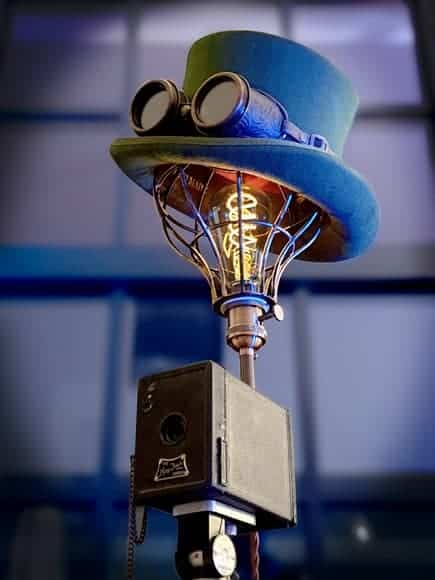
Johnny Briggs @johnnyboylee, via Unsplash

Johnny Briggs @johnnyboylee, via Unsplash
Besides frugalism , minimalism , and mindfulness , second-hand and upcycling also come into play here.
What is upcycling?
Upcycling is a range of techniques that bring worn, used or damaged items, clothing and materials back to life by transforming them into a higher quality product.
In other words, it makes something new, but better, out of something old. Hence the literal meaning of the term upcycling: "recycling upwards".
The difference between upcycling and recycling lies in this: Upcycling, unlike recycling, is a more aesthetically pleasing transformation process that adds value to the final product. A recycled product requires the intervention of specialists because it consumes energy but does not benefit from a higher quality than the original product.
And sometimes upcycling does much more than just change things: it reinvents itself…
It can be a true rebirth of the product into a revolutionary way of using it, sometimes very far removed from its original use.
Let us take as a vivid example a glass bottle that has been reinvented as an original vase; a surfboard that now celebrates its new existence as a coffee table; old boxes as shelves or pieces of furniture; colorful clothing (often patchwork) made from different fabrics (or fabric scraps).
That's the essence of upcycling! True to the motto of the French chemist and natural scientist Antoine Laurent de Lavoisier :
Nothing is lost, nothing is created, everything is transformed
In fact, everything can be upcycled (or should it be "upcycled"). A little inspiration, creativity, and imagination... and that's it!
Anyone can try upcycling.
A fleeting flash in the pan, or here to stay? A brief look back
To better understand whether upcycling is a temporary fad or a sustainable shift in thinking, let's travel back almost three decades – with the help of an article in The Independent : "Upcycling: is this eco trend here to stay?" by interior design expert Emily Jenkinson.
In 1994, Reiner Pilz of the German technology company Pilz GmbH revealed his aversion to the then-prevailing recycling practices in an interview with Thornton Kay of Salvo:
I call it downcycling. They smash pieces, they destroy everything. What we need is upcycling, where old products are given more value, not less.”
fashion industries since the nineties .
According to Angus Middleton, the then director of the environmental consultancy Renaissance Regeneration and founder of ecoboom.co.uk (no longer active),
However, it is often mistakenly used as a sexy term for the renovation of old furniture, a bit like 'pre-loved' instead of second-hand or 'modern antique' instead of junk. It should refer to taking the components of a superfluous object and creating a new, useful object from them, while reducing the use of new materials
Beyond the usual PR hype and corporate greenwashing of some companies, it can be retrospectively noted that there are more and more designers, manufacturers and creatives who are practicing genuine upcycling.
Upcycling means that sustainability is an integral part of the object and the lifestyle it represents. It also fosters creative processes, meaning it helps us see everyday things in a completely new way.
Upcycling as part of a sustainable trend
As mentioned at the beginning, environmental issues have become a significant part of society's collective consciousness. Habits and practices are changing: we avoid waste, we sort and separate our garbage, and we try to reduce our waste.
Upcycling comes at just the right time. By using old materials, the use of new raw materials and the production of waste are largely avoided. Nothing should be thrown away.
The trend appears as an ecological alternative to overconsumption . And by creating new, often unique products, upcycling gives them a rare and exclusive character – a quality that many globally exporting brands have lost through standardization.
International brands that understand upcycling
More and more people are being tempted by second-hand products to change their shopping habits. Is the era of fast fashion coming to an end?
It's true that second-hand shops, flea markets, and vintage stores have been experiencing a real boom for some time now. Vinted , the buying and selling app for used clothing and accessories, with its 37 million users worldwide at the beginning of 2021, is proof of this global enthusiasm.
A market with almost unlimited potential. Some representatives from industries related to decoration, design, and fashion have understood the signs of the times and seized the opportunities available to them, perfectly capturing the essence of the "make something new from something old" concept.
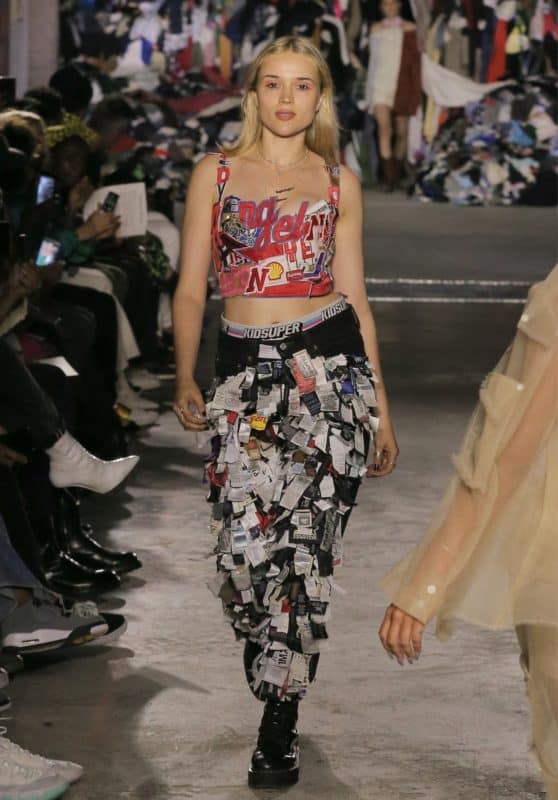
Photo by Utopia By Cho @chomoda, via Unsplash
also embracing upcycling . Prominent fashion houses such as Coach , Hermès , Balenciaga , and Miu Miu have released eco-cycling pieces, and even entire collections based on the second-hand concept.
Jules Lennon, who heads the fashion initiative at the Ellen MacArthur Foundation , an organization dedicated to eliminating waste and pollution through design, said in a CNN article that this type of redesign could have enormous benefits in reducing the amount of waste and environmental resources flowing into the retail and fashion industries.
Inspiring examples of sustainable fashion & accessories:
The Sorry Girls
Kelsey MacDermaid and Becky Wright, known online as The Sorry Girls , prove through their content that you can be stylish while being eco-conscious. MacDermaid envisioned her perfect wedding outfit and then found it secondhand on Facebook Marketplace. Wright furnished her living room in a mid-century modern style, perfectly matching the rest of her new home, using only secondhand pieces.
Many of The Sorry Girls' videos deal with the topic of upcycling: the process of using discarded or already existing materials to create a product you are looking for, rather than buying it new.
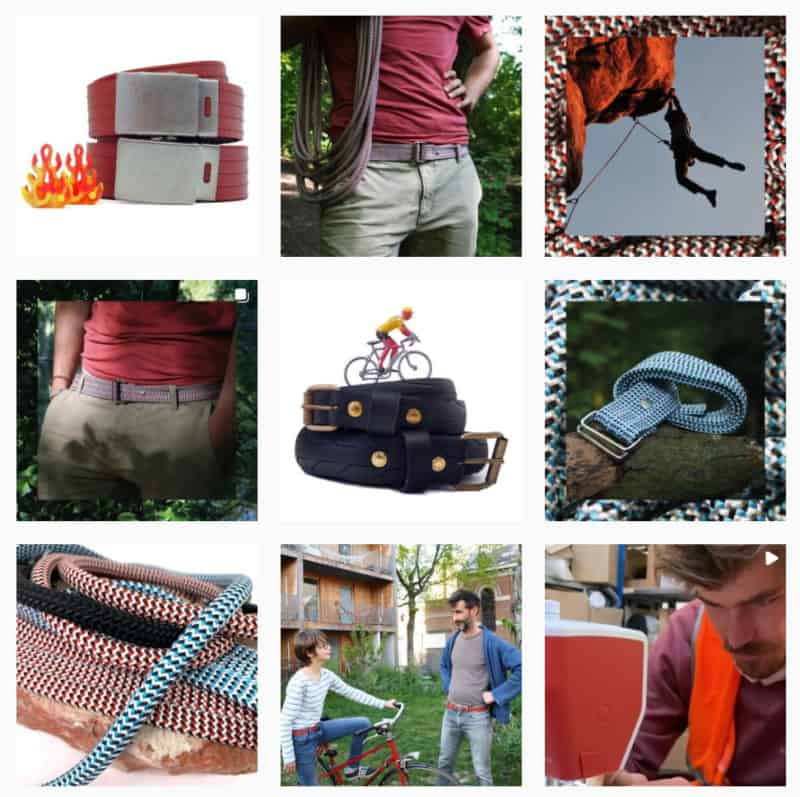
La vie est belt
La vie est belt is an accessories brand that recycles old bicycle tires and tubes to transform them into ultra-fashionable belts.
Friendly Frenchie
Friendly Frenchy produces 100% responsibly sourced sunglasses from seashells. Oysters and scallops are collected from restaurant owners and then transformed into chic and elegant sunglasses.
You can find these glasses at Seed, the first 100% ethical and sustainable optician in Belgium.

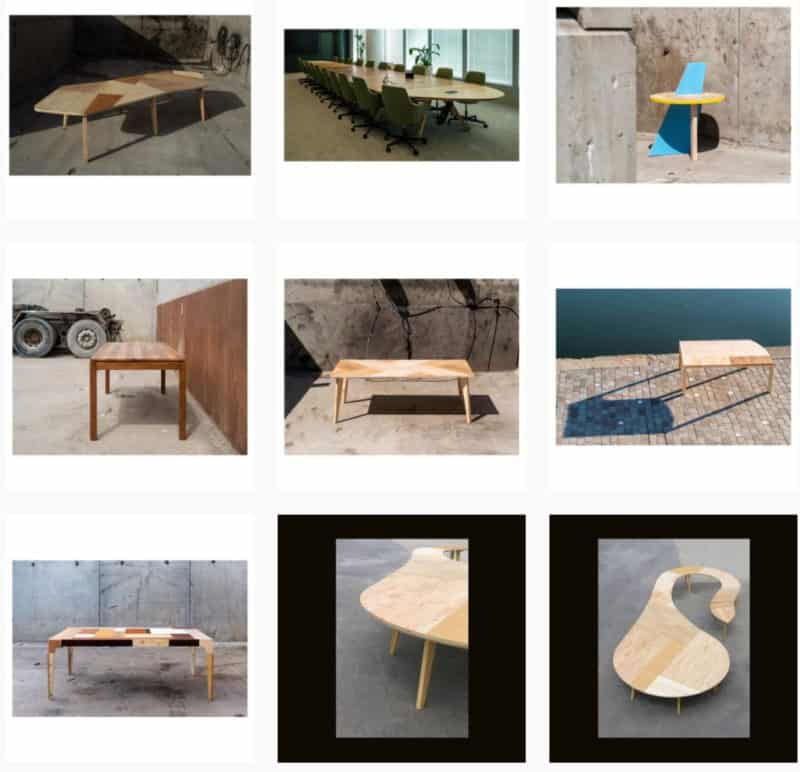
Atelier Extramuros
Atelier Extramuros is a socially and environmentally committed brand that designs and manufactures furniture from construction timber or wood from waste sorting facilities. The recycled materials are transformed into unique, custom-made furniture pieces for businesses.
Mother Africa
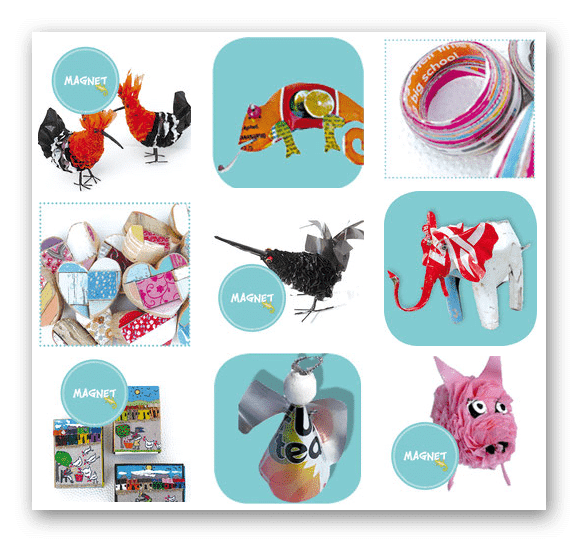
Martina Zenker from Düsseldorf runs a fair trade project, MamaAfrika , selling unique, handcrafted products. She provides employment for women in many African countries and sells the finished products in Germany and elsewhere at fair prices.
In southern and eastern Africa, hundreds of women work in more than 40 workshops for fair wages – securing their livelihoods and those of their families. At the same time, traditional African techniques are preserved and passed on. And the results are truly impressive.
Examples include a warthog and many other African animals as sculptures made from recycled tin cans. I was particularly impressed by a fully functional, visually striking radio made from recycled cans and wire.
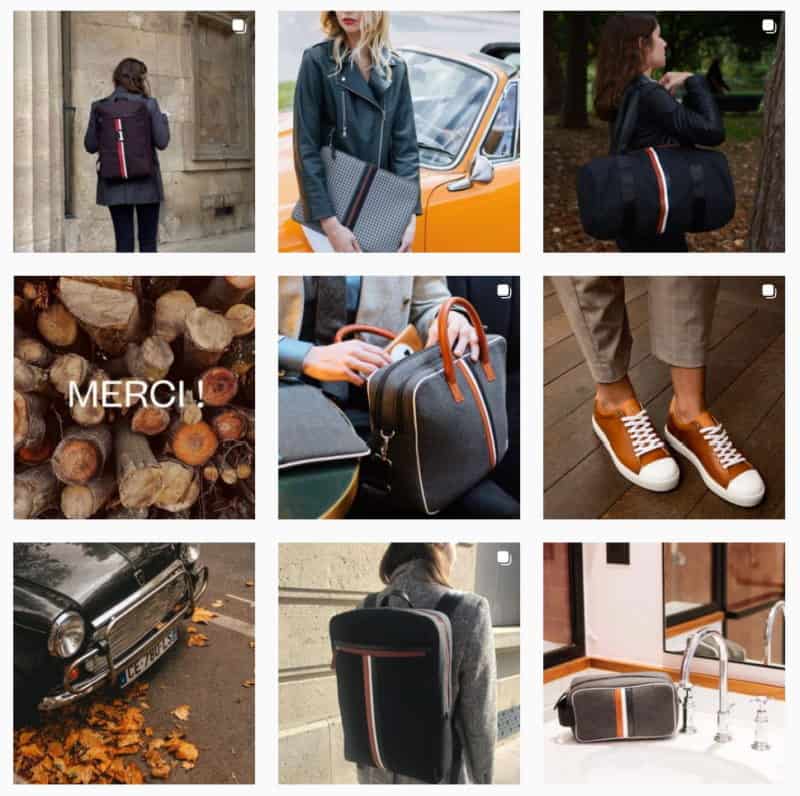
Entre 2 Rétros
Entre 2 Rétros is a brand that produces eco-friendly and stylish bags, luggage, and accessories from upcycled materials such as leather, automotive fabrics, and seat belts. Each collection is a unique work of art, produced in limited editions.
LorryBag® Eco by Halfar
Bag expert Halfar gives discarded truck tarpaulins a second chance, allowing them to remain "on the road" after their initial life and bring joy to a proud owner of a Lorrybag Eco . The virtually indestructible PVC material is not only waterproof but also gives the bag an attractive look.
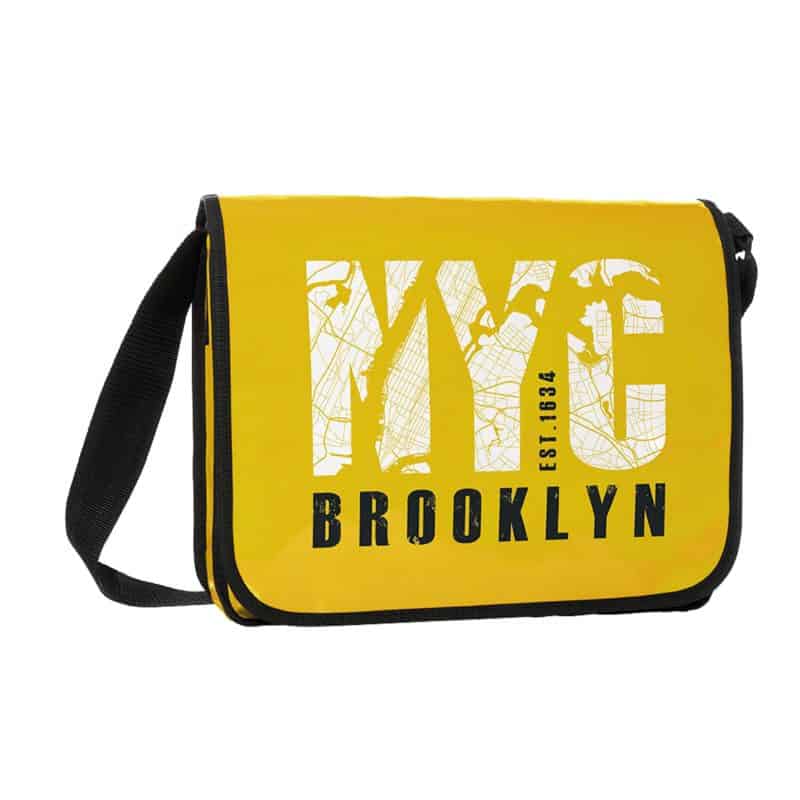
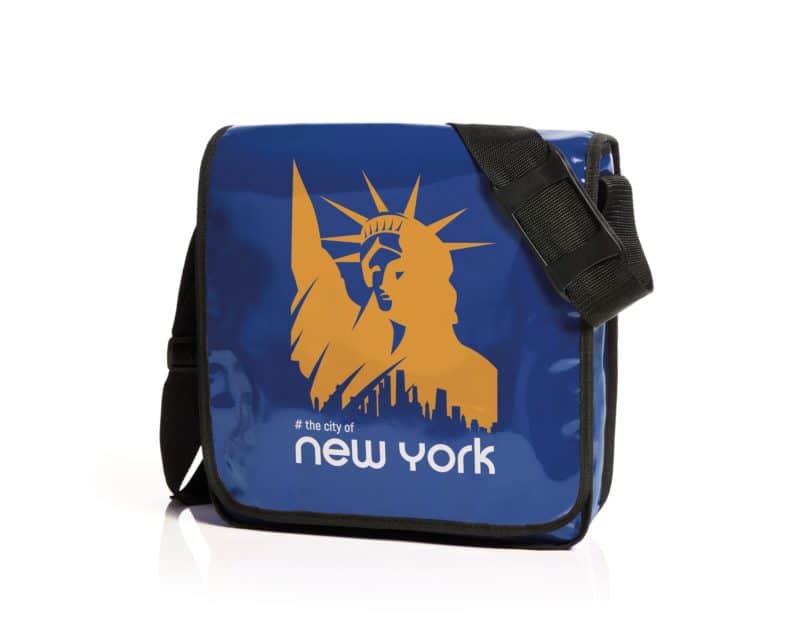
They can also be printed with many art motifs and logos, thus ideally conveying the image of the respective art event organizer.
Incidentally, Halfar is a member of the ÖKOPROFIT® network in North Rhine-Westphalia. This initiative is dedicated to improving environmental footprints. It promotes creative collaboration between companies, municipalities, and experts to develop innovative solutions.
Maria Mayer
A 2023 report by Bavarian Broadcasting (Bayerischer Rundfunk) from the TV magazine "Zwischen Spessart und Karwendel" featured a textile designer from Lake Ammersee and her dyeing technique using local plants. Textile designer Maria Mayer lives with her family in Diessen am Ammersee and dyes fabrics there using local plants, following centuries-old traditions.
She also gives very special courses in upcycling used clothing – including a fashion show. Maria's Chilean husband is a metal artist. Together with their daughters, they have created a special place by the artists' lake.
Qdebouteilles
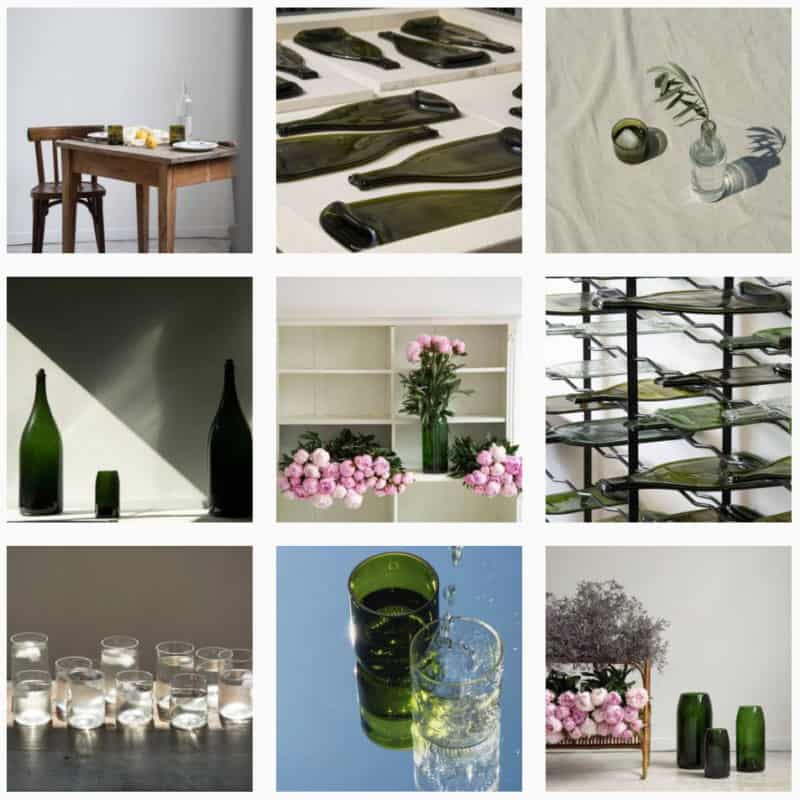
Qdebouteilles reinvents wine bottles. The brand transforms them into decorative objects, bringing a touch of originality to our homes. Vases, egg cups, glasses, and candles are its flagship products.
Upcycling in art – creatives from all over the world are embracing this sustainable concept
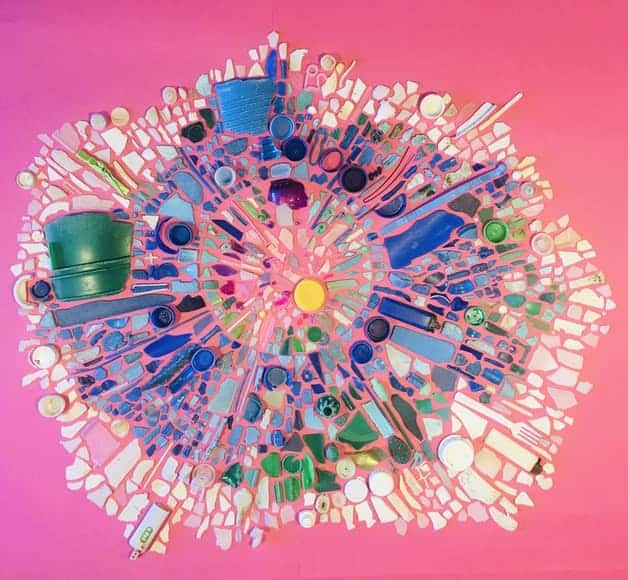
Photo by dan lewis @fieldsofgold87, via Unsplash
To quote the philosopher Odo Marquardt, there has never been a future for the artist without origins.
The essence of today's upcycling can already be found in the readymades of Marcel Duchamp and the Dadaists. Duchamp's "Bicycle Wheel" (1913), a front wheel and fork attached to an ordinary stool, or his "Fountain" (1917) (an ordinary urinal bought at a hardware store) are among the icons of this art.
The same applies to Pablo Picasso's "Bull's Head" (1942), which was built from a used bicycle handlebar and saddle.
The creative and intelligent use of existing materials is clearly a growing trend in contemporary art. It holds a mirror up to our throwaway society and addresses the resource awareness of a young, new generation, as German publisher and publicist Christiane Goetz-Weimer writes in her article "No Future Without Origins – Upcycling Is a Future" .
The first upcycling art prize , which includes over 1000 submissions from many European countries and presents a best-of on the internet, offers an exciting overview.
It is encouraging that the vast majority of submissions demonstrate the enormous potential inherent in the existing material. More information about the submissions and the winners (including the audience award) can be found on the website Center for Circular Art in Lübz zirkulaere-kunst.de .
Interesting candidates who deserve closer examination include Ramona Seyfarth and Daniela Melzig . Seyfarth has transformed scraps of old advertising brochures into a carpet, which guests then walk on, constantly changing and developing it.
Melzig processed old windows, Eric Weiser (Leipzig) cut up and reassembled old footballs from around the world, also shaped reflectors into installations and flattened Matchbox cars and exhibited them as “insects”.
Equally fascinating were several art machines by Willi Reiche (Bonn), and a pixelated image made from plastic, Snickers, and Mövenpick remnants by Gudrun Staiger & Rudi Beutinger (Stuttgart). The pixelated image, titled “Ethiopia,” strikingly contrasts affluent society with hunger.
Why art against waste? This question was also posed by the monumental #ZEROWASTEART with its traveling exhibition, which began in 2019. It presented an exhibition intended to serve as a catalyst for a more sustainable approach to our resource use.
Consistently reducing waste, minimizing one's own consumption and at the same time experiencing this "renunciation" as an enrichment – that is the philosophy of the project organizers behind the interactive art exhibition of Zero Waste.
Beyond this art prize, I have also come across other remarkable creative individuals and their eco-projects, a few of which I would like to mention separately here:
The global impact: “The Thinker's Burden” by Benjamin Von Wong (2025)
Benjamin Von Wong was a name that couldn't be ignored in 2025. "The Thinker's Burden , in Geneva, just in time for the negotiations on the global plastics agreement (INC-5.2).
- The project : A six-meter-high sculpture that references Rodin's famous "The Thinker." But instead of bronze, this monumental figure consists of a wild, yet precisely curated mix of plastic waste and electronic scrap—the remnants of our consumer society.
- The twist : In Von Wong's version, the thinker holds a baby in his arms and sits on a "Mother Earth" who is almost suffocating under the weight of single-use plastic.
- Why it's so relevant : It shows that upcycled art in 2026 no longer has to be "small-scale." Von Wong uses the aesthetics of trash to create a visual urgency that goes viral on social media and is simultaneously taken seriously by institutions of power. This is "artivism" at the highest level of craftsmanship.
The Berlin local hero: The “House of Materialization” & “Seeds of Change” (2024/2025)
Possibly right on your doorstep – at Alexanderplatz, but with deep roots in the Kreuzberg creative scene – the House of Materialization (HdM) as part of the “Seeds of Change” .
- The project: The HdM is not a traditional museum, but a "center for circular art and culture". In 2024 and 2025, walk-in spatial installations were created here in cooperation with collectives such as ConstructLab , consisting entirely of "urban mining" materials.
- The implementation: Instead of buying new materials at the hardware store, components salvaged from major Berlin construction sites (aluminum profiles, glass facades, old exhibition stands) were transformed into aesthetically pleasing, almost futuristic gallery modules. The project culminated in an exhibition where the artworks themselves became part of the material cycle – nothing was thrown away after the closing event.
- Why it's so relevant: This project defines the "Berlin style" of the coming years. It's about radical transparency. For a gallery in Kreuzberg, this approach is invaluable: It shows its visitors that the walls they're looking at and the pedestals on which the art stands tell a story themselves. It breaks up the sterile "white cube" atmosphere and replaces it with a narrative, sustainable texture.
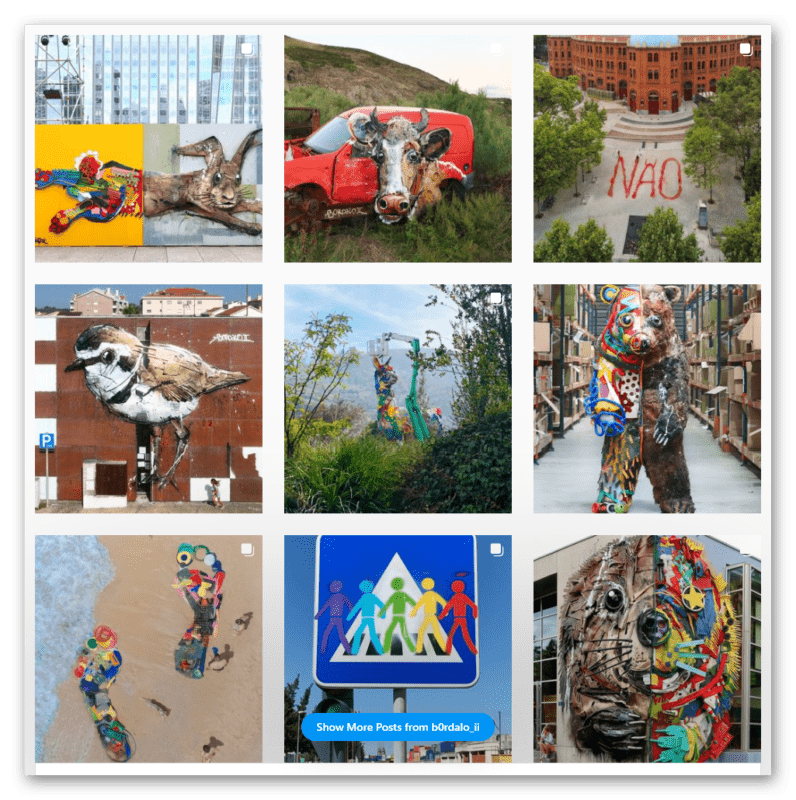
Artur Bordalo, called Bordalo II
Large-scale upcycling art: Portuguese artist Artur Bordalo, known as Bordalo II, gives a voice to the losers of our throwaway society. He creates larger-than-life animals from trash. His so-called trash murals impress with their authenticity and powerful message against plastic waste.
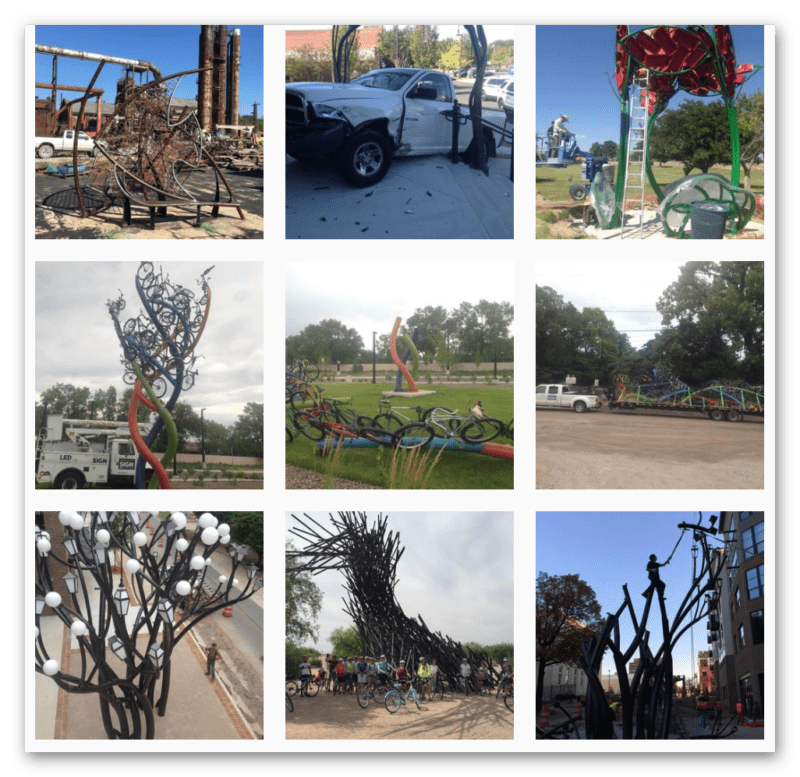
Christopher Fennell
American artist Christopher Fennell builds architectural skeletons from discarded objects. He transformed old barn boards into oversized pine cones and discarded baseball bats into an arch. This one can be seen in a park in Atlanta, Georgia.
HA Schult
German artist HA Schult created an entire “people made of scrap” (“Trashpeople”). He pressed around 1,000 life-size figures from old tin cans and sent the bizarre trash sculptures on a journey around the world; from the Matterhorn, via the pyramids of Cairo, Gorleben, Rome, Paris, Moscow and Barcelona, to the Great Wall of China in 2002.
Earthship Biotecture
"Earthships" are houses built using recycled materials. Their massive walls consist of old car tires filled with earth – in this way, the architects at Earthship Biotecture utilize the earth's natural potential to store heat.
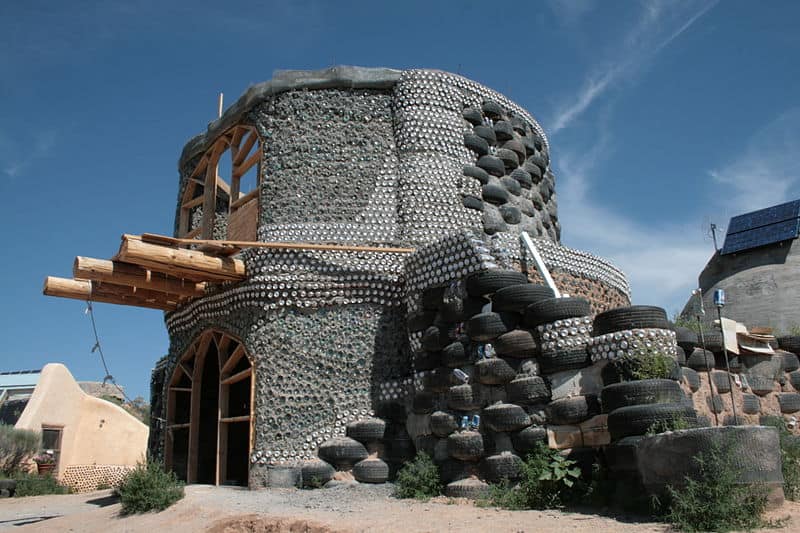
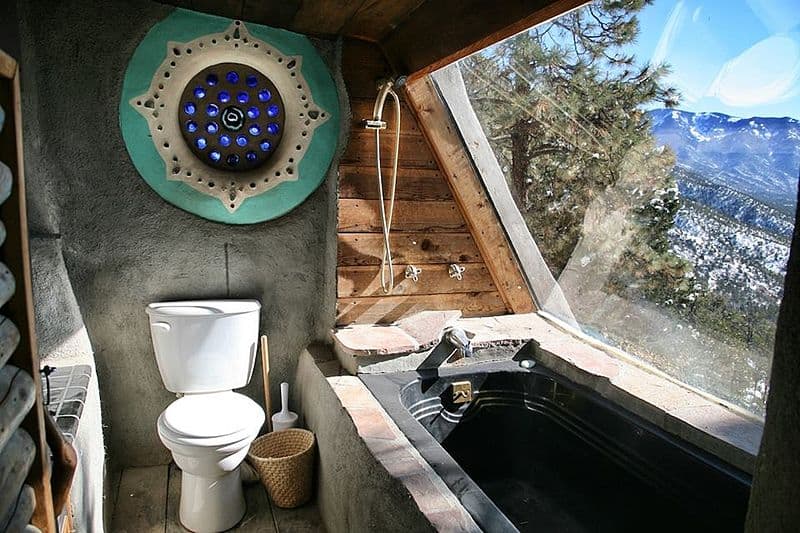
Photo by Jenny Parkins, CC BY-SA 2.0, via Wikimedia Commons
The key feature: “Earthships” are independent of large electricity suppliers and therefore of environmentally harmful and fossil resources such as oil or coal, as they are largely self-sufficient: for example, water is heated using sunlight.
“Carnaval de Basura” by Eduardo Abaroa & “Social Sculpture” by Gerhard Baer
Upcycling in Mexico City: a megacity, an almost unprecedented mass of plastic waste, a German-Mexican cultural cooperation, two artists, two artist projects, many ideas for participation.
“Inventive Art Participatio”, the two artists involve preschool children and educators in the collection and design of plastic waste materials.
In 2010, as part of his work "Carneval de Basura," Eduardo Abaroa a participatory component with high school and preschool children. His idea of creating dinosaurs from PET bottles inspired both children and educators.
Gerhard Baer opens his artistic practice to laypeople and offers opportunities for community building. The artist relocates his studio, his working methods, and his machine—which can heat polyethylene waste into a malleable raw material—into the everyday lives of the participants.
And another shining example from architecture: Markus Heinsdorff
When we talk about the spearhead of upcycling art, one name is unavoidable: Markus Heinsdorff . While many artists use waste as mere material for sculptures, Heinsdorff goes a radical step further. He leaves the protected space of the gallery and ventures into the realm where design determines life and dignity.
Heinsdorff calls his work "installation architecture" . He is not looking for decorative solutions, but for answers to the most pressing questions of our time: How do we house millions of people without ultimately suffocating the planet?
The philosophy: From waste to "property"
Over the past two years (2024–2026), Heinsdorff has massively advanced his projects in African metropolises and rural regions. His approach is as simple as it is ingenious: he uses what globalization has left behind as waste and transforms it into local architecture.
- Material scouting: Heinsdorff sees not a problem in a pile of PET bottles or discarded pallets, but rather a "raw material depot". In his projects in countries like South Africa or Ghana, he uses plastic waste that is often lying around unused in large quantities on site.
- Low-tech, high-impact: His architectural projects are based on simple plug-in and connection systems. He develops prototypes that can be replicated by the local population without expensive specialized tools. That's empowerment .
A concrete example: The “plastic house” of the future
One of his most remarkable recent projects uses pressed plastic waste as insulation and building elements .
- The structure: He designs delicate scaffolds (often made of bamboo or scrap wood) that are extremely stable yet lightweight.
- The shell: The walls are made from upcycled materials – often a combination of wire mesh and filled plastic bottles or pressed plastic sheets.
- The climate miracle: The air layers within the plastic waste create natural insulation. In the scorching hot regions of sub-Saharan Africa, this results in an indoor climate that makes conventional corrugated iron shacks look like ovens.
Upcycling: a lasting trend?
In a society where awareness of the impact of our actions on the environment in our daily lives is growing, the topic of upcycling will continue to gain importance.
It is a mindful and environmentally conscious consumption practice that everyone can easily adopt for themselves and their shopping habits. The concept has been very popular for many years and has already convinced millions of people, turning them into enthusiastic supporters.
Therefore, lifestyle brands must continue to monitor this trend very closely. It's a genuine alternative to throwaway consumption and fast fashion.
For these reasons, I am convinced that upcycling will remain an essential part of our consumption habits in the future.
However, I also see limitations to this trend in terms of gaining sufficient support and acceptance among the general population. It won't solve the problem of our mountains of waste. Rather, there's a risk that eco-cycling will ultimately remain a small, fringe area or niche phenomenon.
Ideally, a complete change of mindset would be desirable for both consumers and producers. However, that is probably – at least for the moment – still a bit too idealistic and lofty.
But surely one is allowed to dream a little about utopia 🙂

Owner and Managing Director of Kunstplaza . Publicist, editor, and passionate blogger in the fields of art, design, and creativity since 2011. Graduated with a degree in web design from university (2008). Further developed creative techniques through courses in freehand drawing, expressive painting, and theatre/acting. Profound knowledge of the art market gained through years of journalistic research and numerous collaborations with key players and institutions in the arts and culture sector.
Featured Art



Design and Decor Highlights
-
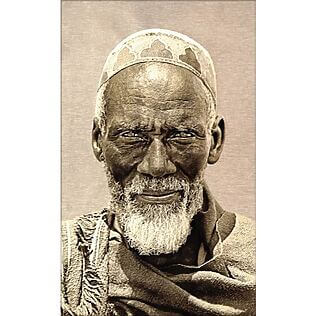
 Handwoven tapestry "Ethiopian Nomad" by Serge Anton, sound-absorbing
544,00 €
Handwoven tapestry "Ethiopian Nomad" by Serge Anton, sound-absorbing
544,00 €
VAT included.
Delivery time: 10-17 working days
-
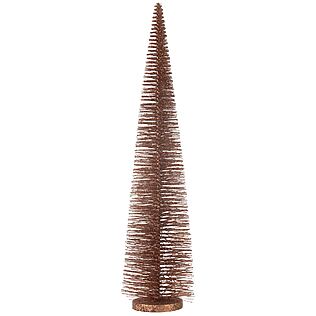
J-Line Decorative Christmas Tree, subtle glitter effect (brown)
39,95 €
VAT included.
Delivery time: 1-3 working days
-
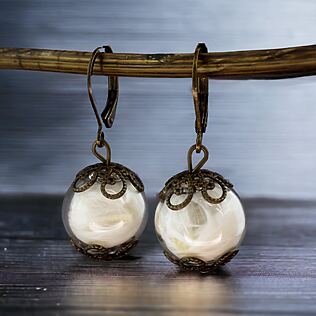
Angel wing earrings with feathers in a glass sphere - A touch of heaven
19,90 €
VAT included.
Delivery time: 4-8 working days
-
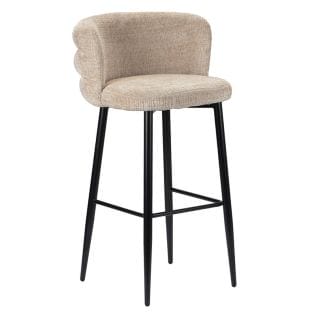
Bar stool / Bar Chair "Cloud" with cream-colored upholstery
The original price was: €279.90279,90 €The current price is: €279.90.223,92 €VAT included.
Delivery time: 5-10 working days
-
J-Line Human Sculpture with Open Arms, Resin (Beige)
139,00 €
VAT included.
Delivery time: 2-4 working days
-
The Raffia Macrame Wall Decor (white-natural)
124,95 €
VAT included.
Delivery time: 2-4 working days
-
Violin's Melody - Metal wall object with violin
88,95 €
VAT included.
Delivery time: 3-5 working days