The fascinating civilization of the ancient Egyptians undoubtedly ranks among the most impressive and significant in world history. But they were not the only ones to shape this country – other ethnic groups also left their mark, making Egypt a unique fusion of Arab, Islamic, and Mediterranean influences.
This rich and multifaceted history has created an impressive wealth of cultural and archaeological treasures that are unparalleled. In fact, the country is home to a third of all antiquities worldwide.
From the majestic pyramids, whose imposing presence still inspires admiration, to the mighty Nile flowing calmly through the heart of Egypt, to the stark beauty of the Sahara and the pristine beaches of the Red Sea – Egypt is a destination full of unparalleled sights waiting to be discovered.
Egypt's Cultural Heritage – A Journey Through Time and Artisanity
The North African country, with the Nile as its lifeline, reveals itself to us as a fascinating world in which the sands tell the story of past pharaohs, majestic pyramids are silent witnesses to a bygone civilization, and the vibrant culture of Egypt seamlessly blends with the breathtaking landscapes that have sheltered it for centuries.
Egypt, a land of contrasts, invites us on a journey through the ages, from the legends of the Ennead to the modern pulse of its cities. Egyptian fashion draws its inspiration from ancient traditions as well as contemporary influences. Traditional garments like the galabeya and intricately patterned scarves reflect a connection to the past, while modern designers lend their creations a fresh, contemporary feel.
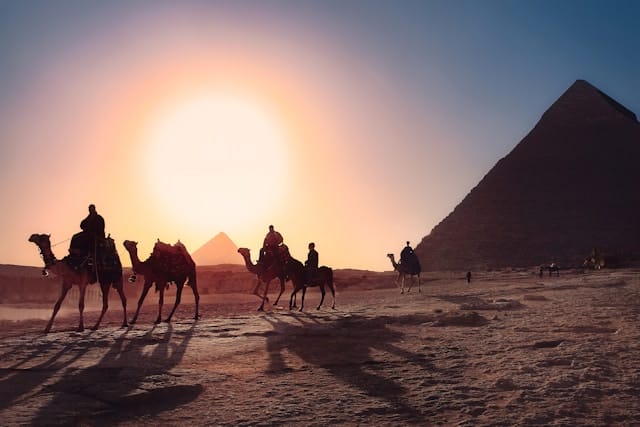
None of the ancient civilizations exerts such a powerful fascination to this day as that of the Egyptians. Photo by Simon Berger @8moments, via Unsplash
From vibrant textiles to exquisite jewelry, Egyptian fashion tells a story that unites generations. It creates a symphony of Egypt's rich cultural heritage, where every artifact, every hieroglyph, and every piece of jewelry carries the echo of a bygone era.
The artistry of the ancient Egyptians unfolds as a tableau of skill, transforming simple materials into works of beauty and awe. Hieroglyphs provide a narrative that reaches back to the very beginnings of human civilization. Beyond the intricacies of its culture, Egypt's legacy is a testament to human achievement.
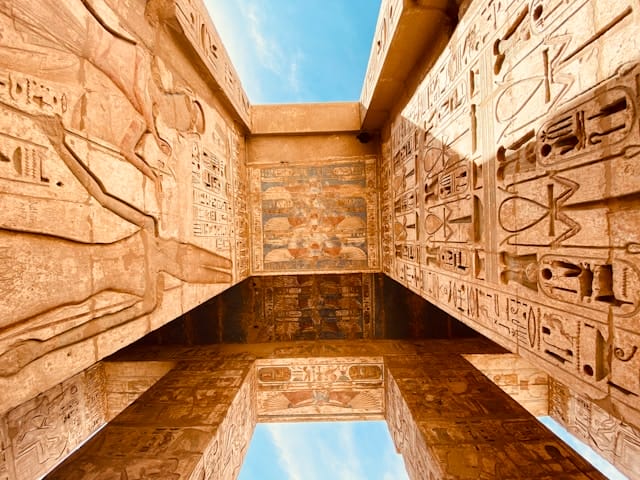
The Theban necropolis in Al Aqaleta (Egypt) is a proud testament to an elaborate and sophisticated civilization on the Nile. Photo by Mo Gabrail @gabrail, via Unsplash
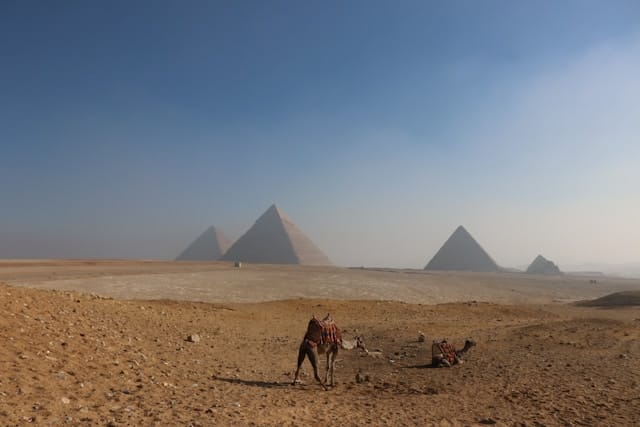
The pyramids rise majestically from the desert and have stirred the imagination for centuries. These monumental structures, technical masterpieces of their time, are monuments to both human creativity and the divine power that underpinned their creation.
They rise majestically in the middle of the Egyptian desert – the Pyramids of Giza. Photo by Spencer Davis @spencerdavis, via Unsplash
In a land where the past is alive, modernity shines with a uniquely Egyptian energy. Cairo's bustling streets pulsate with life, reflecting the joie de vivre of a people who embrace change while respecting their deep roots.
The synthesis of tradition and contemporary life is also evident between ancient bazaars and modern art galleries, between the whispers of history and the rhythms of the present. And when the sun sets, Egypt transforms into an oasis of nightlife.
Important places that represent the heart of Egyptian culture
When observing people, it is important to understand their inner selves. But with places, the external also plays a crucial role in grasping their true essence. The landscapes and sites of Egypt, such as the majestic pyramids and the mighty Nile, have significantly shaped the country's history in the past, present, and future.
Let us consider the visual narrative of Egypt through six seminal sites and structures.
The Pyramids
The Pyramids of Giza in Egypt are among the most famous and oldest surviving structures of humankind. They stand on the western edge of the Nile Valley, about eight kilometers southwest of the city of Giza. They are approximately 15 km from Cairo's city center. Photo by Emily Liang @mmfoto713, via Unsplash
Egypt is proud to be home to one of the oldest and last remaining Wonders of the Ancient World – the Great Pyramid of Giza . This pyramid was built more than 5,000 years ago for Pharaoh Khufu. Despite its worldwide fame, Egypt is also home to over 118 other such impressive tombs.
These monumental structures are not only memorials to pharaohs and queens, but also windows into the minds of our ancestors, who gazed towards the heavens. Through their mystical alignment with the stars, the pyramids were considered gateways to the night sky and illustrate that history still holds many secrets.
Great Sphinx of Giza – Watchful Icon of Egypt
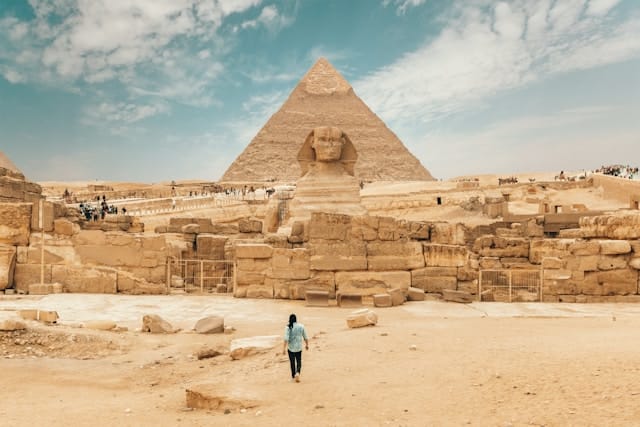
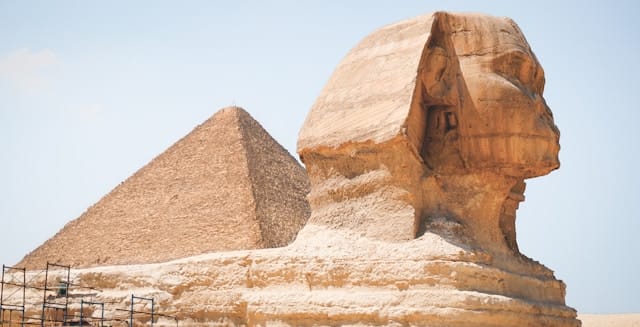
The Great Sphinx of Giza, at over 70 meters long and 20 meters high, is probably one of the most famous structures of ancient Egypt. Photo by Francisco Gomes @franciscosantosgomes, via Unsplash
The Sphinx , a mythical creature merging the elements of lion and man, is widely regarded as a symbol of Egyptian culture. Masterfully carved into the rocks of the Giza Plateau, it attracts visitors from all over the world.
Numerous mysteries surround the Sphinx: its origin, its creator, the mystery behind its form – but the most fascinating question is how it was created in the first place. As the world's largest monolithic monument, carved from a single block of limestone, it exerts an unparalleled attraction and reveals the wonders of ancient architecture.
Sand and desert
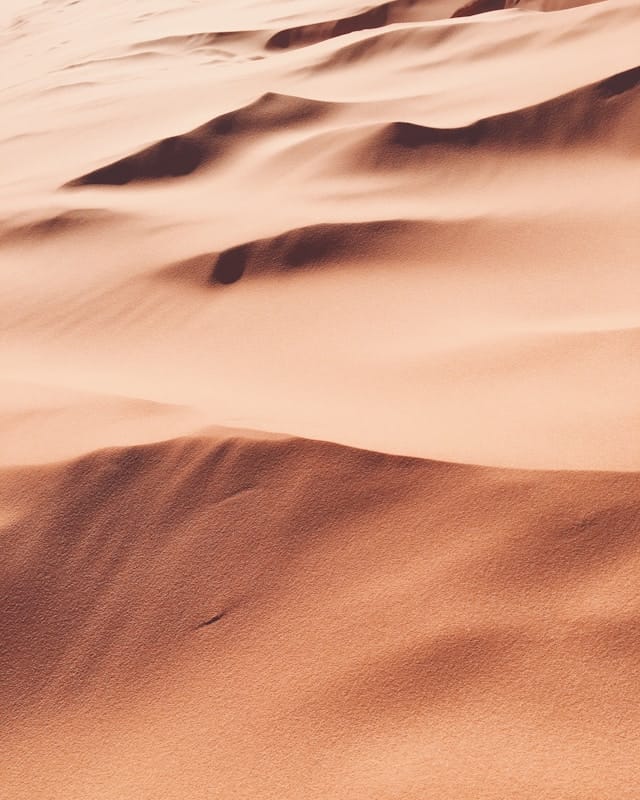
Egypt's desert sands hold more treasures than they first appear. Photo by Heather Shevlin @thehmstravels, via Unsplash
When you think of Egypt, the desert to mind. Roughly two-thirds of the Egyptian landscape is desert, dominated by the Eastern Desert, the Sinai Desert, and the Western Desert (part of the Sahara). Although Egypt's deserts may appear at first glance to be vast, barren expanses, they actually hold some treasures.
The Egyptians took advantage of the extraction of valuable materials such as limestone (think of the Sphinx), granite, amethyst, copper, and even gold. But how best to protect these precious materials? The desert itself acts as a protective mechanism, since only the locals know how to navigate it.
Cairo – A vibrant metropolis and cultural melting pot
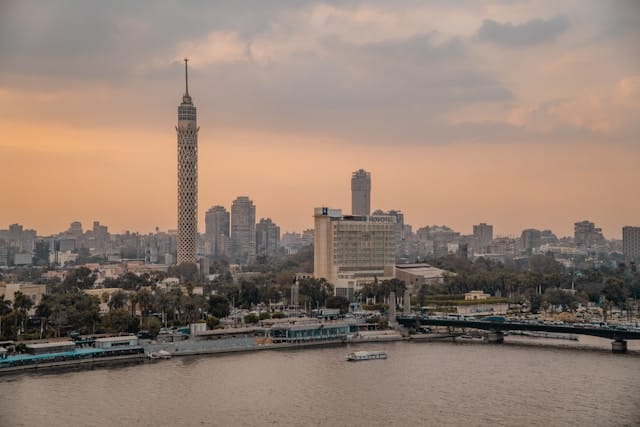
View of Cairo. Photo by Jack Krier @jackroaming, via Unsplash
Cairo , the vibrant capital of Egypt, is a captivating metropolis, one of the world's most important cities. With an impressive population of over 19 million, it ranks among the largest cities in Africa and indeed the world. Cairo is not only the cultural and political heart of Egypt, but also a true treasure trove of Islamic architecture, which is why it is often called the "City of a Thousand Minarets .
A particular gem is the Egyptian Museum , which houses the largest collection of Egyptian artifacts on our planet – including Tutankhamun's iconic death mask and many other treasures from his tomb.
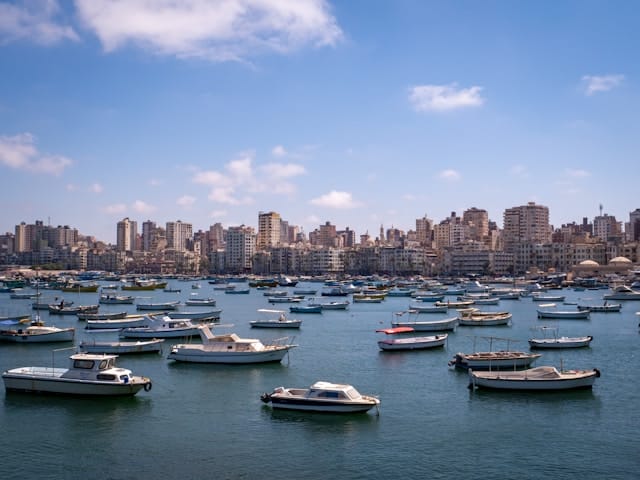
Alexandria – Pearl of the Mediterranean
The Egyptians call their port city of Alexandria the "Pearl of the Mediterranean." Right on the coast lies the country's literary jewel – the Library. Photo by Flo P @nattyflo, via Unsplash
Alexandria , Egypt's second-largest city, is often called the "Pearl of the Mediterranean" due to its perfectly preserved state and rich cultural heritage. The name of this port city is attributed to Alexander the Great, who is said to have founded it, thus giving it a history spanning over 2,000 years.
Today, Alexandria is a major economic and industrial center thanks to the Suez gas and oil pipelines. Both outwardly and historically, the city represents ancient Egyptian culture and history as well as modern Egyptian civilization.
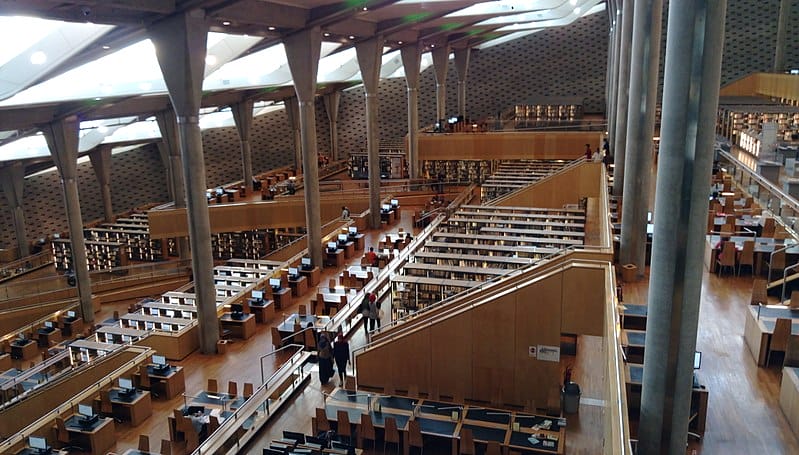
This port city is also home to the country's literary jewel: the Bibliotheca Alexandrina . This modern mega-library, opened in 2002, impresses with its circular design, reminiscent of a radiant sun disk rising majestically from the sea.
The Great Library of Alexandria is famous for having been the largest book collection of antiquity. Photo by Azniv Stepanian, CC BY-SA 4.0, via Wikimedia Commons
The legendary Library of Alexandria houses a priceless treasure trove of knowledge, offering fascinating insights into the rich history of Arab life. The innovative project “Memory of the Arabs” is passionately dedicated to preserving this cultural heritage and making it accessible to the world online.
The Nile – the lifeblood of Egypt
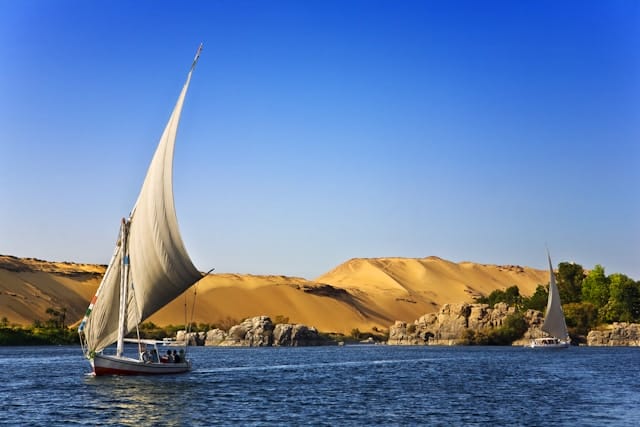
The Nile offers a particularly good opportunity to explore the cultural treasures and memorable sites of the ancient civilization. Photo by Flying Carpet @flying_carpet_tours, via Unsplash
Egypt, the land of the pyramids and ancient civilization, conceals a fascinating secret within its seemingly arid desert landscape. Despite the dominant vast sand dunes and the heat, it was precisely the banks of the mighty Nile that paved the way for the Egyptians to develop one of the first mass agricultures.
The Nile , the longest river in the world, meanders majestically for over 4,000 miles and is not only the lifeblood of Egypt, but also its most important source of water. With its vital presence, the Nile has significantly shaped the history and development of Egypt.
Traces of millennia of history and culture can be found along its banks, from the imposing pyramids to the magnificent temple complexes. But that's not all – the river also served as a trade route for the export of various goods such as pottery, linen, lentils, papyrus, ox hides, and even works of art, which aroused admiration far beyond the borders of Egypt and brought prosperity to the country.
Thus, along the banks of the Nile, a rich network of culture, history and trade unfolded from the barren desert soil, making Egypt a true haven of civilization.
Discover Egypt's cultural treasures with a Nile cruise
As an avid traveler, I have always been fascinated by the history and culture of ancient Egypt. One of the best ways to explore this captivating world is on a Nile cruise . On such a cruise along the world's longest river, you can not only enjoy the breathtaking beauty of the landscape but also discover ancient temples and monuments located along the Nile.
Having immersed ourselves in the diverse culture of Egypt, this section focuses on exploring ancient temples and cultural highlights along the Nile. I will also present the best time to take a Nile cruise to visit the most important temples and create unforgettable memories.
The best time for a Nile cruise
The best time for a Nile cruise is between October and April . During this period, the weather is pleasantly warm, but not too hot, and there is little rain. Temperatures typically range between 20 and 30 degrees Celsius, which is perfect for exploring the ancient temples and monuments along the Nile.
It is also the peak season for tourism in Egypt , so you can meet many like-minded people and enjoy a lively atmosphere.
Exploring ancient temples along the Nile
Explore the remains of temples and tombs and feel in their enduring architecture the pulse of a society that worshipped its gods and celebrated its pharaohs.
A Nile cruise offers the unique opportunity to explore a multitude of ancient temples and monuments scattered along the Nile. We present the most famous ones:
The Valley of the Kings
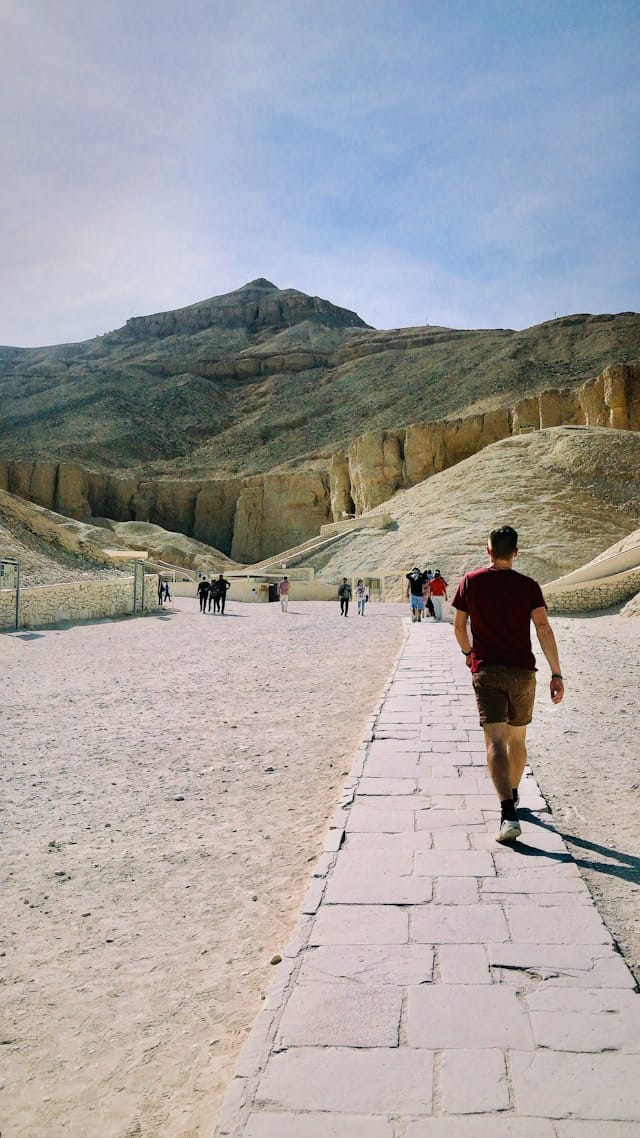
The Valley of the Kings is an archaeological site in Egypt, located on the west bank of the Nile opposite Thebes, modern-day Luxor . It is one of the most important burial sites of ancient Egypt and was the preferred burial place for pharaohs, queens, princes, and high-ranking officials for a period of approximately 500 years, from the 18th to the 20th Dynasties (c. 1540–1070 BC).
Valley of the Kings photo by Lynn Van den Broeck @lynnvdbr, via Unsplash
The Valley of the Kings was chosen to house the pharaohs' tombs because of its remote location and the rugged rock formations that acted as a natural barrier. This location was intended to provide the tombs with additional protection from grave robbers. In total, more than 60 royal tombs have been discovered in the Valley of the Kings.
The tombs in the Valley of the Kings are famous for their magnificent wall paintings and hieroglyphs, which were intended to guide the deceased in their afterlife. The tomb walls depict scenes from the Egyptian Book of the Dead, religious texts, and representations of gods. The colors of the paintings are remarkably well preserved even after millennia.
The most famous tomb in the Valley of the Kings is that of Tutankhamun , discovered by Howard Carter in 1922. It was one of the few tombs found to be virtually untouched and contained a rich collection of treasures and artifacts. The discovery of Tutankhamun's tomb played a major role in sparking worldwide interest in Egyptian archaeology.
The Valley of the Kings is a fascinating testament to Egyptian history, offering insight into burial rites and the belief in an afterlife in ancient Egypt. It is a site of great cultural significance and continues to be the subject of archaeological research and discoveries.
Hatshepsut Temple
Hatshepsut 's temple was built into the rock of a steep cliff face and extends over several terraces. The temple's structure is a remarkable example of Egyptian architecture, demonstrating a harmonious connection between nature and construction. The temple was designed by the architect Senenmut, who was also a close confidant of the pharaoh.
Access to the temple is via a processional avenue flanked by sphinxes. The first terrace of the temple contains a hypostyle hall with statues of the female pharaoh and various offerings. The second terrace features further hypostyle halls and chapels, while the third terrace houses the main part of the temple. There, one finds the central shrine containing the sanctuary of Hatshepsut.
The walls of Hatshepsut's temple are richly decorated with reliefs and hieroglyphs depicting various scenes from the pharaoh's life. The reliefs also recount trade and military expeditions undertaken by Hatshepsut during her reign. These decorations are of great historical significance, as they offer insights into the political and cultural landscape of Egypt during her time.
Today, the Temple of Hatshepsut is a popular tourist attraction and an impressive example of ancient Egyptian architecture. The temple draws visitors from all over the world who come to admire its magnificent reliefs, majestic design, and unique history. The Temple of Hatshepsut is a significant part of Egypt's cultural heritage and a symbol of the power and legacy of a remarkable female pharaoh.
The Karnak Temple and the Luxor Temple
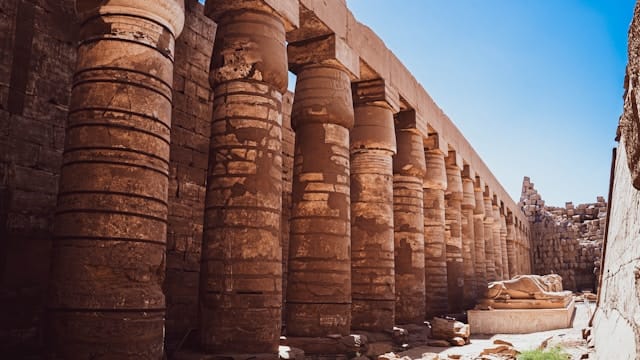
Karnak Temple Complex Photo by 2H Media @2hmedia, via Unsplash
They are two of the most important ancient Egyptian temples located in Luxor, Egypt. These temples are a UNESCO World Heritage Site and attract thousands of visitors every year.
Karnak Temple:
The Karnak Temple complex comprises a multitude of temples, hypostyle halls, pylons, shrines, and sacred lakes. The most impressive structure within the Karnak tomplex is the Great Temple of Amun, flanked by a long processional avenue known as the Avenue of Sphinxes. The temple is renowned for its monumental pylons, enormous hypostyle halls, and impressive obelisks.
The walls and columns of the Karnak Temple are decorated with hieroglyphs, reliefs, and depictions of gods and pharaohs. These elaborate representations tell of historical events, religious ceremonies, and the beliefs of the ancient Egyptians.
Luxor Temple:
The Luxor Temple, located on the east bank of the Nile, was another important religious center in ancient Egypt. The temple served as a backdrop for religious festivals and processions. Inside, there are magnificent hypostyle halls, of which the Hall of Columns with papyrus capitals is particularly impressive. The temple also contains chapels dedicated to various deities, as well as the shrine of Amun.
Similar to the Karnak Temple, the walls of the Luxor Temple are decorated with reliefs and hieroglyphs depicting scenes from Egyptian life and mythology. The temple was covered by sand and sediment over the centuries and was only rediscovered and restored in the 19th century.
Visitors to the temples of Karnak and Luxor can experience the impressive architecture, artistic details, and spiritual significance of these sacred sites. These temples are not only historically important but also a window into the fascinating world of ancient Egypt.
The Sobek Temple in Kom Ombo
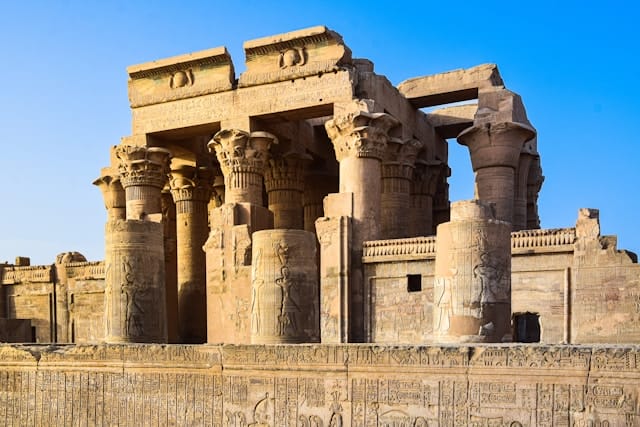
The Temple of Sobek in Kom Ombo is a unique Egyptian temple located in the town of Kom Ombo on the banks of the Nile. The temple is dedicated to the crocodile god Sobek and the falcon god Horus. What makes the Temple of Sobek particularly special is its dual structure, as it consists of two symmetrical sections, each dedicated to one of the gods.
The double temple of Kom Ombo is an ancient Egyptian temple complex on the east bank of the Nile in Upper Egypt. Photo by AXP Photography @axpphotography, via Unsplash
The temple consists of two separate parts, each with its own entrance, extending along a central axis. The eastern part of the temple is dedicated to the falcon god Horus , while the western part is dedicated to the crocodile god Sobek. Both parts of the temple are connected by a shared hypostyle hall.
Another interesting attraction of the Sobek Temple is the Crocodile Museum, located next to the temple. There, mummified crocodiles are on display, which served as offerings to the crocodile god Sobek . These crocodile mummies illustrate the cultic aspect of the temple and the worship of Sobek by the ancient Egyptians.
The Temple of Sobek in Kom Ombo is a significant archaeological site and a popular tourist destination. The temple offers insights not only into the worship of Sobek and Horus, but also into the religious and medical practices of ancient Egypt. The Temple of Sobek is a remarkable example of the unique architecture and spirituality of ancient Egypt.
Tips for a successful Nile cruise
To ensure your Nile cruise is a success, there are a few important tips to keep in mind. First, pack light clothing, as it is often hot in Egypt. Also, remember to bring sunscreen and a hat to protect yourself from the intense sun.
Suitable clothing & equipment
The majority of Egypt's population is Muslim, and women dress modestly, wearing long-sleeved tops and ankle-length skirts. There are no strict dress codes for visitors, but it is recommended respectful clothing , especially in religious areas such as mosques. Light colors and loose-fitting linen clothing are recommended in the heat.
A scarf, a floppy hat, and sunglasses provide sun protection. Hiking boots are essential. On Egyptian evenings during cruises, you can wear a jalabiya, a traditional dress. Sleeveless tops and shorter skirts are permitted on board the ship.
Drinking, hygiene & health
It's also important to remember that Egypt has a hot climate year-round, which means staying hydrated is essential. Your cruise line will usually provide plenty of bottled water, so you won't need a reusable water bottle.
It is known that tap water in Egypt can cause stomach problems , so I recommend brushing your teeth with bottled water. It is advisable to avoid raw vegetables and swimming in the Nile or its canals to minimize the risk of bacterial infections. Peel fruit before eating it.
In case of diarrhea or stomach problems, medications such as antidiarrheals and antacids can be very helpful and should therefore be carried along as a precaution.
A good insect repellent is essential, as flying pests like mosquitoes and flies are widespread. Don't forget to pack your sunscreen either.
Cost
The cost of a Nile cruise can vary considerably, depending on the cruise line, the duration of the trip, and the time of year. Well-known companies like Viking, AmaWaterways, and Uniworld charge higher prices than lesser-known providers such as Mövenpick or Sonesta.
For a 10-day cruise with the major lines, prices can range from €3,500 to €7,500 per person, while 12-day trips can cost up to €12,000 – including accommodation, transfers, meals, and flights. Less well-known lines typically offer shorter itineraries, such as three-night cruises starting at around €550 per person. Autumn and winter cruises are more expensive than summer cruises during the warmer months.
A few words about safety and tipping
A Nile cruise is considered one of the safest river cruises in the world. Despite past religious unrest in the region, there have been no terrorist attacks along the Nile for over a decade. However, armed escorts may be present during your cruise and shore excursions.
This might seem unsettling to some visitors, but it can also be reassuring. In Egypt, it's common practice tip . A reasonable guideline is around €2 per person per day.
More tips from the cruise expert (in English)
Seven out of ten travelers told African-born cruise expert Gary Bembridge that they definitely wanted to take a Nile cruise. But almost all of them complained to the Briton that they probably wouldn't do it because they had too many questions and concerns.
Having taken a Nile cruise himself, he now provides answers to the most pressing questions in his YouTube video:
Owner and Managing Director of Kunstplaza . Publicist, editor, and passionate blogger in the fields of art, design, and creativity since 2011. Graduated with a degree in web design from university (2008). Further developed creative techniques through courses in freehand drawing, expressive painting, and theatre/acting. Profound knowledge of the art market gained through years of journalistic research and numerous collaborations with key players and institutions in the arts and culture sector.
We use technologies such as cookies to store and/or access device information. We do this to improve your browsing experience and to display (non-)personalized advertising. If you consent to these technologies, we can process data such as browsing behavior or unique IDs on this website. Refusal or withdrawal of consent may adversely affect certain features and functions.
Functional
Always Active
Technical storage or access is strictly necessary for the legitimate purpose of enabling the use of a specific service expressly requested by the subscriber or user, or for the sole purpose of carrying out the transmission of a message over an electronic communications network.
Preferences
The technical storage or access is necessary for the legitimate purpose of storing preferences that were not requested by the subscriber or user.
statistics
Technical storage or access that is solely for statistical purposes.Technical storage or access that is used solely for anonymous statistical purposes. Without a subpoena, the voluntary consent of your internet service provider, or additional recording by third parties, the information stored or retrieved for this purpose cannot generally be used to identify you.
marketing
Technical storage or access is required to create user profiles, to send advertising, or to track the user on one or more websites for similar marketing purposes.











 Floral metal wall relief "Merida" with a glossy leaf motif
178,00 €
Floral metal wall relief "Merida" with a glossy leaf motif
178,00 €