We read texts that are translations . We encounter translations in instruction manuals, product descriptions, on websites, and of course in books.
Reading a novel translated from another language always involves interpreting the original work. Translation inherently involves interpretation. Especially in literary translation, the narrative must be reinterpreted and, to a certain extent, reinvented.
Only then will it be possible to translate them into another language.
Translation means transferring a text from one language to another. What might sound simple at first is, upon closer inspection, much more complex. Translation is not simply about transferring a text word for word – it's about building a linguistic bridge. A distinction is made between translations of informative texts, such as non-fiction books or instruction manuals, and translations of literary works.
While the former often manage with a rather mechanical-seeming word-for-word translation, the situation is considerably more complicated with literary texts. A successful literary translation must not only convey the meaning of the original, but also take into account the culture of the source language, in a sense the spirit of the language.
This includes, above all, figurative language and idioms, but also the grammatical peculiarities of the respective language. Especially with idioms, literal translations can quickly lead to misunderstandings. Therefore, a translator of a text is not simply a translator, but also an attentive reader, interpreter, and ultimately the author of a completely new, original work.
A work that becomes a bridge between the languages and thus also the cultures of the original text and the translation. Thanks to translation, we are able to communicate with people from all countries of the world, from completely different cultures and even from different eras.
The challenges of literary translation
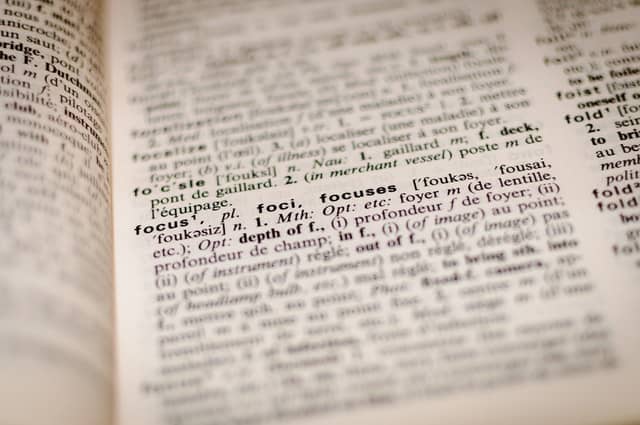
The art of literary translation. Photo by Romain Vignes @rvignes, via Unsplash
A good literary translation is primarily characterized by its ability to convey a story precisely and accurately into another language. Like the original narrative, a translation should read smoothly and engagingly, captivating the reader. Crucially, the translation should evoke similar emotions in the reader as reading the original.
To avoid creating a completely new narrative, the translation should be as close as possible to the original in terms of meaning and content, while still taking into account the idiosyncrasies and peculiarities of the target language. Idioms and humor, in particular, differ significantly between most languages, which is why a literal translation would often fail to achieve the desired effect on the reader.
Literary translation is characterized by adapting the meaning of the story to the target language and its culture without straying too far from the original text. Successful literary translation is therefore a balancing act. On the one hand, the translator should avoid translating too literally, so as not to diminish the story's vividness. On the other hand, the translator should also avoid deviating too much from the original text, lest they create an entirely new narrative.
This video is embedded using YouTube's enhanced Privacy mode, which blocks YouTube cookies until you actively click to play the video. By clicking the play button, you consent to YouTube placing cookies on your device, which may also be used to analyze user behavior for market research and marketing purposes. For more information about YouTube's use of cookies, please see Google's Cookie Policy at https://policies.google.com/technologies/types?hl=de.
Can the word "Gleich" (seal/poetry) even be translated?
Perhaps the most significant challenge is the translation of poetry . Opinions are divided as to whether it is even possible to meaningfully translate poetry without the work losing its identity. This is because poetry thrives on the sound and rhythm of the respective language . Lyrical works are usually rich in rhetorical devices and often so multifaceted and complex that a poem cannot be translated into another language without considerable loss.
Translating poetry usually results in entirely new poetry, adapted to the characteristics of the target language. When translating poetry, the translator has the choice of remaining as close as possible to the wording of the original, which often compromises the poem's rhythm and rhyme.
Alternatively, the translator might opt for a particularly artistic and creative translation, packaging the poem's meaning into a revolutionary form adapted to the aesthetics of the target language. This often results in a brand-new poem whose content is strongly based on the original, yet possesses new characteristics. Whether these are still translationsor already reinterpretations is another question.
Can the translator be replaced by artificial intelligence?
Machines and artificial intelligence are playing an increasingly important role in our everyday lives. More and more people are also relying on automated language services , and their translation capabilities are constantly improving. Google Translate has around half a billion users every month and now translates from 109 different languages.
artificial intelligence is capable of translating a text word for word into another language, this is far from all that matters for a successful translation. Translation is about a deep understanding of the entire text – its connections, ambiguities, and imagery.
Even the most advanced computer programs struggle with creative language use. To translate a text skillfully, one must be able to empathize with it and understand it not only on a logical but also on an emotional level. Only in this way can one convey what the author of the original text experienced and felt while writing it.
Have your books professionally translated by a certified translation agency
To ensure a successful book translation, it's advisable to consult a professional. Each work requires a different approach to the translation process. Successful book translations must always be tailored to the target audience and remain easily understandable.
Technical literature, primarily intended for informational and educational purposes, requires a translation that is as literal as possible, adhering precisely to the technical terminology. Translating a children's book demands a completely different writing style than translating a technical or medical textbook.
To have books professionally translated, you can contact a certified translation agency . Perfekt Translation Agency connects you with competent translators who specialize in various fields as literary and book translators. Depending on the subject matter, the texts are translated into the target language by translators with the appropriate specialization.
Translations here are exclusively done by native speakers and subsequently proofread by independent editors. The translation agency ideal is your partner for literary translations, technical translations of all kinds, as well as translations of instructions and manuals.
A truly successful translation of a text requires the translator to have a deep understanding of the context of the original text. They should be familiar with the linguistic idiosyncrasies of the original language and, last but not least, possess a feel for language as well as a certain degree of creativity and flexibility.
Whether it's literary or technical translation, the translator must be able to delve deeply into the text and understand it on all levels. Only then can they adequately render it into another language.
Owner and Managing Director of Kunstplaza . Publicist, editor, and passionate blogger in the fields of art, design, and creativity since 2011. Graduated with a degree in web design from university (2008). Further developed creative techniques through courses in freehand drawing, expressive painting, and theatre/acting. Profound knowledge of the art market gained through years of journalistic research and numerous collaborations with key players and institutions in the arts and culture sector.
We use technologies such as cookies to store and/or access device information. We do this to improve your browsing experience and to display (non-)personalized advertising. If you consent to these technologies, we can process data such as browsing behavior or unique IDs on this website. Refusal or withdrawal of consent may adversely affect certain features and functions.
Functional
Always Active
Technical storage or access is strictly necessary for the legitimate purpose of enabling the use of a specific service expressly requested by the subscriber or user, or for the sole purpose of carrying out the transmission of a message over an electronic communications network.
Preferences
The technical storage or access is necessary for the legitimate purpose of storing preferences that were not requested by the subscriber or user.
statistics
Technical storage or access that is solely for statistical purposes.Technical storage or access that is used solely for anonymous statistical purposes. Without a subpoena, the voluntary consent of your internet service provider, or additional recording by third parties, the information stored or retrieved for this purpose cannot generally be used to identify you.
marketing
Technical storage or access is required to create user profiles, to send advertising, or to track the user on one or more websites for similar marketing purposes.







 Minimalist canvas print "Lipari No. 3", high-quality art print
89,00 €
Minimalist canvas print "Lipari No. 3", high-quality art print
89,00 €