The dog in art history
The dog is not only man's best friend , but also a popular motif in art . For millennia, it has accompanied people on their journeys and reflected their culture, their feelings, and their relationship with nature.
In this article, we'll take a journey through art history and explore the role of dogs in different eras, works, and art forms . We'll also discover how dachshunds, pugs, and other breeds perceive art and whether our loyal companions can even create art themselves.

Image source: Freepik
Show
table of contents
What role does (or did) the dog play in art?
The dog is one of humankind's oldest domesticated animals and therefore shares a long history with humans. Even in the Stone Age, rock paintings depict dogs as hunting companions or guardians.
In many ancient cultures, the dog was also revered as a symbol of certain gods, saints, or virtues . For example, in ancient Egypt it was considered the companion of the god of the dead, Anubis; in ancient Greece, it was an attribute of the healing god Asclepius; and in the Middle Ages, it symbolized loyalty and vigilance.
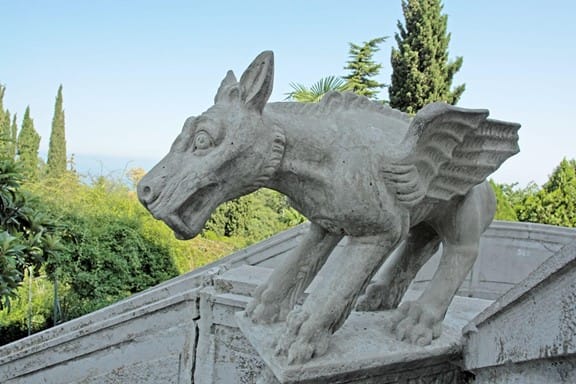
During the Renaissance , the image of the four-legged animal began to change. It was increasingly depicted as a status symbol or as an expression of personality and character.
Many famous artists, such as Leonardo da Vinci , Albrecht Dürer , and Rembrandt, painted portraits of themselves or others with their dogs. The dog thus became part of their individual identity and lifestyle.
In modern times , the dog became a versatile and experimental motif in art. It could convey realism as well as abstraction , humor or critique. Artists such as Pablo Picasso , Andy Warhol , and Jeff Koons used the animal as inspiration for their innovative works.
In doing so, they created new forms and meanings for different dog breeds and for the unique relationship between dogs and humans.
Famous works of art featuring dogs
There are countless works of art that depict or feature dogs. Here are some examples of well-known works from different eras and styles:
"Lady with an Ermine" by Leonardo da Vinci (around 1490)
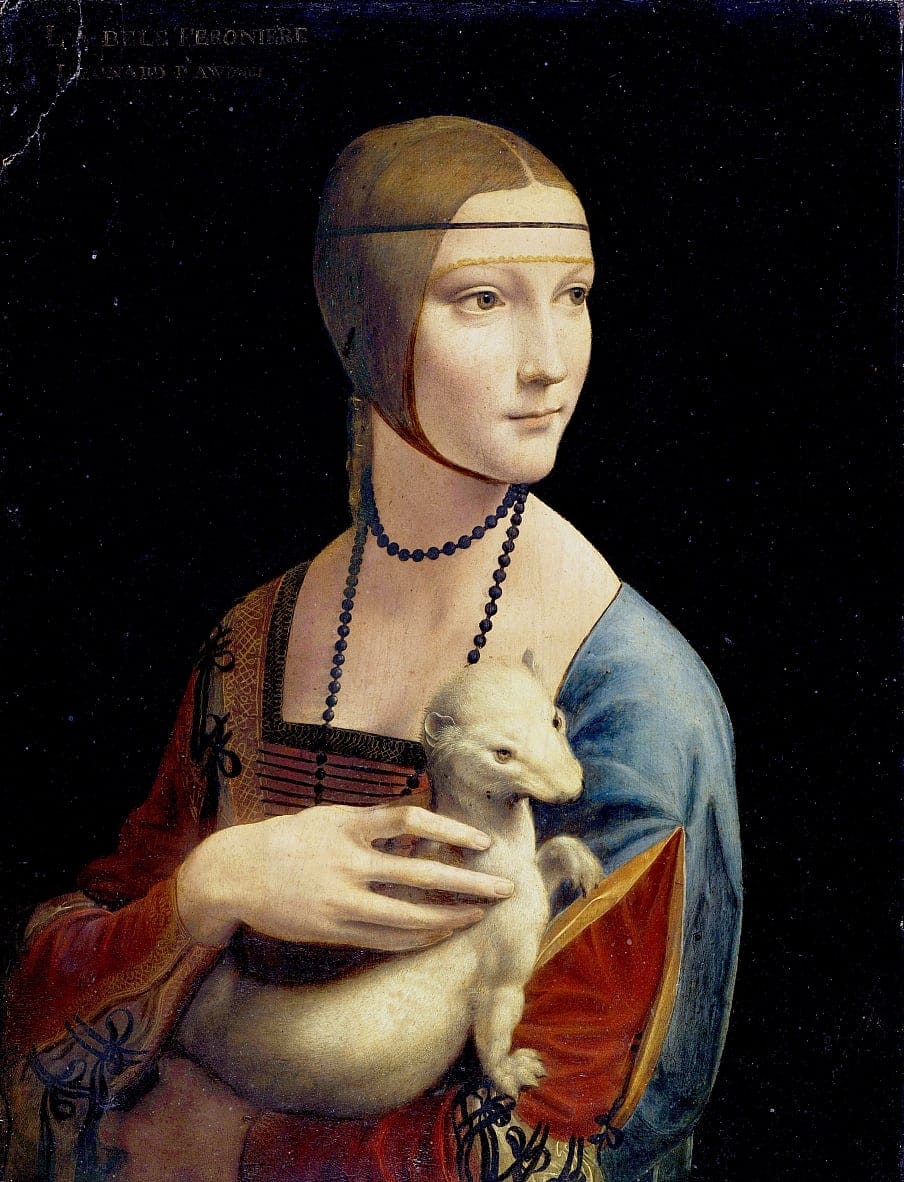
The portrait shows Cecilia Gallerani, the mistress of the Duke of Milan, with a white ermine on her arm. The ermine is a type of weasel, often mistaken for a small dog.
It symbolizes purity, beauty, and wisdom.
"Lying Dog in the Snow" by Franz Marc (1911)
The expressionist painting shows a colorful collection of animals, including a blue fox, a yellow tiger, a red deer, and a green dog.
The colors have a symbolic meaning: blue represents the spiritual, yellow the feminine, red the masculine, and green nature.
The Balloon Dog by Jeff Koons (1994-2000)
The sculpture is an oversized replica of a balloon dog made of polished stainless steel. It belongs to a series of five balloon animals in different colors (red, blue, yellow, magenta, and orange).
She plays with the contrast between the childlike motif and the high-quality material, and raises questions about the value and meaning of art .
Keith Haring's Dog (1985)
The graffiti depicts a stylized dog consisting of a black outline and red dots. The dog is one of the most recognizable symbols of the American artist, who campaigned for social justice and peace.
The dog can express different emotions, depending on whether it barks, growls, or smiles.
Dog artwork in front of the Guggenheim Museum in Bilbao
The dog artwork in front of the Guggenheim Museum in Bilbao is a huge sculpture of a West Highland Terrier puppy covered in colorful flowers. It is called “Puppy” and was created by the American artist Jeff Koons.
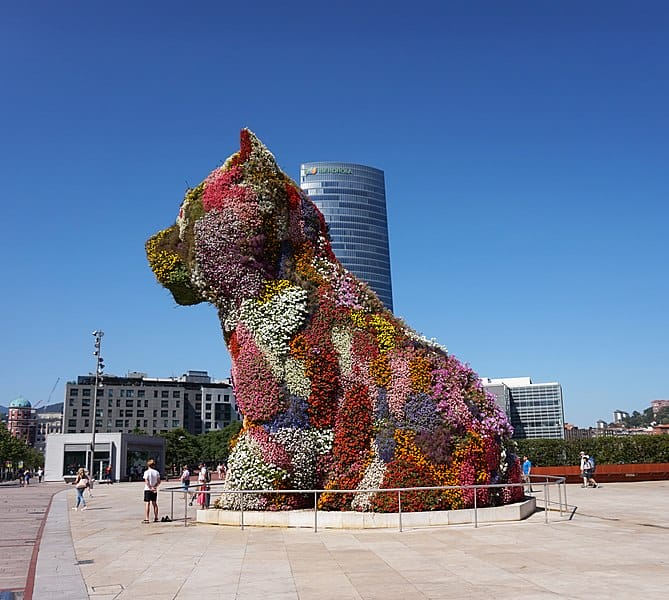
Image source: Tiia Monto, CC BY-SA 3.0, via Wikimedia Commons
It has stood in Museum Square since 1997 and is one of the city's most popular photo subjects.
5 European artists who have gone to the dogs
People value dogs as their closest companions. It is therefore not surprising that artists such as painters, sculptors and photographers have also been inspired by them.
However, rarely has such an extraordinary creative implementation been seen as with these five European artists, who are presented by DW in the following video.
In what other art forms can dogs be seen?
Besides painting and sculpture, there are many other art forms in which dogs play a role.
Here are some examples:
literature
Dogs are frequent and welcome protagonists or companions in novels, stories, or poems. They can drive the plot forward, create a specific mood, or reflect the character traits of the people.
Some famous literary dogs include Argos from the Odyssey, Lassie from the novel of the same name by Eric Knight, and Snoopy from the comic strip Peanuts by Charles M. Schulz.
film
Four-legged friends are popular actors or supporting characters in films of various genres. They can provide suspense, comedy, or emotion.
Some well-known cinematic dogs include Rin Tin Tin from the adventure films of the 1920s, Toto from The Wizard of Oz from 1939, and Beethoven from the eponymous US comedy from 1992.
Music
Furry friends are often the subject or inspiration for songs or musical pieces. They can reinforce or contrast the feelings or message of the artist.
Some well-known musical dogs include Old Shep from the country song by Red Foley, Lucy from the Beatles song Lucy in the Sky with Diamonds, and Snoop Dogg from the 1993 rap song Who Am I (What's My Name)?
Photography
The depiction of dogs also extends to motifs or models for photographs. These works of art capture the beauty or personality of the animal or tell exciting stories.
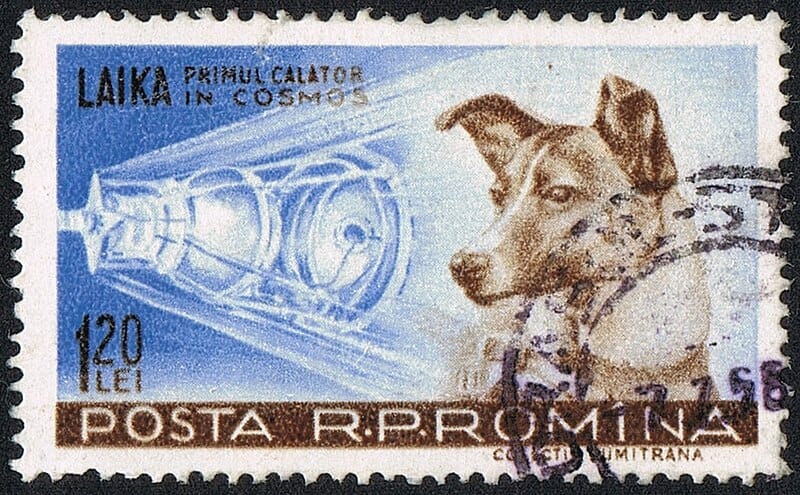
Some well-known dogs in photographs include Mopsi from the portraits of Man Ray, Nipper from the logo of the record company His Master's Voice , and Laika from the space photos of the Soviet space mission Sputnik 2.
Can dogs create art on their own?
The question of whether dogs can create art themselves is not easy to answer. It depends on how one defines art and what criteria one applies.
There are several examples of dogs that have allegedly painted or participated in artistic projects. For example:
- Tillamook Cheddar: This Jack Russell Terrier has been called "the world's first and most famous painting dog." He was trained by his owner, an artist, to apply paint to paper using his teeth and paws. His artwork has been exhibited and sold in several galleries.
- William Wegman : The American photographer and video artist is known for his humorous pictures and films featuring his Weimaraners. He dresses his dogs as people or animals and stages them in various situations. His works have been exhibited in many museums and have become part of popular culture.
- dOGUMENTA : The legendary art exhibition for dogs took place in New York in 2017. It was organized by an art critic who was inspired by her terrier. The exhibition featured ten works by different artists, specifically designed for the senses and behavior of dogs.
These examples show that dogs can at least participate in artistic activities when encouraged to do so by humans.
Whether they have their own creative intention or are simply reacting to stimuli is difficult to say. It therefore remains an open question whether dogs can truly create art or not.
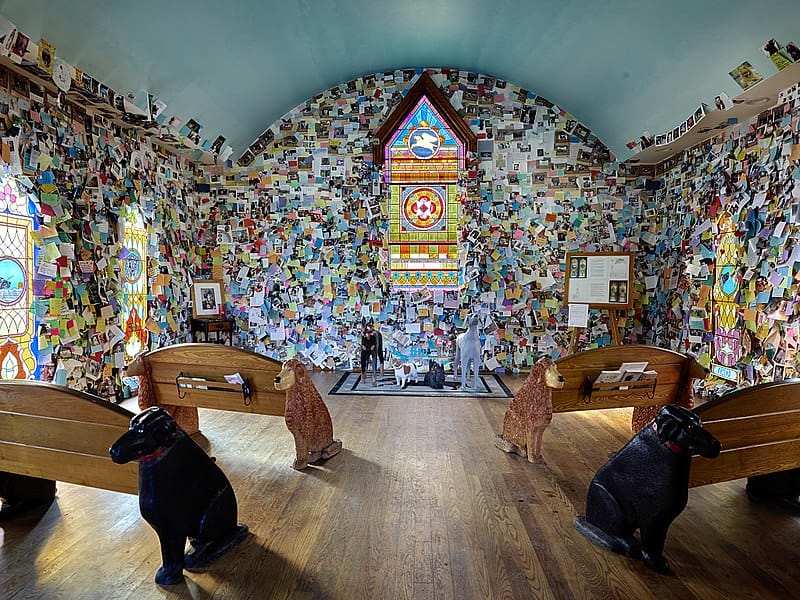
Photo by Carol M. Highsmith, via Wikimedia Commons
How do dogs experience painting and works of art?
Four-legged creatures perceive the (art) world differently than we humans do. They have different vision, a different sense of smell, and a different sense of taste. Therefore, they cannot experience paintings and works of art in the same way we do.
However, this doesn't mean they have no interest in or reaction to art. It depends on how the art is created and how it appeals to the dogs.
Dogs have limited color vision , only able to distinguish between blue and yellow. They also see fewer details and contrasts than humans. Therefore, they are more attracted to shapes, movements, and patterns than to colors. For example, they can recognize and react to geometric figures or silhouettes.
In contrast, four-legged animals have a very highly developed sense of smell, up to 100,000 times better than that of humans. They can therefore gather far more information from smells than from sight.
For example, they can determine the emotions, health, or identity of another living being based on its scent. Artworks that leave a scent or a trail are therefore particularly popular with our four-legged friends.
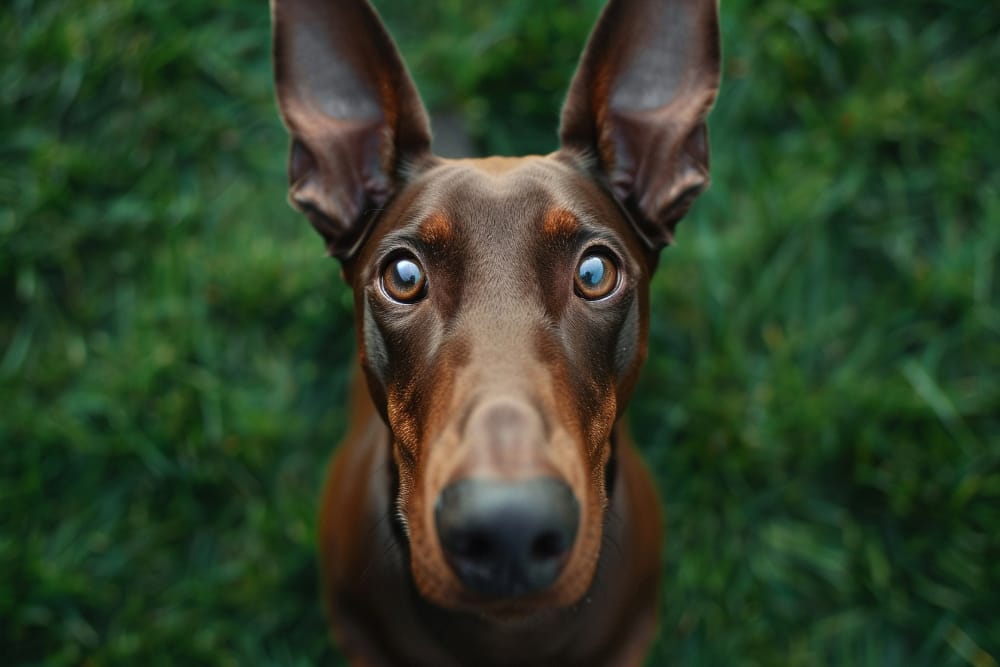
Image source: Freepik
Finally, dogs have a different sense of taste than humans. Because they have fewer taste buds, they can taste sweet, sour, bitter, or salty to a lesser degree.
However, they are more sensitive to the taste of meat and umami. Edible works of art, even if they are just treats, are sure to be a big hit with your four-legged friend.
In summary, dogs experience painting and artwork differently than their owners. They are more fascinated by artwork that stimulates their senses in a different way than ours.
That doesn't mean they can't enjoy or understand art. It depends on how we introduce them to art and interpret their reactions.

Owner and Managing Director of Kunstplaza . Publicist, editor, and passionate blogger in the fields of art, design, and creativity since 2011. Graduated with a degree in web design from university (2008). Further developed creative techniques through courses in freehand drawing, expressive painting, and theatre/acting. Profound knowledge of the art market gained through years of journalistic research and numerous collaborations with key players and institutions in the arts and culture sector.
You might also be interested in:
 The art studio and its significance as a place of creative creation;
 Art Periods And Movements – Introduction to the art history of stylistic periods and their characteristics;
 How fashion and art inspire each other – Iconic collaborations;
 Man Ray – A century artist of photography;
 Famous oil paintings – Top 100 for museum-quality reproductions
Featured Art


Design and Decor Highlights
-
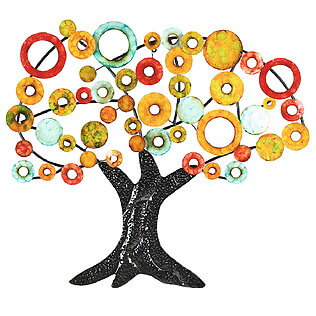
 Metal wall relief "Colored Rings Tree", colorful wall decoration
135,00 €
Metal wall relief "Colored Rings Tree", colorful wall decoration
135,00 €
VAT included.
Delivery time: 3-5 working days
-
J-Line Pompous Tealight Holder “Golden Feather”, Metal and Gold Leaf
49,95 €
VAT included.
Delivery time: 3-4 working days
-
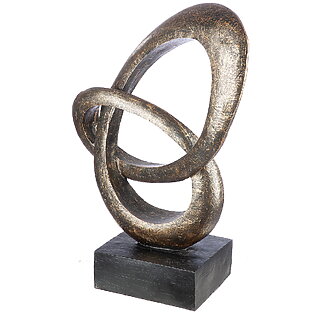
Abstract sculpture "Sphere", flowing form in a gold-colored antique finish
205,00 €
VAT included.
Delivery time: 2-4 working days
-
Coastal-Boho bench "Raffia" made of raffia and sustainable teak wood
The original price was: €175.00122,50 €The current price is: €122.50.
VAT included.
Delivery time: 3-5 working days
-
J-Line "Becca" Candle Holder Set, Aluminum (Black)
Original price was: €105.0052,50 €The current price is €52.50.
VAT included.
Delivery time: 2-4 working days
-
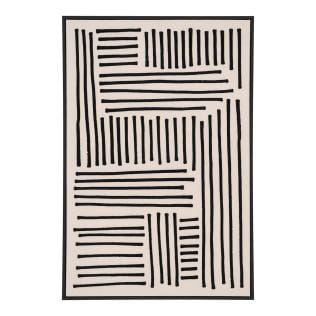
Minimalist canvas print "Lipari No. 1", high-quality art print
89,00 €
VAT included.
Delivery time: 3-5 working days
-
J-Line Minimalist Floor Lamp "Black Strings", delicate metal with paper lampshade
215,00 €
VAT included.
Delivery time: 3-5 working days