The modern world of interior design has seen numerous minimalist styles come and go. But there is one purist interior design trendthat will probably never truly go out of style: Scandinavian interior design, also commonly referred to as Scandi style, Skandi style or Skandi chic .
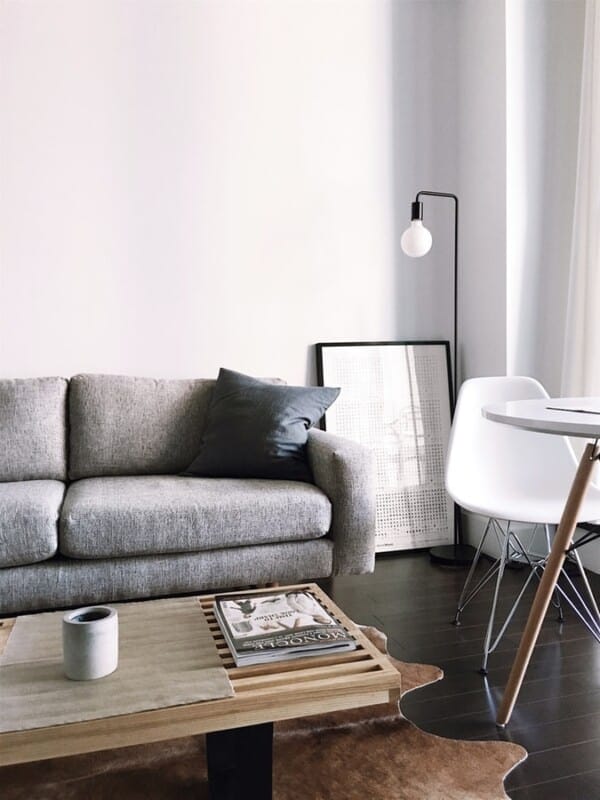
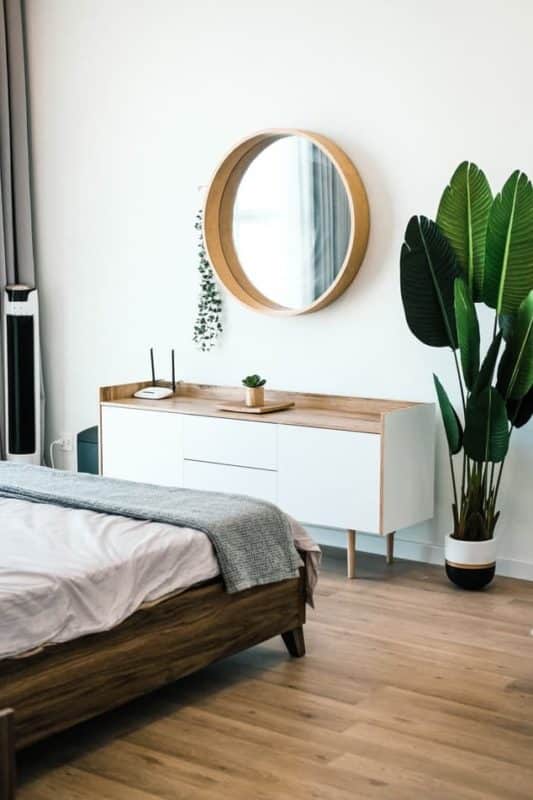
This style combines various textures, the interplay of contrasts, soft colors, emphasizing modern and strictly functional furniture, and the use of natural materials in an almost perfect way. In doing so, it manages to create a homely and cozy atmosphere that one wouldn't necessarily expect from a more purist and minimalist interior design style.
Like no other interior design style, it fulfills our seemingly contradictory needs for order and cleanliness on the one hand, and comfort and coziness on the other.
It's no wonder, then, that Nordic design is once again enjoying a triumphant march around the globe. Even if you don't have a clear, concrete image in your mind when you think of it, you've most likely already encountered this style.
It's impossible to avoid it on social media, design blogs, and in specialist magazines. The sheer number of design tips and suggestions is overwhelming. Even a stroll through furniture and home furnishing stores—and we're not talking about IKEA here—reveals the increasing dominance of furniture and interior design ideas from Northern Europe.
As already mentioned, the core feature of this style is the combination of modern elegance, functional approaches, cozy accents and nature-inspired elements.
One special feature that has probably made an important contribution to the popularity and spread of this interior design trend is its simple aesthetic, which can be combined almost seamlessly with virtually any other style and is also timeless.
Let's take a closer look at the individual features.
Minimalist / purist credo
A closer look reveals nuances that distinguish Scandinavian design from trends like minimalism, modernism, and contemporary decor. Nevertheless, it can confidently be described as minimalist, with a strong focus on simplicity and functionality.
No clutter – clear order – avoidance of superfluous elements – functional and reduced to the essentials.
Niki Brantmark, author of "Lagom: The Swedish Art of Living a Balanced, Happy Life" and owner of the English-language blog My Scandinavian Home, sums up the Nordic approach to design as follows:
Scandinavian design has a tradition of striving to ensure everyone has access to good design, not just the elite, she explains. "This is why you'll see beauty in everyday pieces. IKEA is a good example of this."
Translated into German, roughly equivalent to:
Scandinavian design has a tradition of striving to make good design accessible to everyone, not just the elite. That's why you find design beauty in everyday objects. IKEA is a good example of this
Inspiration from nature and the environment
This trend first emerged in the 1930s. It became truly popular in the 1950s. A design show that toured the USA and Canada between 1954 and 1957, promoting the work of Nordic designers .
The emphasis was on simple patterns and styles inspired by the regional nature and environment. People quickly embraced the simple aesthetic and beauty, which thus found its way into their everyday lives.
The close relationship with nature is also reflected in the choice of materials. Wood, stone, furs, wool, and similar materials are frequently used. Combinations with industrial elements made of iron or steel are also common – for example, in lighting or cabinets. Wooden shelves are another example.
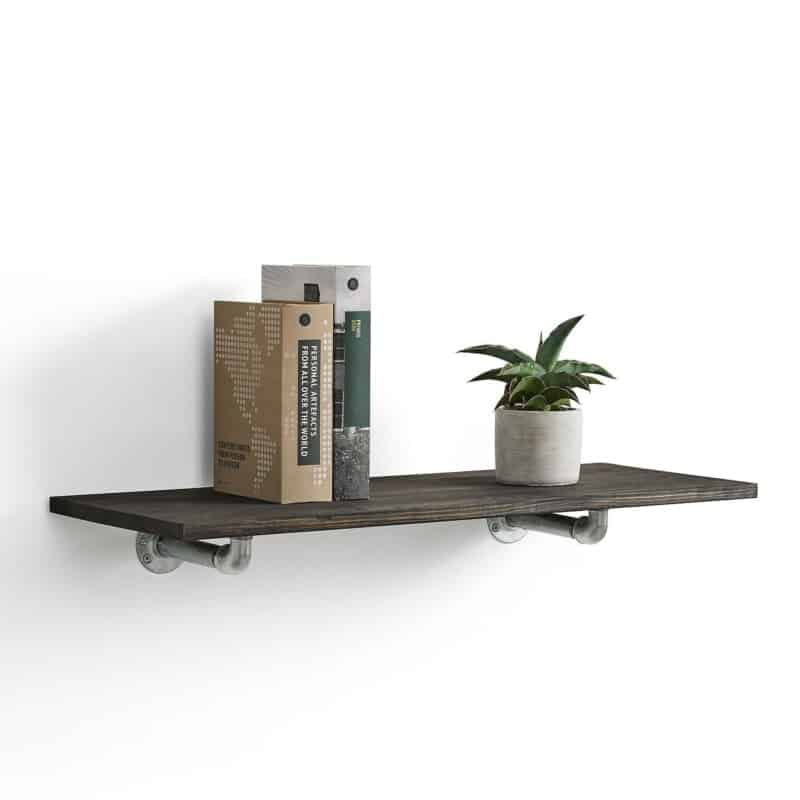
Rackbuddy John wooden shelf
One such example is the Rackbuddy John wooden shelf with fittings made of silver tubes. Light pine wood combined with the galvanized iron fittings is definitely influenced by the Nordic style and underlines a Scandinavian look – with a touch of industrial chic.
Improvements for daily life
It's in the DNA of Scandinavian styleto positively transform people's daily lives. In the Nordic countries, inhabitants often have to make do with less than seven hours of daylight during the winter months. It's therefore natural that lighting plays a fundamental role in interior design. This is also reflected in the Scandinavian style.
Furthermore, you will likely not find any large carpets or rugs. Rooms are intended to appear brighter and more inviting thanks to natural flooring (often made of wood) or white floor coverings.
The furniture is strictly functional, has a modern and uncluttered look, and is often designed to use space as efficiently as possible. Now it no longer surprises me that IKEA furniture is primarily found in small student apartments. Incidentally, in Scandinavian style, either not covered or framed at all, or only very subtly. This allows maximum light to enter the rooms. A charming side effect is that you don't have to bother with dusting and cleaning curtains.
Textures to combat excessive bareness
The use of textures, patterns, and differently finished surfaces enlivens larger areas and ensures that they are presented in an exciting way. This prevents the apartment from appearing bare, empty, or too clinical.
This way, you don't need to fill your apartment with lots of knick-knacks and unnecessary decorative accessories. The Scandinavian style largely manages without decorative objects.
Textile materials such as sheepskin, wool, and mohair are frequently found in Scandinavian interiors. A necessity in cold climates, they also create a cozy and inviting atmosphere in our homes. One rule of the Scandinavian style states that every element should not only be decorative but, above all, serve a concrete, practical purpose.
Subtle color scheme with carefully placed accents
The predominant color palettes are neutral, soft, and understated. No bright color mixtures or garish, pop-art designs.
Light, pastel tones form the basis – mixed with color accents from nature such as sand, earth tones, dark green, blue and all shades of grey and brown.
This use of muted colors has a calming effect on our minds. A welcome respite and an oasis of slowing down in an increasingly hectic world.
Hygge is a lifestyle
Hygge – that's what coziness means in Denmark. Often described as the Danish recipe for happiness, which we're using as a guide to make ourselves truly comfortable indoors during the colder months.
Since 2016, this Danish term has been heard more and more frequently. It is often equated with a design trend, which is a gross oversimplification. Hygge is, after all, a lifestyle, a feeling, a concept for everyday life.
Consequently, it also has a major impact on all design processes – not least in interior design. It thus forms the basis of the Scandinavian style, but is not synonymous with it.
It's all a question of balance
Similar to the Danish concept of hygge, the Swedes also have a word that strongly influences Nordic design: lagom. It means: not too little, not too much. It's about balance and creating equilibrium.
Applied to our needs when designing our interiors, Lagom encourages us to strive for a balanced relationship between minimalism and coziness, old and new, coolness and warmth. Only in this way can a relaxed atmosphere and calming effect unfold.
Timeless look
Scandi charm has been enchanting us for over 80 years. It wouldn't have achieved this without its timeless design. The beauty of Scandinavian design is incredibly versatile and easy to combine, not to mention its practicality.
Clean and straightforward shapes, subtle colors, organic forms and textures. An excellent foundation on which to build with other styles and add your own individual touch.
You can find numerous suggestions and outstanding examples of Scandinavian-style interior design in the following articles by us:
Owner and Managing Director of Kunstplaza . Publicist, editor, and passionate blogger in the fields of art, design, and creativity since 2011. Graduated with a degree in web design from university (2008). Further developed creative techniques through courses in freehand drawing, expressive painting, and theatre/acting. Profound knowledge of the art market gained through years of journalistic research and numerous collaborations with key players and institutions in the arts and culture sector.
Category for interior architecture, interior design, room design, home design, commercial furnishing, product and material innovation.
Here you'll find everything an interior designer's heart desires. We present the latest trends and developments in the world of home design, as well as innovative products and materials for creating unique spaces.
Our goal is to provide our readers with inspiration and help them creatively redesign or completely transform their living spaces.
We place great importance on ensuring that our articles are not only esthetically pleasing but also include practical tips.
We also introduce you to successful interior designers – from newcomers to the most well-known names in the industry – so you can be inspired by their projects and get to know their working methods.
Whether it's about making the most of a small space or furnishing your home with new furniture in the trendy industrial style: With us, you will find all the information you need on the topic of interior design!
We use technologies such as cookies to store and/or access device information. We do this to improve your browsing experience and to display (non-)personalized advertising. If you consent to these technologies, we can process data such as browsing behavior or unique IDs on this website. Refusal or withdrawal of consent may adversely affect certain features and functions.
Functional
Always Active
Technical storage or access is strictly necessary for the legitimate purpose of enabling the use of a specific service expressly requested by the subscriber or user, or for the sole purpose of carrying out the transmission of a message over an electronic communications network.
Preferences
The technical storage or access is necessary for the legitimate purpose of storing preferences that were not requested by the subscriber or user.
statistics
Technical storage or access that is solely for statistical purposes.Technical storage or access that is used solely for anonymous statistical purposes. Without a subpoena, the voluntary consent of your internet service provider, or additional recording by third parties, the information stored or retrieved for this purpose cannot generally be used to identify you.
marketing
Technical storage or access is required to create user profiles, to send advertising, or to track the user on one or more websites for similar marketing purposes.




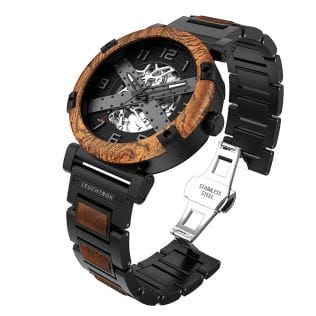 X-Series Premium Hardwood Watch Automatic Men's Skeleton Watch Mechanical Wristwatch
189,95 €
X-Series Premium Hardwood Watch Automatic Men's Skeleton Watch Mechanical Wristwatch
189,95 €
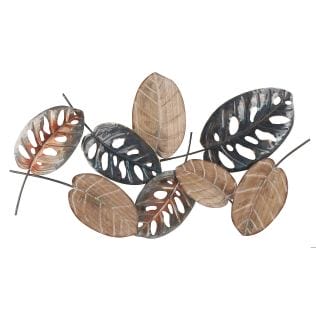
 Leaf - Metal wall decoration
81,95 €
Leaf - Metal wall decoration
81,95 €