Antique Jewelry: A Guide to Timeless Treasures and Their Dazzling History
Every antique piece of jewelry holds its own story. Hidden secrets of bygone eras, manifested in artfully crafted gold chains, delicate brooches, and sparkling gemstones – antique jewelry opens a fascinating window to the cultural history of humankind.
Let's consider the Biedermeier period between 1815 and 1848: Over three decades, jewelry was created that was far more than mere adornment. It embodied the burgeoning cult of friendship and served as precious keepsakes. Mourning jewelry experienced a remarkable renaissance and evolved into cherished mementos that expressed deep emotional bonds.
Examining different periods in jewelry reveals multifaceted influences and trends that shaped the design of a particular era. Historicism , from 1840 to 1890, marked a turning point: the onset of industrialization made machine-made jewelry affordable for broader segments of the population for the first time. A technological revolution was underway: electroplating, discovered by Hermann von Jacobi , found industrial application from 1885 onward and fundamentally changed jewelry production.
Few other objects are better suited to cultural-historical study than jewelry. The development of jewelry design tells a continuous story of transformation. This ranges from the delicately enameled treasures of the 15th century with their figurative depictions and intricate floral patterns to the radiant amethysts and vibrant green tourmalines of the 1920s. The latter are considered today to be the pinnacle of jewelry art.
Simply gazing at these timeless treasures rekindles the joy of beauty and the art of living from bygone eras. Don't you agree?
Show
table of contents
The beginnings: Ancient jewelry in antiquity and the Middle Ages
The roots of jewelry art reach back to the fifth millennium BC. Even the finds from the Varna culture in Europe demonstrate an astonishing level of artistry that would shape all subsequent periods of jewelry making. Etruscans in Italy and Thracians in the Balkans created impressive pieces of jewelry, often closely linked to religious practices – a legacy that continues to resonate today.
Typical materials and techniques of antiquity
In ancient Egypt, the metal of the gods. Like the sun, it never aged, thus embodying the pursuit of eternity. Egyptian goldsmiths were masters of the art of color, combining the precious metal with semi-precious stones such as lapis lazuli and turquoise, or incorporating colored glass and enamel. Each color carried a special meaning and was believed to offer its wearer protection.

Image source: Getty Villa, CC0, via Wikimedia Commons
The group of gold jewelry pictured in the Getty Villa consists of a hairnet with a repousse medallion of Aphrodite and Eros; a diadem with an elaborate Heracles knot; two pairs of hoop earrings with Capricorn head finials; a pair of disc earrings with a figure of Eros; a pair of upper arm bracelets in the form of a coiled serpent; a pair of bracelets in the form of coiled serpents; two rings inlaid with intaglios, one depicting Artemis; the other Fortuna holding a double cornucopia; 28 assorted pearls and a stud earring; and a necklace of gold beads in the shape of cowrie shells.
Jewelry in ancient Egypt was by no means merely decorative. It was meant to bestow magical powers, a kind of Terms & Conditions of eternity. Therefore, numerous pieces of jewelry are found as grave goods – silent witnesses to this deep belief.
The technological development can be traced through concrete examples: Objects covered with gold leaf were already being created in prehistoric Egypt. Gold chains with 24 hollow shells later adorned even non-royal tombs. The Middle Kingdom brought forth new forms such as scarabs and fish and introduced innovative techniques such as cloisonné and granulation.

Photo by THE PRAHANT @prahantdesigningstudio, via Unsplash
The Romans perfected these skills. In gold granulation, they soldered tiny gold beads together to create complex patterns. Filigree work was created from the finest metal wires, arranged into intricate tendrils or leaf motifs. The processing of mineral and organic materials into cameos – engraved portraits in agate, onyx, carnelian, or ivory – also reached a remarkable peak in antiquity.
Symbolism and Function in the Middle Ages
In the Middle Ages , the significance of jewelry expanded considerably. It functioned as a mirror of society, reflecting social hierarchies, religious beliefs, and cultural trends. Since most people were illiterate, jewelry evolved into a form of nonverbal communication that revealed information about the wearer at a glance.
For the nobility, magnificent jewelry meant far more than luxury. It demonstrated power and influence, but also connections to distant lands and trade routes. The Church cleverly used jewelry to visualize faith – religious symbols in jewelry served as a constant reminder of the faith and as protection against evil forces.
Even for ordinary people, jewelry held significance. Passed down as heirlooms from generation to generation, it preserved family history. In rural areas, it could even serve as a kind of savings account, melted down or sold in times of need. Buying antique jewelry remains a common way to monetize valuable pieces to this day.
The strict medieval hierarchy was clearly manifested in the use of jewelry. Certain materials and forms were reserved for specific social classes: a simple copper ring identified a craftsman, while a gold chain studded with precious stones undoubtedly indicated a nobleman.
From brooches to signet rings: forms in flux
The fibula was one of the most versatile pieces of jewelry in the early Middle Ages. This metal garment pin, based on the principle of today's safety pin, replaced the simple garment pin and served to fasten clothing. Beyond its practical function, it evolved into a multifaceted object: jewelry, a symbolic bearer, and a base for pendants (pendilia).

Image source: GFreihalter, CC BY-SA 4.0, via Wikimedia Commons
After the fall of the Roman Empire, Germanic tribes brought their own expertise in precious metalworking. The Merovingians developed the cloisonné technique : thin strips of metal were soldered onto a base to form fans, which were then filled with gemstones, garnets, or colored glass paste.
Signet rings embodied a special connection between jewelry and practical function. Their history begins in Egypt, where pharaohs wore elaborate rings of gold or precious stones inscribed with hieroglyphs and protective symbols such as the scarab. The Greeks developed them into sealing tools engraved with mythological scenes. In the Roman Empire, they served both as jewelry and as practical tools for marking documents. The Middle Ages elevated them to symbols of power and family identity, adorned with coats of arms and heraldic emblems.
Particularly noteworthy was the change in the use of materials: while in antiquity a typical "material pyramid" existed, consisting of many non-ferrous metal and few precious metal objects, this ratio reversed in the early Middle Ages. West Germanic bow brooches were predominantly made of gilded silver – a material pyramid inverted, which can also be observed in small brooches, gold leaf crosses, and grave goods.
Rococo and Classicism: Transition to Elegance
The social upheavals of the 18th century were directly reflected in jewelry design. Rococo and Classicism marked more than just stylistic changes – they embodied a fundamental shift from the opulent splendor of court life to an aesthetic grounded in classical ideals.

Photo by THE PRAHANT @prahantdesigningstudio, via Unsplash
Floral ornaments and courtly splendor
Since 1730, the courtly Rococo style defined the taste of the European upper class. Opulence was paramount: lavish floral designs and extravagant embellishments demonstrated the wearer's status at first glance. Ribbons, garlands, and entire bouquets adorned the jewelry—sometimes set with colored gemstones, sometimes completely encased in diamonds. The movable brooches on the sweeping gowns of the court ladies perfectly embodied the spirit of the age: everything was meant to sparkle, shimmer, and attract attention.
The eponymous rocaille motif defined countless jewelry designs of this era. Shell- and volute-shaped decorative elements swung across the pieces in organic curves and asymmetrical compositions. Colliers de Chien, worn close to the neck and featuring striking central pendants, accentuated the décolletage of women. Goldsmiths predominantly set diamonds in silver – a deliberate choice to showcase the stones' brilliance to its fullest potential.

Photo by The New York Public Library @nypl, via Unsplash
What seems remarkable from today's perspective is that the purity of a diamond played a subordinate role back then. Size counted more than perfection – a principle that would only change later.
Influence of antiquity on design
Classicism arose as a conscious counter-movement to the Rococo's excessive ornamentation. From the 1780s onward, this style also influenced European jewelry fashion. Johann Joachim Winckelmann's enthusiasm for antiquity gripped almost all of Europe – a veritable euphoria for Greco-Roman models permeated all areas of art.
The change in style didn't happen overnight. Intermediate stages, such as the Louis XVI style , influenced by Marie Antoinette's taste, still combined geometric clarity with subtly playful natural and animal symbols. Fruits, branches, and birds adorned the designs before the braided style marked the final transition to simple classicism.
Over time, ornamentation became increasingly restrained. Antique models increasingly influenced design, and simplicity replaced ostentation. Steel and rhinestones – colorless, cut glass – were widely used in jewelry making. Color gave way to a reduced palette: pearls, diamonds, and diamond imitations now dominated the elegant creations.
Cameos and marquise rings as a fashion phenomenon
Gems experienced a renaissance in the mid-18th century . Images carved into stone and shell had already fascinated the ancient world, but the rise of tourism transformed them into the quintessential Italian souvenir. Two techniques dominated gem art: intaglios depicted coats of arms, figures, and scenes engraved in reverse into the material, while cameos presented the image in relief and correctly oriented.
Italy – particularly the region around Naples – became a center for cameo production. During their Grand Tour, wealthy Europeans visited ancient monuments and discovered in these precious shell cameos the ideal souvenir of southern joie de vivre. Worn as brooches, pendants, or framed miniatures, they depicted portraits of rulers, ancient gods, and mythological scenes.
Louis XV created a jewelry icon of French jewelry Marquise ring Marquise de Pompadour , rings with an elongated oval shape and pointed ends were created – inspired by the delicate curve of her lips. This "shuttle" shape symbolized elegance and refinement and has survived as a classic design to this day.

Exhibited at the Walters Art Museum
Biedermeier and Historicism: Romanticism and a return to tradition
The wounds of the Napoleonic Wars healed slowly, but they left behind a deep longing for peace and security. Between 1820 and 1870, Europe turned to the private sphere – an era we know today as the Biedermeier period. Family, friendship, and the quiet beauty of everyday life moved to the forefront. Jewelry was suddenly no longer just a status symbol of the powerful, but became an intimate expression of the deepest human feelings.
Friendship jewelry and mourning pieces
Never before had keepsake jewelry acquired such emotional significance. Friendship and memento pieces evolved into precious symbols of human connection. In delicate lockets, people kept locks of hair from their loved ones, small letters, or other mementos—to always carry them with them. Portrait brooches kept the beloved face of family members or friends close to the heart.
Particularly touching were the pieces of jewelry made from the hair of loved ones. These bracelets or brooches created a unique, almost magical connection between the wearer and the memory. Exchanging hair as a token of love was as commonplace in the 18th and 19th centuries as exchanging friendship bracelets is today.
Mourning jewelry held a special place. Framed portrait miniatures were openly displayed – they were by no means intended solely for quiet, private mourning. The practice of commissioning memorial or mourning rings during one's lifetime, to be distributed to selected relatives and friends at one's own funeral, seems astonishing to us today. This tradition of the memorial ring dates back to the 14th century, when English testators stipulated in their wills that often hundreds of rings should be distributed as mementos to mourners.
Material shortages and creative solutions
After the Wars of Liberation, there was an acute shortage of precious metals, and the financial resources of those commissioning goldsmiths were severely limited. But necessity is the mother of invention: Goldsmiths developed remarkable techniques to create precious jewelry nonetheless. "Foam gold" became the characteristic solution of the time: Gold was rolled out to a wafer-thin thickness, shaped into three-dimensional objects, and then stabilized with putty, resin, and sand. Brooches, necklaces, and bracelets were made from the thinnest gold sheet, which was then filled with resin or plaster to ensure the necessary strength.
Craftsmen also demonstrated their creativity in the use of base alloys: Tombac and Pinchbeck skillfully imitated the warm color of gold. Garnet jewelry was almost exclusively set in tombac—a gold-free brass alloy—or in quarter gold with a fineness of only 250/1000. Even iron found its way into jewelry production: the so-called Fer de Berlin resembled delicate black lace and remains very popular to this day.
Rediscovery of old techniques in historicism
1848 officially marked the end of the quiet Biedermeier period, but its design language lived on. As late as the 1870s, a "Second Biedermeier" its heyday – a testament to the enduring love for the products of that peaceful era.
The entire period was characterized by a fascinating coexistence of different movements: Romanticism, Late Classicism, Realism, and Historicism existed simultaneously. The strict discipline of Classicism dissolved. Jewelry designers rediscovered the Rococo style and revived the courtly splendor of the pre-Napoleonic era. Others sought their inspiration in even more distant periods of the Middle Ages. Local nature found its way into designs for the first time – oak leaves and roses were immortalized in gold.
Historicism, from 1840 to 1914, benefited from the technological advancements of its time: steam engines, steamships, railways, and electricity made colored gemstones more readily available. All previous styles experienced a revival, and faithfully reproduced Baroque jewelry allowed the splendor of bygone eras to shine anew.
Art Nouveau and Art Deco: The Dawn of Modernism
Around 1900, the jewelry world rebelled against its own traditions. Art Nouveau radically broke with everything that had previously been considered beautiful – and just thirty years later, Art Deco did the same to Art Nouveau. Two movements that could hardly have been more different, yet united in their courage to change.
Organic forms and nature motifs in Art Nouveau
Imagine: jewelry that looks as if it has just been plucked from an enchanted garden. Art Nouveau, between 1890 and 1910, transformed brooches and necklaces into living works of art. What had happened? Dissatisfaction with soulless mass production had sparked a creative revolt.

Photo by THE PRAHANT @prahantdesigningstudio, via Unsplash
Originating in Paris, this new aesthetic conquered Europe – "Art Nouveau" "Secession style" in Austria and "Arts and Crafts" in England . The movement was united by a common goal: an end to historical copies and a move towards original designs.
Curved lines now crisscrossed the jewelry like an organic nervous system. Critics scoffed at the "whiplash lines ," but the artists created worlds of flowing curves that mimicked plants, hair, and water. Dragonflies spread their wings over brooches, snakes coiled around bracelets, and female silhouettes merged with floral ornaments to form seductive works of art.
René Lalique embodied this era like no other. His designs Cartier

Image source: Sailko, CC BY 3.0, via Wikimedia Commons
Geometry and Innovation in Art Deco
1925 in Paris: The "Exposition Internationale des Arts Décoratifs et Industriels Modernes" gave its name to a new style. Art Deco celebrated not nature, but the machine. While the Roaring Twenties promised economic prosperity, jewelry found its inspiration in skyscrapers and industrial design.
Geometry reigned supreme here: triangles, circles, and rectangles arranged themselves into strict symmetries. Stepped and zigzag patterns adorned decorative elements such as miniature Art Deco facades. The precise lines reflected the belief in progress of an era that embraced technology and modernity.

Photo by Evelyn Verdín @metttanoia, via Unsplash
Where did these designs come from? In 1922, the discovery of Tutankhamun's tomb sparked a craze for Egypt . Aztec motifs mingled with Babylonian patterns. The architecture of New York and Berlin was reflected in miniature jewelry creations. The iconic sautoir—a long necklace reaching to the waist—perfectly embodied the elegant sensuality of the era.

Photo by THE PRAHANT @prahantdesigningstudio, via Unsplash
New materials and grinding techniques
Both eras boldly experimented with materials. Art Nouveau rehabilitated the "base" metal: horn, coral, and enamel became equal partners to gold and diamonds. The plique-à-jour technique created translucent enamels that sparkled like frozen water droplets. Opals and moonstones, with their mysterious shimmer, perfectly complemented organic forms, transforming metal jewelry into vibrant natural wonders.
Art Deco, on the other hand, favored platinum – stronger than gold, more durable, more modern. White gold conquered the salons. Strong contrasts characterized this era: black onyx next to glittering diamonds, luminous emeralds in geometric settings alongside deep blue sapphires and glowing rubies.
The new cuts revolutionized gemstone processing: emerald cut, Asscher cut, baguette and trapezoidal cuts, with their clear facets, emphasized the geometric clarity of the era. Each stone became an architectural element of a new aesthetic that understood jewelry as an expression of modernity.
Mid-Century and Vintage: From Post-War Glory to Pop Culture
The world awoke from a long, dark dream. After the deprived war years, society yearned for glamour, color, and life – and jewelry was meant to satisfy this longing. Soft, flowing shapes and lavish ornamentation conquered the jewelry workshops. What emerged here marked the beginning of a new era: the Mid-Century style, which translated the postwar euphoria into sparkling gold and radiant diamonds.
Retro style and the return of color
The 1950s – the “Golden Age of Design” – shaped modern jewelry design like almost no other decade. A new optimism permeated society, and this spirit of optimism manifested itself in magnificent, colorful jewelry creations. While platinum had been reserved for military purposes during the war years, prosperity and opulence now returned.

Photo by Anita Austvika @anitaaustvika, via Unsplash
“Diamonds are a girl’s best friend” – Marilyn Monroe’s legendary line perfectly captured the spirit of the times. Elegance and femininity were once again at the forefront, and diamonds sparkled in lavish abundance. Abstract branch shapes with various diamond cuts, reminiscent of nighttime fireworks and capturing the optimistic atmosphere of the era, were particularly popular.
Iconic designs of the 50s and 60s
Textured gold dominated the jewelry world of the 1950s. The design language of this decade was unmistakable:
- Foxtail chains, twisted ropes and braided wire
- Network, double crosses and decorative stitching
- Grooves and perforations
Gold jewelry and cultured pearls were part of the daily ensemble, while diamond jewelry was reserved for the evenings. Amethyst, turquoise, topaz, and coral brought back the longed-for splash of color.
The 1960s then proclaimed a revolutionary "anything goes" attitude. Yellow gold, platinum, and silver combined with druse-shaped gemstone crystals to create entirely new worlds of jewelry. Turquoises were given cabochon cuts and harmonized with sparkling diamonds. Even the race to the moon inspired goldsmiths – all over Europe, they experimented with futuristic surface designs.
Vintage as a collectible with history
Vintage jewelry tells different stories than antique treasures. While the latter must be at least a century old, vintage jewelry encompasses pieces from 20 years ago onwards, dating from between 1920 and 1980. These pieces embody the fashion style of their era and therefore possess a special nostalgic charm.
Today, vintage costume jewelry is one of the fastest-growing areas of collecting . Connoisseurs look for signed pieces – companies that proudly bore their name usually guaranteed higher quality. While brands like Coro, Lisner, and Monet remain affordable, designer pieces from Hattie Carnegie, Chanel, and Dior fetch top prices.
The post-war years established jewelry as a Terms & Conditions of art that characterized both the wearer and the designer. This liberation from conventional jewelry traditions was rooted in modernist principles and avant-garde movements – a cultural legacy that lives on in today's appreciation of vintage jewelry.
Contemporary & Timelessness: What remains, what comes
Why are we increasingly turning to antique jewelry again today? The mass production of our time awakens a deep longing for authenticity and uniqueness. Antique jewelry satisfies this need in a very special way – each piece carries its own story and possesses a distinctive character.
Modern interpretations of classical styles

Photo by Kateryna Hliznitsova @kate_gliz, via Unsplash
Contemporary jewelry designers have rediscovered the past. They draw on a rich trove of historical techniques and forms, skillfully blending the heritage of bygone eras with today's wearing habits. The intricate engraving and gemstone setting techniques of our ancestors are experiencing a renaissance – reinterpreted for jewelry that embodies both modernity and tradition.
Traditionally cut stones and chains with large links are once again highly popular. Artisan jewelers see themselves as guardians of historical heritage and are breathing new life into old techniques.
Layering and individuality in jewelry style

Photo by Kateryna Hliznitsova @kate_gliz, via Unsplash
The layering trend has fundamentally changed the way we wear jewelry. Combining several pieces at once has become a personal statement. Instead of harmoniously matching two delicate necklaces, people are consciously opting for contrasts.
The chain links should differ significantly in size, thickness, and design. At least three chains form the basis – ideally one with a locket pendant, a choker, and another contrasting chain.
Ourania Marmara concludes in her WELT article . Individuality, sustainability, and creative freedom are at the heart of it. Inherited or secondhand pieces get a second chance and become part of a vibrant, contemporary style.
Why antique jewelry is in demand again today
The renaissance of antique jewelry has solid reasons:
- The exceptional craftsmanship of bygone eras stands out clearly from today's production methods.
- Wearing vintage jewelry reflects the growing awareness of sustainability.
- Each piece is unique with its own history – the patina gives it an unmistakable character.
An interesting phenomenon is also at play: jewelry houses are buying back their historical pieces for their own archives, which intensifies the scarcity. People yearn for unique pieces with a history instead of faceless mass-produced goods. As a result, vintage jewelry is developing into one of the fastest-growing market sectors.
Sources, expert support and further information:
- Becky Little / National Geographic : Victorian Fashion Trend: Jewelry Made from the Hair of the Dead, https://nationalgeographic.de/geschichte-und-kultur/2019/07/viktorianischer-fashion-trend-schmuck-aus-dem-haar-der-toten/
- Marianne Eschbach / Neue Zürcher Zeitung: The Splendor of the Past: Why Historical Design and Antique Jewelry Are in Demand Again, https://www.nzz.ch/wirtschaft/vintage-schmuck-im-trend-warum-historisches-design-wieder-gefragt-ist-ld.1903903
- Ourania Marmara / WELT : “Layering” trend – How to wear all your favorite necklaces at once , https://www.welt.de/iconist/schmuck/article181288352/Layering-Trend-So-kann-man-alle-Lieblingsketten-auf-einmal-tragen.html

Owner and Managing Director of Kunstplaza . Publicist, editor, and passionate blogger in the fields of art, design, and creativity since 2011. Graduated with a degree in web design from university (2008). Further developed creative techniques through courses in freehand drawing, expressive painting, and theatre/acting. Profound knowledge of the art market gained through years of journalistic research and numerous collaborations with key players and institutions in the arts and culture sector.
You might also be interested in:
 The Renaissance of Modern Art Deco Engagement Rings;
 Art Periods And Movements – An Introduction to the Art History of Style Periods and Their Characteristics
 ; Style Periods and Their Influence on Jewelry Design
 ; Why Handmade Jewelry Will Define the Trends in 2025
 ; The Diamond District in NY: Where Tradition and Craftsmanship Are in Harmony
Featured Art



Design and Decor Highlights
-
 Side plaid in classic black and beige pattern, recycled cotton blend fabric (130x180 cm)
19,50 €
Side plaid in classic black and beige pattern, recycled cotton blend fabric (130x180 cm)
19,50 €
VAT included.
Delivery time: 3-5 working days
-
Metal wall relief "Silver Tree", monochrome wall decoration
75,00 €
VAT included.
Delivery time: 3-5 working days
-
Abstract canvas painting "Blocks", hand-painted with gold accents
165,00 €
VAT included.
Delivery time: 3-6 working days
-
J-Line Abstract female figure sitting on rectangular block, matte white
77,90 €
VAT included.
Delivery time: 3-5 working days
-
Lamp suspension for ceiling lights / pendant lights – 1 socket (white) with jute cable
49,95 €
VAT included.
Delivery time: 2-4 working days
-
J-Line “Fauve” - Copper-colored ceramic flower pot with speckled design (Ø 12 cm)
15,00 €
VAT included.
Delivery time: 4-8 working days
-
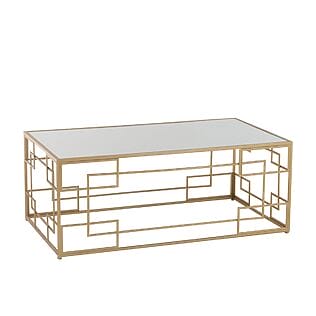
J-Line coffee table "Grazia", gilded substructure in Art Deco style with glass top
585,00 €
VAT included.
Delivery time: 2-4 working days