• Art magazine
    • Art Magazine > Homepage
    • Architecture
    • Sculpture
    • Design
    • Digital Art
    • Fashion design
    • Photography
    • Freelancing
    • Garden design
    • Graphic design
    • Handmade
    • Interior Design
    • AI Art
    • Creativity
    • Art marketing
    • Art Periods And Movements
    • Art history
    • Art Trade
    • Artists
    • Knowing the art market
    • Art scene
    • Artworks
    • Painting
    • Music
    • News
    • Product Design
    • Street Art / Urban Art
    • Tips for Artists
    • Trends
    • Living from art
  • Online Gallery
    • Online Gallery > Home
    • Categories
      • Abstract Art Pictures
      • Acrylic painting
      • Oil painting
      • Sculptures & Statues
        • Garden Sculptures
      • Street-Art, Graffiti & Urban Art, Urban Art
      • Nude Art / Erotic Art
    • Post new artwork
    • Browse art
    • Search for artwork
  • Design & Decor Shop
    • Shop> Home
    • Wall Decors
    • Canvas art
    • Metal art
    • Sculptures
    • Furniture
    • Lighting
    • Textile Wall Pictures
    • Mirrors
    • Home textiles
    • Home accessories
    • Watches
    • Jewelry
    • Outlet / Sale
  • My Account
    • Customer area
    • For artists
      • Login
      • Register
Product added to your cart.

Buying art – but how? 10 golden rules for smart investments in the art market

Joachim Rodriguez y Romero
Wed, September 18, 2024, 3:30 p.m. CEST

Read new posts immediately? Follow the Kunstplaza Magazine on Google News.

The contemporary art market is a vibrant system comprised of a multitude of players. Artists, gallerists, collectors, critics, and other stakeholders form the pulsating heart of this ecosystem. Artworks are traded not only in traditional galleries and auction houses , but also on digital platforms, temporary exhibitions, fairs, biennials, and art events worldwide.

Throughout history, works of art have experienced remarkable increases in value, and the art market repeatedly achieves record prices. Art can not only generate monetary returns as an investment, but also cultural dividends in the form of prestige and recognition.

Buying art can be a challenge for many people, but these 10 golden rules for smart investments in the art market will make the process considerably easier. Whether you're looking for contemporary paintings , sculptures , or unique pieces by old masters, these rules will help you find a trustworthy dealer or gallery.

From checking the artist, the provenance of the work, and the gallery, to buying and shipping works – these rules will help you make your buying experience a complete success.

Show table of contents
1 Why should you buy art?
2 How do you find the right artwork for you?
3 What questions should you ask before purchasing a work of art?
4 What is the difference between original and reproduction art?
5 What you should know about the art market – from classic oil paintings to crypto art and NFTs
6 Should you buy on the primary or secondary market?
7 How do you know if the price-performance ratio is reasonable?
8 How to recognize good art and which quality criteria will help you
9 How do experts approach investing in the art market?
9.1 Art as an investment? OWNLY Investor's Talk with Dr. Franziska Ida Neumann
10 How do collectors recognize the quality of a work and its future prospects as an investment?
11 In a nutshell: 10 golden rules for smart investments in the art market
11.1 You might also be interested in: :

Why should you buy art?

Why should you buy art ? This question may seem trivial at first, but it actually contains a multitude of good reasons. Art is not only an aesthetic pleasure, but can also represent a wise investment. In addition to their intrinsic value, artworks often possess a real market value that can increase over time. Indeed, the art market has even outperformed other forms of investment in recent years (see Art Market Value Developments 2022 ).

The global art market continues to thrive and is therefore of great interest to investors. The most pressing question on everyone's mind is: Can an art collection be considered a sound investment?

Our answer is: It depends on your goals and reasons for investing.

There is no doubt that art can appreciate in value and generate good returns. According to an Art Basel annual report, worldwide sales of art and antiques in recent years have been estimated to be in the mid-tens of billions. Despite the closure of auction houses and galleries due to COVID-19, collectors found ways to acquire valuable pieces.

Prominent figures with valuable art collections include billionaires like François Pinault, whose collection is estimated to be worth $1.4 billion. The world's most expensive collection, valued at $3 billion, belongs to the Nahmad brothers, Ezra and David . They are said to own up to 5,000 works of art, which they buy and sell for maximum profit.

As with any investment, thorough research is essential to determine if investing in art is the best way to use your money. Collecting art carries a number of risks if you intend to make money from it. However, it is advisable to dedicate sufficient time to acquiring knowledge and information about the industry.

Unlike other forms of investment, art also offers an intangible benefit: the opportunity to beautify your home or office and create a unique atmosphere. Furthermore, by acquiring art, you support artists and their creative output, which is of great importance for cultural diversity and the preservation of artistic creation.

Online retail and digitalization also revolutionized the art market, making it possible to discover and purchase artworks from the comfort of your home. Many galleries and artists now offer their own online shops, allowing you to find a wide selection of paintings, sculptures, and other unique pieces. Such services often include secure shipping of the artworks, including transport insurance and a return option if you are not satisfied.

So if you feel like bringing something new into your life and at the same time enjoying the beauty and uniqueness of works of art, why not start buying art today?

How do you find the right artwork for you?

When it comes to buying art, it's important to find the right piece for you. There are so many different types of art, from paintings and sculptures to digital NFTs and 3D-printed jewelry.

Buying art as a value system - how do you find the right work of art for yourself?
Buying art as an investment – ​​How do you find the right artwork for you?
Photo by Ryan Stefan @ryanstefan, via Unsplash

A good starting point is to talk to experts and find out what constitutes a high-quality work of art. Visit galleries, art fairs, and auctions to get a feel for how buying and selling artwork works. Works by deceased artists tend to sell for higher prices due to their rarity and the lower likelihood of replication.

But art by living artists also performs well on the market. If you can acquire an early work by an artist who later becomes successful in their career, the value of their work can increase significantly. A good starting point would be to explore and discover any contemporary artist who sparks your interest.

Study their background, style, exhibitions, and any commissions they've received. Speak with a curator or art specialist to get their opinion on the artist and the potential of their work.

How can you choose the artwork that suits you? Here are some tips to help you in your search.

First and foremost, you should consider your personal preferences and interests . What kind of art appeals to you? Are you more fascinated by abstract works or realistic depictions? Take your time to explore different styles and techniques and find out what you like best.

Another important aspect is research . Go online and search for reputable galleries, auction sites, or art shops . There you will find a wide selection of artworks by various artists. Familiarize yourself with the works and also look at the ratings and comments from other buyers.

In the art world, nothing is more important than authenticity . Collectors often spend a lot of money on original works, which unfortunately also means that forgeries exist. It is essential to verify the authenticity of a work of art before acquiring it.

There are various ways to do this, such as expert opinions, certificates, or provenance research . Modern technologies like spectroscopy or X-rays can also aid in verifying artworks. A thorough authenticity check not only protects the buyer's investment but also ensures they own an authentic piece of history.

Another popular service is buying artwork online. Many artists have their own online shops where they offer their work for sale. This can be a great way to discover new and emerging artists and buy directly from them. However, be sure that shipping and packaging are handled carefully to ensure that the artwork arrives undamaged.

Finally, it's important to consider, assess, and evaluate the value of the artwork. Not every piece of art automatically becomes a lucrative financial investment. If you're interested in investing in art , you should seek expert advice and learn more about the artists and their work.

Ask about the artwork's provenance , the materials used, and the artist's future prospects. Buying art can be a wonderful way to beautify your space while investing in a unique and individual piece of art.

What questions should you ask before purchasing a work of art?

The art market offers a wide variety of options, and finding the right artwork can be a challenge.

Therefore, it's advisable to consider some basic questions to make the right decision. First, you should ask yourself why you buy art . Is it to beautify your home, or do you want to invest in the art market? Depending on your goals, your requirements for a work of art may differ.

An art collection as an investment, for example, is a long-term investment and is only recommended for patient investors who are prepared to wait for returns on their investments. It is not suitable for short-term investors. Most people who invest in art use it to pass on wealth to the next generation and to diversify their investment portfolio.

An important principle to keep in mind when considering art collections as an investment option is to understand what you are investing in. This is advice given by investment guru Warren Buffett and reflected in the classic financial advice book " The Richest Man in Gold" by George S. Clason . According to the book, the fourth rule of gold is:

"Gold slips from the grasp of the man who invests it in businesses or purposes with which he is not familiar or which are not approved by professionals who manage it."

Another important question is: How do you find the right artwork for you? There are many ways to discover artwork – from galleries and exhibitions to online shops and art fairs. You can also connect directly with the artist or a gallery owner via social media such as Instagram. It's advisable to use various sources to find a wide selection of artwork and explore your personal preferences.

When considering purchasing a work of art, you should also take a closer look at the artist behind it. Research the artist and find out about their previous work, exhibition history, style, and reputation. This can help you better assess the quality and value of the artwork.

Furthermore, you should questions about the condition of the artwork . Does it have any damage or defects? Is the work an original or a reproduction? These questions are important to ensure that you are acquiring a high-quality and unique work of art.

This video is integrated in the extended Privacy mode of YouTube, which blocks the setting of YouTube cookies until a active click on playback is made. By clicking on the reproduction button, you grant your consent in the fact that YouTube sets cookies on the end device you use, which can also serve an analysis of usage behavior for market research and marketing purposes. You can find more information about the cookie use by YouTube in the Google cookie policy at https://policies.google.com/technologies/types?hl=de.

Finally, you should also ask questions about the purchasing process. Is shipping included? Is there customer service if you have questions or need support? Is the sale through a reputable online shop or gallery secure?

By asking yourself these questions and researching thoroughly, you will be better prepared to buy a work of art that meets your expectations and needs. Remember that art is a personal experience, and it's important to find a piece that brings you joy and also represents a good long-term investment.

What is the difference between original and reproduction art?

Before you purchase a work of art, it is important to understand the difference between original and reproduction art.

Original artworks (so-called unique pieces) are handmade by an artist and are one-of-a-kind. They are the result of creative expression and possess special artistic value. These artworks can be paintings, sculptures, or other types of works and are often sold in galleries or directly by the artist.

Reproduction art, on the other hand, consists of replicas of original works. These can be printed posters, art prints , or digital reproductions. Reproduction art is generally more affordable and readily available because it can be produced in large quantities.

When buying art, it's important to check whether it's an original work or a reproduction. Original works generally have a higher financial and artistic value, while reproductions are more often considered decorative pieces. However, there are also limited editions that can be considered investments.

What you should know about the art market – from classic oil paintings to crypto art and NFTs

The art market is a fascinating place, offering a wide range of artworks and styles. From classic oil paintings to crypto art and NFTs, there are always new and exciting developments.

However, before you delve into this diversity, there is some basic information you should know about the art market.

First of all, you should know that the art market doesn't just encompass physical works like paintings and sculptures. Digital art taken on a completely new dimension with the advent of crypto art and NFTs

These digital artworks are traded as unique digital assets and can be bought and sold online.

The art market is dynamic and constantly changing (as clearly demonstrated by the meteoric rise of NFT art surrounding the Bored Apes and its subsequent rapid decline in value). It is important to stay informed about current trends and developments in order to make sound investments. Art experts can help you understand the market and assess a work's future prospects as an investment.

Should you buy on the primary or secondary market?

The primary market refers to the direct purchase of artworks from the artists or the galleries that represent them, while the secondary market encompasses the resale of existing artworks.

Both options have their advantages and disadvantages that need to be considered.

Buying on the primary market offers you the opportunity to contact the artist or gallery directly. This provides valuable insights into the artwork and the artist's creative process. You can ask questions, learn more about the artwork's background, and potentially even develop a personal connection with the artist.

Furthermore, the primary market offers you the chance to discover new and emerging artists and thus acquire unique works of art.

On the other hand, the secondary market offers the advantage of allowing you to purchase works by established artists. Here, you have a wider selection of artworks already available on the market. There are galleries, auction houses, and online shops that specialize in selling secondary market art and can offer you a broad range of works.

Furthermore, you may also be able to find historical works of art on the secondary market that are no longer available on the primary market.

Buying on the primary market can potentially offer you unique opportunities, while the secondary market offers a wider selection and greater variety. Ultimately, it's about choosing the option that best suits you and your needs. Familiarize yourself with both markets, research thoroughly, and consider your individual preferences.

How do you know if the price-performance ratio is reasonable?

An important aspect when buying art is value for money. After all, you want to make sure you're getting a worthwhile piece of art for your money. But how can you tell if the price is justified?

Here are some questions you should ask yourself to make this assessment.

First, it's important to research the market and current prices for similar artworks . A gallery or online shop can help you obtain information about comparable works and their price range. This way, you can better assess the available options and determine whether the price for your chosen artwork is fair.

Furthermore, you should consider the artist's reputation . An established artist with a successful career will generally demand higher prices for their work.

Therefore, check whether the artist has already exhibited in renowned galleries, received awards, or been mentioned in art magazines. This will give you an indication of the value and quality of their artwork. Another aspect to consider is the materials used and the artist's technique. Is it an original piece or a reproduction?

Was the artwork painstakingly handcrafted or machine-made? Hand-painted originals or elaborate sculptures often have a higher value than printed reproductions. The condition of the artwork also plays an important role.

Check for any damage or signs of wear. With used artwork, this can affect the price. It's also advisable to ask for authentication or a certificate to ensure it's a genuine piece.

Ultimately, it's important not to ignore your gut feeling. When you look at the artwork, does it speak to you? Does it evoke emotions? If you feel a strong connection to the piece and it holds special value for you, the price is often justified.

The price-performance ratio when buying art is therefore an individual assessment that takes various factors into account.

How to recognize good art and which quality criteria will help you

When it comes to buying artwork, it's important to distinguish good art from lesser-quality pieces. But how do you recognize truly good art? What quality criteria can help us?

First of all, it's important to understand that art is subjective. What one viewer considers a masterpiece may be uninteresting to another. Nevertheless, there are certain characteristics by which we can assess the quality of a work of art.

A crucial factor is originality . Genuine works of art are unique pieces created by the artist personally. Reproductions may be aesthetically pleasing, but they lack the originality and authenticity that define a genuine work of art.

Therefore, when buying artwork, make sure you prioritize originality. Furthermore, craftsmanship a crucial role. Good artwork is characterized by meticulous execution and a high level of artistic skill . Pay attention to the details, the use of colors and materials, and the technical execution of the work. A good artist masters their craft and skillfully expresses their vision.

Quality seamlessly transitions into the criterion of rarity , because although it is advisable to focus on typical examples of an artist's work, rarity is always of great importance. In this context, rarity means that the number is limited or scarcely available, and not something different or unusual.

Many renowned artists produce high-quality prints (giclée prints) as part of their artistic practice, and this is an affordable way to own one of their works. The more limited the edition, the more likely the value will be in the long run. An edition of up to 50 copies is ideal; for several hundred copies, careful consideration is advised.

Another quality criterion is the expressiveness of a work of art . It should evoke emotions and be able to tell a story. Good art touches us and doesn't leave us indifferent. When you look at a work of art, pay attention to what feelings it triggers in you and how it stimulates your senses.

Finally, it's important the artist's reputation and the reviews of their work. Do online research, read reviews and experiences from other buyers. A reputable gallery or established online service can also help you find and properly appraise high-quality artworks.

Assessing the quality of a work of art becomes easier when you have extensive experience viewing and studying art. Experienced collectors possess a wealth of visual knowledge and can therefore quickly form an opinion.

For beginners, however, it's best to focus on buying works that reflect an artist's characteristic style. If an artist usually paints still lifes or has gained a reputation as a landscape painter, it's these works that will retain their value in the future. So don't be tempted to buy something atypical.

Also check the work's origin and sales history. Provenance, in its basic definition, literally means a record of ownership (who the previous owners of the artwork were), although in a sales context such as an auction room it can also indicate where and when the artwork was sold.

Provenance can be an important tool for establishing the authenticity of a piece and contribute to its prestige. If the previous owner was considered a knowledgeable collector, artworks from their collection may command premium," Briar Williams , specialist art appraiser at ART VALUATIONS NZ .

Another important rule in collecting is to very carefully examine the condition of what you are buying. This rule can be difficult to follow, as the conservation/restoration of art is a highly specialized field and sometimes requires the help of a professional conservator to assess the condition of a piece you might be considering purchasing.

A poor condition can significantly reduce the value of a work, and if the condition cannot be carefully and sensitively addressed by a restorer or appraiser, the piece (and its value) may no longer be salvageable.

Concerning aspects of oil paintings include cracked or peeling paint, tears or holes in the canvas, and any kind of mold or fungal growth on the surface of the painting.

While a certain amount of age-related wear and tear is perfectly normal and even to be expected in works from the 19th and early 20th centuries, such problems should be examined in more recent paintings before purchase. For works on paper, the value lies in the paint and the condition of the paper.

A faded watercolor cannot be brought back to life through conservation, but the brown foxing or brown spots that often appear on non-archived paper can often be treated and can increase the value accordingly.

A dealer gallery or auction house should be able to provide a general, "non-expert" initial assessment of the condition of traded artworks in the form of a condition report and detailed photographs.

One final tip: Don't let current trends or low prices influence your purchase . Take your time to look at artworks, compare them, and consider your own preferences. Buying art is a personal decision; it's about finding something that brings you joy and meets your individual aesthetic needs. So take the time to find good art and enjoy the process of buying it.

How do experts approach investing in the art market?

When it comes to investing in the art market, it is advisable experts to make informed decisions. Experts have years of experience and knowledge of the art market and can provide valuable insights and recommendations.

A first step is to find a reputable gallery or art platform that offers a trustworthy service. There you can find artworks by various artists, in different styles and media.

It is also important to consider the quality of the works and to look for artists who are already established or whose works show a positive development (you can also partly deduce this from press coverage of previous exhibitions and trade fair participations).

Furthermore, you should inform yourself about the current art market in order to identify trends and potential investment opportunities.

Consider your budget and ensure the price-performance ratio is reasonable. Overall, investing in the art market requires patience and a strategic approach to achieve long-term success. Experts or specialized online portals dedicated to evaluating artworks and their investment potential can help you make the right decisions and maximize your profits.

Art as an investment? OWNLY Investor's Talk with Dr. Franziska Ida Neumann

Dr. Franziska Ida Neumann , founder of the company I date art. Art Consulting & Lecturing and author of the book "How to build wealth with Picasso & Co. ... And why not everyone can become rich with art" , published by Munich-based FinanzBuch Verlag, provides important insights into the workings of the art market in the OWNLY Investor's Talk and gives us a number of helpful tips on the subject.

This video is integrated in the extended Privacy mode of YouTube, which blocks the setting of YouTube cookies until a active click on playback is made. By clicking on the reproduction button, you grant your consent in the fact that YouTube sets cookies on the end device you use, which can also serve an analysis of usage behavior for market research and marketing purposes. You can find more information about the cookie use by YouTube in the Google cookie policy at https://policies.google.com/technologies/types?hl=de.

How do collectors recognize the quality of a work and its future prospects as an investment?

As a potential buyer with an investment intention, it is important not only to be dazzled by the beauty of a work of art, but also to consider its potential future value development.

An established artist with a solid career generally has better future prospects than a new up-and-coming artist ( blue chip art generally performs significantly better than red chip art ).

Another criterion for judging the quality of a work is its execution and craftsmanship. Pay attention to details such as the composition, the use of color, and the artist's technique. Is the work executed carefully and precisely? Does it demonstrate a degree of originality and innovation?

These factors can influence the long-term value of the artwork. Additionally, you can also seek the opinions of experts and gallery owners. These professionals possess extensive knowledge and experience in the art market and can provide you with valuable assessments.

However, keep in mind that opinions can differ and that there is no absolute guarantee for the future value of a work of art. A final aspect that collectors should consider is personal preference and taste.

Artworks that evoke emotions and create a personal connection can be a worthwhile investment. Passion for a work can inspire other collectors and increase its value.

Overall, it is important to consider various aspects when assessing the quality and value development of a work of art, such as the reputation of the artist, the craftsmanship, the opinions of experts, and personal preferences.

By thoroughly examining and weighing these factors, collectors can maximize their chances of acquiring a high-quality work of art that will also be a worthwhile investment in the long term.

In a nutshell: 10 golden rules for smart investments in the art market

Let's distill the insights gained from this article into 10 golden rules that are crucial for successful investment in the art market…

  1. Art represents a worthwhile investment option for calm and patient investors who are prepared to invest for a period of at least 10 years.
  2. Carefully consider the budget you are willing to allocate to a work of art. It is advisable to choose an amount that you can afford to lose if the artwork depreciates in value.
  3. Please consider potential storage and maintenance costs . It is essential to monitor the effects of humidity and direct sunlight to ensure pristine quality. Additional financial factors include insurance and certification costs .
  4. Get an overview of the art market ! Visit galleries in your area and be inspired by what they have to offer. Seek advice from curators and experts and immerse yourself in the fascinating diversity of art forms.
  5. Explore online auction houses such as Artnet, Catawiki , and e-artis to understand how the art market works. Artsy offers an international marketplace with over one million artworks.
  6. The world of art is diverse and multifaceted. To find what you're looking for, it's advisable to focus your interest on a specific genre or period . The support of a knowledgeable expert will make the search easier.
  7. If you are particularly taken with a work of art or artist, you can refine your search and determine the value of a specific piece. The format, the technique, but also the artist themselves, the work's provenance, and its sales history are important criteria for determining its value.
  8. Treat your artwork to a professional appraisal to accurately determine its quality. Rely on the expertise of an experienced appraiser and learn more about the value of your artwork.
  9. There are two ways to acquire a work of art. The first option is to buy the artwork outright . However, this option is usually more expensive. The second option is to purchase shares in a work of art through an online marketplace (so-called fractional art investing ). This allows art lovers with a smaller budget to still enjoy a high-quality work of art.
  10. It is well known that original or unique works command the highest prices on the art market, but also offer the greatest profit potential. In contrast, art prints or copies less expensive, but less likely to generate profit. When it comes to print quality, the term "giclée" used to describe the highest quality print.
Owner and Managing Director of Kunstplaza. Publisher, editor and passionate blogger in the field of art, design and creativity since 2011.
Joachim Rodriguez y Romero

Owner and Managing Director of Kunstplaza. Journalist, editor, and passionate blogger in the field of art, design, and creativity since 2011. Successful completion of a degree in web design as part of a university study (2008). Further development of creativity techniques through courses in free drawing, expressive painting, and theatre/acting. Profound knowledge of the art market through years of journalistic research and numerous collaborations with actors/institutions from art and culture.

www. kunstplaza .de/

You might also be interested in: :

  • Convince as an artist - with our tips your recording is made by art galleries
    Acceptance of their works of art in galleries - that's how it works
  • Explore different types of works of art, media and styles
    Introduction to art: What aspiring collectors should know
  • African Art - Discover the fascinating world of African art with us
    African Art - the rise of African art
  • Invest in paintings by some of the most popular artists – the “Median Re-Sale Appreciation Rate” reflects the average annualized appreciation rate of all artworks by an artist that have sold at least twice at public auction, excluding sales within one year of purchase. Based on public auction sales data for the period from the earliest date this data is available until June 30, 2022. Source: Masterworks.io
    Blue Chip Art: The Ultimate Guide to Profitable Art Investing
  • Graphic Tablets 2025: The 7 Best Models for Digital Artwork (Tested by Professionals)
    Graphic Tablets 2025: The 7 Best Models for Digital Artwork (Tested by Professionals)

Search

Similar posts:

  • Acceptance of their works of art in galleries - that's how it works
  • Introduction to art: What aspiring collectors should know
  • African Art - the rise of African art
  • Blue Chip Art: The Ultimate Guide to Profitable Art Investing
  • Graphic Tablets 2025: The 7 Best Models for Digital Artwork (Tested by Professionals)

Popular categories

  • Sculpture
  • Design
  • Digital Art
  • Photography
  • Freelancing
  • Garden design
  • Interior Design
  • Creative gifts
  • Creativity
  • Art Periods And Movements
  • Art history
  • Art Trade
  • Artists
  • Art marketing
  • Knowing the art market
  • Painting
  • Music
  • News
  • Street Art / Urban Art
  • Tips for art dealers
  • Tips for Artists
  • Trends
  • Living from art
All categories

Highlighted artwork

  • "With All My Love" (2022) - Mixed Media Street Art by Mr. Brainwash
    "With All My Love" (2022) - Mixed Media Street Art by Mr. Brainwash
  • Spray paint painting "New York City Wired" (2024) by Marco Barberio, cyberpunk aesthetic
    Spray paint painting "New York City Wired" (2024) by Marco Barberio, cyberpunk aesthetic
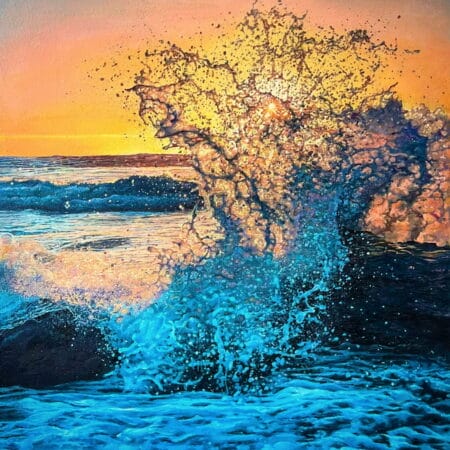
  • Photorealistic coastal painting "By the Sea" by Gerd Bannuscher, colorful giclée print on canvas
    Photorealistic coastal painting "By the Sea" by Gerd Bannuscher, colorful giclée print on canvas
  • "Silk Shawl: Homage to Frida Kahlo" (2014) by Marina Abramović, limited screen print
    "Silk Shawl: Homage to Frida Kahlo" (2014) by Marina Abramović, limited screen print
  • Japanese pop Art "Forest Koropokuru" (2020) by Takashi Murakami, limited screen printing
    Japanese pop Art "Forest Koropokuru" (2020) by Takashi Murakami, limited screen printing

Design and Decor Highlights

  • Pair sculpture "Moon" made of polyresin with bronze fine Pair sculpture "Moon" made of polyresin with bronze fine 49,95 €

    incl. VAT

    Delivery time: 3-4 working days

  • Pop art portrait of a woman, "Femme fatale", art print on canvas (framed) Urban art portrait of a woman, "Femme fatale", art print on canvas (framed) 195,00 €

    incl. VAT

    Delivery time: 3-5 working days

  • Rectangular rug "Miami", dark green, 160 x 230 cm Rectangular rug "Miami", dark green, 160 x 230 cm 145,00 €

    incl. VAT

    Delivery time: 3-5 working days

  • Coastal Bohemian Interior wall mirror "La Principessa", abaca fibers, natural Coastal Bohemian Interior wall mirror "La Principessa", abaca fibers, natural 219,95 €

    incl. VAT

    Delivery time: 1-4 working days

  • Luxurious 3D wall art "Tree of Life" made of MDF + resin behind glass, handcrafted Luxurious 3D wall art "Tree of Life" made of MDF + resin behind glass, handcrafted 185,00 €

    incl. VAT

    Delivery time: 4-8 working days

  • Dolphin tail necklace made of 925 sterling silver chain Dolphin tail necklace made of 925 sterling silver 34,90 €

    incl. VAT

    Delivery time: 4-8 working days

  • Designer chair "Rainbow" in Beige (2 Set) Designer chair "Rainbow" in Beige (2 Set) Designer chair "Rainbow" in beige (2-piece set)399,95 €Designer chair "Rainbow" in beige (2-piece set) 319,96 €

    incl. VAT

    Delivery time: 5-10 working days

Kunstplaza

  • About us
  • Legal notice
  • Accessibility
  • Press Area / Mediakit
  • Advertising on Kunstplaza
  • FAQ – Frequently Asked Questions
  • Get in touch

Languages

Art Magazine

  • About our magazine
  • Editorial Policy / Editorial Standards
  • Guest contributions / Guest author
  • RSS feeds / Subscribe to news

Online Gallery

  • About our gallery
  • Guidelines & principles
  • Buy Art in 3 Steps

Online Shop

  • About our shop
  • Newsletter & deals
  • Quality Promise
  • Shipping & Payment
  • Return Policy
  • Affiliate Program
Carossastr. 8d, 94036 Passau, Germany
+49(0)851-96684600
info@kunstplaza.de
LinkedIn
X
Instagram
Pinterest
RSS

Proven Expert Label - Joachim Rodriguez

© 2025 Kunstplaza

Imprint Terms & Conditions Privacy

Prices incl. VAT plus shipping costs

Manage Privacy

We use technologies like cookies to store and/or access device information. We do this to improve the browsing experience and to show (non-)personalized ads. If you agree to these technologies, we can process data such as browsing behavior or unique IDs on this website. The refusal or withdrawal of consent may adversely affect certain features and functions.

The technical storage or access is necessary for the legitimate purpose of storing preferences that are not requested by the subscriber or user. Always active
Die technische Speicherung oder der Zugang ist unbedingt erforderlich für den rechtmäßigen Zweck, die Nutzung eines bestimmten Dienstes zu ermöglichen, der vom Teilnehmer oder Nutzer ausdrücklich gewünscht wird, oder für den alleinigen Zweck, die Übertragung einer Nachricht über ein elektronisches Kommunikationsnetz durchzuführen.
Vorlieben
Technical storage or access is required for the lawful purpose of storing preferences that have not been requested by the subscriber or user.
Statistiken
The technical storage or access that is used exclusively for statistical purposes. The technical storage or access that is used exclusively for anonymous statistical purposes. Without a subpoena, voluntary compliance by your internet service provider, or additional records from third parties, information stored or retrieved for this purpose alone cannot usually be used to identify you.
Marketing
Die technische Speicherung oder der Zugriff ist erforderlich, um Nutzerprofile zu erstellen, um Werbung zu versenden oder um den Nutzer auf einer Website oder über mehrere Websites hinweg zu ähnlichen Marketingzwecken zu verfolgen.
  • Optionen verwalten
  • Manage services
  • Deny
  • Read more about these purposes
Manage options
  • {Title}
  • {Title}
  • {Title}