In 2024, the world of digital art undergoing an exciting transformation. Ever-advancing technology has opened up new possibilities, inspiring artists to explore innovative avenues. In particular, the rise of artificial intelligence has led artists and designers to utilize new tools and techniques to create captivating works of art.
Amidst this technological revolution, we are also witnessing a renewed interest in 2D animation . This classic form of animation is experiencing a renaissance, captivating both artists and audiences with its nostalgic aesthetic and creative possibilities. The fusion of traditional 2D animation with modern digital techniques promises fascinating and unique works of art that push the boundaries of what is possible.
The year 2024 will undoubtedly be marked by exciting digital art trends that will further advance the diversity and creativity of the art scene. By blending tradition and innovation, artists can bridge the gap between the past and the future.
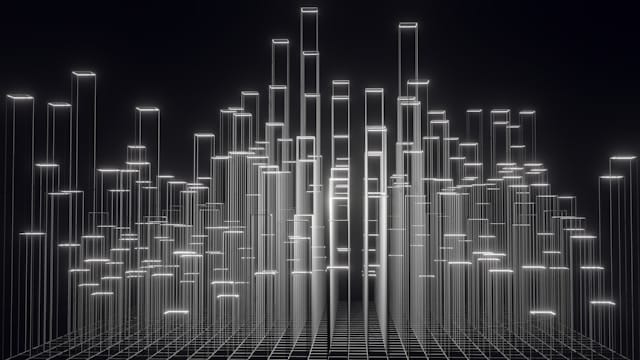
Digital art trends: A rising field in focus. Image by Conny Schneider @choys_, via Unsplash
Digital art encompasses all art forms that utilize IT tools, electronic instruments, artificial intelligence, and technology in general in conjunction with art. The term "digital art" includes any artistic creations that employ modern technologies.
Sound and electronic creations, virtual drawings, videos, and many other forms of expression are part of the repertoire of digital artists. Just as music is being renewed and made more democratic through technological advances, digital art is also gaining a new audience and increasing acceptance among the general public.
The discipline originated in the 1950s, but only began to democratize in the 1990s with the increasing accessibility of computers to the general public. Many areas remain to be explored, and digital artists are innovating daily to create unique, previously unseen works that are revolutionizing the art world.
The establishment of specialized museums and increased exhibitions testify to the growing interest in these disciplines, which are continuously evolving with the progress of new technologies.
A brief look back at the history of digital art
Digital art has an unclear origin. One could say that it arose with the advent of new technologies, which were then used for artistic projects. Some claim that digital art began in the 1950s with the first electronic images created using oscilloscopes for visual and aesthetic purposes.
These abstract symbols provided fertile ground for subsequent developments and marked a turning point in the alienation of digital objects and the subsequent programming software. We could also point to the first attempts at electronic music in the late nineteenth and early twentieth centuries.
Although the origins of digital art can be debated and there is no definitive answer, it is nevertheless important to mention some significant dates and artistic references that contributed to the emergence of this new discipline.
Ben Laposky " Oscillillon 40" (1950) is considered the first electronic image created using oscilloscopes. A pioneer of computer art, Laposky utilized the technological capabilities of oscilloscopes to create complex, aesthetically pleasing patterns through skillful manipulation of electron beams. These early works of electronic art opened new perspectives on the intersection of art and technology, and their influence is still felt in the digital art scene today.
Jack DiLaura from The Interactive & Immersive HQ guides you through the creation of generative, feedback-based art, using Laposky's art generation technique and aesthetic style as inspiration.
Nicolas Schöffer 's "Spatially Dynamic Tower" represents a milestone in interactive art. This house-high metallic structure from 1954 used sensors to react to changes in its environment. When disturbances occurred within the installation area, the sensors sent signals to loudspeakers, which then generated sounds.
In the video we see the creator's Chronos 5, which was created 6 years later:
Schöffer, a visionary artist and engineer, thus created the first interactive artwork that actively interacted with its audience and reacted to their movements and behaviors. This work illustrates the potential of art to become a dialogical experience that involves the viewer in the creative process and blurs the boundaries between artwork and viewer.
In 1963, algorithmic computers were used for the first time to create visual works , laying the foundation for digital art. Eight years later, in 1971, the artist Harold Cohen, using an artificial intelligence , developed a printer that could autonomously produce images based on pre-recorded artwork. This groundbreaking development paved the way for further innovative approaches in digital art.
A significant step followed in 1986 with the creation of the first fully interactive works involving the viewer. The movement of the body in front of a motion sensor was converted into sounds, thus sound objects . This interactive art form fused technology and creativity in a new and fascinating way.
The major breakthrough for digital art came in the 1990s with the development of computers and software for the general public. During this time, digital art experienced a tremendous upswing, supported by software adaptations and the creation of specific programs for artistic purposes. These developments broke down previous limitations and enabled artists to create a wide variety of compositions, ranging from abstract to realistic works.
Digital art has continued to evolve steadily since then, inspired by technological advancements and creative visions. Today, it is possible to create an impressive range of artistic works using modern tools and techniques, captivating in both traditional and revolutionary ways.
Digital art today: a creative form of expression in keeping with the spirit of the times
The global spread of this art form is revolutionizing the creative industry. Thanks to global access to technology, artists are setting new standards, inspired by historical art movements such as the Renaissance .
Digital innovation not only leads to new ways of working, but also to an evolutionary mindset within the art world. Machines and artificial intelligence shape the creation of virtual works and enable innovative trends in the art world.
A world of diversity
Digital art encompasses various artistic trends linked to constantly evolving technologies. Some of these practices are already firmly established and part of our everyday lives, while others are still developing and opening up new artistic possibilities.
Digital Painting
Digital paintings have become one of the most well-known forms of digital art.
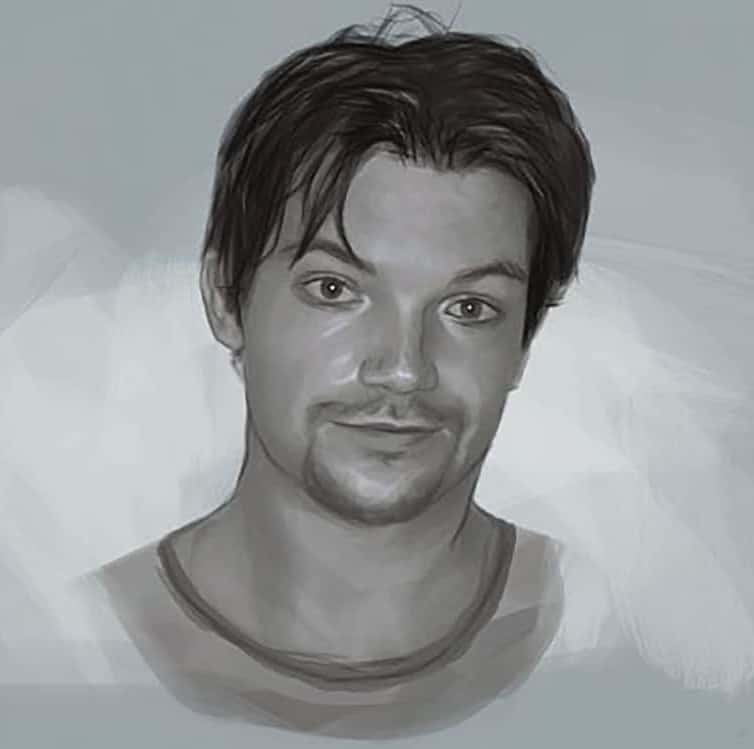
In this technique, the artist creates graphic works directly on the computer using a graphics palette that includes a graphics tablet , a stylus and digital drawing software such as Adobe Photoshop or Procreate .
In this way, the artist can work as if on a blank sheet of paper. However, they have access to a wide variety of options, brushes, effects, and other tools that make it possible to achieve a rendering that would be difficult to achieve with conventional painting or drawing tools.
Digital drawing is used in various fields such as illustration , video game design , animation and advertising , and is therefore an integral part of our daily lives, whether professionally or as a hobby.
Some of the most common painting styles in digital art are realism, semi-realism, impressionism , expressionism, conceptual art , fantasy art, fan art, anime/manga , and abstract art . Popular programs for these types of painting include Adobe Photoshop, the industry standard; Corel Painter, known for its realistic brush simulation; and Procreate for iPad users. Krita is a free, open-source favorite, and Clip Studio Paint is ideal for illustrators and comic artists.
Graphic and game designer Tayler Olivas presents a painting tutorial for beginners. Step by step, he shows how to set up a workspace, use digital tools, practice non-destructive editing, skillfully use texture brushes, and combine all these elements into an impressive digital painting.
Famous representatives of digital painting
Talented artists have emerged in the field of digital painting, but only a few stand out through their techniques, popularity, influence, and style:
Craig Mullins
Craig Mullins is often described in professional circles as a pioneer of digital painting. As one of the first artists to use Photoshop for professional concept drawings, he created works of cinematic quality by combining traditional painting techniques with digital methods.
His work has had a lasting impact on the conceptual art industry and the digital art scene, which is why he is appreciated worldwide by renowned experts as an outstanding artist.
Loish
Lois van Baarle , also known as Loish , is one of the most respected and influential artists of our time. With her vibrant and expressive style, she has shaped the work of an entire generation. Her talent for character design is particularly noteworthy, as her figures truly come to life through dynamic poses and vivid color palettes.
Her works often feature quirky, strong female figures characterized by a distinctive style that combines gentle, painterly elements with powerful lines.
Aaron Blaise
The renowned artist Aaron Blaise is one of the most experienced experts in the field of digital art. His groundbreaking animations for Disney films such as "The Lion King" and "Brother Bear" have significantly shaped the digital art scene. He is particularly known for his profound knowledge of animal and wildlife anatomy.
In his digital paintings, he skillfully combines realistic wildlife with playful and animated elements, making his works both emotionally and visually appealing to a wide audience.
Digital photography
In the world of digital photography, images are created using digital cameras or devices such as smartphones and tablets that have a built-in camera. Unlike traditional photography, which is based on film, this form of photography uses electronic sensors to capture images and then save them as digital files.
This allows the photographer to check and edit the shots almost immediately, which has a revolutionary impact on the photographic process.
Digital photography encompasses various styles, including portrait, landscape, street, fashion, architectural, wildlife, and sports photography. These styles showcase fascinating and unique moments, natural scenes , individuals, or groups for artistic or commercial purposes, demonstrating the diversity and vibrancy of digital photography in capturing our world.
Software such as Adobe Photoshop, Adobe Lightroom, Capture One, and DxO PhotoLab is frequently used for managing and editing photos. These programs offer extensive tools for retouching, composing, editing, processing raw images, and correcting photos, which are highly valued by professional photographers.
To take digital photos, you will need the following basic equipment:
Digital cameras
lenses
Tripods and stabilization
Lighting equipment
Storage devices
A laptop or PC
Famous digital photographers
Annie Leibovitz
Annie Leibovitz is currently one of the most respected photographers of our time. Her ability to capture subjects with exceptional depth and a narrative approach is legendary. In her portraiture, she focuses on capturing the personality and emotions of her models in a striking way.
Whether celebrities, politicians or cultural icons – Leibovitz has photographed them all and is undoubtedly one of the most influential figures in contemporary portrait photography.
Steve McCurry
Steve McCurry is a respected photographer who captures profound human stories through vibrant and colorful images. He is particularly known for his iconic photograph “Afghan Girl ,” which was originally shot on film.
Despite technological advances, McCurry tirelessly continues his documentation of human activity, telling stories from around the world. He masterfully captures the essence of human emotions and reflects the spirit of the places he photographs.
Cindy Sherman
Cindy Sherman is a renowned American artist who explores the themes of identity, representation, and technology in a fascinating way through her innovative self-portraits. Through her creative transformation into diverse characters and the skillful use of digital technologies , she uniquely modifies her surroundings and physical appearance.
The development of digital photography opened up new artistic possibilities for her to create even more complex and profound compositions, to refine her image editing skills, and to intensify the narrative level of her portraits.
Digital collages
Digital collage is a sophisticated art form that combines various elements into a captivating composition. Using state-of-the-art tools, photos, graphics, texts, and textures are fused into a multifaceted and impressive piece of media.
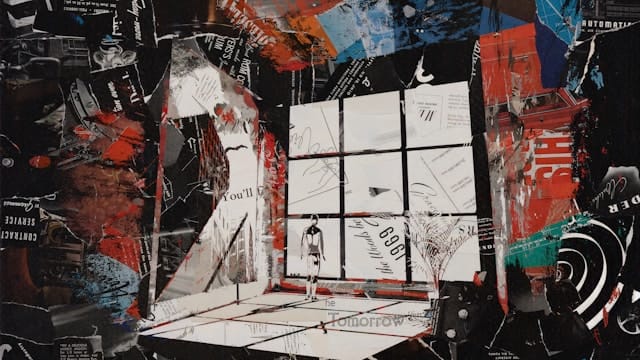
Digital collage by Micha Frank @meeezy, via Unsplash
In contrast to traditional collage, the digital version uses innovative software, which guarantees greater creative freedom, flexibility and opportunities for experimentation.
Popular styles in digital collage include photomontage, which merges various photos into surreal or abstract recompositionsPop art collages , which combine popular media elements with vibrant colors and ironic messages, are also enjoying
Professional software such as Adobe Photoshop, GIMP, Corel Painter, and Adobe Illustrator is preferred by collage artists due to its advanced image editing features, including layers, masking, blending, and digital painting, as well as its vector-based capabilities. These programs also enable artists to create commercially successful works of art from their own work.
Creating digital collages requires a powerful computer or laptop , a graphics tablet or tablet for image editing, and a high-resolution screen with precise color settings, especially if printing or reproducing the digital collages is planned.
Notable artists of this art movement:
Julie Cockburn
Julie Cockburn creates impressive works of art by embellishing found photographs with embroidery, paints, and other materials. The resulting works are then digitized and further processed.
Particularly fascinating is her extraordinary skill in reinterpreting vintage portraits using geometric patterns and vibrant colors in the original images.
Erik Johansson
Erik Johansson is a renowned photographer and artist from Sweden, internationally acclaimed for his captivating digital collages. His works are characterized by their surreal aesthetic and encourage viewers to reconsider their perception of reality.
Through the seamless fusion of different photographic elements, new, seemingly impossible scenes emerge in his works.
Matt Wisniewski
Matt Wisniewski is a respected artist from New York, known for his outstanding works that masterfully intertwine the beauty of nature with the presence of man.
His digital artworks create a fascinating fusion of harmony and contrast by artfully combining natural landscapes with urban and human elements.
3D Art / 3D Art / 3D Modeling
3D art describes the use of digital tools to create artworks in a three-dimensional space. The spectrum ranges from modeled objects to environments and animations. This art form allows for a more realistic representation of objects, characters, and scenes from different perspectives.
Among the most common styles of 3D art are the realistic style , which accurately reproduces textures, lighting, and details to create lifelike images and animations; the stylized style , which uses exaggerated or simplified shapes, colors, and textures to convey a specific aesthetic vision; the abstract style , which utilizes geometric shapes, unconventional structures, and creative interpretations of themes; and the low-poly style , which uses a limited number of polygons for a retro or simple effect.
Popular programs for creating 3D art include Autodesk Maya, Blender, ZBrush, and Cinema 4D, which are used for modeling, sculpting, animation, simulation, and rendering. While some programs, like Blender, are available for free, others, such as ZBrush and Cinema 4D, require a license.
Creating 3D artwork requires a powerful computer with a strong CPU and GPU, as well as sufficient RAM to meet the demanding processing requirements of 3D rendering and simulation. Furthermore, a 3D input device is essential, such as a graphics tablet , a 3D mouse, or an additional keyboard, to program and ensure efficient interaction with the software and 3D models.
Notable 3D artists
Antoni Tudisco
Antoni Tudisco is a renowned contemporary 3D artist whose works represent a creative fusion of terrestrial and extraterrestrial elements. With impressive skill, he transforms humanoid figures into abstract and extraordinary 3D objects.
His collaborations with leading fashion brands like Gucci demonstrate his talent and will undoubtedly inspire you to create something futuristic yourself.
Visualdon strives to combine vintage colors with contemporary elements, forming the basis of his unique artworks. By using vibrant color palettes popular in the 80s , he lends his modern art a nostalgic retro feel.
Furthermore, he integrates cosmic elements such as stars or planets into all his projects, contributing to the fusion of retro aesthetics and contemporary art.
Yonito Tanu & Jessica Chapiness
TheduoYonito Tanu & Jessica Chapinesshave established a renowned studio in Spain that produces enchanting 3D artworks. With their latest art collection, they aim to keep summer alive all year round – and they have undoubtedly achieved this goal.
Through their artful use of color, they tell stories behind each individual element and unite the incompatible in a fascinating way. Their artworks are truly a feast for the eyes.
In the field of 2D animation, the focus is on creating the illusion of movement in a two-dimensional space. Characters, creatures, effects, and backgrounds are designed in flat environments rather than three-dimensional spaces.
Animators use sequences of images to depict movement; each image has minimal differences from the others and is played back in a sequence to simulate motion. 2D animation has a long tradition, stretching from the beginnings of film to modern digital techniques. Despite the success of 3D animation, 2D remains a valued and influential medium due to its artistic versatility and emotional appeal.
It continuously evolves with technology and integrates new tools and methods that find application in the fields of entertainment, education, and marketing.
Some of the most common styles in 2D animation include:
Traditional animation: This classic form of hand-drawn animation involves manually drawing each individual frame. It is characterized by fluid movements and artistic expression.
Vector-based animation : This technique uses computer-generated vector graphics, which allow for easy editing because the images can be scaled and modified without loss of quality. This technique is particularly popular in cartoons and children's programs.
Motion Graphics : This style includes animated graphic design elements primarily used for media branding, music videos, and advertisements.
Software for 2D animation varies depending on style and purpose. Adobe Animate is frequently used for vector-based animation, while Toon Boom Harmony is considered an industry standard for TV and film and is known for its extensive toolkit. After Effects is used for animated graphics as well as animation in advertising and film post-production. Clip Studio Paint is excellent for anime as well as traditional frame-by-frame animation.
Creating 2D animations requires a graphics tablet , a powerful computer, and ideally two monitors to clearly display the different timelines, tools, and windows of the preferred animation software.
Pioneering 2D artists:
Hayao Miyazaki
Hayao Miyazaki is often considered one of the most famous and respected artists in the industry. As co-founder of the renowned Studio Ghibli , his films are famous for their profound stories, aesthetic beauty, and artful creation of hand-drawn worlds with complex characters.
Themes such as nature, humanity, and spirituality are explored sensitively and artfully. Masterpieces like "Spirited Away , "Princess Mononoke," and "Howl's Moving Castle" have touched the hearts of numerous generations and inspired many artists and animators to pursue creative careers.
Miyazaki's commitment to traditional animation methods makes him a passionate defender of 2D animation at a time when computer-generated images are becoming increasingly prevalent.
Rebecca Sugar
Rebecca Sugar , the talented creator of "Steven Universe ," represents a new generation of 2D animators who are groundbreaking both stylistically and thematically. The "Steven Universe" series enjoys immense popularity not only for its unique art style but also for setting new standards in the portrayal of gender and relationships in children's media.
Genndy Tartakovsky is characterized by a unique style that combines striking geometric shapes with fluid, dynamic movements.
As the creator of iconic series such as "Samurai Jack" and "Dexter's Laboratory", Tartakovsky has had a lasting impact on the Western animation landscape through his creative storytelling techniques and visual compositions.
Vector graphics can also be considered a contemporary art form in which images are created using specialized software based on mathematical formulas, rather than pixels . This technique allows images to be scaled to any size without loss of quality, which is particularly important for logos and printed media where precise resizing is required.
The world of vector graphics encompasses a variety of styles, including flat design with clean lines and monochrome symbols, line drawings with straight or curved lines against simple backgrounds, geometric art with abstract shapes, and cartoons with bold colors for children's media and animation.
Popular software solutions such as Adobe Illustrator, CorelDRAW, Inkscape and Affinity Designer offer powerful tools and modern user interfaces that appeal to designers and illustrators alike.
While a graphics tablet isn't strictly necessary for creating vector graphics, it can make the process easier and allow for more precise control over lines and curves. A computer with a high-resolution screen is essential for handling intricate details and large file sizes, as well as accurately reproducing colors for print media and design work.
Although the iPad Pro with Apple Pencil allows artists to work on vector files, the app versions are still quite limited and therefore not recommended for professional work.
Vector art artist
Some notable artists in the world of vector art are:
Yukio Miyamoto
Yukio Miyamoto is a respected figure in the field of vector graphics, particularly known for his outstanding mastery of Adobe Illustrator and his impressive photorealistic vector illustrations. His works are characterized by their high level of craftsmanship and impressively demonstrate Miyamoto's exceptional skill in using the software.
Particularly impressive is his ability to reproduce the textures and subtleties of materials such as metal, glass, and skin using only vector shapes. This meticulous attention to detail not only demonstrates the diverse possibilities of vector graphics but also expands the boundaries of what artists have previously been able to achieve with this medium.
Tom Whalen
Tom Whalen is a renowned artist who has gained recognition for his bold graphic style, influenced by vintage designs and comics. His works are characterized by the powerful use of color and form and enjoy extraordinary popularity, particularly in the world of pop culture posters.
His posters for classic films and popular television shows uniquely capture the essence of the subjects with sleek, stylized lines and forms. This makes his art highly sought after by collectors and enthusiasts of Pop Art.
Cristiano Siqueira
Brazilian artist Cristiano Sisqueira , known under the pseudonym ChrisVector, impresses with his precise vector illustrations that virtuously combine realism and graphic design. His artwork enjoys considerable popularity in the commercial sector and has already been used for major sporting events such as the FIFA World Cup, ESPN and Nike, as well as renowned companies like Adobe.
His diverse portfolio encompasses a wide range of themes. These include portraits of athletes that capture the passion and concentration of the sport, as well as fantastical artworks with superhero motifs that precisely blend comic book aesthetics with digital art.
Concept Art
Concept art(not in the sense ofconceptual art) is a specific form of illustration. In this form, artists present ideas that will later be used in films, games, animations, or comics before they are integrated into the final product. This art form serves to visually represent environments, characters, and objects such as vehicles, weapons, and other props, thus providing a pictorial representation even before they are fully developed.
Concept artists use their creativity to bring these ideas to life, serving as a guide for other creatives while also inspiring other artists on the team.
Concept art a variety of styles . These include photorealistic depictions that offer a clear and direct view of the scene, figure, or object. There are also stylized approaches that employ a unique artistic style and are often found animation and video games
Another aspect is atmospheric scenery, which focuses on backgrounds, lighting, and scene composition. Character design on the other hand, deals with the development of characters whose appearance and personality are reflected in details such as clothing, accessories, and physical characteristics.
This art form often uses software similar to that used for digital painting. However, since this process takes place in the early stages of a game, it's easier to adjust sketches and drawings than to modify entire 3D models and illustrations. Commonly used programs include Adobe Photoshop, Corel Painter, and Procreate; SketchUp and Blender used for scenery.
For creating concept drawings, a graphics tablet such as a Wacom Cintiq or an iPad Pro helpful; a high-quality graphics tablet is particularly preferred for professional use. A high-resolution display and a powerful computer are especially important, particularly in the field of environmental conceptual art.
These are the concept art artists you should know:
Feng Zhu
Feng Zhu enjoys immense prestige in the world of concept art . He is known for his groundbreaking contributions to both film and video games.
Throughout his career, Zhu has collaborated with renowned companies such as Electronic Arts, Sony and Microsoft, making significant contributions to the visual design of important projects.
His work on films such as "Blade Runner" , "Tron" and "Aliens" has had a lasting impact on the science fiction genre and offers fascinating visions of the future that are both inspiring and cautionary.
Ralph McQuarrie
Ralph McQuarrie played a crucial role in the creation of the "Star Wars" universe. His early concept art for the original trilogy was instrumental in bringing George Lucas's ideas to life.
McQuarrie's illustrations of characters such as Darth Vader, R2-D2 and the stormtroopers, as well as his depictions of key scenes and environments, were crucial to the iconic aesthetic of the series.
Anime Art / Manga
Anime art encompasses the drawing and animation style that originated in or was influenced by Japan. Emerging in Japan in the 1910s, this art form has gained worldwide recognition. Anime is characterized by vibrant colors, fantastical themes, and distinctive characters.
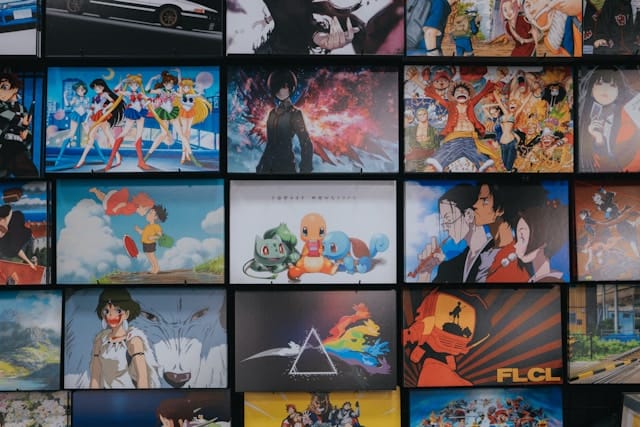
Popular anime series. Photo by Dex Ezekiel @dexezekiel, via Unsplash
With its diverse genres, anime appeals to a broad audience and is used in various media such as television shows and films. The focus is on world-building, storytelling, character design, and cinematography.
Various styles are prevalent in the world of anime art. These include realistic depictions that strive for proportional accuracy of figures and backgrounds, chibi with exaggeratedly cute proportions for a childlike appearance, and moe with a focus on young and sweet characters to evoke affection in the audience.
Shoujo, on the other hand, depicts characters with long limbs, large eyes, and flowing hair to emphasize beauty and "romantic emotions ." The Gothic style is often very detailed and frequently deals with themes such as fantasy and horror, while Mecha encompasses complex and detailed designs of robots and machines.
Various software solutions are used to create anime art, depending on the skills, goals, and production phases. Programs like Medibang Paint , Ibis Paint , and PaintTool SAI are common tools for drawing anime and mangaClip Studio Paint are particularly well-suited for illustrations and background art . In the field of animation, ToonBoom Harmony, OpenToonz , and Clip Studio Paint are among the most frequently used programs.
Akira Toriyama is an outstanding figure in the field of manga and anime and enjoys a high reputation worldwide. He is particularly known for creating "Dragon Ball ," a series that has become an essential part of global pop culture.
His unmistakable style is characterized by vibrant character designs with striking, expressive features and impressive action sequences that have shaped an entire generation of anime enthusiasts and inspired numerous creatives worldwide.
Masashi Kishimoto
Masashi Kishimoto , the creator of "Naruto ," is one of the leading figures in the field of anime and manga. His series is not only one of the best-selling manga and anime franchises worldwide, but has also significantly shaped an entire genre of anime storytelling.
Kishimoto's art captivates with fluid movements and expressive character designs that can convey complex emotions and gripping action alike.
Eiichirō Oda
Eiichiro Oda is one of the most famous Japanese manga artists, whose work “One Piece” is among the most successful and influential manga series of all time. His concise and creative drawing technique, as well as his captivating storytelling, have earned him worldwide acclaim from both experts and a broad readership.
His style is characterized by detailed and dynamic illustrations that bring even the most unusual characters and environments to life. This technique is reminiscent of the use of halftone dots and pointillism in Western art, where small, precisely placed dots create a larger, harmonious overall image.
Oda's storytelling skill blends dramatic plot lines with humorous moments and profound messages. "One Piece" explores themes such as friendship, freedom, and the search for one's own path – core aspects that recur throughout Western art forms as well.
Makoto Shinkai
Makoto Shinkai is highly praised for his visually stunning films such as "Your Name" and "Weathering With You ." His works are characterized by breathtakingly detailed and artfully saturated depictions of both fantastical and everyday environments.
His ability to capture light and landscape in an almost photorealistic yet warmhearted way gives his films a visual uniqueness within the anime world.
Getting started with digital art – Start your own journey
Being an artist doesn't mean limiting yourself to one specific art form. Even if you appreciate a classic art form, you can use your time in the future to explore it and find out if digital collage, concept art, digital painting, CGI art, or even 3D modeling sparks your interest.
Instead of getting stuck on one point, you should focus on enjoying the journey and gaining insightful knowledge from each art form you discover.
Furthermore, we can recommend the following resources for further information:
NewMastersAcademy – Courses and tutorials in digital drawing with a huge Discord community
Reddit – numerous subreddits on the topic of digital drawing
YouTube – countless free tutorials and over-the-shoulder videos
Art Rocket – Illustration, concept art, comics and more: drawing tutorials and art advice that meet the needs of every creative person.
In the field of digital art, it is crucial to keep pace with the latest technologies while simultaneously developing exceptional art styles that resonate with your brand's target audience or your customers.
We at Kunstplaza sincerely hope that this comprehensive article on digital art for beginners, enriched with examples and outstanding representatives of digital art, will give you an excellent first overview.
Owner and Managing Director of Kunstplaza . Publicist, editor, and passionate blogger in the fields of art, design, and creativity since 2011. Graduated with a degree in web design from university (2008). Further developed creative techniques through courses in freehand drawing, expressive painting, and theatre/acting. Profound knowledge of the art market gained through years of journalistic research and numerous collaborations with key players and institutions in the arts and culture sector.
The art style or also the direction in artworks refers to the uniform expression of the artworks and cultural products of an era, an artist or an artist group, an art movement, or an art school.
This is a tool for categorising and systematising the diversity of art. It denotes similarities that distinguish it from others.
The term is thematically related to the Art Movement, but it should not be viewed solely within a temporal framework and is therefore much broader.
In this section, we would like to help you gain a better understanding of styles and movements in art.
We use technologies such as cookies to store and/or access device information. We do this to improve your browsing experience and to display (non-)personalized advertising. If you consent to these technologies, we can process data such as browsing behavior or unique IDs on this website. Refusal or withdrawal of consent may adversely affect certain features and functions.
Functional
Always Active
Technical storage or access is strictly necessary for the legitimate purpose of enabling the use of a specific service expressly requested by the subscriber or user, or for the sole purpose of carrying out the transmission of a message over an electronic communications network.
Preferences
The technical storage or access is necessary for the legitimate purpose of storing preferences that were not requested by the subscriber or user.
statistics
Technical storage or access that is solely for statistical purposes.Technical storage or access that is used solely for anonymous statistical purposes. Without a subpoena, the voluntary consent of your internet service provider, or additional recording by third parties, the information stored or retrieved for this purpose cannot generally be used to identify you.
marketing
Technical storage or access is required to create user profiles, to send advertising, or to track the user on one or more websites for similar marketing purposes.



 J-Line Abstract female figure sitting on a square block, matte white
77,90 €
J-Line Abstract female figure sitting on a square block, matte white
77,90 €