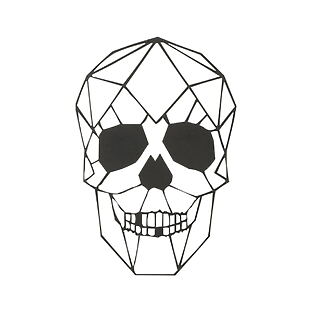
From the late 19th century to the mid-20th century, modern art represented a bold departure from traditional artistic norms. It was characterized by experimentation, abstraction, and a focus on individual expression.
The influence of modern art extends far into contemporary art movements, shaping the way artists explore themes, techniques, and media today. Examining their development over this period reveals how earlier movements pave the way for new trends and currents that will redefine the art world once again.
What does the evolution of modern art tell us about future trends? Image by Mayur Deshpande @mayur_deshpande, via Unsplash
International specialist magazines such as Artnet News (one of the leading providers of news and analysis on the global art scene),The Art Newspaper(international art news and in-depth analysis of market trends),Hyperallergic(critical news and commentary on the contemporary art scene),Artforum(essays offering insights into current and future movements in the art world),Colossal(an art blog specializing in contemporary art and visual culture), and the FrenchFrieze(reportsand essays on emerging artists and new developments in the art world) deal intensively with this question – in hundreds of specialist articles, essays, and commentaries.
These sources offer comprehensive insights and are valuable resources for observing and understanding current developments and potential future trends in the art scene. With this article, we aim to get to the heart of the matter for you.
The most important developmental phases in modern art
Impressionism: Capturing fleeting moments
Impressionism is undoubtedly one of the most significant and influentialArt Periods And Movements , whose revolutionary elements have profoundly shaped modern art. This era, which spanned mainly between 1860 and 1886, marked a radical break with the traditional academies of art and laid the foundation for many modern artistic practices.
Impressionism , which emerged in France in the 1860s, sought in its essence to depict the fleeting beauty of everyday life and the dynamic effects of light and color.
Artists like Claude Monet and Pierre-Auguste Renoir used loose brushstrokes and vibrant color palettes to convey a sense of immediacy. This movement revolutionized artistic techniques and paved the way for more expressive and experimental approaches to painting.
A groundbreaking work of this period is Monet's "Impression, Sunrise" (1872), which gave its name to the entire movement. The use of halftone dots in the painting technique, inspired by Pointillism, would later be further developed by Neo-Impressionists such as Georges Seurat.
Impression, Sunrise by Claude Monet
Revolutionary elements of Impressionism
Light and color:Impressionism revolutionized the representation of light through the use of pure colors and the exploration of the light spectrum. Artists captured the fleeting effects of light in nature, enabling a more dynamic and realistic depiction.
Composition and perspective:Impressionists abandoned traditional central perspective and created compositions that more closely resembled the natural viewpoint and spontaneous perception of the viewer. This approach later inspired Cubist and abstract artists.
Subjectivity and emotion:The emphasis on individual perception and subjective experience in art led to a more emotional and personal mode of expression that is characteristic of modern art.
Dissolution of traditional themes and motifs:Impressionism undermined the hitherto classical choice of subjects. Impressionists turned to everyday scenes, bourgeois life, and hidden moments, often emphasizing the beauty of the mundane. This shift in focus inspired subsequent movements such as Realism and New Objectivity, which explored more profound social and political themes.
The groundbreaking approaches of Impressionism expanded the boundaries of art and paved the way for many modern and contemporary movements. They fostered the understanding that the artistic interpretation of reality is just as valuable as its realistic depiction, a principle that shapes the diversity and innovation in the art world today.
Post-Impressionism: A rather subjective approach
Building on Impressionism, Post-Impressionist artists, including Vincent van Gogh and Paul Cézanne , turned more towards abstraction and personal expression. They experimented with bold colors, distorted forms, and expressive brushstrokes to convey deeper feelings and subjective interpretations of reality.
This movement laid the foundation for the abstraction of modernism and influenced numerous art movements of the 20th century.
Cubism: A radical shift in perspective
Cubism, founded by Pablo PicassoandGeorges Braque, dissolved traditional perspectives by depicting multiple viewpoints simultaneously. This revolutionary style fragmented objects and reassembled them into abstract forms.
The movement was crucial for the transition of art from representation to pure abstraction and inspired modern and contemporary art developments.
Surrealism: The Power of the Subconscious Mind
Influenced by Freudian psychology, Surrealism explored the world of dreams and the subconscious. Artists such as Salvador Dalí and René Magritte created fantastical, dreamlike images that challenged conventional reality.
This movement encouraged the artistic exploration of the intangible world and inspired later conceptual and multimedia art forms.
Abstract Expressionism: The emphasis on spontaneity
Abstract Expressionism originated in the United States during the 1940s and 1950s and emphasized non-representational, emotional expression. Artists such as Jackson Pollock and Mark Rothko used bold colors, dynamic brushstrokes, and large canvases to evoke deep emotional responses.
This movement marked a change in the art world, where the creative process became just as important as the finished work.
Revolutionary elements of Abstract Expressionism
Subjectivity and emotion:Abstract Expressionism emphasized subjective, emotional forms of expression that often brought unconscious and deeply personal aspects to light. The creative process became an act of self-exploration and intuitive expression.
Technological innovation:Techniques such as “drip painting” or the use of unconventional tools and materials revolutionized the painting process. These approaches emphasized the importance of the physical act of painting and broke with traditional methods.
Larger canvases and new formats:Many artists began using large-format canvases, which drew the viewer into the picture and enabled an immersive experience. This change in scale transformed the artworks into overwhelming visual experiences.
Philosophical and spiritual influence:Many Abstract Expressionist artists were strongly influenced by existentialist and spiritual ideas. They sought universal truths and experiences that transcended the visible and reflected this in their art.
Abstract Expressionism laid the foundation for many subsequent movements and paved the way for American art to achieve international recognition. It broadened the understanding of what art could be and shifted the focus away from representation and toward expression. By emphasizing the creative process and emotional authenticity, it fundamentally changed the relationship between artist, artwork, and viewer.
This profound interplay of technical innovations, philosophical questions, and new artistic forms of expression makes Abstract Expressionism one of the most important periods in the history of modern art.
Current trends that are shaping the future of art
The art world is currently experiencing an exciting period of change and innovation, shaped by technological advancements, social movements, and a rapidly transforming global context. These trends are helping to shape the future of art and offer artists new opportunities to realize their ideas and visions.
Here are some of the most significant current trends that are very likely to shape the future art landscape:
01 Digital Art and NFTs: The Triumph of Technology
The digital revolution has transformed artistic creation and distribution. Digital art, including computer-generated images and virtual reality installations, is becoming increasingly popular.
Furthermore, non-fungible tokens (NFTs) revolutionized art ownership by enabling artists to sell unique digital works directly to collectors via blockchain technology . This trend democratizes art and expands the possibilities of artistic expression.
Beeple's “Everydays: The First 5000 Days”: This digital artwork sold atChristie’sfor over $69 million and garnered worldwide attention. It demonstrates how blockchain technology can transform digital artworks into unique, collectible assets.
Art Blocks: A platform specializing in generative art using NFTs.Artists program algorithmsthat create unique artworks, which are then sold as NFTs. This opens up new possibilities for art based on mathematics and algorithms.
02 Interdisciplinary Art: The boundaries blur
Contemporary artists are increasingly merging art with science, technology, and other disciplines. This interdisciplinary approach leads to innovative and thought-provoking works that address complex social and environmental issues. By integrating diverse fields, these artists challenge traditional boundaries and push the limits of creativity.
Today, artists are merging creativity with practical aspects of daily life. Conceptual installations can explore themes such as urban living, sustainability, or even the aesthetics of an interior space using a checklist for a vacation rental, thereby combining functionality with artistic expression.
03 Ecological art and sustainability: Environmental awareness is heightened
In light of growing concerns about climate change, many artists are focusing on sustainable practices and environmental issues. Eco-art often uses natural materials and highlights themes such as environmental protection and pollution. This movement underscores the role of art in promoting ecological responsibility and inspiring social change.
Olafur Eliasson: He is known for his installations that address environmental issues. Projects like “Ice Watch,” in which large blocks of ice from Greenland were installed in urban spaces, make the effects of climate change tangible.
Christina Seely's “Dissonance”: This series of photographs and installations deals with the human-environment relationship and uses sustainable materials and environmentally conscious production techniques.
04 Immersive and interactive art: Audience involvement
Art is becoming more interactive. Virtual Reality (VR) and Augmented Reality (AR) are changing the way audiences engage with artworks, making the viewing experience more participatory and dynamic.
Art installations that actively involve the viewer in the artwork and offer an immersive experience are becoming increasingly popular. These works often use light, sound, virtual reality (VR), and augmented reality (AR) to create multisensory experiences.
TeamLab: This Japanese collective is known for its digital installations that offer interactive and immersive experiences. Their works, such as the exhibition“Borderless”in Tokyo, use projections, motion sensors, and interactive technologies to engage visitors with their art.
Meow Wolf: An artist collective that creates immersive installations and experiential spaces. Projects like“House of Eternal Return”in Santa Fe offer an interactive art adventure that tells stories through surrounding, physical artworks.
05 Socially Engaged Art: Addressing Current Issues
Many contemporary artists use their work to draw attention to social and political issues such as inequality, injustice, and human rights. Socially engaged art often involves community participation to create meaningful dialogue and promote social change.
This trend strengthens the role of art as an effective instrument for activism and awareness-raising.
Theaster Gates: A prominent example of an artist who engages with social issues. His projects, such as the Rebuild Foundation in Chicago, combine art with urban renewal and community work to effect social change.
Forensic Architecture: This artistic and investigative research group uses architecture, visual art, and new technologies to document human rights violations and state misconduct. Their work has been exhibited in renowned museums and at biennials.
06 Diversity and Inclusion
The art world is increasingly opening up to diverse perspectives and voices that have long been marginalized. This fosters a richer dialogue and a greater variety of forms of expression.
Kara Walker: Her works address racism, gender, and identity through a provocative and sometimes controversial visual language. With her silhouette installations, Walker has significantly contributed to the discussion on racial history and gender politics.
Zanele Muholi: A South African photographer and visual activist who uses her work to portray and empower the LGBTQI+ community. Her powerful portraits illuminate the beauty and suffering of an often invisible community.
07 The revival of traditional techniques: A return to craftsmanship
While technological advancements continue to shape the art world, there is also a renewed appreciation for traditional techniques such as painting, sculpture, and printmaking. Many artists blend these classical methods with modern sensibilities, creating a dialogue between the aesthetics of the past and the present.
08 Art and mental health: The healing power of creativity
The intersection of art and mental healthis gaining increasing importance. Art therapy is widely known for its psychological benefits and helps individuals process emotions and trauma.
Many artists address mental health issues and, through their work, promote a deeper understanding of personal and collective well-being.
09 Artificial intelligence and machine learning
Artificial intelligence (AI) and machine learning offer new opportunities for collaboration between humans and machines in the artistic creation process.
AI-generated art: Artists like Mario Klingemann and the collective Obvious use AI algorithms to create artworks. Klingemann's work “Memories of Passersby I,” which was auctioned at Sotheby's, consists of an AI system that generates portraits in real time.
Algorithmic art: Algorithms are used to generate standalone artworks or to support the artistic process. Art Blocks, a platform for generative art, allows artists to program algorithms that create unique NFTs.
10 Interactive Installations and Sensors
Modern installations increasingly utilize sensors and interactive technologies to create participatory artworks. These works react to the movements and actions of the viewers, thus creating a dynamic and immersive experience.
Examples include installations that are based on sound or light and change in real time.
11 Global networking: A more inclusive art world
The art world is becoming increasingly diverse and inclusive, and recognition of artists from different cultural backgrounds is growing. This shift challenges Western-dominated narratives and opens up new perspectives for contemporary art. The globalization of art enriches its discourse and opens new avenues for intercultural collaboration.
Digital collaboration platforms enable artists and creatives worldwide to interact in real time and create artwork together. Social media and online galleries have significantly expanded the reach and visibility of artists by providing them with direct access to a global audience.
12 Street art and urban culture: Art in public spaces
Street art and graffiti have evolved into influential art forms, bringing creativity to the everyday urban environment. Murals, public installations, and socially motivated projects make art accessible to a wider audience and reflect the energy and cultural shift of contemporary society.
Recently, special forms such as tape art , flash mobs , and projection mapping emerged impressively to draw attention to current social issues.
The evolution of the art market: online galleries, virtual exhibitions and augmented reality (AR)
In recent years, the traditional art market has undergone a remarkable transformation, driven primarily by the emergence of online galleries, virtual exhibitions, and digital platforms. These significant innovations have not only dramatically increased the accessibility of art for collectors and the general public worldwide, but they have also revolutionized the way artworks are bought, sold, and ultimately experienced.
Previously, access to artworks was often limited to physical galleries and exhibitions, meaning that many people in geographically remote regions or with limited mobility were excluded from the art world. However, with the introduction of online galleries and virtual technologies, these barriers have dissolved.
Today, anyone with an internet connection can explore art from the most remote corners of the earth, whether from their living room armchair or during a short break at the office. This digital transformation has not only broadened the horizons of buyers but has also opened up new platforms for artists to present their work to a wider audience.
Virtual exhibitions also offer an interactive experience that goes far beyond the possibilities of traditional galleries. Immersive technologies like virtual reality allow visitors to enter a digital world where they can view artworks with impressive proximity and even interact with other art enthusiasts. The sense of community often associated with visiting a physical exhibition is fostered in new ways through these virtual formats.
The way art is bought today has also changed significantly. Online auctions and digital platforms allow collectors to bid on or buy works in real time, often accompanied by detailed information about the artists and the context of their work. This knowledge enables more informed purchasing decisions and creates a deeper connection between the buyer and the artwork.
The proliferation of online galleries and virtual exhibitions is a clear indicator that the future of the art market lies in an increasingly networked and inclusive digital space. The possibilities are virtually limitless, and we are only at the beginning of this exciting development – all the more reason for everyone interested in art to actively engage with these new forms of art presentation.
The future of art: Keeps flowing
The future of art will be shaped by these and other emerging trends that integrate new forms of expression, technologies, and perspectives. These movements reflect the social, political, and technological changes of our time and open the doors to a dynamic, diverse, and future-oriented art landscape.
By following and supporting these developments, we not only enrich the art world, but also contribute to a better understanding and deeper reflection of our own experiences and the world around us.
Technology has become an integral part of contemporary art, expanding creative potential and enabling new forms of expression. It has not only changed how artworks are created and experienced, but also how they are distributed and received.
These developments open new horizons for artists and viewers alike, promote the democratization of art, and offer innovative approaches to social and environmental issues.
In an ever-evolving technological landscape, art continues to be a mirror and a critical commentary on the changes of our time.
Owner and Managing Director of Kunstplaza . Publicist, editor, and passionate blogger in the fields of art, design, and creativity since 2011. Graduated with a degree in web design from university (2008). Further developed creative techniques through courses in freehand drawing, expressive painting, and theatre/acting. Profound knowledge of the art market gained through years of journalistic research and numerous collaborations with key players and institutions in the arts and culture sector.
In this magazine section, you will find numerous reports and articles about the use of artificial intelligence (AI) in art,design and architecture.
It's not just about the question of how AI can be used in these areas, but also about the impact this has on creative creation.
For while some experts believe that the use of AI will lead to a revolution in art and design, there are also voices from within the industry itself that are skeptical of AI art and AI-powered image generators.
An early example from 2016 of the use of AI in art is the project “The Next Rembrandt” . Here, software was developed that created a new painting in the style of the Dutch painter based on data analysis – without human intervention.
The result was surprisingly realistic and clearly demonstrated the potential of this technology even back then.
What does this development mean for traditional crafts? Will they become obsolete or can new opportunities be created?
These questions occupy many people both within and outside the industry alike.
In any case, the connection between art and artificial intelligence offers us exciting insights into possible future scenarios.
We warmly invite you to embark on an adventure of discovery with us!
Art Periods And Movements
In art, the classification of artists and artworks into stylistic periods occurs. These are based on common characteristic features of the artworks and cultural products of an era.
The division into eras serves as a tool for structuring and classifying works and artists within a temporal framework and a cultural-historical event.
Knowledge of Art Periods And Movements plays a major role, especially in the art trade , as well as in art theory and classical image analysis.
In this section of the art magazine, we would like to help you gain a better understanding of these epochs, styles and movements.
Art styles and movements
The art style or also the direction in artworks refers to the uniform expression of the artworks and cultural products of an era, an artist or an artist group, an art movement, or an art school.
This is a tool for categorising and systematising the diversity of art. It denotes similarities that distinguish it from others.
The term is thematically related to the Art Movement, but it should not be viewed solely within a temporal framework and is therefore much broader.
In this section, we would like to help you gain a better understanding of styles and movements in art.
We use technologies such as cookies to store and/or access device information. We do this to improve your browsing experience and to display (non-)personalized advertising. If you consent to these technologies, we can process data such as browsing behavior or unique IDs on this website. Refusal or withdrawal of consent may adversely affect certain features and functions.
Functional
Always Active
Technical storage or access is strictly necessary for the legitimate purpose of enabling the use of a specific service expressly requested by the subscriber or user, or for the sole purpose of carrying out the transmission of a message over an electronic communications network.
Preferences
The technical storage or access is necessary for the legitimate purpose of storing preferences that were not requested by the subscriber or user.
statistics
Technical storage or access that is solely for statistical purposes.Technical storage or access that is used solely for anonymous statistical purposes. Without a subpoena, the voluntary consent of your internet service provider, or additional recording by third parties, the information stored or retrieved for this purpose cannot generally be used to identify you.
marketing
Technical storage or access is required to create user profiles, to send advertising, or to track the user on one or more websites for similar marketing purposes.





 J-Line Fluffy Footstool, copper-colored cylindrical pouf
135,00 €
J-Line Fluffy Footstool, copper-colored cylindrical pouf
135,00 €