Anyone strolling through the studios of young illustrators, the workshops of fashion labels, or the stalls at art markets will increasingly encounter one and the same technique: screen printing. What was long considered a purely practical craft for posters, T-shirts, and advertising material has, in recent years, developed into an independent artistic form of expression.
Galleries are showcasing limited edition screen prints, design studios are embracing the distinctive tactile quality of printed layers of ink, and more and more amateur artists are discovering the technique for themselves. A look at where this renaissance comes from – and how you can get started yourself.
Screen printing, also known as screen printing in the 20th century, primarily through Pop Art widely known Andy Warhol's iconic portraits were created using screen printing techniques, and it is precisely this combination of industrial reproducibility and artistic craftsmanship that continues to give it its special appeal.
Unlike offset printing or digital processes, screen printing is based on a remarkably simple physical principle: ink is forced through a finely meshed fabric, blocked at certain points, using a squeegee. The ink only passes through the mesh where it is permeable and onto the underlying material.
This apparent simplicity, however, belies the creative depth inherent in the technique. Each layer of color requires its own screen, each layering of colors must be precisely planned, and the result always possesses a distinctive, slightly relief-like texture that digital prints cannot reproduce. It is precisely this physical presence of the color on the paper or fabric that collectors and artists alike appreciate.
Why artists seek analog imperfection
In an age where virtually any image can be digitally created, edited, and reproduced, screen printing seems almost rebellious. It demands patience, planning, and a certain degree of tolerance for error, as no two prints are exactly alike. Minor irregularities in the ink application, slight shifts between printing passes, or the varying absorbency of the paper ensure that each edition exhibits subtle variations. For many artists, this is precisely the point: the technique brings a human, almost meditative element back into the creative process.
In addition, there's the wide variety of materials. Screen printing works not only on paper, but also on textiles, wood, ceramics, glass, and even metal. This flexibility makes the technique particularly attractive for designers who want to combine products and art – from limited-edition artist posters to hand-printed tote bags.
Getting started: What equipment is needed?
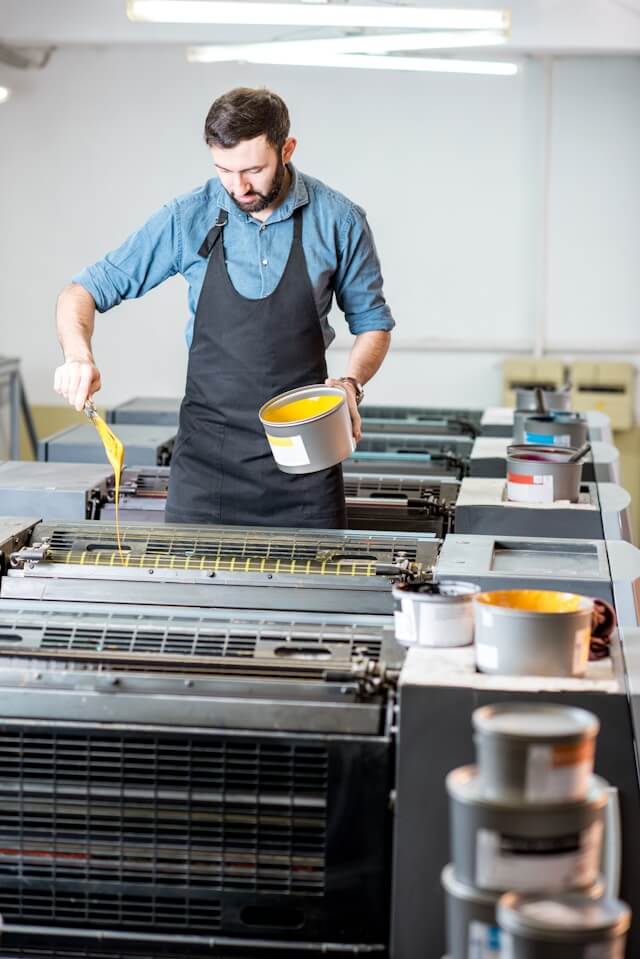
Screen printing as an art form: Why the old printing technique is booming again today. Photo by Getty Images @gettyimages, via Unsplash
Anyone wanting to start screen printing essentially needs only a few basic components: a printing frame with stretched mesh, light-sensitive emulsion for creating the printing stencil, an exposure unit, screen printing ink, and a squeegee for applying the ink. Beginners are advised not to gather each item individually, but rather to use a well-designed screen printing kit . Such kits typically contain all the necessary components of a coordinated quality, allowing for faster initial results and avoiding typical beginner mistakes – such as using an incorrectly sized squeegee or unsuitable mesh thickness.
Especially for beginners, choosing the right mesh is crucial. A mesh that's too coarse will blur fine details, while one that's too fine makes it difficult to print thicker layers of ink or impasto textures. The exposure time of the stencil also needs to be learned: if it's exposed for too short a time, fine lines will disappear when washed out; if it's exposed for too long, even the desired printing areas will clog up. It helps to first familiarize yourself with simple, graphic designs with clear areas before attempting fine linework or color gradients.
From hobby to artistic practice
What begins as experimental exploration in the home studio quickly develops into a serious artistic practice for many. The appeal lies in the fact that screen printing is both reproducible and individual: an edition of twenty or fifty prints allows art to be offered at a more affordable price than a unique piece, while at the same time each individual print remains an original due to the manual production process. This balance between accessibility and exclusivity explains why limited edition screen prints are increasingly in demand at art fairs and in independent galleries.
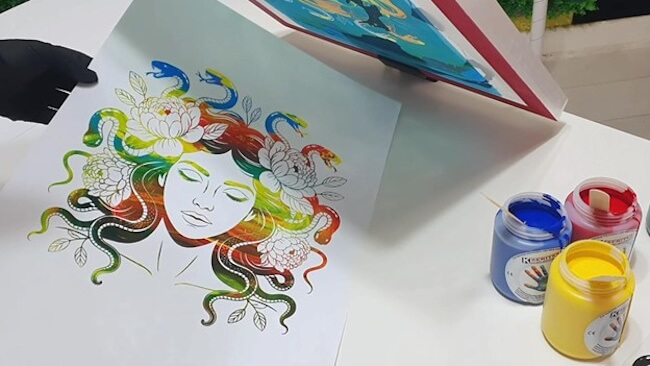
Screen printing – from hobby to artistic practice. Image source: Keygadgets
also established itself as an independent means of expression in the fields of illustration and graphic design . The dense areas of the printing plate, strong contrasts, and the characteristic graininess of the ink can be used to create works with a distinctive, handcrafted feel. Many designers combine digital templates with analog printing by creating their designs on the computer and then using them as exposure templates for the screen printing stencil – a fusion of modern design and traditional craftsmanship.
Sustainability as an additional incentive
Besides creative freedom, sustainability is also a key factor for many beginners. Water-based screen printing inks are now widely available and significantly more environmentally friendly than older solvent-based versions. Furthermore, those who opt for reusable screens and durable frames can work with the same equipment for years – a clear difference from short-lived digital printing solutions that require regular replacement of consumables.
Conclusion
Screen printing uniquely combines tradition and contemporary art practice. Its physical presence, the depth of craftsmanship, and the possibility of creating unique, limited-edition pieces make it a technique that consciously emphasizes slowness and care in an increasingly digitized world of images.
Anyone who wants to experiment themselves will quickly gain access to this fascinating printing technique with a good basic set and a little patience – and will soon understand why it is currently experiencing a small renaissance.
Owner and Managing Director of Kunstplaza . Publicist, editor, and passionate blogger in the fields of art, design, and creativity since 2011. Graduated with a degree in web design from university (2008). Further developed creative techniques through courses in freehand drawing, expressive painting, and theatre/acting. Profound knowledge of the art market gained through years of journalistic research and numerous collaborations with key players and institutions in the arts and culture sector.
We use technologies such as cookies to store and/or access device information. We do this to improve your browsing experience and to display (non-)personalized advertising. If you consent to these technologies, we can process data such as browsing behavior or unique IDs on this website. Refusal or withdrawal of consent may adversely affect certain features and functions.
Functional
Always Active
Technical storage or access is strictly necessary for the legitimate purpose of enabling the use of a specific service expressly requested by the subscriber or user, or for the sole purpose of carrying out the transmission of a message over an electronic communications network.
Preferences
The technical storage or access is necessary for the legitimate purpose of storing preferences that were not requested by the subscriber or user.
statistics
Technical storage or access that is solely for statistical purposes.Technical storage or access that is used solely for anonymous statistical purposes. Without a subpoena, the voluntary consent of your internet service provider, or additional recording by third parties, the information stored or retrieved for this purpose cannot generally be used to identify you.
marketing
Technical storage or access is required to create user profiles, to send advertising, or to track the user on one or more websites for similar marketing purposes.