Why relaxation is the basic requirement for creativity
Most of us have experienced how relaxed action and thinking creativity . But what exactly is the reason for this? Let's find out!
Scientists have spent years trying to answer this question. They have concluded that several factors contribute to creativity.
Firstly, relaxation a crucial role. When we are relaxed, we can listen and observe our surroundings more effectively. We can better weigh options and our problem-solving abilities are enhanced. Scientists refer to the optimal mental state for creative work as the alpha wave state , since brainwaves in this state operate within a specific bandwidth, which they characterize as alpha.
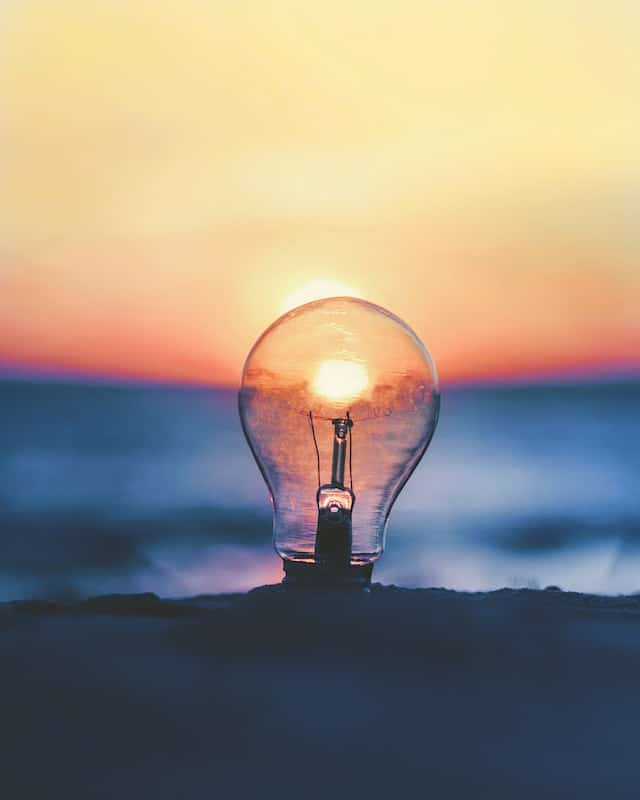
Photo by Ameen Fahmy @ameenfahmy, via Unsplash
They've all been in this state at some point, whether intentionally or unintentionally. Our brains, for example, enter this state just before falling asleep. Or it's the moment when "flashes of insight," "enlightenment," "aha moments," or the "eureka moment" seem to appear out of nowhere . For example, while brushing your teeth or in the shower.
The alpha wave state is characterized by low mental activity, calmness, and physical relaxation. At the same time, perception is refined, the senses are heightened, and one is particularly receptive.
In this state of relaxation, an intense connection to the subconscious can be established, we find strength and recharge our energy, mental knots unravel, and we find solutions to problems more easily.
Artists and people who live off their wealth of ideas are particularly dependent on this relaxed state in order to unleash their creative power, develop new ideas and allow changes in perspective to take effect.
Secondly, time a role. When we are relaxed, we have more time for creative thinking. And time always helps us to approach things in a more relaxed way. Time pressure and deadlines are always detrimental to creativity.
Show
table of contents
How does stress affect creativity?
When you stressed or anxious , you automatically close yourself off to new ideas or lines of thought. In other words, stress hinders our creative thinking.
Stress and creativity are directly related. Stress affects our cognitive abilities, meaning it can influence our thinking and actions.
Stress is indeed one of the most common factors that impair the fluidity of our thoughts. Stress puts our brain into "survival mode ," meaning it focuses on the tasks it deems necessary to ensure our survival.
This leads us to focus on important (but often trivial) tasks and neglect our creative side. We tend to stick to familiar paths and lose the ability to think unconventionally or generate abstract ideas.
Besides impairing cognitive abilities, stress also presents an emotional barrier . A state of emotional stress limits our ability to relax and tap into our imagination and inspiration. Ultimately, it is impossible to be productive under emotional stress.
To overcome these challenges, we must learn to manage stress and transform it into a more productive state.
In times of constant stress, we should be aware that relaxation and our creativity should be considered extremely important for our well-being and our success.
Regular relaxation – ideally integrated into our daily routine – will make it easier for you to remain calm in stressful situations and thus be more open to inspiration and new ideas.
What effect does relaxation have on our brain?
Our thoughts are the foundation of our actions. We all know that our mind helps us accomplish our tasks, but how can we best use it?
Mental relaxation is an important prerequisite for productive thinking and success. When you clear your mind and relax, you can better absorb new information and concentrate and focus on it more effectively.
When we relax, the activity in our brain and nervous system changes. During mental relaxation, the level of the stress hormone cortisol in the blood decreases, and activity in the prefrontal cortex increases. This part of the brain is responsible for regulating emotional intelligence, self-awareness, and creativity.
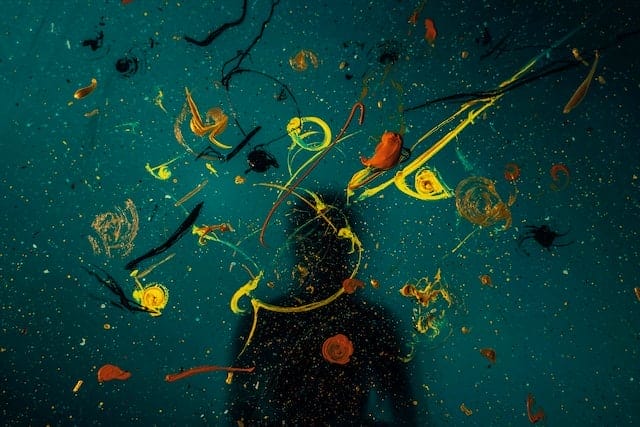
Photo by Jr Korpa @jrkorpa, via Unsplash
When these activities increase, you feel calmer and have more control over your emotions. At the same time, mental relaxation also increases activity in the hippocampus —the part of the brain responsible for learning, knowledge, and memory. This increase in hippocampal activity allows us to absorb new information more easily and retain it longer.
Furthermore, mental relaxation also improves our focus and memory. Regular mental relaxation practices help improve blood flow to the brain, lower blood pressure, and relieve muscle tension.
All these factors ultimately ensure an optimal level of creativity and productivity.
Therefore, if you want to start a creative project or tackle a difficult task, we strongly recommend that you take regular breaks and consciously relax.
Does relaxation promote creativity?
Creativity is one of the most valuable qualities we possess – and not just in the arts. It helps us all to develop new ideas, refine our thinking, acquire knowledge, and increase our productivity.
But what is the most important prerequisite for this?
The answer is: relaxation .
Relaxation is one of the most important prerequisites for ingenuity and inspiration. When you are relaxed, you can concentrate better and give your subconscious more space to generate ideas. Through relaxation, you will also be able to organize your thoughts better and greatly increase your ingenuity.
Furthermore, relaxation also helps to reduce stress and tension, allowing you to think more clearly and productively.
When you relax, you'll find it much easier to generate new ideas and unleash your creative potential. This is because relaxation allows you to focus better on specific tasks or projects, enabling you to work much more efficiently.
Stress reduction is therefore a crucial factor in the development of creativity and inspiration.
What techniques help to relax and reduce stress?
The right relaxation technique helps reduce stress and improve concentration. It can also help find creative solutions to persistent problems.
To relax properly, it's important to know and understand suitable techniques. There are many different ways to reduce stress and relax. Some of these techniques are better suited to certain situations than others.
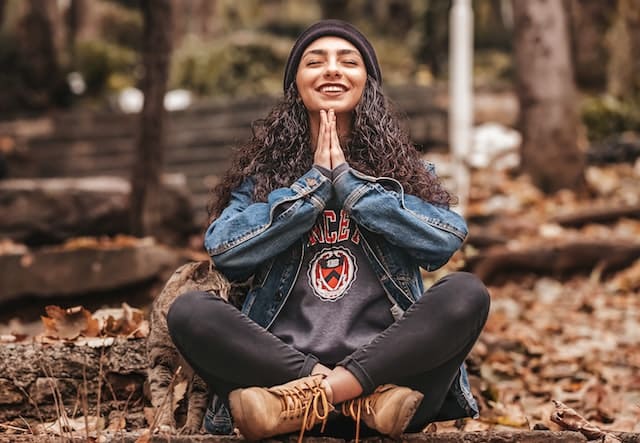
Photo by Omid Armin @omidarmin, via Unsplash
Some of the most popular relaxation techniques are:
yoga
Yoga is one of the oldest relaxation methods. Through yoga, you learn to know your body better and find inner peace. Additionally, yoga also trains the muscles, which is good for overall well-being.
Yoga exercises not only help to release tension in the body, but also to achieve mental clarity and serenity.
Furthermore, yoga is ideal for all people who have problems perceiving themselves well enough or those who want to learn how to better control their thought processes.
meditation
Meditation is one of the most frequently used relaxation methods. Through meditation, one learns to let go of thoughts and pause. This relaxes the mind and makes it easier to think clearly.
Furthermore, meditation helps us to feel more connected to our bodies and to discover new ways of thinking and acting – which in turn is ideal for more creativity!
Breathing exercises
Breathing exercises are an excellent way to relax and reduce stress. They also help with bedtime, as they calm the body and help you fall asleep peacefully.
Breathing happens automatically, without us even thinking about it. But in stressful situations, we often breathe too fast, which can trigger dizziness, nausea, and even panic. “Good to know” presents a successful breathing exercise: the 4-7-11 technique .
Progressive muscle relaxation (PMR)
This method is based on the principle that stress can be reduced by consciously tensing and relaxing certain muscle groups.
Progressive muscle relaxation according to Edmund Jacobson – as this method is fully called – can help to free the body from excessive stress and bring it into a state of calm and relaxation.
Autogenic training
Autogenic relaxation is another frequently used method. This technique involves focusing on breathing exercises as well as words and images designed to help relax the body.
This type of relaxation can be particularly helpful if you are suffering from psychological stress or anxiety.
Daydreams
Psychologists define daydreaming as "task-independent thinking ." Simply put, this means thinking without pursuing a specific goal.
Creative people also dream while awake
Daydreaming has an undeservedly bad reputation. It's equated with lack of concentration, disinterest, and thoughtlessness – all rather undesirable in a performance-oriented society. However, the latter isn't really true: our brains can't not think – but we should certainly allow ourselves this "luxury" more often and simply daydream.
Relax. Let go of the wheel. Drift through the world. It's so beautiful. – Kurt Tucholsky
Because drifting off into dream worlds can have many positive effects and even indicates greater intelligence and creativity: The brains of daydreamers seem to be particularly efficient and have more free capacity.
Daydreams can help us solve problems, increase our ability to think creatively, and also enhance our empathy. This is because, while our thoughts wander freely during waking hours, daydreams activate the so-called default mode network .
"Doing nothing is better than achieving nothing with great effort." – Lao Tzu
This resting-state network includes four specific brain regions in the cortex that also "activate" when we are engaged in creative and imaginative activities or empathize with others. (Source and further information: BKKGS Health Journal: "Simply Daydreaming" )
Other ways to relax:
- Juggling and other sensorimotor exercises
- Look upwards with closed eyes
- Relaxing walks in peaceful nature, engaging all your senses
- …
How can we learn to relax in everyday life?
Relaxation is a fundamental prerequisite for the ability to work creatively and for a productive work environment. When we feel stressed and exhausted, we cannot work to our full potential or realize our creative potential.
How can we learn to relax better in everyday life?
One of the best strategies is to regularly and consciously islands of relaxation in our daily lives. It's important to give yourself time to unwind and try to reduce stress every day.
Some simple methods for relaxation include meditation or breathing techniques . These techniques can help you focus your attention on your breath and body, thereby releasing muscle tension. Furthermore, both techniques can easily be integrated into our daily lives.
You can also use other techniques such as progressive muscle relaxation or autogenic training (however, these are somewhat more time-consuming and require a suitable place to retreat to). Physical activities such as walking or yoga can also help you relax and reduce stress.
Regular exercise releases endorphins, which we know make us happy and reduce tension. Furthermore, physical activity (e.g., short walks outdoors) provides a counterbalance to sedentary behavior at a desk or in front of a computer screen.
It is also important to take extra time at least once or twice a week to do something relaxing – whether it's dancing , playing music , painting or taking a hot bath – as long as it serves to relieve the stress of everyday life, it is well suited.
Spending time alone and focusing solely on yourself can help you disconnect from everyday life and recharge your batteries. This is especially true for busy parents or people working in open-plan offices.
The same applies to hobbies or games : Take one day off each week to do something you enjoy!
There are many ways to leave the stress of everyday life behind – find your own personal way to relax! Your body and mind will give you plenty of feedback along the way. Pay attention to the signals.
Dietary supplements for greater balance
Sometimes, despite all the techniques and methods available, we need additional support to achieve greater balance. It's possible that our bodies are lacking essential nutrients. A blood test at the doctor's office can provide clarity in this regard. There are also specialized laboratories that analyze the relevant values in particular.
Especially in autumn and winter, our body needs a good and nutrient-rich diet in addition to rest periods.
Those who cannot obtain all necessary nutrients through food will repeatedly find three classic tips for more peace and less stress in online research:
Magnesium – not just for athletes
Magnesium contributes to the normal function of the nervous system and is important for psychological function. It greatly supports us in coping with a stressful daily life and is an important nutrient for our nerves. Magnesium is involved in over 700 metabolic processes.
Magnesium is found in particularly high concentrations in nuts, flaxseeds, bananas, and broccoli. For those with demanding lifestyles, there are also countless supplements available.
also asks : Does magnesium help with stress?
Vitamin D – The mood booster
Vitamin D is so important for creative people because we often spend a lot of time indoors working on our art. We get some vitamin D from food, but much of it comes from the sun.
Vitamin D plays an important role in the regulation of serotonin and influences the utilization of dopamine and the synthesis of noradrenaline.
A vitamin D deficiency is often linked to depression and anxiety. Does anyone else feel a bit down in the winter? It turns out that this is partly due to a vitamin D deficiency caused by insufficient sun exposure.
Vitamin D supplements can help boost creativity and improve mood. This, in turn, leads to a feeling of optimism and pulls us out of any negative rut we might be stuck in.
What do a science journalist and a medical editor say about vitamin D? Read their article on netDoktor here .
Maca – Small tuber with a big impact
Maca powder comes from the maca root tuber, which is cultivated at very high altitudes in the Andes Mountains of Peru. Many creative people, especially musicians, swear by the invigorating effects of this tuber.
This little superfood has been scientifically tested and, according to study results, can bring amazing health benefits.
It is intended to increase energy and athletic performance, lift mood by reducing the symptoms of depression and anxiety, and improve brain function, memory and learning.
Furthermore, the miracle tuber is said to be the "Viagra of nature" , a plant-based aphrodisiac that increases potency and fertility in men and libido in women.
Maca is particularly recommended to be taken in the first half of the day, i.e., in the morning or at midday . Since maca has a rather stimulating and energizing effect, it should be avoided in the late afternoon or evening.
Read a statement on the effects of maca by biologist and medical editor Dr. Isabel Siegel on gesundheit.de: Maca – Root with health benefits?
Conclusion
Relaxation is therefore the basic prerequisite for creativity – but the key lies above all in its implementation ! Regular breaks in the form of breathing or meditation techniques, as well as physical activities and leisure pursuits, can sustainably reduce stress symptoms and bring more calm into everyday life.
This gives you more energy for innovative ideas and creates the best conditions to unleash your creative powers.
Owner and Managing Director of Kunstplaza . Publicist, editor, and passionate blogger in the fields of art, design, and creativity since 2011. Graduated with a degree in web design from university (2008). Further developed creative techniques through courses in freehand drawing, expressive painting, and theatre/acting. Profound knowledge of the art market gained through years of journalistic research and numerous collaborations with key players and institutions in the arts and culture sector.
You might also be interested in:





Featured Art

Design and Decor Highlights
-
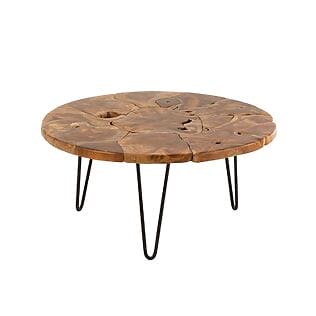
 J-Line Round Coffee Table "Samuel" made of teak wood, brown
285,00 €
J-Line Round Coffee Table "Samuel" made of teak wood, brown
285,00 €
VAT included.
Delivery time: 2-3 working days
-
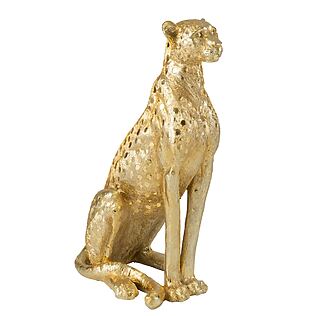
J-Line Majestic Leopard Animal Sculpture in Gold-Colored Polyresin
445,00 €
VAT included.
Delivery time: 5-8 working days
-
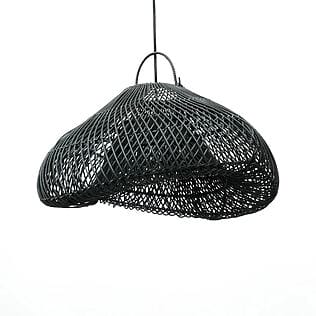
Cloud-shaped rattan pendant lamp "Cloud", hand-woven (black)
279,95 €
VAT included.
Delivery time: 1-3 working days
-
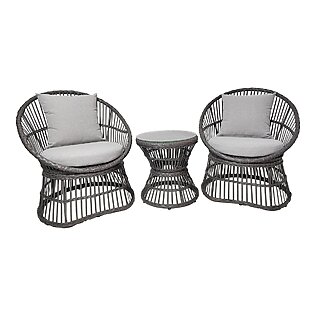
3-piece outdoor lounge set "Natal" made of rattan (grey), including cushions
The original price was: €399.00319,00 €The current price is: €319.00.
VAT included.
Delivery time: 4-8 working days
-
J-Line Minimalist Nativity Scene, white with gold accents
57,50 €
VAT included.
Delivery time: 3-5 working days
-
J-Line coffee table "Grazia", gilded substructure in Art Deco style with glass top
585,00 €
VAT included.
Delivery time: 2-4 working days
-
Gemstone bracelet made of labradorite and natural freshwater pearls
34,90 €
VAT included.
Delivery time: 1-3 working days