When it comes to valuable works of art , it's essential to know how to protect them properly. In this article, we provide 11 expert tips to help you safeguard your collection from damaging attacks.
Whether paintings, collectibles, or hand-signed memorabilia – the protective measures are very similar. Environmental factors, human carelessness, accidents, and burglars or other criminals can all endanger your valuable artwork. Therefore, it's important to familiarize yourself with the topic. In this article, you'll find detailed information on protecting artwork within your own home – curated by experts in the field.
Works of art are susceptible to a variety of harmful influences, and without the right precautions, this can quickly lead to financial losses.
Nowadays, art collectors must not only ensure that their collection is protected from environmental influences, but also from theft and, in exceptional cases, even from political activists who have targeted certain works of art.
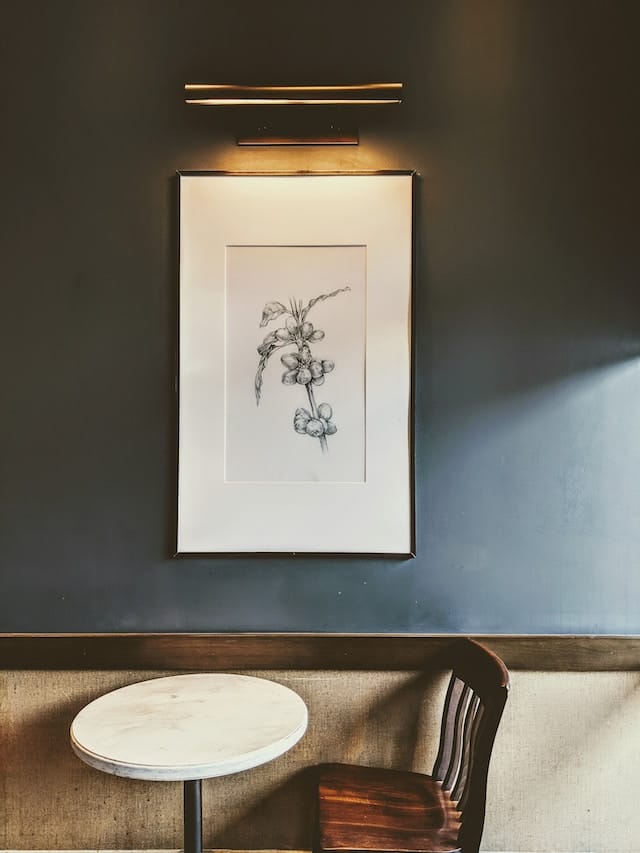
Numerous environmental factors, such as direct sunlight, can pose a threat to your valuable art. Photo Credits: Scott Webb @scottwebb, via Unsplash
It is generally a good idea to find out about the respective protective measures and to implement them in order to preserve the artistic treasures.
It is important to create the right environment for storing your collection and to ensure proper climate control. Furthermore, you should be clear about where you are storing your artwork and what kind of care and cleaning is necessary. Contact with light and sunlight is harmful to paintings and pictures and should be avoided.
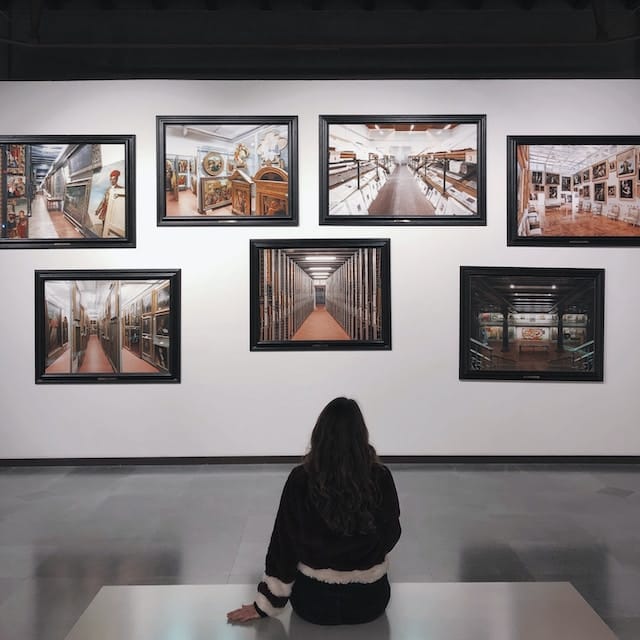
Museums, galleries, and public collections have strict protocols to protect their art. Photo Credits: Klaudia Piaskowska @cloudyaaa, via Unsplash
Ultimately, the goal is to preserve your artwork for future generations, and this requires careful consideration and planning.
By following the tips in this article, you can ensure that your collection always remains in perfect condition and is preserved for future generations.
How do you protect works of art?
Works of art are an important aspect of our cultural heritage and represent both artistic and financial value. It is therefore crucial that we take measures to protect them.
One way to protect works of art is to store them in a secure space equipped appropriate security and monitoring systems
Another way to protect artworks is through regular maintenance and conservation. This includes avoiding direct sunlight, sudden temperature changes, and controlling humidity. It is also important to protect artworks from physical damage such as scratches or wear and tear from contact with people or other objects.
When works of art need to be transported, it is important that they are transported by qualified professionals in transport containers specifically designed for this purpose.
To prevent theft and damage, careful monitoring during transport is also crucial. In summary, artworks can be protected by storing them in a secure location, through maintenance and conservation, transport by qualified professionals, and careful monitoring during transit. This ensures that future generations will continue to have access to our cultural heritage.
Below you will find some detailed expert tips on how to effectively and sustainably protect your beloved works of art.
1. Create the right environment for your art collection
If you have an art collection at home, it's especially important to create the right environment to protect your artwork. Incorrect temperature and humidity levels can not only damage your art but also be harmful to your health.
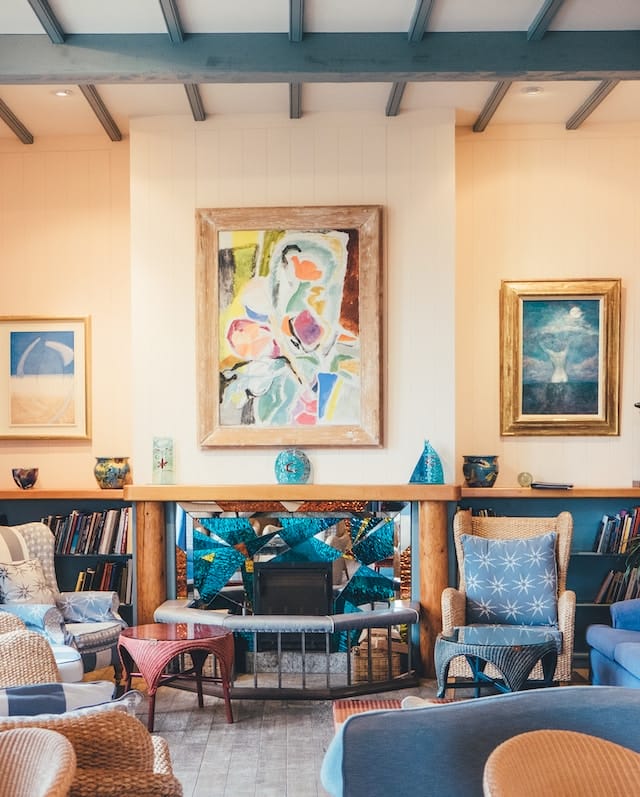
With our expert tips, you can create the ideal environment for your private art collection. Photo Credits: Annie Spratt @anniespratt, via Unsplash
Experts recommend a temperature of around 20 degrees Celsius and a humidity level between 40 and 60 percent . Ensure your artwork not exposed to direct light to prevent it from becoming dull or undergoing color changes.
However, contact with other objects can also pose a risk to your artwork. Therefore, you should never hang your paintings directly on the wallshould use spacers instead .
If you want to properly protect your artwork, you should also pay attention to its cleaning and care . Do not use harsh cleaning agents and avoid letting the artwork come into contact with water.
To be on the safe side, you should also take out insurance for your collection and consider where you store your artworks to protect them from possible damage.
In short, creating the right environment for your art collection requires a certain amount of attention and care. But it's worth it to ensure your collection remains protected and in pristine condition.
2. Climate control: the correct temperature and humidity
An important aspect of protecting your art collection at home is climate control. The right temperature and humidity can help protect your artwork from harmful influences.
Incorrect humidity can lead to problems such as mold or warping of paintings. To avoid this, it's advisable to keep the temperature in your living space constant and ventilate regularly. 21 degrees Celsius is often cited as the optimal room temperature. Some experts point out that 18 to 20 degrees Celsius may be sufficient for a private collection. In any case, it remains important to maintain a stable indoor climate with minimal fluctuations (see BRUNE: Protecting Art Through Correct Humidity)
A relative humidity between 40% and 60% is recommended . You can measure hygrometer
Paper is a material that interacts with its environment due to its hygroscopic properties. In high humidity, it can absorb moisture, while in dry air it can release moisture. Although this is useful for some applications, it can be risky in art.
Under high humidity conditions, paper can swell and warp, leading to bumps and waves. Conversely, in very dry air, paper can shrink, becoming brittle and cracked, which is particularly relevant for artwork such as drawings on paper.
It is important to note that paper is not the only hygroscopic material used in art. Wood and some canvases for paintings are also sensitive to changes in humidity.
For this reason, it is important to keep an eye on the humidity in storage rooms of private collections, private exhibition spaces and public museums, and to avoid extreme conditions.
This is for good reason. If the canvas of a painting expands and contracts due to frequent changes in humidity, the paint can become less elastic and may flake or peel. It is therefore important to protect artwork from the negative effects of humidity fluctuations.
Old oil paints are sensitive to moisture
the Frankfurter Allgemeine Zeitung (FAZ) reported on research findings regarding the impact of humidity on the aging process of oil paintings. Particular attention was paid to a white pigment, also used by famous painters such as Picasso and van Gogh, which fades more quickly in humid conditions.
The University of Amsterdam commissioned a research team to investigate the reactions of zinc ions contained in the color pigments with the linseed oil used for the artworks, both with and without the addition of water. They discovered that ring-shaped zinc oxo complexes, which form in humid environments, could be the cause of accelerated aging processes. It should be noted that high humidity can be detrimental to the color preservation of master paintings .
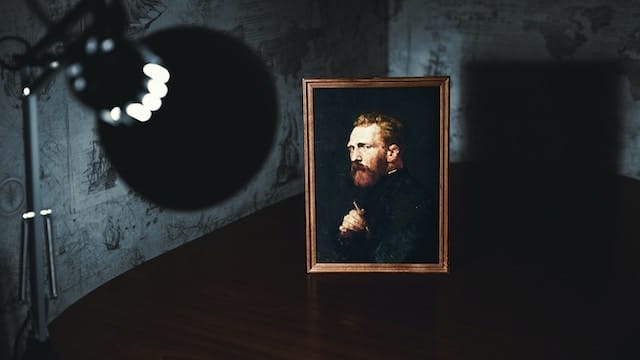
The oil paints of the Old Masters are particularly sensitive to environmental influences. Photo Credits: Руслан Гамзалиев @gambler_94, via Unsplash
Risk factor: Mold!
Moisture and an organic substrate are essential for mold growth. At high humidity levels, cellulose is just as suitable a substrate as wood or many types of canvas materials.
When air cools, it can hold less moisture than before. The amount of water that was previously easily absorbed suddenly exceeds the air's maximum holding capacity, leading to condensation. This moisture can dampen the wooden frame of a painting, thus providing an ideal breeding ground for mold.
The use of professional climate control technology can protect art from the harmful effects of temperature fluctuations and high humidity. Humidifiers and dehumidifiers are just some of the devices that can be used to maintain humidity levels within a narrow range when operating in combination.
This provides optimal protection for exhibits of all kinds. In this way, it is ensured that the artworks are preserved in their original form and can also be enjoyed by future generations.
Further risks associated with unfavorable indoor climate
In addition to those already mentioned, there are other dangers that can threaten artworks due to unfavorable humidity levels. For example, in the worst-case scenario, sculptural works made of mineral materials can salt efflorescence . A bronze sculpture can be susceptible to so-called bronze disease , in which unwanted green or white coatings can form.
Salts are almost always a major contributing factor in moisture damage. Their destructive influence becomes visible through discoloration and damp patches on the surface. Depending on the nature of the building structure in which art is stored or displayed, this can also apply to the masonry, floors, or ceiling.
In cases of moisture damage, salts are almost always the primary cause. Their damaging effects manifest as discoloration and damp patches on the surface. Efflorescence forms, where salts crystallize on the surface in a fluffy or crusty manner ( saltpeter ). As a result, the plaster begins to crumble, loses its strength, and eventually flakes off in places. Valuable wall paintings and stucco elements can be irreparably damaged in this way.
Similarly, moisture and its associated damage can spread through the masonry to your artwork stored in the premises, accelerating its deterioration. Efflorescence on walls is always an indication of moisture in the wall and should not be ignored as a warning sign. In case of doubt, you should always have salt efflorescence and saltpeter removedby a professional .
Avoid moisture damage to the artwork caused by damp masonry or excessive humidity. Photo Credits: Markus Spiske @markusspiske, via Unsplash
Additionally, studies show that cellulose is more sensitive to factors such as dust or UV light in more humid environments.
If you're unsure whether you're handling climate control correctly, you can seek advice from experts at museums or art galleries . This will ensure your valuable art collection remains in pristine condition.
3. A secure suspension prevents falls
Prevent art from sliding off the wall! Imagine having to helplessly watch as a valuable piece of your art collection crashes to the floor.
Professional art hanger and storage specialist Isaac Karner told Artwork Archive the story of a client who called him in despair about a broken antique mirror. “It was hanging from a wire ,” he said, “which isn’t the right hanging system for something so large and heavy.” The mirror was hanging above an antique piece of furniture, which was also destroyed when the mirror fell.
There's a lot to consider when caring for your artwork at home. You probably bought your favorite pieces with a clear vision, but then you bring them home and realize you didn't consider the space, weight, and support needed to install them immediately.
Therefore, when considering the correct and safe hanging or installation of a purchased work of art, think about the following points:
a. Hire a professional art hanger
Professional art hangers know how to best support and hang artwork using the right materials. They work according to weight and know which hardware will work.
Professional art hangers work with a variety of hardware and feature a weight- and size-based system for hanging your pieces. If you value the peace of mind that your art is securely hanging on the wall, we recommend hiring a professional.
b. Hang artwork in such a way that doors and vents are not in the way
When planning your art exhibition, assume it's a beautiful day and your doors and windows are open. If a breeze or sudden summer rain could penetrate a screen door and damage your piece, it's a good idea to consider alternative locations.
You also want to prevent artworks from getting directly into the path of your ventilation system.
c. DIY: Using the correct wall hangers
If you intend to install the suspension yourself, please ensure that the suspension and the hardware used are suitable for the weight and the surface.
Using the wrong picture hangers is a common and costly mistake. This happens when you start hanging the artwork without properly assessing its suitability.
always considering four things when choosing the right art hanger : the type of wall you are hanging it on, the type of artwork you are hanging, what is on the back of the frame, and the weight of the object.
For DIY projects like setting up your own art gallery at home, here are some picture hangers you can use:
For small and light art
Sawtooth clothes hanger
D-rings
Hanging wire
For large and heavy art
French cleat / French cleat strips
Mega Strap hanging sets for mirrors, with adjustable J-hooks
T-head screws made of stainless steel
For high-quality art and serious art exhibitions, these standard hanging devices may need some upgrades to prevent theft and earthquake damage. We should be able to refrain from going into further detail here for use in your own home. However, the following video provides a brief guide to theft-proof hanging using T-head screws for those interested:
This video is embedded using YouTube's enhanced Privacy mode, which blocks YouTube cookies until you actively click to play the video. By clicking the play button, you consent to YouTube placing cookies on your device, which may also be used to analyze user behavior for market research and marketing purposes. For more information about YouTube's use of cookies, please see Google's Cookie Policy at https://policies.google.com/technologies/types?hl=de.
4. Consider where you will store your artwork
An important consideration when protecting your artwork at home is where you store it. You should choose a location that is well protected and shielded from harmful factors such as direct sunlight, humidity, and extreme temperatures.
Paintings, for example, should be hung on walls that do not receive direct sunlight to prevent fading or discoloration. You should also ensure that your artwork does not come into contact with other objects that could cause scratches or damage.
You might even want to purchasing special protective devices for your artwork . More and more museums, collectors, and art connoisseurs are opting for such products to protect their collections.
5. How to protect your art from pests
If you own an art collection, you want to keep your artwork safe and secure. Part of this protection is protection from pests. Insects or rodents can cause serious damage to paintings, museum pieces, or other works of art.
If you are at risk of this, you should familiarize yourself with the latest pest control methods and technologies . You can also contact art experts and museum curators to learn more about best practices for pest control.
6. The correct way to clean and care for works of art
A key aspect of protecting your artwork at home is proper cleaning and care. Incorrect cleaning can damage these valuable pieces.
Experts recommend that you only use mild cleaning agents and that you never spray directly onto the painting or sculpture .
Instead, apply the cleaning agent to a soft cloth and gently remove the dirt without rubbing too hard. Choosing the right cloth is also important – use only soft, lint-free materials and avoid paper products such as paper towels or kitchen roll.
To clean the glass or acrylic panel protecting your artwork, it's best to use a soft, non-abrasive cloth or a microfiber cloth . You should also consider purchasing an acrylic- or ammonia-free glass cleaner .
Furthermore, you should n't clean artwork too often , as this can also be damaging. Another expert tip is to regularly remove dust from your artwork , especially if you are storing it for an extended period. However, keep in mind that dusting too frequently can lead to scratches on the delicate surface.
If you take good care of your artwork, you will ensure that it remains in the best condition for years to come.
7. How to protect your collection from mechanical damage
This is particularly important to ensure that the artworks are preserved for a long time. One of the most effective measures is matting films to the paintings. These protect the image from dust and humidity while also preventing the harmful effects of light and sunlight.
Furthermore, direct contact should be avoided, and the artworks should be stored in a secure location protected from potential damage. Always avoid touching your paintings or acrylic frame surfaces directly without cotton gloves . Otherwise, there is a risk of damage from your fingerprints and natural oils.
Another important point is that it makes sense adequate insurance for the collection . This ensures financial protection even in the event of theft or loss.
8. Avoid direct contact with sunlight
We've already touched on this point. When it comes to storing artwork at home, protecting it from light is one of the most important aspects. Light, especially sunlight, can be extremely damaging to artwork. UV rays can fade the colors and textures of paintings and affect the canvas or paper.
Although it sounds obvious, many art lovers ignore the problem and display their artwork wherever it looks best. Without proper protection, a painting can lose its beauty and value within just a few years.
A good rule of thumb is to never expose artwork to direct sunlight or strong artificial light. It's also important to remember that diffuse light sources are more damaging than point sources. Therefore, when hanging artwork, make sure it's placed as far away from windows as possible.
Proper lighting plays a big role. Photo Credits: Darshan Patel @darshanp9, via Unsplash
If possible, special window filters or window coverings can be used to protect the artwork from harmful sunlight. Frosted or tinted glass can also help protect the artwork while enhancing its beauty. It's also important to note that different artworks may have varying degrees of sensitivity to light.
What if you wanted to hang the perfect picture specifically in your conservatory?
If you don't want the sun to influence your interior design , simply ensure your artwork is framed with UV-filtering acrylic instead of glass . It's actually lighter than glass and protects your artwork from fading or yellowing in direct sunlight.
These are just some of the reasons why artworks from numerous galleries, which actually require a glass frame, are framed special UV acrylic plexiglassPark West Gallery ).
If you are unsure, it is important to consult professionals such as museum or gallery curators to learn appropriate protective measures for specific artworks. Overall, avoiding contact with light and sunlight is one of the most important steps you can take to protect your artworks from damage and loss of value.
9. The protection of unframed art
Don't let your art get lost in the role
If you do not want to hang your artwork yet, under no circumstances should you leave it rolled up in its protective cardboard tube.
Acrylic paints or decorated paintings stored in rolls can become stained, cracked, or dry out if left rolled up for too long.
Store your artwork separately
When storing multiple artworks, always place something between them while they are lying flat. Place a 2- or 4-ply cloth or a preserved mount that is 5 cm larger than the artwork between each piece. This will protect the artwork from acid damage, warping, and potential creases.
Store art in a cool, dry, and dark place
If you are trying to protect unframed artworks, the familiar rules for the storeroom apply.
The best way to avoid damage from sunlight, humidity and temperature fluctuations is to store your artwork in a cool, dry and dark place.
Consider a Solander box
If you want to ensure your art remains protected, you should invest in a Solander box . These are acid-free printing boxes with hinged front panels, available from conservation suppliers.
10. Fire safety measures
a. Install and regularly maintain smoke detectors
Make sure smoke detectors are installed 30 meters away from all artwork in the house. Check whether you have a heat detector or a smoke detector.
Heat detectors are commonly installed in homes because they protect against fire, but not against cooled smoke from a distant fire entering your home. Make sure your home's fire protection consists of a smoke detector, not a heat detector.
b. Do not hang valuable art above a fireplace
Storing your artwork directly above a fireplace can lead to smoke and heat damage. The same applies to ethanol fireplaces, tiled stoves, and wood-burning stoves.
11. Ensure your collection is adequately insured
It's important not only to protect your artwork but also to ensure its financial security . Insuring your collection is an essential step to protect yourself against potential damage or loss.
Burglars and unintentional damage by visitors can be just as damaging to the artwork in your home as moisture or pests. There are specialized insurance policies for artwork that can offer comprehensive coverage for your collection.
If a painting is damaged or lost, the financial burden can be enormous without insurance. However, it is important to ensure that the chosen insurance policy is tailored to the type of artwork you own.
Some insurance policies may not cover certain works of art. Therefore, it's important to take the time to research different insurance options and choose the right package that best protects your collection. Once you have an insurance policy, be sure to contact your provider regularly to ensure your policy is up-to-date and your collection is fully protected.
Owner and Managing Director of Kunstplaza . Publicist, editor, and passionate blogger in the fields of art, design, and creativity since 2011. Graduated with a degree in web design from university (2008). Further developed creative techniques through courses in freehand drawing, expressive painting, and theatre/acting. Profound knowledge of the art market gained through years of journalistic research and numerous collaborations with key players and institutions in the arts and culture sector.
We use technologies such as cookies to store and/or access device information. We do this to improve your browsing experience and to display (non-)personalized advertising. If you consent to these technologies, we can process data such as browsing behavior or unique IDs on this website. Refusal or withdrawal of consent may adversely affect certain features and functions.
Functional
Always Active
Technical storage or access is strictly necessary for the legitimate purpose of enabling the use of a specific service expressly requested by the subscriber or user, or for the sole purpose of carrying out the transmission of a message over an electronic communications network.
Preferences
The technical storage or access is necessary for the legitimate purpose of storing preferences that were not requested by the subscriber or user.
statistics
Technical storage or access that is solely for statistical purposes.Technical storage or access that is used solely for anonymous statistical purposes. Without a subpoena, the voluntary consent of your internet service provider, or additional recording by third parties, the information stored or retrieved for this purpose cannot generally be used to identify you.
marketing
Technical storage or access is required to create user profiles, to send advertising, or to track the user on one or more websites for similar marketing purposes.












 Organic wall mirror "Bosa", curved wooden frame (white, 46 x 61 cm)
39,00 €
Organic wall mirror "Bosa", curved wooden frame (white, 46 x 61 cm)
39,00 €