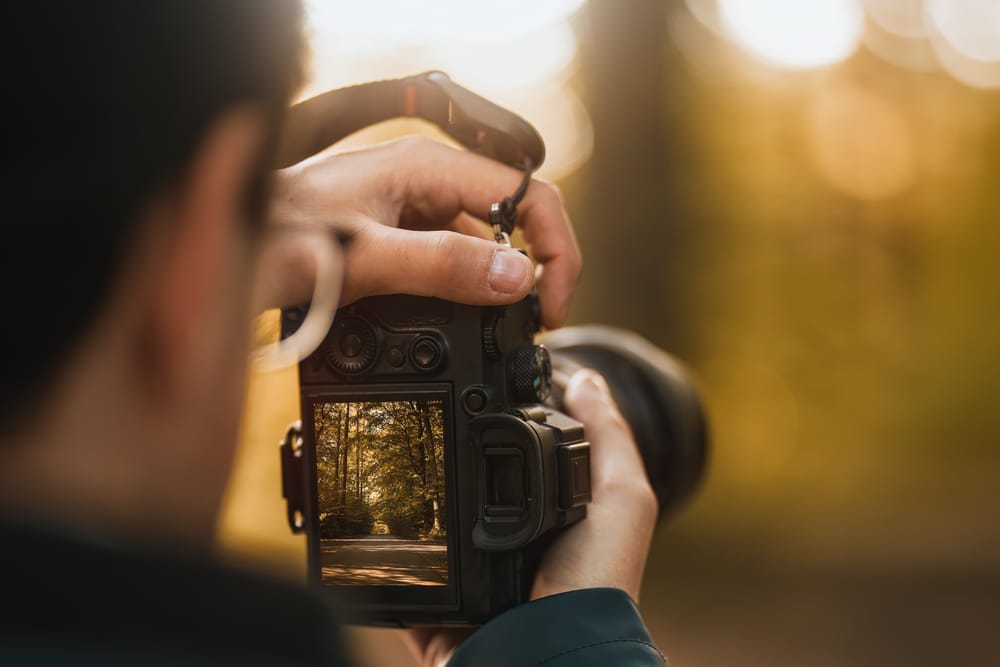
In a world where visual aesthetics play an increasingly important role, it is essential for aspiring photographers to refine their skills. Tips from experienced photographers can help them get the most out of their images.
Master Photography: 27 Essential Professional Tips for Aspiring Photographers. Photo by kle1njke@gmail.com, via depositphotos
Let's work together to improve your photography in this post. In this article, we'll present 27 essential photography tips that will significantly boost your skills.
Many of these tips can even be implemented with a high-quality smartphone, as there are now many technologically advanced options in this segment. However, you will achieve the best results when implementing these photography tips with a mirrorless system camera or a DSLR camera .
Below you will find a comprehensive overview of numerous professional tips for photographers. Please note, however, that this article can only scratch the surface. Professional photography is an incredibly complex field encompassing many different disciplines such as image composition, technical know-how, creative techniques, a deep understanding of symmetry, geometry and color theory, exposure, and so on.
Photography is more than just pressing the shutter button; it's about capturing emotions and moments. With the best photography tips and an understanding of the importance of harmonious composition, aspiring photographers can continuously improve their skills and create impressive photos.
To delve deeper into the respective tips, feel free to scroll to our references at the end of the article to further explore the topic.
In photography, basically two things happen: light is captured and stored.
A camera works similarly to the human eye: Light is focused through the lens and converted into an image on a sensor inside the camera.
Depending on the light intensity, the lens adjusts – it narrows in bright light and widens in dim light. The lens focuses the incoming light, which then sensorthe aperture setting (high f-number = closed, low f-number = open) (in a mirrorless camera).
The sensor then stores this captured light and creates an image from it.
02 The exposure triangle of manual photography
For aspiring photographers, a solid foundation is essential to succeed in the world of photography. Setting the correct aperture is crucial for the quality of your images.
In manual mode “M” , you have full control over all settings. Aperture , shutter speed , and ISO together form the exposure triangle .
Initially, keeping track of these parameters and setting them correctly might seem a little confusing. But over time, you'll become increasingly confident in using them and will soon be able to operate your camera effortlessly.
Choosing the right aperture not only affects the depth of field in your image, but also the amount of light reaching the sensor . The shutter speed, in turn, determines how long light falls on the sensor and thus the motion blur in your photo.
The ISO value indicates how sensitive the sensor is to light – the higher the value, the more noise can occur.
With a little practice, you'll learn to make optimal use of the exposure triangle and achieve exactly the results you envision. It's definitely worthwhile to familiarize yourself more thoroughly with manual mode to develop your skills as a photographer.
03 Choosing the right camera
"The best camera is always the one you have at hand."
"A photo is a photo," is a popular saying among photographers. This means that even if you don't have a professional camera with you, your mobile phone can be a great alternative for capturing special moments. Imagine how impressive a sunset can be and how disappointing it would be to miss that moment – but luckily, these days almost all of us have our smartphones handy.
Even photography beginners have numerous options for finding a suitable camera. A wide variety of manufacturers offer cameras in different price ranges – from inexpensive models for a few hundred euros to high-end devices in the upper four-figure price segment.
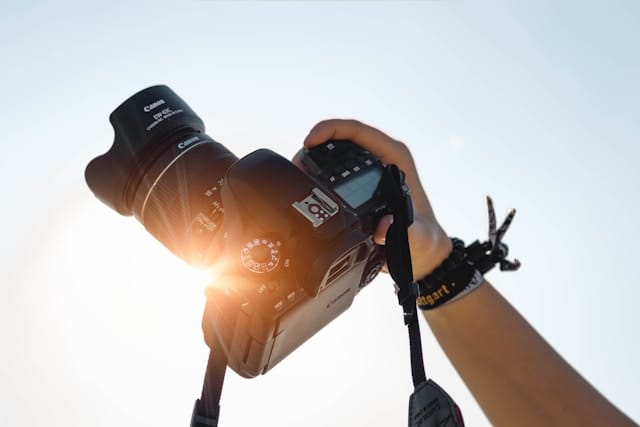
With impressive speed and intuitive controls, the versatile Wi-Fi DSLR, Canon EOS 80D, is an ideal all-rounder camera; shown here with an EW-63C lens hood for shooting into the light. HD photo on the topic of photography, EOS 80D, camera and EOS by Christian Wiediger (@christianw), via Unsplash
Before choosing a camera, you should think about exactly what you want to photograph and what your budget is. Ultimately, it's not just the price of the camera that matters, but also your passion for photography and capturing special moments in life.
So make the most of the equipment you have available – because the best memories often arise from unexpected situations!
In his expert guide on buying an entry-level camera, professional photographer, author of specialist books and podcast host André Leisner helpful tips and instructions on buying a camera for photography beginners .
04 Basic Accessories
For professional photographer André Leisner, four things in particular are essential equipment:
Tripod for shake-free images
Stability is of paramount importance when choosing a suitable tripod
Besides a stable surface, a remote shutter release or self-timer important factors for a sharp image, as even the smallest touches during the exposure time can lead to blurring.
Replacement batteries for your camera
There's hardly anything worse than a camera that stops working mid-shoot due to a dead battery. Therefore, it's advisable to purchase additional spare batteries to ensure you're covered even during longer shoots.
Long exposures, in particular, consume a lot of battery capacity. Furthermore, batteries are less efficient in cold weather than on warm summer days.
It's better to play it safe when it comes to memory cards
Similar to batteries, it is advisable to have an extra memory card rather than too few.
If you ever forget to format a memory card and still need the contents, or if a card is defective, you will always have a replacement ready.
Learn to photograph with a prime lens
Learning photography is greatly enhanced by using a prime lens . Zooming is not possible with a prime lens, so you have to move around to find the desired framing. While this may seem inconvenient at first, it helps develop a better sense of distance and image composition.
Another advantage of prime lenses is their high aperture compared to zoom lenses – at a similar price. This is because zoom lenses always require compromises in optical performance, whereas with prime lenses, it's sufficient to focus on the distance to the subject.
05 The role of lenses
The lens is just as important as the camera (the body). Photo by Svetlana Rey, via depositphotos
The lens is just as important as the camera body itself. When buying a camera, you shouldn't start with the entry-level model, such as Nikon's 3000 series. The 5000 series offers a good entry-level option and features, for example, a practical tilting screen, which makes shooting from difficult positions, such as overhead or close to the ground, much easier.
It can therefore be worthwhile to invest a little more money in a higher-quality camera to achieve better results later and to be able to work more flexibly. A high-quality lens can make the difference between an average photo and a masterpiece – so it's important to pay attention to quality here as well and not to skimp.
The actual image is created by the lens.”
The sensor only records what the lens optically delivers to it. Therefore, it's important to know which lens or focal length should be used in which situation. A wide-angle lens shows much of the surroundings, while a telephoto lens magnifies details in the image.
However, image compression is even more important: it visually moves the background closer to or further away from your main subject. The effect depends on the focal length.
In the following video, Stephan Wiesner 3 essential lenses for landscape and portrait photography :
First steps: Experimentation and learning phase
06 Don't be afraid of mistakes
Your first 10,000 shots are the worst.”
is a well-known quote by the famous photographer Henri Cartier-Bresson .
Experiment and don't be afraid to make mistakes, because that's how you learn. This applies to photography itself, as well as to settings, framing, and post-processing.
The more time you invest in photography, the more aware you will become of your progress. Over time, you will look at your pictures with a trained eye and perhaps even discover some that make you ask yourself: " How could I have found that beautiful? "
It's normal to make mistakes – after all, they help us improve.
7. Get feedback from other photographers
Look for communities where you can connect with others and post photos to get feedback. You'll have to decide for yourself which channel is best for you – Facebook , Pinterest , Instagram , Fotocommunity.de , 500px , Behance , Reddit , EyeEm, or YouTube .
Are you particularly interested in lighting setups, for example, how the light was used in a photo shoot? Then there's a Facebook group called “Behind the Scenes – Photography | ISO1200.com” that you'll definitely find very helpful.
Photographers from all over the world share their images and lighting setups there. It's impressive what's often possible with minimal equipment. You'll find plenty of inspiration in the group.
Particularly successful shots can be saved in a folder so that they can be referenced later when inspiration is needed for a photoshoot.
08 Photography and Experimentation
Don't just take photos while you're traveling, but also near your own home. Don't be one of those people who buy expensive camera equipment for a trip and then leave it unused at home.
Don't wait for the next opportunity to take photos, but always keep an eye out for interesting subjects.
Get into the habit of taking your camera everywhere and never missing an opportunity to take photos.
Experiment with topics outside your usual areas of interest and explore new territories and unusual camera angles.
Expand your horizons by trying out new techniques such as working with artificial light , macro photography , or party photography .
Don't be afraid to try new things – every well-planned photo will help you in your photographic development.
Image composition, subject matter and lighting
9. Pay attention to the structure and composition of your photos
A well-thought-out image structure and a successful composition of your photos can make the difference between an ordinary picture and an impressive masterpiece.
Experiment with different elements such as lines , shapes , textures , and symmetry to maximize the visual impact of your photographs. Remember that the composition guides the viewer and helps them clearly grasp the subject.
Play with the balance of positive and negative space, as well as the golden ratio , to achieve a harmonious composition. By consciously placing objects in the foreground, middle ground, and background, you create spatial depth and skillfully guide the viewer's eye through your image.
Always keep in mind how each element contributes to the overall picture to ensure that your photos not only look good, but also tell a meaningful story.
10 The Rule of Thirds and the Golden Ratio
Have you ever looked at pictures by other photographers that you particularly liked?
Often, it is precisely those images that are designed according to the rule of thirds and the golden ratio . These compositional rules help to arrange individual elements in the image in such a way that they create tension and guide the viewer's eye.
The rule of thirds is usually also available as a setting option on your camera display: a rectangle divided into 9 smaller squares. This makes it easier for you to position your main subject at the beginning.
11. Design the image during the shooting process
A photograph often becomes more interesting when, for example, one-third of the frame shows the city and two-thirds the sky. Or, if the sky is devoid of texture (no clouds), a river or a road can be more appealing. If everything is placed in the center, it lacks visual interest.
The lines on the display are horizontal and vertical. If the main subject is located at one of the intersection points (left or right), this is referred to as the golden ratio.
There are many photographic maxims that can be helpful, such as: A foreground makes the image whole – meaning that dividing the image into different layers gives it more depth. Another maxim states:
"When the sun is shining, use aperture eight."
Setting the optimal aperture in bright lighting conditions is often crucial for preserving image details. Automatic exposure programs can sometimes fail in this regard and distort the colors.
12. Use natural light for impressive photos
Light is the key to stunning photos. The way natural light surrounds your subjects can make the difference between good and outstanding images. Photographers who master light are able to capture a unique atmosphere and bring their pictures to life.
Pay attention to how the light falls on your subject, experiment with different times of day and shadow patterns. Use reflectors or umbrellas to direct the natural light and achieve specific effects.
By consciously using natural light, you can elevate your photos to a new level and give them an authentic look.
Master this technique to give your images a special depth and vibrancy.
5 video tutorials on the topic of light, shadows and exposure:
13 Working with different perspectives and viewpoints
A gentle breeze sweeps across the landscape as you raise your camera. The world looks different when you gaze through the viewfinder. Use this change consciously and experiment with different perspectives.
A simple step to the left or right can completely change your image. Photography also means leaving the familiar behind and exploring new paths. Give it a try!
Take your time to explore different perspectives – from above, at eye level, or even from below. Discover the diversity of photography through your own point of view. It's often the unconventional perspectives that lead to the best pictures.
14. Guide the eye with guiding lines
Leading lines are an important part of image composition, as they guide the viewer through the picture and help them relate the different elements to one another. They direct the viewer's eye to specific areas of the photograph and can thus help to convey a story or mood.
Finding the right perspective is crucial for making optimal use of guidelines. Sometimes this means bending down low or taking a higher vantage point to align the lines correctly.
Whether it's about making a road disappear along the horizon in the image or using fences to frame a subject – leading lines can be used in a variety of ways. In landscape photography , rivers or mountain ridges can serve as natural leading lines, guiding the viewer's eye clearly through the image.
Leading lines are an important part of image composition. Photo by Wirestock, via depositphotos
Another good example of the skillful use of guide lines. Photo by Birute, via depositphotos
For portraits, for example, the course of a staircase in the background can be used to draw the eye to the model.
Even in still life painting, interesting compositions can be created using shadow lines or geometric shapes.
Here too, the eye is guided to natural objects through a clever perspective. Photo by PantherMediaSeller, via depositphotos
The conscious use of leading lines opens up countless creative possibilities for photographers to design their images and helps to direct the viewer's attention in a targeted way.
15 Framing: Correctly setting image cropping
Your photo is a snapshot of reality. The edges of the image serve as a frame. It is entirely up to you what you choose to show within that frame and what you don't.
This crucial cropping action requires you to pay attention to the edges of your image , as they might cut off objects. Always ensure that the edges of the image are harmonious, so that no people or elements are unflatteringly cropped and the spacing appears natural.
16. The meaning of colors and contrasts in photography
The art of photography lies not only in capturing moments, but also in the targeted use of color and contrast . A picture can appear vibrant or convey a particular mood through the right choice of colors.
Understanding color and contrast allows photographers to elevate their images to a new level. Experiment with different hues and contrast levels to optimize the impact of your photos. Pay attention to how different colors interact and how they influence the overall image.
Use the contrast between light and shadow to create interesting effects and draw the viewer's attention.
17. Vary the camera position height
You've probably noticed a photographer in a very awkward-looking position before. Perhaps you've wondered why these contortions are necessary, to awkwardly peer through the viewfinder from a crooked kneeling position? Wouldn't it be much easier with a tripod and a remote shutter release?
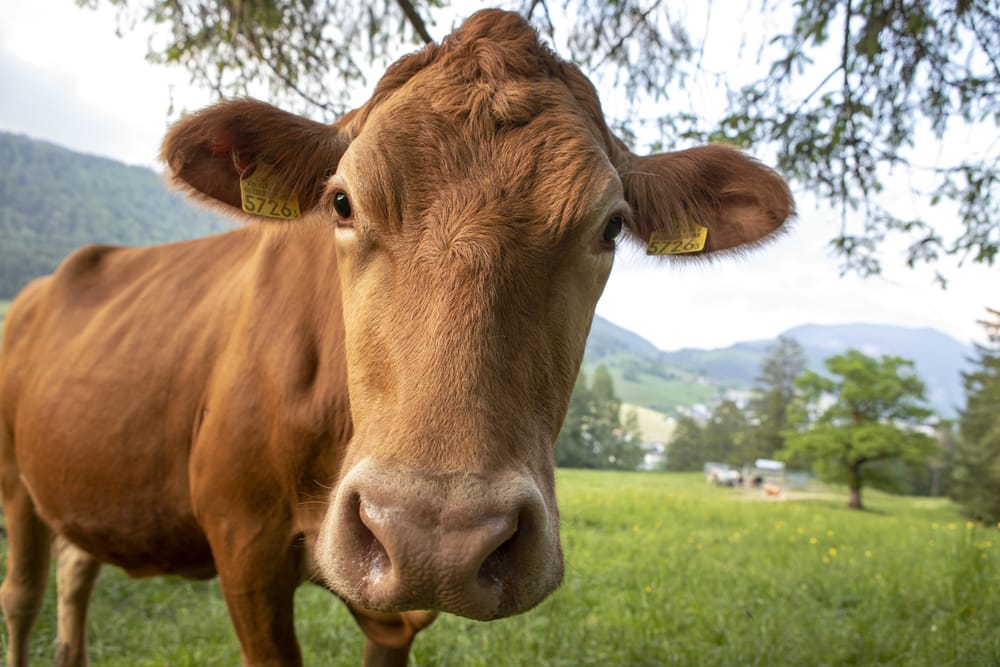
That's certainly true, but the right position can add more expression to the subject. For example, when photographing a dog, the picture often looks rather boring if it's photographed from above. But if you get down to the dog's eye level, i.e., kneel or lie down in a low angle, the picture gains an interesting touch.
Of course, the dog's posture also plays a role – whether it's sitting or lying down. By positioning yourself at the same height as the dog's head (i.e., eye level), the picture will immediately appear more interesting. Try it out for yourself!
The same applies to children or objects outside our normal field of vision. A bird's-eye view can also be something special – whether photographed from a window looking at a group, from a ladder, or even with the help of a drone.
Experimenting with different camera positions opens up completely new possibilities for creating interesting images.
This snapshot of a cow clearly shows the exciting effect an unusual perspective can have on the subject. Photo by SaskiaAugust, via depositphotos
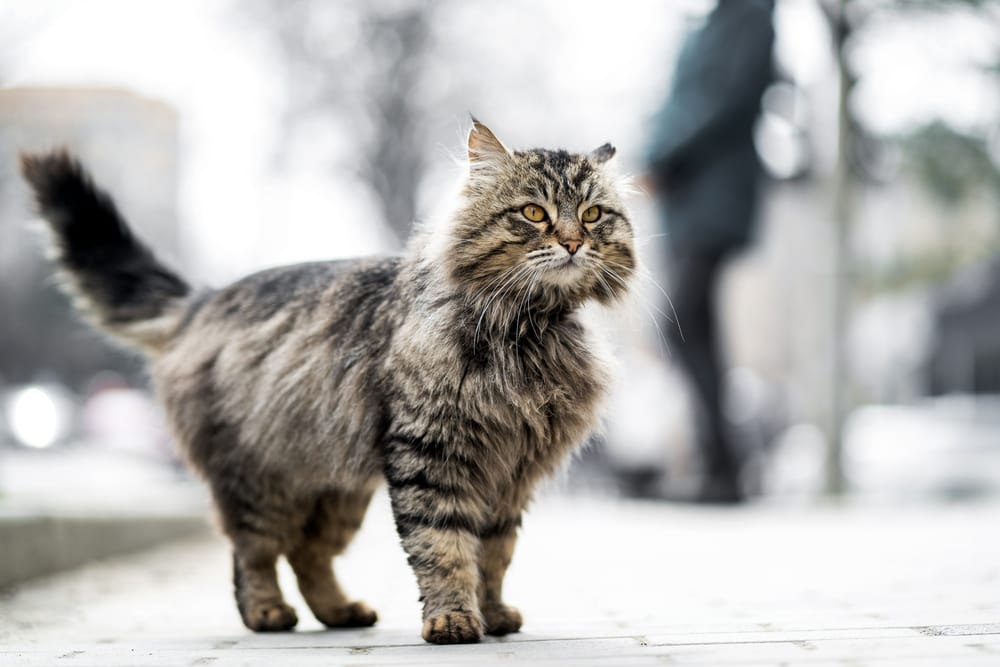
The photograph of this graceful cat is very interesting due to the eye-level perspective combined with the chosen background composition. Photo by stavklem_sale, via depositphotos
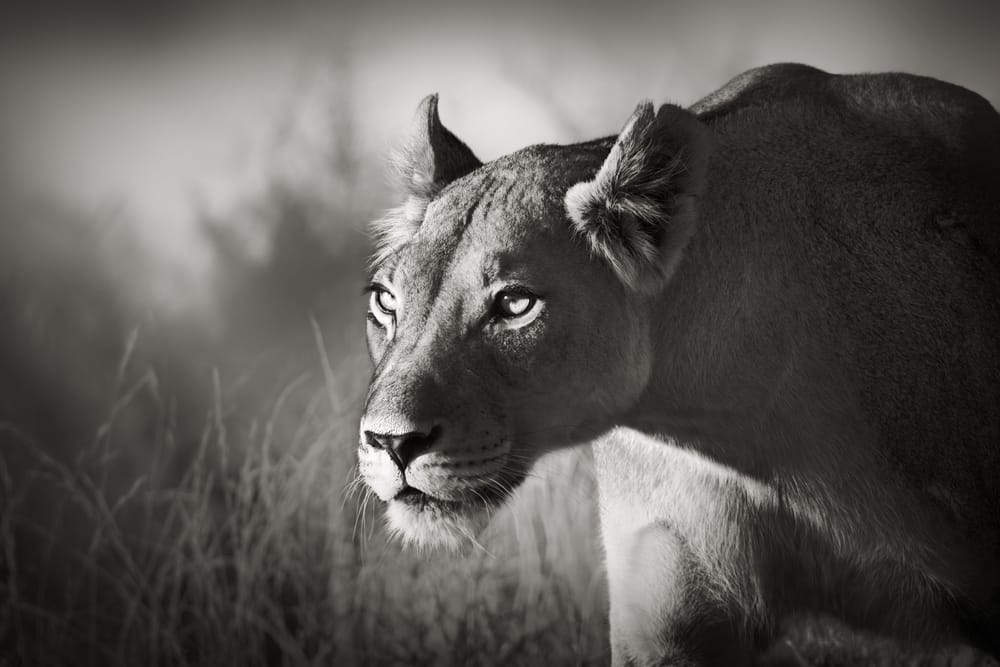
Camera perspective + interplay of light and shadow + framing = successful photograph of a lioness. Photo by Johan Swanepoel, via depositphotos
18 Focus on the essentials
What message do you want to convey with your image?
What should be the focus of your planned image?
Is it a building, a path, or a person?
Do the lines in the image converge on the subject, for example, does a path lead to the main subject or does a road direct the viewer's gaze out of the image?
Have you succeeded in directing the viewer's gaze to the subject as you intended?
Ask members of your chosen community or friends for their impressions of the photos. Do they identify the central motif , or is there something that distracts them from it? Don't take critical feedback personally; consider it constructive input for future photoshoots.
There may also be people who, even if you show them everything, will always find something to criticize or simply fail to recognize beauty – even if the photo is perfect. These people should simply be ignored and not influenced by them.
Tips for more creativity in implementation
19 Creative ways to use aperture and exposure time
Camera settings such as aperture and shutter speed play a crucial role in photography. Besides ensuring correct exposure, they also offer creative possibilities . The aperture allows you to determine whether your image should have a blurred background or be sharp throughout.
Shutter speed allows you to freeze motion or blur it ( motion blur ). Although it may seem simple at first, these settings offer enormous creative potential for your photos.
This rule applies to moving subjects:
The wider the aperture is opened ( smaller f-number ), the shorter the shutter speed. This prevents the motion from being blurred and instead freezes it.
Wide aperture = blurred background
The larger the aperture opening, the shallower the depth of field, which makes the background appear beautifully blurred.
Using an aperture of f/2.8 reveals the bokeh in all its glory.
This photo perfectly showcases the bokeh effect. Photo by GaudiLab, via depositphotos
Closed aperture = large depth of field
The depth of field increases when a larger aperture number is chosen (i.e., the “smaller” or more closed the aperture opening is).
With values above 8 to 11, it's not only possible to capture the foreground in sharp focus. However, it should be noted that either the shutter speed or the ISO sensitivity will need to be increased.
20 Working with long exposure
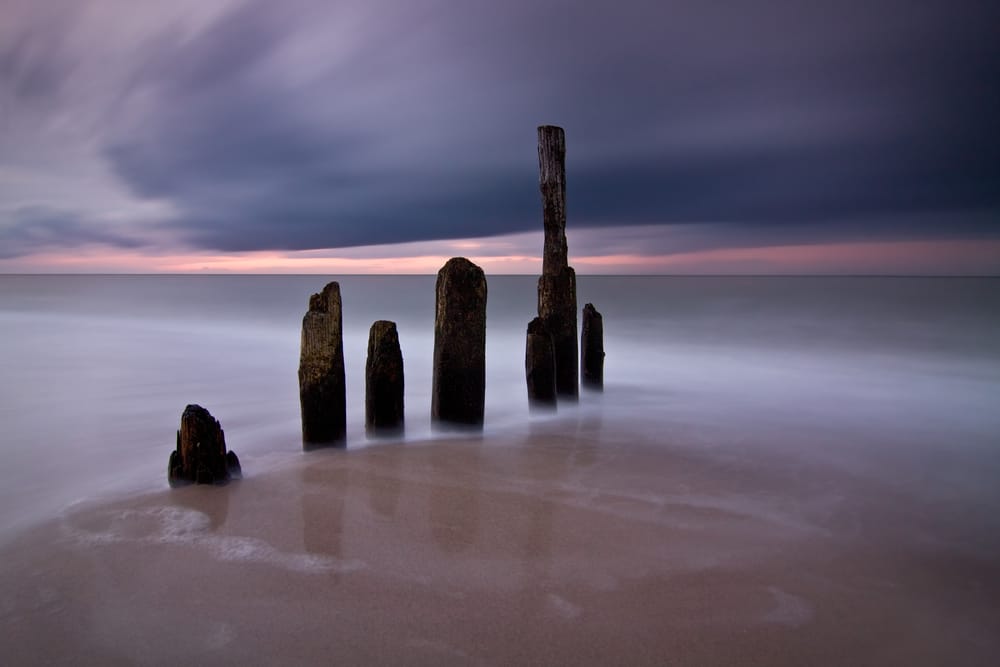
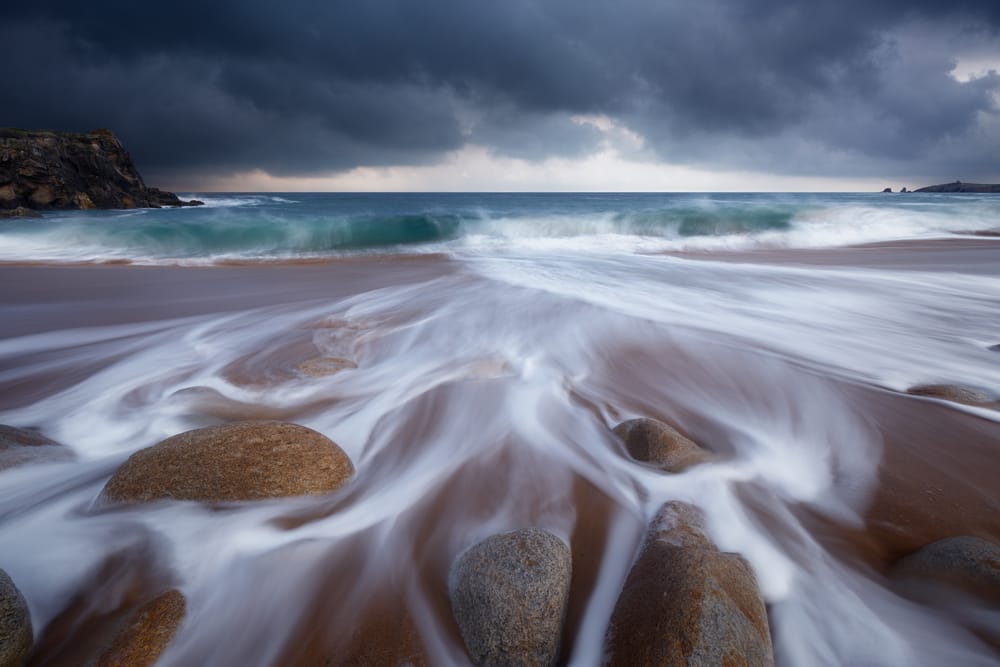
Long exposure photography is a fascinating method for breathtaking, almost surreal landscape photos . This technique allows you to capture the dynamism in your image by keeping the shutter open for several seconds or even minutes.
This creates an effect where everything that moved during that time appears blurred. This is particularly impressive when depicting flowing water such as rivers or waterfalls.
Long exposures of flowing water create breathtaking effects. Photo by beboy, via depositphotos
To achieve a successful long exposure, it is essential that your camera is mounted on a tripod. This is the only way to prevent camera shake from affecting the image and resulting in blurry images. Choosing the right location and setting the aperture and shutter speed are also crucial for the success of your shot.
With skillful long exposure photography, you have the opportunity to capture magical moments and give your photos a very special atmosphere.
21 Creatively using depth of field
The depth of field in a photograph describes how far the image appears to be in focus. A large depth of field means that both the foreground and background of the image are sharp. This can be particularly advantageous for landscape or architectural photography , allowing all details to be clearly and distinctly rendered.
In contrast, a shallow depth of field in a blurred background while the main subject remains in focus. This technique is often used in portrait photography to draw the viewer's eye to the person and to eliminate distracting elements in the background.
Portrait photography with shallow depth of field. Photo by Isaac Castillejos @chack622, via Unsplash
A shallow depth of field can be achieved through various camera settings: a large aperture (small f-number), short focusing distance to the subject, long focal length of the lens, and a larger sensor can all contribute to this.
To create additional depth in your portraits, you can also work with different layers – not only with a blurred background but also with blurred elements in the foreground. This creates a spatial effect and makes the photo appear more vibrant and interesting to the viewer.
It is important to consider these aspects when taking photographs in order to achieve the desired effect on the viewer and to make your images even more appealing.
22 troublemakers in the foreground
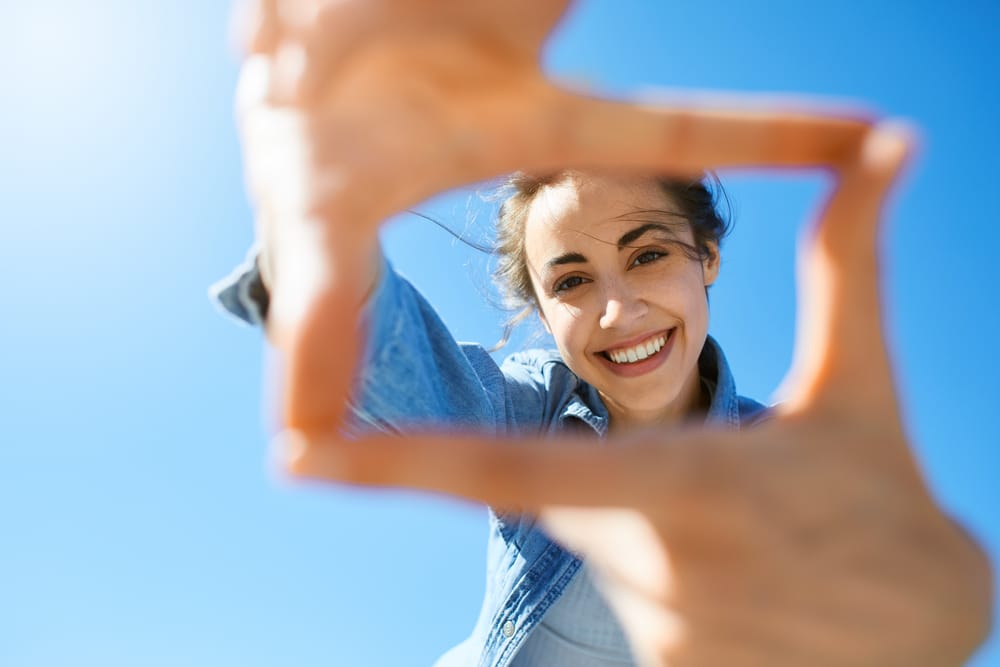
Here, the model's hands act as a distraction in the foreground while simultaneously framing the portrait. Photo by matehavitaliy, via depositphotos
If you can't find a suitable foreground at the location, you can also hold lenses directly in front of the camera lens. This technique gives your photos a unique creative touch and allows you to achieve interesting effects.
Almost any object can be used to create this special look – from flowers or leaves to bottles and other everyday objects.
Flowers, fields, or branches are suitable objects to disrupt the foreground. Photo by Sonyachny, via depositphotos
Prism photography is also particularly popular , where you hold a glass prism directly in front of the lens. The refraction of light creates fascinating rainbow effects and unusual patterns in your photos.
This method allows you to unleash your creativity and create impressive images that stand out from ordinary photos. Try different objects and experiment with various angles and lighting to achieve unique results.
23 The Golden Hour
The so-called "golden hour" is a term that describes the time immediately after sunrise or shortly before sunset . During this particular phase of the day, the sunlight appears in a warm and pleasant tone while it is relatively low in the sky.
This combination of light and positioning of the sun gives photos a particularly aesthetic quality and contributes significantly to the atmosphere and mood.
Photographers are therefore advised to always take photos during these magical hours, if possible, in order to create impressive images with a special aura.
Don't forget the 24 hours of blue hour!
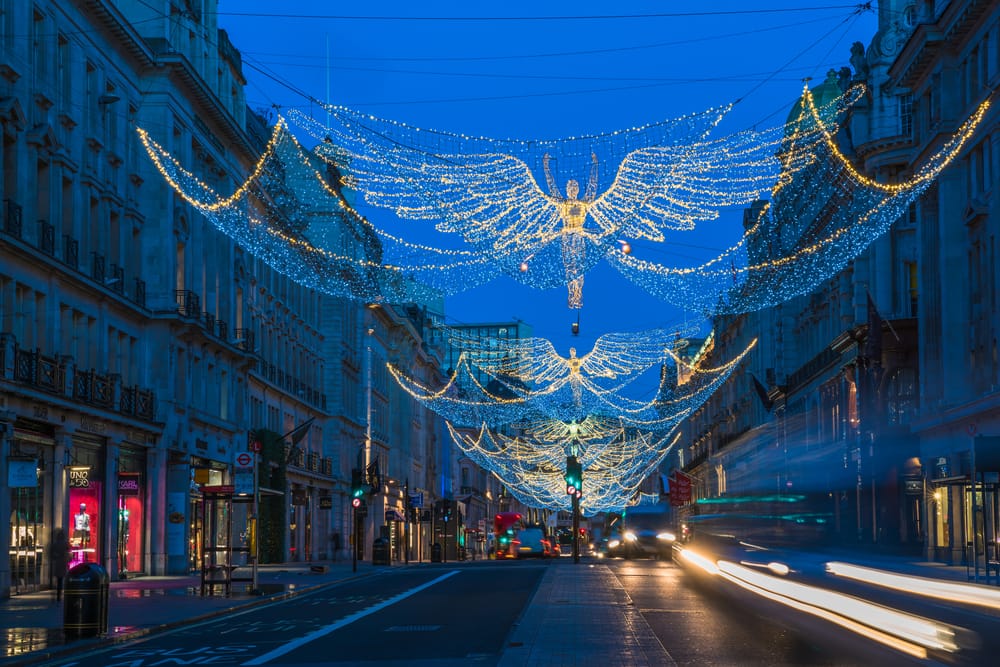
During sunset, the sky turns a particularly intense blue , enveloping the landscape in a magical atmosphere. The gentle contrasts and warm light create a captivating mood that enchants every observer.
Photo taken during the blue hour. Photo by RubinowaDama, via depositphotos
As dusk slowly sets in and it's almost dark, it's advisable to open the aperture to f/2.8 to capture enough light. In moments like these, it becomes clear how important it is to have your camera ready and capture the moment.
The challenge then becomes capturing this special atmosphere in the image – be it through skillful manipulation of exposure time and aperture or through targeted composition.
The beauty of a sunset can be captured in so many different ways: be it through impressive landscape shots with the colorful sky in the background or detailed close-ups of plants in the evening light.
The art lies in not only photographing the subject itself but also capturing its emotions and energy – because often these invisible elements are the key to a truly convincing photograph.
First, you should choose a shutter speed of no more than 1/200s if you are shooting handheld. Too long an exposure time can result in a blurry and shaky image.
Furthermore, choosing the right aperture important to achieve the desired depth of field. Depending on the subject, you can vary this and adjust the depth of field accordingly.
Another important feature is the use of back-button autofocus in combination with an additional button for eye autofocus. This function allows you to quickly and precisely focus on the desired object.
Stephan Wiesner also provides some helpful quick tips on this topic:
Fortunately, we now also have access to a wealth of powerful online tools to significantly improve photos and images even after they have been taken.
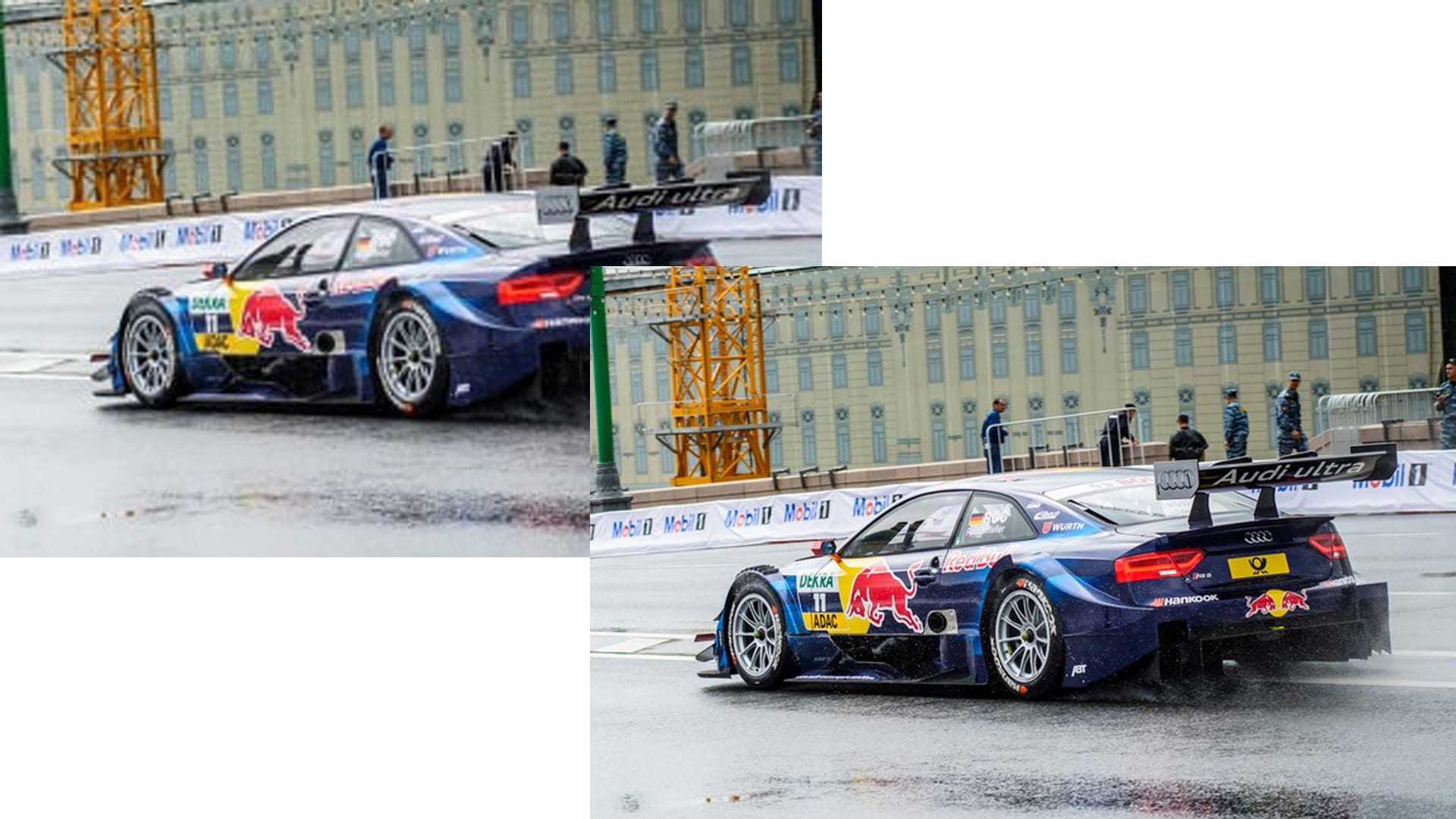
Modern AI tools have revolutionized the ability to enlarge images without loss of quality . Thanks to this technology, it is now possible to easily improve image size, resolution, and quality. A prime example is the free tool from depositphotos ( https://depositphotos.com/de/upscaler.html ), which is based on artificial intelligence.
The upscaler from depositphotos allows you to enlarge images without loss of quality
Users can scale their photos to the highest possible quality, achieving razor-sharp results. This advanced software makes it easy for photographers, graphic designers , and all other users to create high-quality images or enhance existing photos.
With the support of AI technology, detail and sharpness are optimized, so that even at high magnification no pixelation is visible. The availability of such innovative tools clearly demonstrates how much visual representations have been able to develop thanks to advances in artificial intelligence.
25. Photograph in RAW format
Your camera is set to JPG format by default, which is sufficient for most users. However, if you are serious about photography and want to produce high-quality images, you should consider switching to the RAW format .
Compared to JPG, RAW offers a much larger amount of image information , making it possible to bring out finer details and perform more precise editing. The biggest advantage of RAW lies in its extended dynamic range.
This allows more information to be stored in both the brightest and darkest areas of a photo. This means you have much more flexibility during post-processing and can, for example, recover blown-out highlights or bring back lost detail in shadow areas.
Another advantage of RAW is that you are actively involved in the development process of your photos. Unlike with JPG images, you need to use a special converter to get the best possible result from the raw data.
This may seem a bit tedious at first, but with a little practice you'll quickly realize the creative freedom this method offers. Overall, using the RAW format is definitely worthwhile for ambitious photographers.
The improved image quality and flexibility in post-processing make this file type a valuable addition to your photographic toolkit.
26 Use a tripod (even if it seems unnecessary)
In landscape photography, using a tripod essential for achieving perfect shots. It plays a particularly crucial role in long exposures, ensuring stable and blur-free images.
However, it's often underestimated that a tripod is also worthwhile when photographing subjects that are normally shot handheld. The slower movement of the tripod forces you to engage more deeply with the image composition.
This leads to you composing your photos more consciously and not just snapping away haphazardly. The result is more thoughtful and carefully composed images. Another advantage of using a tripod is the ability to fine-tune the framing and precisely align the camera.
This allows you, for example, to avoid distracting elements in the background or to focus specifically on the main subject.
Furthermore, a tripod allows you even in difficult lighting conditions , such as at dusk or at night. The stability of the tripod allows you to use longer exposure times without the risk of blurry images.
27 Dealing with difficult lighting conditions
In the world of photography, light of crucial importance. Photographers can face challenges, difficult lighting conditions
Choose your camera's aperture carefully to make the best use of the light. Experiment with different settings to bring out the best in your subject.
Changing the viewing angle can also help to better capture the light and thus create unique photos.
Use the background deliberately to create contrast and emphasize the mood of the image. With a little practice and patience, even difficult lighting conditions can be used to your advantage.
How to take photos at night? | Learn to photograph in the dark | Night photography tutorial
References
André Leisner : Camera Buying Guide for Photography Beginners ; https://photography-leisner.de/leistungen-und-preise/fotokurs/ratgeber-kamerakauf-anfaenger/
André Leisner : Photography for Beginners Guide , https://photography-leisner.de/leistungen-und-preise/fotografie-anfaenger-guide/
Markus Thoma : 40 professional photography tips for impressive photos , https://journal.markusthoma.com/fotografie-tipps/
Amrish Mudgal on Pixpa : The 25 best online photo communities and forums for photographers , https://www.pixpa.com/de/blog/online-photography-communities-to-follow
Sina Blanke on Lights of the World : The 70 best photography tips of all time , https://lichterderwelt.de/fotografie-tipps/
Owner and Managing Director of Kunstplaza. Journalist, editor, and passionate blogger in the field of art, design, and creativity since 2011. Successful completion of a degree in web design as part of a university study (2008). Further development of creativity techniques through courses in free drawing, expressive painting, and theatre/acting. Profound knowledge of the art market through years of journalistic research and numerous collaborations with actors/institutions from art and culture.
A fundamental need for every artistically creative person is likely to be the ability to live off their art.
In order to secure your own existence, it is essential to make money with art . In fact, contrary to the majority perception, many artists can live well from their creative work these days. Nevertheless, a vast majority of all freelance artists are dependent on further sources of income (e.g. giving courses, order work, part -time jobs, etc.).
Recognition as an artist often does not bring immediate financial security. Therefore, artists are often also life artists.
The opportunities to make a living from one's own art have, however, grown significantly due to the internet and social media. As an artist, however, you must be versatile and flexible to succeed. A certain degree of perseverance is also essential.
Customer care and self -marketing are also important pillars for success as an artist .
In this section, we compile numerous articles, information, tips, and advice to help you make a living from your art.
Freelancing
Regardless of your area of activity as a web designer, graphic designer, game developer, photographer, programmer, product designer, journalist, content creator or influencer , as a self -employed you have to master a variety of tasks.
From customer acquisition to successful project implementation to time management and financial administration - including the often unloved tax matters.
Good information and the right online tools are crucial for a successful career as a freelancer or content creator.
In this section you will find helpful articles and valuable advice with tips especially for freelancers.
We use technologies like cookies to store and/or access device information. We do this to improve the browsing experience and to show (non-)personalized ads. If you agree to these technologies, we can process data such as browsing behavior or unique IDs on this website. The refusal or withdrawal of consent may adversely affect certain features and functions.
The technical storage or access is necessary for the legitimate purpose of storing preferences that are not requested by the subscriber or user.
Always active
Die technische Speicherung oder der Zugang ist unbedingt erforderlich für den rechtmäßigen Zweck, die Nutzung eines bestimmten Dienstes zu ermöglichen, der vom Teilnehmer oder Nutzer ausdrücklich gewünscht wird, oder für den alleinigen Zweck, die Übertragung einer Nachricht über ein elektronisches Kommunikationsnetz durchzuführen.
Vorlieben
Technical storage or access is required for the lawful purpose of storing preferences that have not been requested by the subscriber or user.
Statistiken
The technical storage or access that is used exclusively for statistical purposes. The technical storage or access that is used exclusively for anonymous statistical purposes. Without a subpoena, voluntary compliance by your internet service provider, or additional records from third parties, information stored or retrieved for this purpose alone cannot usually be used to identify you.
Marketing
Die technische Speicherung oder der Zugriff ist erforderlich, um Nutzerprofile zu erstellen, um Werbung zu versenden oder um den Nutzer auf einer Website oder über mehrere Websites hinweg zu ähnlichen Marketingzwecken zu verfolgen.








 J-Line Luxuriöses 1-Sitzer Sofa mit Knopfheftung, schwarzer Veloursamtbezug und goldfarbenes Metallgestell
1.250,00 €
J-Line Luxuriöses 1-Sitzer Sofa mit Knopfheftung, schwarzer Veloursamtbezug und goldfarbenes Metallgestell
1.250,00 €