Fuel for the creative mind: Can brain food boost concentration?
A balanced diet is fundamental for physical and mental performance. That much is clear. The concept of brain food – that is, foods that promote brain function – has increasingly come to the fore in recent years. Sure, you hear about it often. But what exactly is behind it?
In short, it promises to boost concentration and support creative flow. Today we'll take a closer look at what exactly is considered brain food and which foods are particularly suitable, as well as the extent to which they can enhance cognitive performance.
Show
table of contents
What exactly is brain food?
Brain food , also known as brain food or food for the brain, refers to foods that can support our brain's activity. A balanced diet not only provides essential nutrients and fluids for the brain, but also positively influences our concentration, thinking, and memory.
Although brain food does not directly increase intelligence, it still creates optimal conditions for efficient brain function.
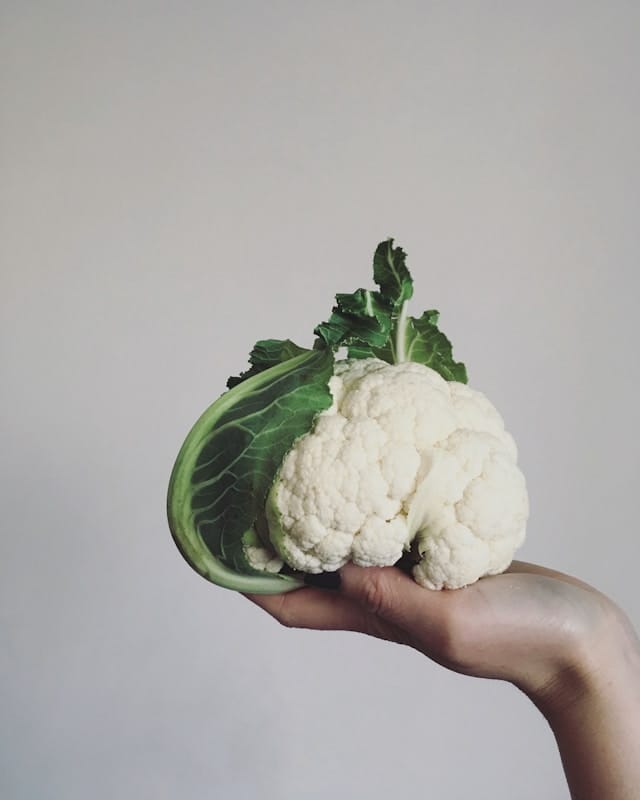
Photo by Scurtu Corina @corina_scurtu, via Unsplash
The result: You feel more alert, focused, productive, and less stressed. Creative processes in our brain are also enhanced.
Read on to learn how brain food works and which foods are included.
How does brain food work?
Our brain acts as the central control center of our body and exhibits significantly improved performance when it is optimally supplied with water, nutrients, vitamins, minerals, and polyunsaturated fatty acids. Billions of nerve cells – also known as neurons – transmit the received information via synapses.

Photo by Josh Riemer @joshriemer, via Unsplash
This process is ensured by messenger substances neurotransmitters . Our brain relies on a varied diet, as recommended German Nutrition Society (DGE), fluid intake . Only through proper hydration can blood circulation be promoted and the transport of nutrients to the brain supported.
Brain food, for example, is rich in important nutrients such as omega-3 fatty acids, vitamins, antioxidants, and minerals. HANS Brainfood , whose experts advised us during the research for this article, contain ingredients such as nuts, rolled oats, and hemp seeds. This provides the brain with the necessary building blocks to function optimally and protect itself against stress and fatigue.
These nutrients not only contribute to improved concentration but also protect the brain from age-related decline. A balanced diet rich in these nutrients promotes cognitive function. Therefore, a cost-effective, varied diet with fruits, vegetables, whole grains, and healthy fats has been shown to have positive effects on cognitive performance.
The best foods for a creative mind
Numerous products are distinguished by their nutrient-rich composition and can promote concentration and creativity. They are attributed with important antioxidants that optimize blood flow to the brain. Furthermore, fats, vitamins, and minerals are crucial for the health of nerve cells and support oxygen transport in the brain.
A balanced diet that includes such nutrient-rich foods can therefore significantly contribute to increasing mental performance and is of great importance for a creative mind.
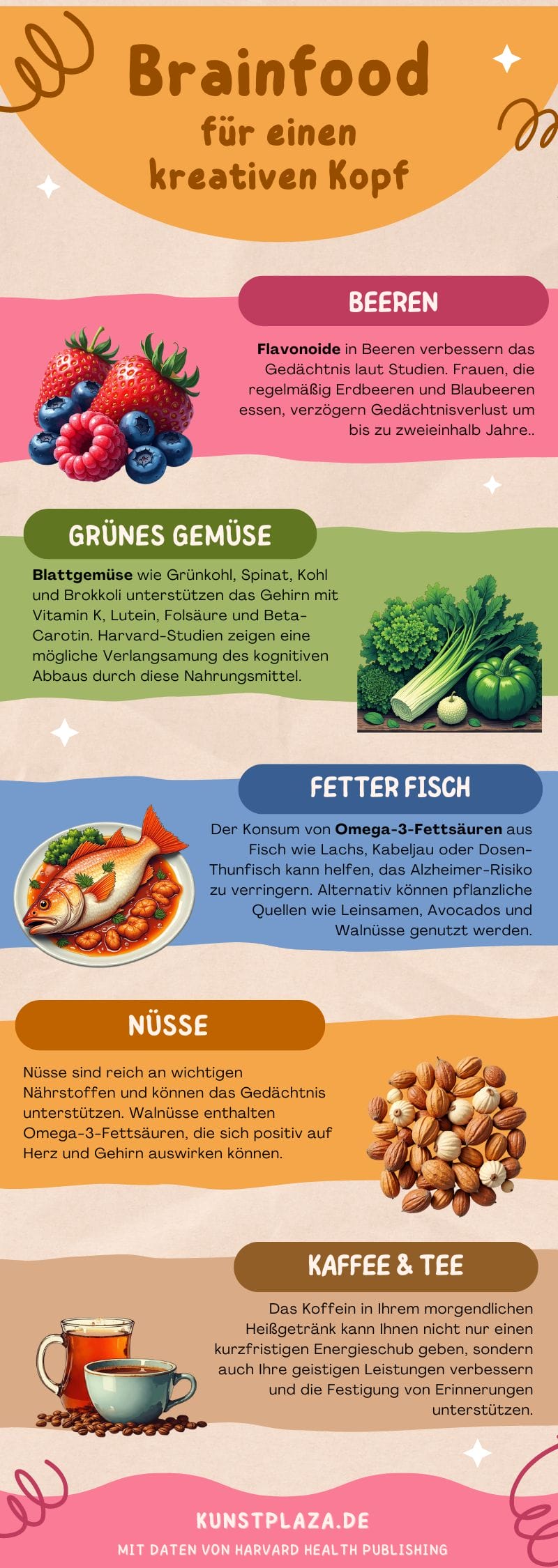
Dr. Howard E. LeWine , editor-in-chief for medicine at the renowned Harvard Health Publishing, considers the following foods to be brain food, based on his research and studies:
Green leafy vegetables
Leafy green vegetables such as kale, spinach, cabbage, and broccoli are rich in nutrients that support brain function, including vitamin K, lutein, folic acid, and beta-carotene. Studies from Harvard University suggest that these plant-based foods may help slow cognitive decline.
Fatty fish
Fatty fish is an excellent source of omega-3 fatty acids, healthy unsaturated fats that are associated with lower concentrations of beta-amyloid – the protein that forms harmful deposits in the brains of people with Alzheimer's disease.
Try to eat fish at least twice a week, but choose low-mercury varieties such as salmon, cod, light canned tuna, and pollock. If you don't like fish, ask your doctor about taking an omega-3 supplement or choose plant-based omega-3 sources such as flaxseeds, avocados, and walnuts.
Berries
Flavonoids , the natural plant pigments that give berries their vibrant colors, also contribute to improved memory, according to studies. A study by scientists at Brigham and Women's Hospital at Harvard found that women who consumed two or more servings of strawberries and blueberries weekly delayed memory loss by up to two and a half years.
Tea and coffee
The caffeine in your morning hot drink can do more than just give you a short-term energy boost. Studies published in the Journal of Nutrition show that people with higher caffeine consumption perform better mentally. Furthermore, according to other research, caffeine supports the consolidation of new memories.
Scientists at Johns Hopkins University conducted an experiment in which participants viewed a series of images while taking either a placebo or a 200-milligram caffeine tablet. The participants in the caffeine group were able to accurately recall the images the following day.
Walnuts
Nuts are excellent sources of protein and healthy fats. One particular type of nut may even support memory. A UCLA found a link between increased walnut consumption and improved cognitive test scores.
Walnuts contain a special form of omega-3 fatty acids called alpha-linolenic acid (ALA). A diet rich in ALA and other omega-3 fatty acids is associated with healthy blood pressure and arteries, which benefits the heart and brain.
Recipes for creative minds
Tasty and easy-to-prepare recipes integrate effortlessly into everyday life to provide the brain with essential nutrients. A nutritious breakfast of oatmeal, nuts, and fresh berries not only delivers sustained energy but also boosts mental performance thanks to the vitamins and fiber it contains.
In addition, healthy snacks such as muesli bars, vegetable sticks or walnuts are ideal to satisfy hunger and boost concentration – optionally also on the go .
A lunch of quinoa, salmon, and spinach provides the body with essential nutrients. Smoothies made from berries and spinach offer a refreshing complement thanks to their valuable ingredients. Gentle preparation methods help to optimally preserve these nutrients.
You can find many more delicious recipes for a more vital and creative lifestyle in the relevant sections at Chefkoch, Lecker.de and GuteKüche.
Dietary supplements: Useful or unnecessary?
Dietary supplements can be useful in certain situations, particularly in cases of proven nutrient deficiencies or specific dietary needs. However, it is crucial to remember that they cannot replace the foundation of a balanced diet.
Individual consultation with experts is often advisable in order to select targeted preparations that could, for example, support cognitive performance through omega-3 fatty acids or B vitamins (especially in the case of a vegan diet).
Nevertheless, the scientific evidence regarding many dietary supplements remains questionable, which indicates the need for careful use and consideration of possible side effects.
Practical tips for everyday life
To boost mental performance in everyday life, a conscious diet plays a key role. Adequate fluid intake is essential, as even mild dehydration reduces concentration. Regular, nutrient-rich meals supply the brain with important nutrients and energy.
Finally, sufficient sleep and regular exercise are crucial for improving brain function. Stress management techniques such as meditation or mindfulness can also be beneficial, as they promote mental clarity and increase focus.
Conclusion: Brain food as an important building block for a vital brain
A balanced diet plays a central role in cognitive performance. Nutrient-rich foods sustainably promote brain function, especially when combined with a healthy lifestyle. The consistent integration of brain food into daily life noticeably improves concentration and creativity.
Ultimately, a conscious diet proves to be a valuable investment in mental health and supports cognitive well-being in the long term.

Owner and Managing Director of Kunstplaza . Publicist, editor, and passionate blogger in the fields of art, design, and creativity since 2011. Graduated with a degree in web design from university (2008). Further developed creative techniques through courses in freehand drawing, expressive painting, and theatre/acting. Profound knowledge of the art market gained through years of journalistic research and numerous collaborations with key players and institutions in the arts and culture sector.
You might also be interested in:
 Optimizing creative processes: Tips for more inspiration and serenity in the studio.
 How puzzles and riddles help us develop creative and cognitive skills.
 Why relaxation is the basic prerequisite for creativity.
 Creative crisis? Here's how to overcome it!
 Sustainable smartphone use: How to extend the lifespan of technology.
Featured Art


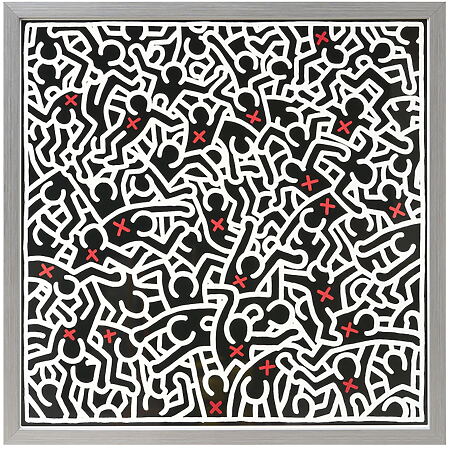


Design and Decor Highlights
-
 J-Line Sustainable Christmas Tree in Modern Style Made of Foldable Paper (White)
124,00 €
J-Line Sustainable Christmas Tree in Modern Style Made of Foldable Paper (White)
124,00 €
VAT included.
Delivery time: 3-5 working days
-
J-Line Nutcracker "Extraordinaire" with faux fur hat, glittering resin (green)
22,95 €
VAT included.
Delivery time: 1-3 working days
-
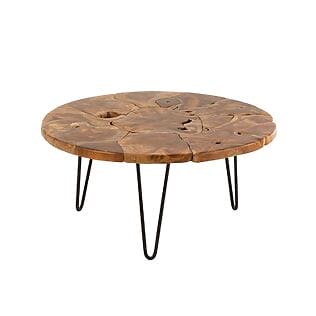
J-Line Round Coffee Table "Samuel" made of teak wood, brown
285,00 €
VAT included.
Delivery time: 2-3 working days
-
J-Line Christmas tree with realistic artificial snow and 3000 LED lights
755,00 €
VAT included.
Delivery time: 5-8 working days
-
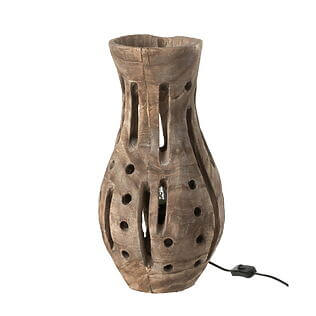
J-Line table lamp “Elisabeth” – Natural light sculpture made of real wood
The original price was: €239.00119,00 €The current price is: €119.00.
VAT included.
Delivery time: 2-4 working days
-
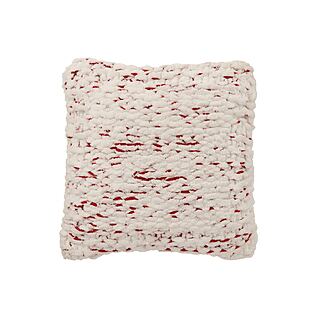
J-Line Large Cushion with Knitted Surface, Cotton (White-Red)
42,90 €
VAT included.
Delivery time: 2-4 working days
-
Bronze pendant necklace with real dill flowers, vintage style
19,90 €
VAT included.
Delivery time: 1-3 working days