In einer digitalisierten Welt erleben wir eine rasante Verschmelzung von Kunst, Technologie und Gesellschaft. Künstliche Intelligenz (KI) ist längst kein Zukunftsversprechen mehr, sondern eine Realität, die kreative Prozesse genauso wie den Bereich Cyber Security revolutioniert. Ob in der Bildbearbeitung, im Grafikdesign, bei der Musikkomposition oder sogar im kreativen Schreiben – KI wird zunehmend als Werkzeug genutzt, um Innovationen voranzutreiben. Doch mit diesen Fortschritten entstehen auch neue Herausforderungen, insbesondere im Bereich der digitalen Sicherheit.
Für Künstlerinnen und Künstler, Designer und kreative Freigeister bedeutet die Nutzung digitaler Tools nicht nur mehr Möglichkeiten, sondern auch mehr Verantwortung im Umgang mit ihren Daten, Ideen und digitalen Identitäten.
Die Rolle von Künstlicher Intelligenz in der kreativen Arbeit
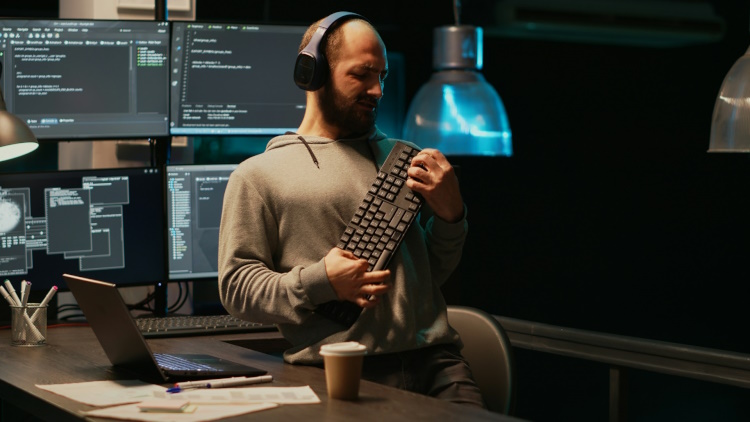
Künstliche Intelligenz und digitale Sicherheit: Wie sollten sich Kreative den neuen Herausforderungen stellen? Bildquelle: Getty Images @gettyimages, via Unsplash
KI wird heute in vielen kreativen Feldern eingesetzt: KI-basierte Programme generieren Kunstwerke, komponieren Musik, schreiben Texte und analysieren große Datenmengen für Design-Prozesse. Dies ermöglicht eine schnellere, experimentellere und oft effizientere Arbeitsweise.
Ein Beispiel sind KI-gesteuerte Algorithmen, die bei der Farbanalyse oder der Raumplanung in der Innenarchitektur unterstützen. In der Fotografie helfen intelligente Filter und automatische Bildkorrekturen dabei, optimale Ergebnisse mit minimalem Aufwand zu erzielen.
Doch wo KI kreative Arbeitsprozesse unterstützt, stellen sich auch Fragen:
Wem gehört die kreative Leistung – dem Menschen oder der Maschine? Und wie können diese digitalen Werke vor Missbrauch oder Diebstahl geschützt werden?“
KI liefert neue Herausforderungen an die Cybersecurity? Aber KI hilft auch bei der Sicherheit
In einem Vortrag der Wirtschaftskammer Österreichs wurde jüngst dargelegt, welche Auswirkungen KI auf die Cybersecurity hat, was uns in Zukunft erwarten wird und wie man sich darauf vorbereiten kann:
Beim Cybersecurity Summit 2025 war man intensiv bemüht, in der hitzigen Debatte Mythos von Realität zu trennen. Manuel Reinsperger, Forscher für die Verwendung von AI‑Systemen in der offensiven Cybersicherheit, Pentester und Cybersecurity-Consultant, gibt Klarheit und berichtet den aktuellen Stand der Wissenschaft. Er liefert Antworten auf Fragen wie
Wie sehen denn nun solche AI‑Angriffe aus,
warum geht es nicht mehr nur um Phishing,
und was betrifft mich als kreativen Selbständigen nun konkret?
In der messerscharfen Analyse erfahren wir von den neuesten Erkenntnissen aus der Leading-Edge-Forschung und lernen an Erfahrungen aus der unternehmerischen Praxis, welche Risiken auch die Kreativbranche in den nächsten Jahren erwartet.
Auf der anderen Seite ergeben sich aus dem kometenhaften Aufstieg von künstlicher Intelligenz nicht nur neue Bedrohungen. Auch die Defensive und der Schutz können damit gestärkt werden.
Digitale Sicherheit: ein unterschätztes Risiko für Kreative
Viele Kreative arbeiten heute ortsunabhängig – zu Hause, im Co-Working-Space, im Café oder auf Reisen. Der digitale Arbeitsplatz wird zum mobilen Studio. Dabei werden häufig persönliche Geräte wie Smartphones, Tablets und Laptops genutzt, die nicht immer ausreichend geschützt sind.
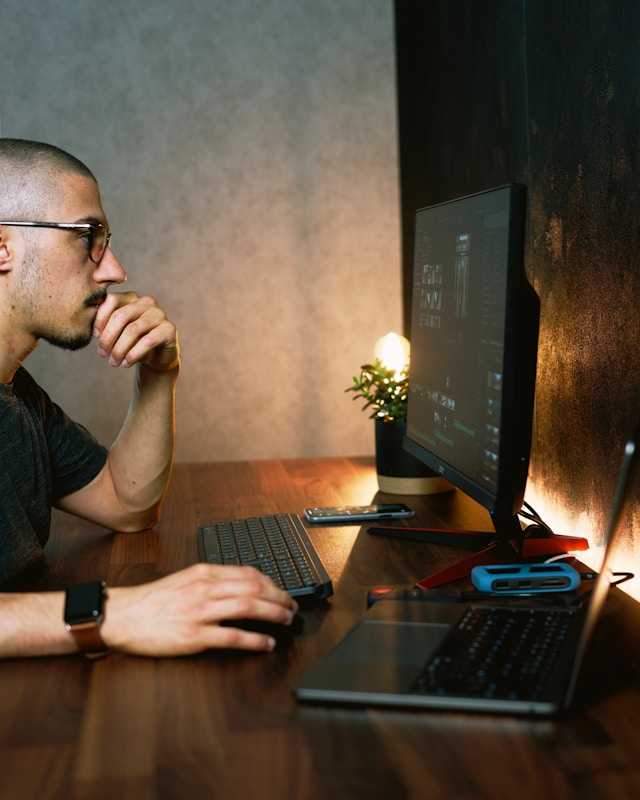
Digitale Sicherheit bleibt unter Kreativen ein unterschätzter Bereich. Doch lauern Gefahren. Foto von Guillaume Issaly @guillaumeissaly29, via Unsplash
Regierungen, Privatpersonen, Firmen, Banken – und sogar große, länderumspannende Institutionen wie die NATO – werden zunehmend Opfer von Cyberangriffen. Cyberkriminalität verursacht global dreimal so viel wirtschaftlichen Schaden wie Naturkatastrophen. Die Angreifer sind häufig einzelne Menschen oder kleine Gruppen. Wie viel Macht sie haben und welchen Schaden sie anrichten können, erzählt die arteDoku „Der unsichtbare Krieg“.
Die Dokumentation begleitet Fabian Osmond von der französischen Sicherheitsfirma Cybi, der mit seinen Kollegen eine Software entwickelt hat, die darauf spezialisiert ist, digitale Schlupflöcher zu finden. Innerhalb von zehn Minuten soll sie die Schwachstellen ausfindig machen.
Auch im kreativen Umfeld – in dem oft sensible Daten, unveröffentlichte Projekte oder Kundeninformationen gespeichert sind – ist der Schutz digitaler Inhalte von zentraler Bedeutung. Cyberkriminalität, Datenverlust oder ungewollter Zugriff durch Dritte sind reale Bedrohungen.
Darüber hinaus nutzen viele Kreative Cloud-Dienste, Social-Media-Plattformen oder Messenger-Dienste zur Kommunikation mit Auftraggebern und Kollegen. Hier können Sicherheitslücken entstehen, wenn keine geeigneten Schutzmaßnahmen getroffen werden.
Zwischen Freiheit und Kontrolle: Digitale Überwachung im kreativen Alltag
Im Kontext der Cyber Security rückt auch das Thema Überwachung in den Fokus. Dabei geht es nicht nur um staatliche Kontrolle oder groß angelegte Cyberangriffe – auch im privaten oder beruflichen Umfeld kann es sinnvoll sein, die digitale Nutzung zu reflektieren oder zu überprüfen.
Ein wachsendes Interesse zeigt sich z. B. an Tools, mit denen sich ein Handy überwachen kostenlos lässt. Solche Anwendungen ermöglichen es, die Aktivitäten auf einem mobilen Gerät nachzuvollziehen – etwa, um die Sicherheit eines Familienmitglieds zu gewährleisten, Arbeitsgeräte zu schützen oder die eigene Datennutzung besser zu verstehen.
Für Kreative kann dies bedeuten, dass sie ihre mobilen Arbeitsgeräte bewusster einsetzen, verdächtige Aktivitäten frühzeitig erkennen oder einen Überblick darüber behalten, welche Apps Zugriff auf welche Daten haben. In kreativen Teams oder Agenturen kann dies auch im Rahmen der IT-Sicherheit hilfreich sein, etwa durch die Einführung klarer Datenschutzrichtlinien und Überwachungslösungen auf firmeneigenen Geräten.
Der Balanceakt zwischen Innovation und Schutz
Die Herausforderung besteht darin, eine Balance zwischen kreativer Freiheit und digitalem Schutz zu finden. Wer zu viel Kontrolle ausübt, riskiert, kreative Prozesse zu hemmen. Wer zu sorglos agiert, gefährdet möglicherweise seine Projekte oder seine Reputation.
Besonders im Zusammenhang mit KI-gestützter Kreativität müssen neue Wege gefunden werden, um Inhalte eindeutig zuzuordnen und geistiges Eigentum zu sichern. Digitale Wasserzeichen, Blockchain-basierte Urheberrechtslösungen oder sichere Plattformen zur Verwaltung kreativer Inhalte sind erste Ansätze, die in der Szene diskutiert werden.
Zudem sollten kreative Professionals regelmäßig ihre Software aktualisieren, sichere Passwörter verwenden und sich über moderne Sicherheitslösungen informieren – nicht nur für ihre Desktop-Systeme, sondern insbesondere auch für mobile Endgeräte.
KI nützt nur den Profis? Falsch gedacht, aber es kommt drauf an, wie man sie nutzt. Dass wir auch als kleine Anwender selbst Initiative ergreifen und unseren digitalen Schutz aktiv verbessern können, zeigen Anwendungsbeispiele von The Morpheus Tutorials:
Künstliche Intelligenz und Ethik: eine offene Debatte
Neben technischen Fragen geht es auch um ethische Überlegungen. Wenn KI beginnt, Kunst zu schaffen, Texte zu schreiben oder Bilder zu generieren – wie verändert sich dann unser Verständnis von Originalität, Kreativität und künstlerischer Verantwortung?
Digitale Sicherheit spielt auch hier eine Rolle. Wenn KI-Systeme auf offene Datenbanken zugreifen, stellt sich die Frage: Wurden diese Daten legal verwendet? Gab es Zustimmung der Urheber? Und wie können sich Kreative davor schützen, dass ihre Werke ungewollt in KI-Trainingsdatenbanken landen?
Künstlerische Arbeit im 21. Jahrhundert ist untrennbar mit digitalen Technologien verbunden. Künstliche Intelligenz bietet faszinierende Möglichkeiten – doch sie bringt auch neue Anforderungen an Datenschutz, ethisches Handeln und digitale Verantwortung mit sich.
Kreative sollten sich nicht nur mit neuen Tools und Trends auseinandersetzen, sondern auch mit den Gefahren, die eine digitalisierte Arbeitsweise mit sich bringt. Ob durch einfache Schutzmaßnahmen, einen bewussten Umgang mit KI oder das gelegentliche Nutzen eines handy überwachen kostenlos-Tools zur Selbstkontrolle – wer sich mit der digitalen Welt aktiv auseinandersetzt, kann nicht nur sicherer, sondern auch freier gestalten.
Inhaber und Geschäftsführer von Kunstplaza. Publizist, Redakteur und passionierter Blogger im Bereich Kunst, Design und Kreativität seit 2011. Erfolgreicher Abschluss in Webdesign im Rahmen eines Hochschulstudiums (2008). Weiterentwicklung von Kreativitätstechniken durch Kurse in Freiem Zeichnen, Ausdrucksmalen und Theatre/Acting. Profunde Kenntnisse des Kunstmarktes durch langjährige journalistische Recherchen und zahlreichen Kooperationen mit Akteuren/Institutionen aus Kunst und Kultur.
Wir verwenden Technologien wie Cookies, um Geräteinformationen zu speichern und/oder darauf zuzugreifen. Wir tun dies, um das Surferlebnis zu verbessern und (nicht) personalisierte Werbung anzuzeigen. Wenn Sie diesen Technologien zustimmen, können wir Daten wie das Surfverhalten oder eindeutige IDs auf dieser Website verarbeiten. Die Nichteinwilligung oder der Widerruf der Einwilligung kann sich nachteilig auf bestimmte Merkmale und Funktionen auswirken.
Funktionale
Immer aktiv
Die technische Speicherung oder der Zugang ist unbedingt erforderlich für den rechtmäßigen Zweck, die Nutzung eines bestimmten Dienstes zu ermöglichen, der vom Teilnehmer oder Nutzer ausdrücklich gewünscht wird, oder für den alleinigen Zweck, die Übertragung einer Nachricht über ein elektronisches Kommunikationsnetz durchzuführen.
Vorlieben
Die technische Speicherung oder der Zugriff ist für den rechtmäßigen Zweck der Speicherung von Präferenzen erforderlich, die nicht vom Abonnenten oder Benutzer angefordert wurden.
Statistiken
Die technische Speicherung oder der Zugriff, der ausschließlich zu statistischen Zwecken erfolgt.Die technische Speicherung oder der Zugriff, der ausschließlich zu anonymen statistischen Zwecken verwendet wird. Ohne eine Vorladung, die freiwillige Zustimmung deines Internetdienstanbieters oder zusätzliche Aufzeichnungen von Dritten können die zu diesem Zweck gespeicherten oder abgerufenen Informationen allein in der Regel nicht dazu verwendet werden, dich zu identifizieren.
Marketing
Die technische Speicherung oder der Zugriff ist erforderlich, um Nutzerprofile zu erstellen, um Werbung zu versenden oder um den Nutzer auf einer Website oder über mehrere Websites hinweg zu ähnlichen Marketingzwecken zu verfolgen.








 Pouf "Brooklyn" mit beigefarbenem Bouclé-Stoff mit integriertem Stauraum
89,00 €
Pouf "Brooklyn" mit beigefarbenem Bouclé-Stoff mit integriertem Stauraum
89,00 €


