In the field of artistic presentation of paintings, art prints and photographs, the choice between acrylic glass and traditional glass be crucial.
A well-made individual frame is of fundamental importance in order to present and enhance photographs and works of art appropriately.
The choice is often made between acrylic glass and standard glass for covering the frame, especially when it comes to showcasing a particular portrait or poster to its best advantage. After all, the artwork should not only look good but also be protected in the long term – especially if it is displayed in a gallery or art exhibition.
Before choosing an acrylic or glass picture frame, it's worth reading this guide . This way, you can ensure that the piece shines and sparkles exactly as desired.
Differences between acrylic and glass when framing artwork
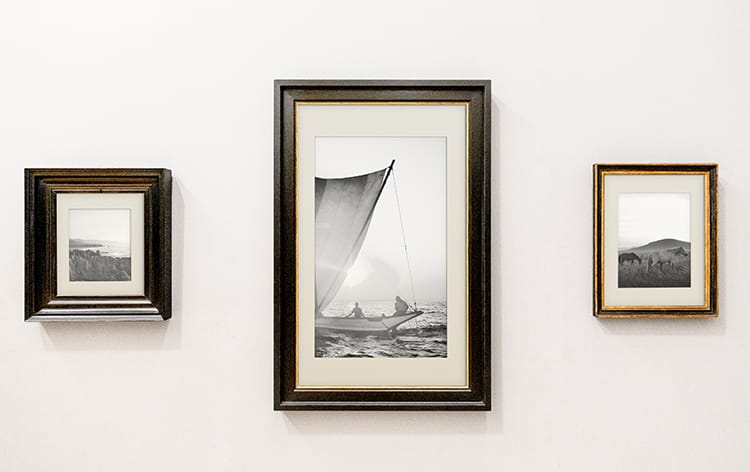
When framing artwork, one is usually faced with the choice: acrylic or glass? Image source: rawpixel.com, via Freepik
The choice between glass and acrylic frames depends on various factors – both aesthetic and practical. Both materials have their advantages and disadvantages that should be taken into account.
Glass panes, for example, are classically beautiful to look at and convey elegance; however, they can be heavier and break more easily.
On the other hand acrylic, also Plexiglas or polycarbonate , is durable, lightweight, and shatterproof – however, it should be noted that this material is somewhat more susceptible to scratches. Its impact resistance, however, usually makes it the ideal choice for areas with high foot traffic or for transporting artworks over long distances.
While glass a higher degree of clarity and fewer reflections , acrylic is distinguished by its shatter resistance and UV protection properties .
In any case, the following should be considered when making a decision :
How can the work be best presented?
Which material offers the best protection?
And which framing option best emphasizes the uniqueness of the work?
Regardless of which material is ultimately chosen – with the right frame , any photo or work of art can be perfectly showcased.
Let's delve into the subject in a little more detail in the following sections!
Advantages and disadvantages of acrylic
Acrylic for framing artwork offers a number of advantages that artists and art lovers appreciate. The lightweight nature of acrylic makes it easier to handle and mount, and reduces the risk of accidents during the framing process.
Furthermore, Plexiglas is known for its exceptional clarity, which allows artworks to shine without distortion. Its shatterproof properties provide added safety, especially in high-traffic areas or in households with children and pets.
Acrylic also offers UV protection, protecting your artwork from harmful sunlight that can cause fading over time.
These advantages make acrylic a popular choice for those seeking a modern, elegant look for their framed artwork while ensuring durability and protection.
Advantages at a glance
Acrylic has half the density of glass and is many times more impact-resistant, which significantly facilitates transport without damage and is therefore more cost-effective
It is more transparent because it has no tint, and therefore shows the true colors of a work of art
Its production requires less energy than that of glass, making acrylic a more environmentally friendly option for single-use purchases
Plexiglas does not shatter when it breaks, making it a safer choice than glass
Acrylic is resistant to condensation, thus preventing moisture from damaging the artwork
Disadvantages at a glance
Acrylic can be scratched more easily than glass, but this can be avoided with careful cleaning
Certain acrylic materials are not as easy to recycle as glass.
Plexiglas easily generates static electricity, which is not a problem for most art media. However, pastel colors must be kept at a distance from the acrylic glass.
Polycarbonate can warp under extreme conditions such as sudden changes in heat and humidity.
Advantages and disadvantages of glass
When framing artwork, glass offers a timeless elegance and unparalleled clarity, faithfully reproducing the colors and details of your artwork. Due to its classic appearance, glass is the traditional choice for framing, providing a crisp, clear viewing experience where every brushstroke and detail shines through with precision.
Glass frames are also easy to clean and maintain, so your artwork will remain in pristine condition for years to come.
Furthermore, glass is available in custom sizes and thicknesses, making it a versatile option for any framing project.
Whether you opt for standard clear glass or are interested in options such as UV protectionor anti-reflective coatings , glass frames offer a sophisticated touch that suits a variety of artistic styles.
Advantages at a glance
Glass has a robust surface, making it difficult to scratch and easy to clean
It will not deteriorate over time and will remain stable for hundreds of years
Glass can be easily recycled without loss of quality and is therefore the more environmentally friendly choice
Disadvantages at a glance
It is very fragile and brittle, which makes undamaged transport difficult
Due to its slightly greenish tint, it is less transparent than acrylic
When glass breaks, it shatters, which can damage the framed artwork or, worse, cause injury
Glass is prone to condensation because it is an excellent thermal insulator. Therefore, there is a risk that moisture will damage the artwork in a frame
Clear vs. Anti-reflective – The options for glazing
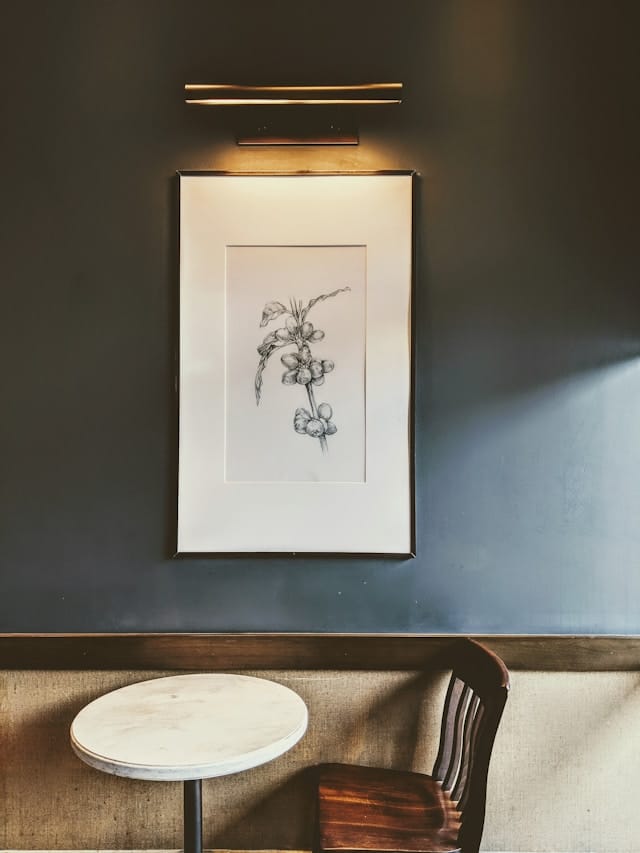
Regarding reflections: When choosing the glazing option, you should also consider the incidence of light at the artwork's location. Image source: graphictwister, via Freepik
In addition to the advantages and disadvantages of acrylic and glass listed above, you must consider the following options for these acrylic and glass frame glazing surfaces :
Clear
Picture frames made of glass and acrylic are both available in a transparent "clear" . This choice is common for most artworks and photographs, especially those with bright colors.
They offer a clear, window-like transparency, allowing all details to stand out directly from the frame. Unfortunately, transparent surfaces also tend to reflect light strongly, making them prone to glare when displayed near direct light sources.
Anti-reflective / Glare-free
Glare-free surfaces, also known as anti-reflective coatings, can prevent glare from sunlight hitting the frame.
The properties of glare-free acrylic for picture frames, in particular, diffuse sunlight and improve the overall visibility of the artwork. However, glare-free surfaces can also make colors appear somewhat dull. This shouldn't pose a problem for black and white artwork or photographs.
UV protection: How do acrylic and glass perform?
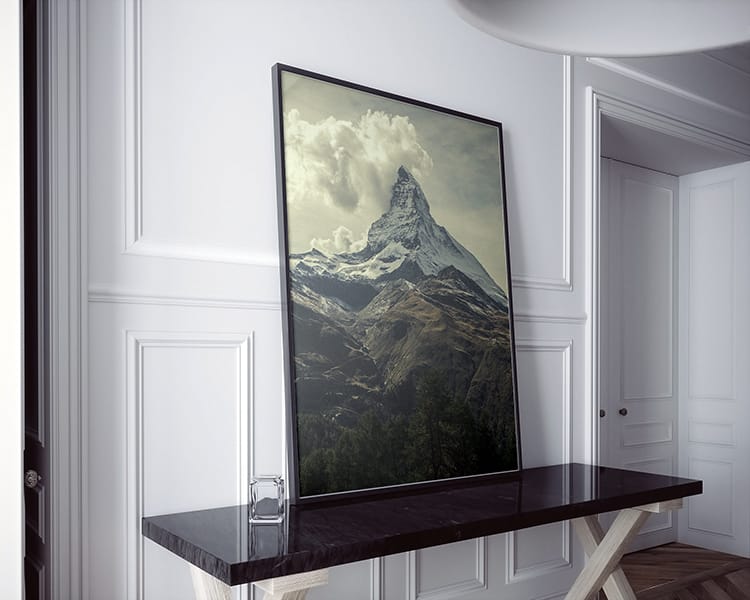
Direct light sources (sunlight or artificial light) can have unwanted effects on paintings and prints. Image source: Darshan Patel @darshanp9, via Unsplash
Besides visibility problems, the sun also poses the danger of ultraviolet (UV) rays, which can damage your valuable prints. Some artificial light sources also contain UV rays. Over time, UV rays can cause irreparable damage to artwork.
Standard glass and plexiglass for picture frames do offer some UV protection, but this is often insufficient – especially if your artwork is displayed in a well-lit gallery or a room with plenty of natural light.
Fortunately, there are UV-protected acrylic and glass frames with coatingsthat offer much better protection. With these UV-protected picture frames, your beautiful photos and posters will last longer. UV-protected acrylic is particularly distinguished by its protective properties, which perfectly complement its strength and durability.
Glass vs. Acrylic – A Direct Comparison
Standard glass
Acrylic glass
presentation
Reflective, possibly tinted
Anti-reflective options are common
Risk factors
Due to its weight, it can be easily damaged; sharp shards can cut the artwork if it breaks. Condensation may form on the surface.
Virtually unbreakable, absolutely shatterproof, falls are no problem due to its light weight. Low probability of condensation forming.
Ease of hanging and transport
Heavy and difficult to move, may require additional support for hanging
Quick and easy to move and transport
Protection & Preservation
Complete protection against dirt, dust, and scratches; UV protection available. Accumulates little electromagnetic charge.
Complete protection against dirt, moderate protection against scratches, UV acrylic available. Carries a higher electromagnetic charge.
Cost
Usually the cheaper option (although shipping is more expensive)
Slightly more expensive (although shipping is cheaper)
PETG – Thermoplastic polymer as a third alternative
PETG plastic is somewhat less well-known than acrylic or plexiglass in connection with picture frames and the glazing of artworks. However, it boasts a number of interesting properties that could make it a good alternative to glass and acrylic.
What is PETG?
Polyethylene terephthalate (PET for short) is a versatile thermoplastic that most of us know in the form of PET bottles. PETG, on the other hand, is a further development of PET in which glycol is added. This modification provides impressive transparency and low viscosity, PETG a particularly high-quality and practical material.
The specific properties of PET-G plates
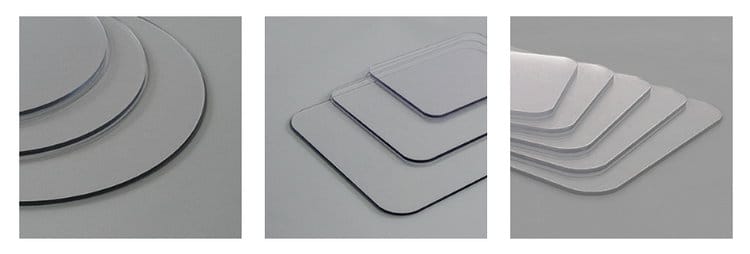
PET-G sheets; Source: PasticExpress
This type of plastic glass is characterized by high transparency (90% at 3 mm thickness), while being half the weight compared to conventional glass and having 25 times the load-bearing capacity.
It is extremely impact-resistant, has excellent insulating properties and is robust and flame-retardant – in accordance with fire protection class B, s1, d0 according to DIN EN 13501.
It is highly elastic and has a protective film on both sides, is easy to clean and resistant to most common chemicals.
Unfortunately, it lacks UV stabilization and can therefore yellow from sun exposure, making it more suitable for indoor use without direct sunlight.
Factors to consider when making a selection
When choosing a material for a picture frame project, in addition to the aforementioned advantages and disadvantages, various individual aspects must also be considered. Only then can you make the right choice for your specific situation.
Planned exhibition venue
The location where the framed object is displayed can influence the choice of glazing material. For example, robust materials such as acrylic can be advantageous if the objects are displayed in high-traffic or impact-prone areas.
On the other hand, glass may be better suited for objects that are presented in controlled, low-traffic environments due to its excellent clarity and durability.
Size of the framed object
The size of the image plays a role in the choice of material. Image source: benzoix, via Freepik
The dimensions and shape of the framed object can influence the choice of different glazing materials. For example, materials such as acrylic may be necessary for larger objects for safety reasons, while glass may be more suitable for smaller objects, as the added weight enhances the perceived quality.
In fact, buying large frames is often difficult, which is why we have created a helpful guide.
budget
The price of different glazing materials can play a role. Glass is generally more expensive than acrylic, but in some cases it offers greater overall value.
It is crucial to consider the initial and long-term costs of each material in relation to the project budget. Further information on framing costs and potential savings can be found here (in English).
Environmental impacts
Polycarbonate is a versatile material that proves particularly advantageous in recycling. In contrast, the production and transport of acrylic requires more energy compared to glass. Glass, on the other hand, can be recycled repeatedly as long as it is not anti-reflective.
Although glass production is more energy-intensive, it offers the advantage of unlimited recyclability. Ultimately, the decision between acrylic and glass should consider the environmental impact and long-term sustainability.
Further considerations
Other aspects that can influence the choice of glass material include the design or appearance of the frame, the variety of available materials, and the customer's individual requirements or preferences regarding the frame.
Owner and Managing Director of Kunstplaza . Publicist, editor, and passionate blogger in the fields of art, design, and creativity since 2011. Graduated with a degree in web design from university (2008). Further developed creative techniques through courses in freehand drawing, expressive painting, and theatre/acting. Profound knowledge of the art market gained through years of journalistic research and numerous collaborations with key players and institutions in the arts and culture sector.
Category for interior architecture, interior design, room design, home design, commercial furnishing, product and material innovation.
Here you'll find everything an interior designer's heart desires. We present the latest trends and developments in the world of home design, as well as innovative products and materials for creating unique spaces.
Our goal is to provide our readers with inspiration and help them creatively redesign or completely transform their living spaces.
We place great importance on ensuring that our articles are not only esthetically pleasing but also include practical tips.
We also introduce you to successful interior designers – from newcomers to the most well-known names in the industry – so you can be inspired by their projects and get to know their working methods.
Whether it's about making the most of a small space or furnishing your home with new furniture in the trendy industrial style: With us, you will find all the information you need on the topic of interior design!
We use technologies such as cookies to store and/or access device information. We do this to improve your browsing experience and to display (non-)personalized advertising. If you consent to these technologies, we can process data such as browsing behavior or unique IDs on this website. Refusal or withdrawal of consent may adversely affect certain features and functions.
Functional
Always Active
Technical storage or access is strictly necessary for the legitimate purpose of enabling the use of a specific service expressly requested by the subscriber or user, or for the sole purpose of carrying out the transmission of a message over an electronic communications network.
Preferences
The technical storage or access is necessary for the legitimate purpose of storing preferences that were not requested by the subscriber or user.
statistics
Technical storage or access that is solely for statistical purposes.Technical storage or access that is used solely for anonymous statistical purposes. Without a subpoena, the voluntary consent of your internet service provider, or additional recording by third parties, the information stored or retrieved for this purpose cannot generally be used to identify you.
marketing
Technical storage or access is required to create user profiles, to send advertising, or to track the user on one or more websites for similar marketing purposes.








 J-Line woven cotton plaid with tassels, cream (130 x 180 cm)
59,90 €
J-Line woven cotton plaid with tassels, cream (130 x 180 cm)
59,90 €