Landscape images in photography
painting has existed as a genre for a very long time. Where does the word "landscape" even come from?
in the 12th century . Originally, the word referred to the entire population of a country. Only in the late Middle Ages did the term "Landscape" acquire a geographical meaning.
Landscapes played a minor role in painting for a long time. There were a few exceptions among the Greeks and Romans. Landscapes were depicted in frescoes and stage paintings in theaters. It wasn't until the Renaissance that landscapes became a more intensive subject of painting, initially only as background elements in scenes with people.
However, landscapes were painted as studies by artists even in earlier times. These studies served as models for later paintings, where landscapes or plants were integrated into the composition, mostly as incidental elements. It took a few more centuries before painters emerged who placed the landscape in the foreground.
In the 16th century, interest in observing nature increased. This led to a rise in the number of nature studies. Why more frequent? Albrecht Dürer and other painters also created nature studies. However, these were usually not commissioned works. They served as the basis for commissioned paintings. These studies were a kind of template for details in commissioned works.
Nicolas Poussin and Claude Lorrain are considered the two painters who were the first to foreground the landscape. People and animals were relegated to mere background. Protestantism in the Netherlands also had a further influence on landscape painting.
As a result, the painters' guild suddenly lost its patronage from the Church. The painters had to find new clients. Wealthy citizens became their new clientele. These people wanted to commission portraits or landscapes as paintings.20
In the 18th and 19th centuries, landscape painting received new impetus through new painting techniques. Some of the most influential landscape painters were William Turner , Caspar David Friedrich, Delacroix , and Cézanne . Alongside realistic painting, more creative and abstract styles emerged.
Show
table of contents
The invention of photography
in the 20th century . Whether photography is a continuation of painting or merely another form of visual expression using a different technique is a matter for art experts to decide. Herman Krone is considered a pioneer of landscape photography . In 1853, he took the first landscape photographs of the Elbe Sandstone Mountains. Other photographers followed, also exploring landscapes in photography.
In the 20th century, Ansel Adams another great landscape photographer. He perfected black and white photography with his Zone System. He divided an image into 10 tonal gradations from white to black. His photographs were intended to fully encompass these tonal gradations. He achieved this through the targeted use of appropriate filters in combination with a customized film development process.
The crowning touch was the meticulous processing of a paper print in a photo lab on high-quality baryta paper. Today, when fine art photography is discussed, it is synonymous with the photographic philosophy of Ansel Adams.
Even today, many landscape photographers cite Ansel Adams and his style of landscape photography as a role model. The advent of color film revolutionized film technology. Digital photography has also changed many processes.
The subject, the landscape, has remained. Many landscape photographers, like Ansel Adams, want to reproduce as many details of a landscape as possible. They want to show the viewer a wide tonal range.
To depict a realistic landscape in a photograph – is that art? Personally, I see it as a naturalistic representation. There are certainly creative techniques in photography. Whether these qualify as art is ultimately decided by the experts. But even in naturalistic landscape photography, creative techniques are employed.
To make water appear flowing, long exposure times are usually used. Waterfalls are often depicted this way. Long exposure times are also used to make a lake or the sea appear smooth.
How are great landscape photos created in today's photography?
It all starts with planning. Most great landscape photos and images aren't the result of chance. They're the product of precise planning and execution. In the internet age, you can use tools like Google Earth or other databases to help you identify potential subjects and shooting locations. However, the final touches are usually done on location.
Most landscape photographers therefore visit the shooting location one or more times beforehand. They analyze different perspectives and compositions. An app can be used to check sunrise or sunset times. When is the blue hour? When is the Milky Way in the right position?
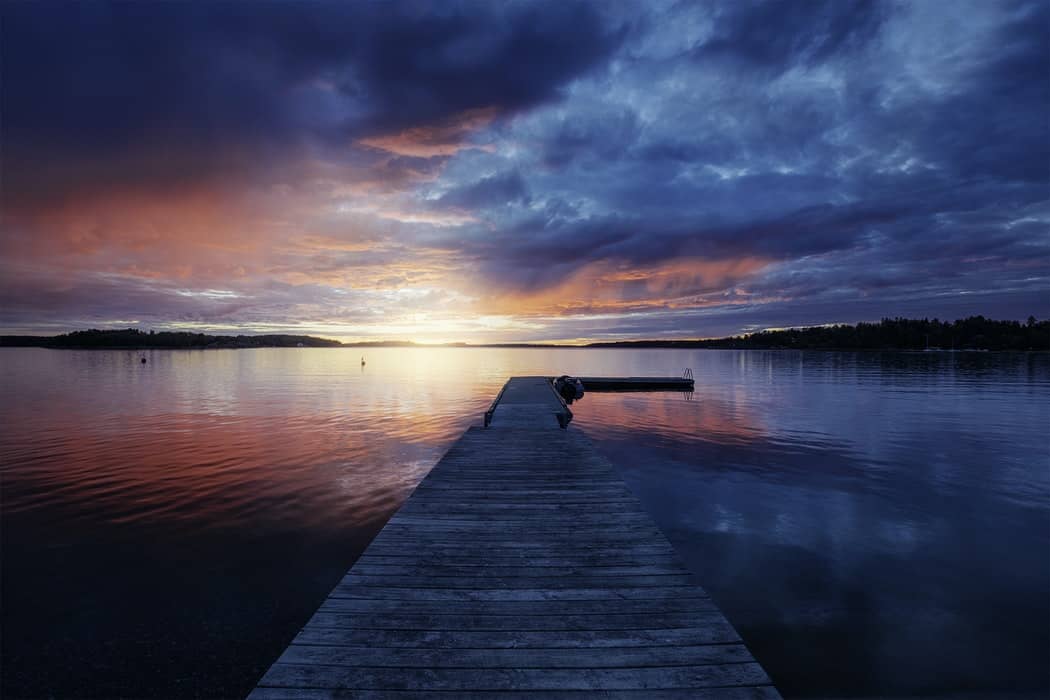
Photo by Anders Jildén, via Unsplash
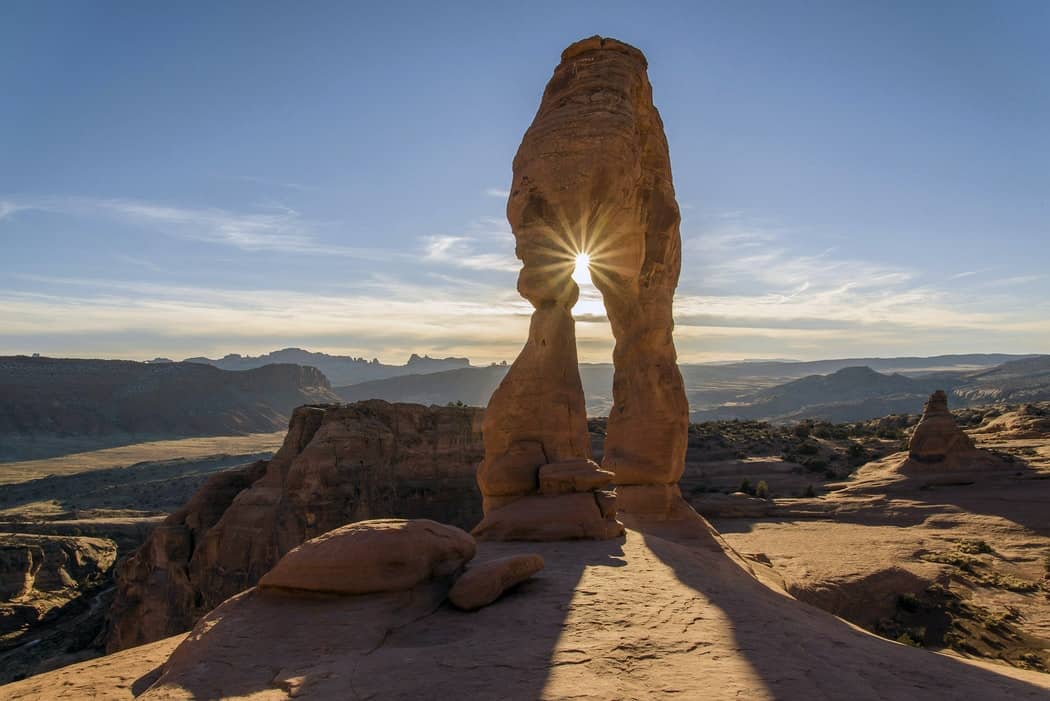
@peterlaster, via Unsplash
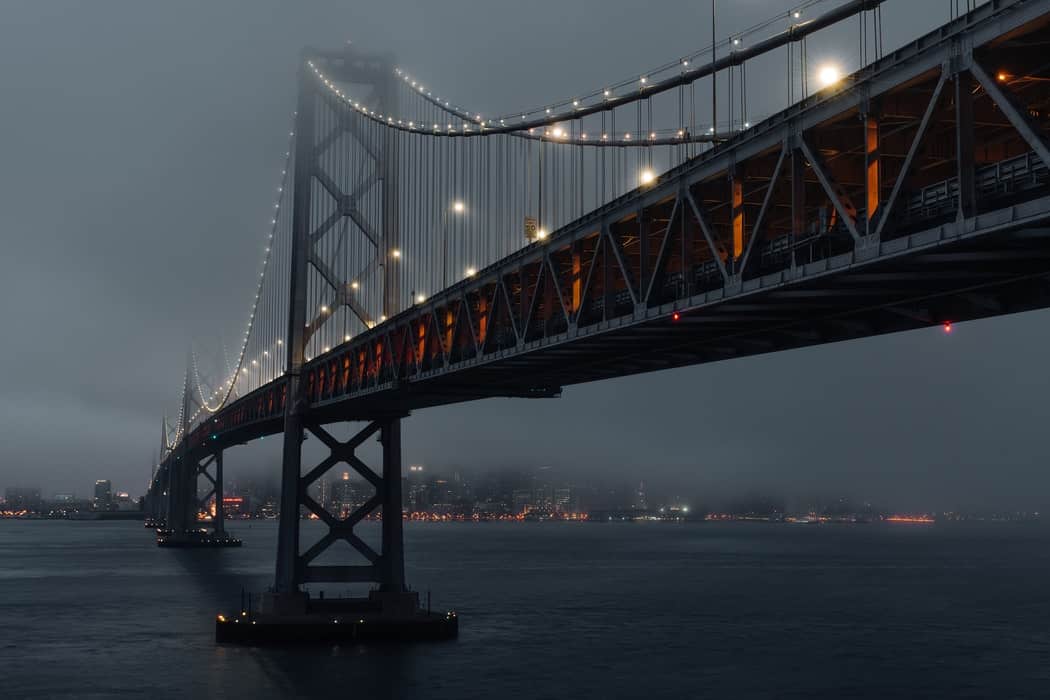
Photo by Cedric Letsch, via Unsplash
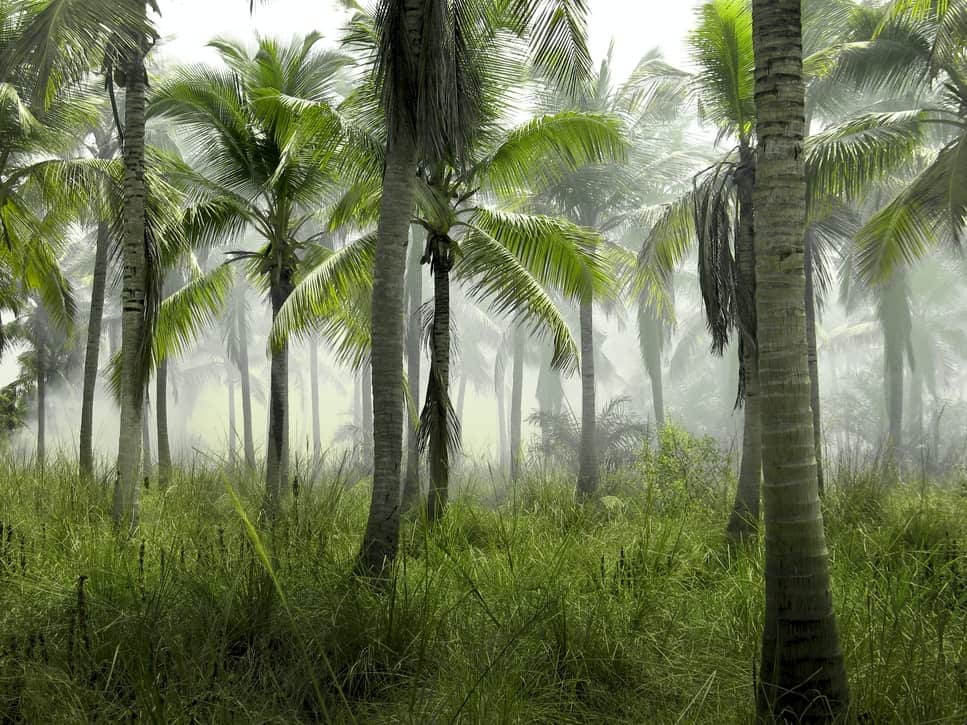
@eiskonen, via Unsplash
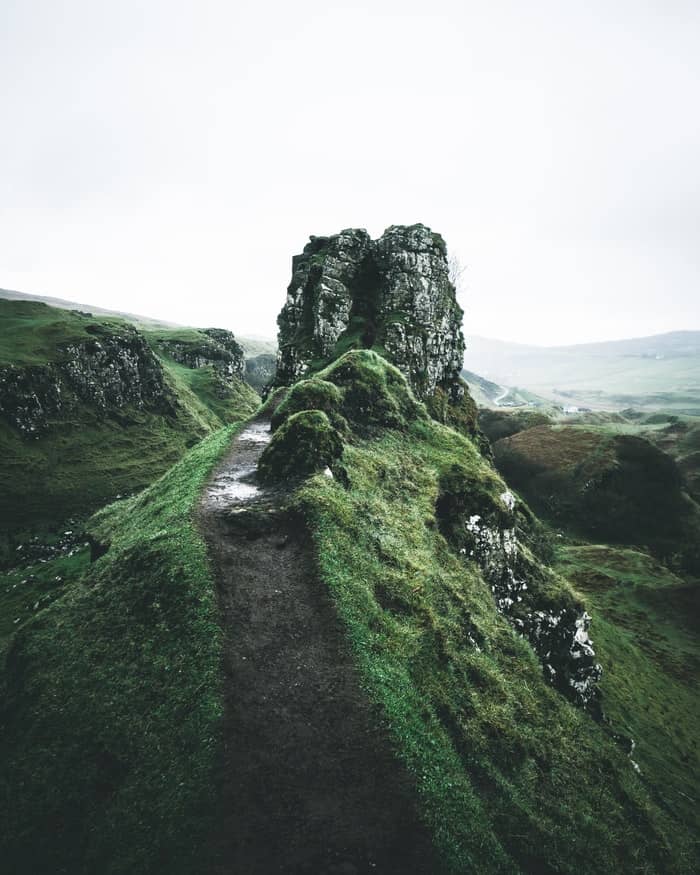
Photo by Malte Schmidt @malteesimo, via Unsplash
With most apps, you can save the image as a project. When the time is right, check the weather forecast. The Milky Way will only be visible under a cloudless sky. If there's cloud cover, you can forget about this photo trip.
Once the shooting location has been chosen and the weather is suitable, you can begin. Weather plays the most important role in classic landscape photography. With today's weather apps, you can usually predict the weather very accurately for the next 24 hours.
However, there's no app that can predict what sunrise or sunset will look like. It's purely a matter of chance. With some experience, you might develop a slight sense of it. But most of the time, things turn out differently than you expected.
What photographic techniques do landscape photographers use?
Most landscape photographers want to capture a landscape with great detail. This requires a camera and lenses with high resolution. These are usually cameras with a larger sensor – full-frame or medium format. 40, 50, or 100 megapixels are considered ideal by fine art landscape photographers.
Nevertheless, even smaller camera systems can be used to take excellent landscape photographs. The high resolutions meet the highest demands in the field of fine art photography.
The ingredients for a photo equipment :
- Full-frame camera or medium format camera
- Camera preferably with live view
- Camera with remote release capability
- High-resolution wide-angle lens
- Stable tripod and tripod head
- Remote shutter release for the camera
- Neutral density filter, graduated ND filter, polarizing filter
The brand of camera is irrelevant. The photographer alone is responsible for a good or outstanding landscape photograph . This requires expertise in photographic techniques and practical experience to apply what they've learned at the right time. Not all photographers are able to effectively translate theoretical knowledge into practice. Those who can, however, produce magnificent photographs.
A few more tips from the pros
This video is embedded using YouTube's enhanced Privacy mode, which blocks YouTube cookies until you actively click to play the video. By clicking the play button, you consent to YouTube placing cookies on your device, which may also be used to analyze user behavior for market research and marketing purposes. For more information about YouTube's use of cookies, please see Google's Cookie Policy at https://policies.google.com/technologies/types?hl=de.
This video is embedded using YouTube's enhanced Privacy mode, which blocks YouTube cookies until you actively click to play the video. By clicking the play button, you consent to YouTube placing cookies on your device, which may also be used to analyze user behavior for market research and marketing purposes. For more information about YouTube's use of cookies, please see Google's Cookie Policy at https://policies.google.com/technologies/types?hl=de.
This video is embedded using YouTube's enhanced Privacy mode, which blocks YouTube cookies until you actively click to play the video. By clicking the play button, you consent to YouTube placing cookies on your device, which may also be used to analyze user behavior for market research and marketing purposes. For more information about YouTube's use of cookies, please see Google's Cookie Policy at https://policies.google.com/technologies/types?hl=de.
This video is embedded using YouTube's enhanced Privacy mode, which blocks YouTube cookies until you actively click to play the video. By clicking the play button, you consent to YouTube placing cookies on your device, which may also be used to analyze user behavior for market research and marketing purposes. For more information about YouTube's use of cookies, please see Google's Cookie Policy at https://policies.google.com/technologies/types?hl=de.
Great landscape photographers
Today, hardly any photographer can make a living solely from landscape photography. Most landscape photographers also photograph other subjects. Perhaps there are only a few photographers who can actually live off landscape photography? I will mention a few here whose landscape photographs I personally find very appealing.
Brazilian photographer Sebastião Salgado has created a stunning collection of black and white photographs of the Earth in his book GENESIS . A photographic monument intended to showcase the beauty of our planet, he spent over ten years traveling the world, photographing both people and natural wonders. This remarkable photographic project was made possible thanks to the generous support of numerous sponsors.
The American photographer Art Wolfe me with his photo book EDEN . In it, he showcases animals and landscapes from around the world. As a nature photographer, his subjects are animals and landscapes. He has also published other fantastic photo books.
British photographer Michael Kenna is probably one of the few who specialize in landscape photography and can apparently make a living from it. His photo book FORMS OF JAPAN is a masterpiece of black and white photography. The images are stunning and meditative, mostly reduced to their essential elements. Magnificent landscapes.
There are certainly many other great landscape photographers. The ones mentioned are those whose work has left a lasting impression on me. Whether a landscape photograph is art or just photography? That doesn't matter to me. I judge a landscape photograph by whether I like it or not.
Owner and Managing Director of Kunstplaza . Publicist, editor, and passionate blogger in the fields of art, design, and creativity since 2011. Graduated with a degree in web design from university (2008). Further developed creative techniques through courses in freehand drawing, expressive painting, and theatre/acting. Profound knowledge of the art market gained through years of journalistic research and numerous collaborations with key players and institutions in the arts and culture sector.
You might also be interested in:
 Art Periods And Movements – Introduction to the Art History of Style Periods and Their Characteristics
 Impressionism in the Fine Arts: Characteristics, Artists, Famous Paintings
 Baroque Period – Style Characteristics, Artists and Important Works
 Marine Painting and Nautical Art – World-Famous Seascapes
 Minimalist Photography: The Visual Power of Simplicity
Featured Art
Design and Decor Highlights
-
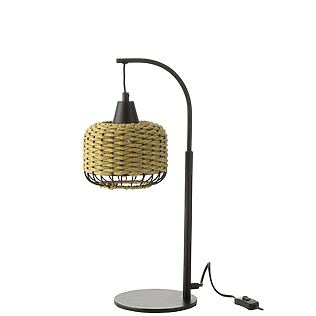
 J-Line Stylish table lamp in lantern design with rattan lampshade (green)
69,00 €
J-Line Stylish table lamp in lantern design with rattan lampshade (green)
69,00 €
VAT included.
Delivery time: 2-4 working days
-
Gemstone earrings with moonstone, 925 sterling silver jewelry
45,90 €
VAT included.
Delivery time: 4-8 working days
-
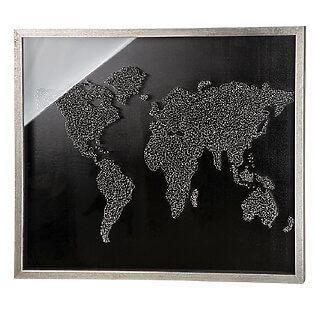
Luxurious 3D wall art "World" made of MDF + resin behind glass, handcrafted
395,00 €
VAT included.
Delivery time: 4-8 working days
-
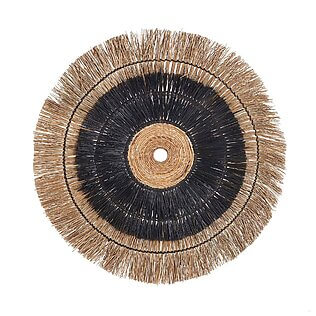
Exotic wall decoration "Amazonia" made from natural palm leaves
374,95 €
VAT included.
Delivery time: 2-4 working days
-
Dining chair "Harbo" with PU leather seat (blue, velvet) – set of 2
285,00 €
VAT included.
Delivery time: 4-8 working days
-
J-Line Small Frida Kahlo Bust in Polyresin
79,00 €
VAT included.
Delivery time: 2-4 working days
-
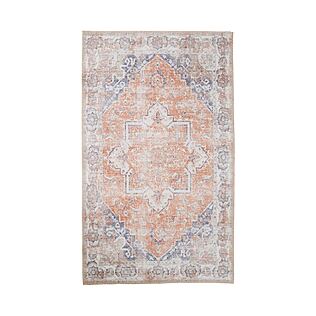
Vintage "Havana" rug made of chenille polyester, beige/blue/orange, 160 x 230 cm
145,00 €
VAT included.
Delivery time: 3-5 working days