Art in the Metaverse is no longer just a wild thought experiment, but a reality, and in the long run, perhaps the replacement of traditional museums and art exhibitions . This text explains what the Metaverse is and how art is exhibited within it.
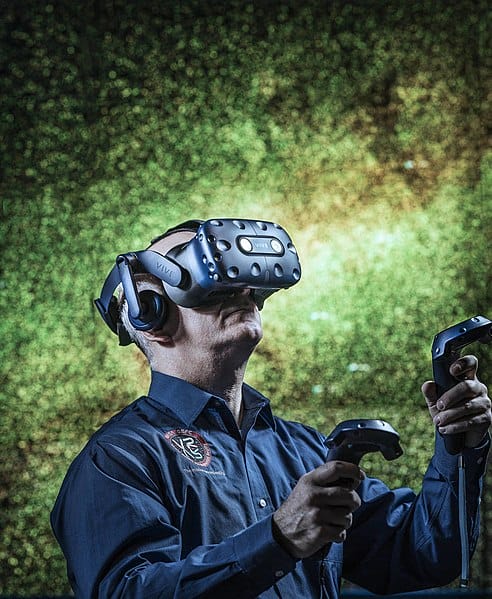
Art in the Metaverse NASA Goddard Photo and Video, CC BY 2.0, via Wikimedia Commons
The Metaverse has become a hotly debated topic again since Mark Zuckerberg renamed his Facebook company Meta at the end of 2021 and announced his intention to invest heavily in his vision of the Metaverse. However, the idea behind it didn't originate with Zuckerberg himself, but was already explored in the science fiction novel " Snow Crash " and implemented some time ago with Second Life.
However, without lasting success. Mark Zuckerberg, on the other hand, sees great potential in the metaverse, which could revolutionize the internet as we know it once again.
"Metaverse isn't a thing a company builds. It's the next chapter of the internet overall." – Mark Zuckerberg
The Metaverse is a virtual space that can be entered using augmented or virtual reality glasses. Within this virtual space, or virtual world, you control your own character, which you can customize as you wish.
In short, one leads a second life there, one that is supposed to offer the same opportunities as the real world. Accordingly, one also has the opportunity to meet friends, to work, and also to create works of art.
Possibilities to exhibit art in the Metaverse
The possibilities for exhibiting and creating art in the Metaverse are very diverse. Artists can create paintings and sculptures and offer them for sale or exhibit them at specific venues. However, these are not the only ways for artists to showcase their art or express their creativity.
In addition to virtual galleries, museums, or exhibitions, artists can also create so-called interactive artworks that offer the public a completely new experience. These provide the artist with the opportunity to connect with their audience. An example of such an interactive artwork could be a virtual environment that visitors can immerse themselves in and explore. Because the viewer is not just a passive observer but can actively participate in the artwork, the art has a more positive impact on the audience's experience.
The project “The World's First Digital Art Museum” by teamLab is a museum consisting of several rooms. Visitors can experience how the artworks react to their movements and change in real time. Museums like the one mentioned above in Tokyo could become very popular in the metaverse and make art even more accessible worldwide.
Besides these art forms, NFTs regain importance, as they are considered art objects in the digital world. NFTs don't have to be just pictures that one hangs in one's home in the metaverse; they can also be clothing with which one personalizes their avatar.
However, artists must be careful not to infringe on protected trademark rights. For example, the artist Mason Rothschild was sued for selling Hermès' iconic Birkin bags in the Metaverse without the French company's permission.
Challenges for Art in the Metaverse
Besides complying with valid trademark law, there are other rules to follow and challenges to overcome. One of the biggest challenges is that it can be difficult to reach a broad audience for the artwork, as the Metaverse is still relatively new and therefore offers a limited audience.
Furthermore, ensuring the authenticity of artwork in the Metaverse and preventing forgeries can be difficult. The technical aspect can also pose a challenge, as creating artwork in the Metaverse often requires complex 3D modeling and programming. Another issue is copyright compliance and the rights to the works. Since the Metaverse is a digital world where everything is copyable, ensuring that artists are fairly compensated for their work and that their copyrights are protected can be difficult.
Finally, there is also an ethical challenge in creating art in the metaverse, particularly regarding the representation of identities, gender, and culture. It is important to ensure that the artworksare respectful to the viewer and do not promote prejudice or discrimination.
Successful art projects in the Metaverse
The idea of exhibiting art in the metaverse has already been implemented by various exhibitions in their own virtual worlds. Examples of art projects in the metaverse include:
The Virtual Dream Center: A virtual exhibition hall showcasing digital artworks. It offers a unique opportunity to experience the artworks in an interactive and immersive way.
The CryptoVoxels Art Gallery: A virtual art gallery based on the Ethereum blockchain. This allows artists to exhibit and sell their works in a digital environment.
Somnium Space Art District: This project is a virtual art district where artists can exhibit and sell their work. It offers an interactive environment where visitors can explore the artworks and interact with the artists.
The Museum of Other Realities: A virtual museum offering immersive and interactive exhibitions of digital art and virtual reality experiences.
Art Blocks: Art Blocks is a platform that allows artists to create and sell algorithmically generated artworks. The artworks are unique and are generated by an algorithm based on the artist's input.
Discussion of the potential of art in the metaverse
In a world where the physical presence of artworks is limited, the Metaverse offers an unlimited digital world for artists and art lovers. The interactive possibilities offered by the Metaverse allow viewers to actively engage with the artworks and thus experience art on a completely new level.
The technology allows artists to create and present their work in a new way that would simply be impossible physically. The potential for art in the metaverse is enormous, but it depends on the success of the metaverse itself. Depending on whether the metaverse can establish itself in the long term and is accepted and used by the majority of society, art in the metaverse will play a major role.
However, the challenges facing art in the metaverse are also significant. A key aspect is the question of digital authenticity and the security of the artworks. Nevertheless, art in the metaverse can undoubtedly play a major role in the art world in the coming years and usher in a new era of artistic creativity and interaction, provided the metaverse prevails.
Klim Fichtner is an e-commerce student at THWS and is completing his practical semester at the internet agency Webfeinschliff. Luxussachen.kaufen is a project of the internet agency Webfeinschliff.
We use technologies such as cookies to store and/or access device information. We do this to improve your browsing experience and to display (non-)personalized advertising. If you consent to these technologies, we can process data such as browsing behavior or unique IDs on this website. Refusal or withdrawal of consent may adversely affect certain features and functions.
Functional
Always Active
Technical storage or access is strictly necessary for the legitimate purpose of enabling the use of a specific service expressly requested by the subscriber or user, or for the sole purpose of carrying out the transmission of a message over an electronic communications network.
Preferences
The technical storage or access is necessary for the legitimate purpose of storing preferences that were not requested by the subscriber or user.
statistics
Technical storage or access that is solely for statistical purposes.Technical storage or access that is used solely for anonymous statistical purposes. Without a subpoena, the voluntary consent of your internet service provider, or additional recording by third parties, the information stored or retrieved for this purpose cannot generally be used to identify you.
marketing
Technical storage or access is required to create user profiles, to send advertising, or to track the user on one or more websites for similar marketing purposes.










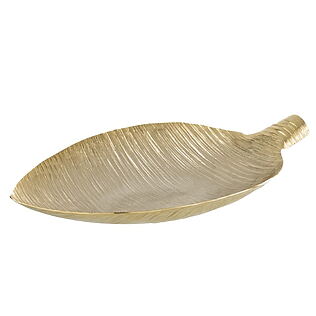
 J-Line set of 2 leaf-shaped decorative bowls "Scale", aluminum (gold-colored)
49,90 €
J-Line set of 2 leaf-shaped decorative bowls "Scale", aluminum (gold-colored)
49,90 €