


• Art Magazine
    • Art Magazine > Home
    • Architecture
    • Sculpture
    • Design
    • Digital Art
    • Fashion Design
    • Photography
    • Freelancing
    • Garden Design
    • Graphic Design
    • Handmade
    • Interior Design
    • AI Art
    • Creativity
    • Art Marketing
    • Art Periods And Movements
    • Art History
    • Art Trade
    • Artists
    • Art Market Knowledge
    • Art Scene
    • Artworks
    • Painting
    • Music
    • News
    • Product Design
    • Street Art / Urban Art
    • Tips for Artists
    • Trends
    • Living from art
  • Online Gallery
    • Online Gallery > Home
    • Categories
      • Abstract Art Paintings
      • Acrylic Paintings
      • Oil Paintings
      • Sculptures & Statues
        • Garden Sculptures
      • Street-Art, Graffiti & Urban Art, Urban Art
      • Nude Art / Erotic Art
    • Post new artwork
    • Browse art
    • Search for artwork
  • Design & Decor Shop
    • Shop > Home
    • Wall decoration
    • Canvas art
    • Metal Art
    • Sculptures
    • Furniture
    • Lighting
    • Textile wall hangings
    • Mirrors
    • Home Textiles
    • Home accessories
    • Watches
    • Jewelry
    • Outlet / Sale
  • My Account
    • Customer area
    • For artists
      • Login
      • Register
Product was added to your cart.

The nude woman in art history – A look at female nude painting over the centuries (Part 1)

Joachim Rodriguez y Romero
Tue, September 2, 2025, 1:29 p.m. CEST

Read new posts? Follow Kunstplaza Magazine on Google News.

The depiction of the human body has been a central theme in art history since time immemorial. Indeed, a significant portion of the paintings that have influenced history are nudes, more precisely, portraits of unclothed women. The naked woman has always held a fascination for artists and viewers alike.

To illustrate this, we can look at Botticelli's "The Birth of Venus ," Modigliani's "Reclining Nude," or "The Origin of the World ." The genre of nude painting has offered a wide variety of subjects throughout the centuries. Among the most famous artists who have devoted themselves extensively to the depiction of the unclothed female form are Henri Matisse , Jean-Auguste-Dominique Ingres, Paul Cézanne, Édouard Manet , René Magritte , Peter Paul Rubens, and Egon Schiele .

The female body is an extraordinary source of inspiration for artists, as it simultaneously embodies the forbidden, dreams, desire, and beauty. Nude paintings frequently spark controversy in the art world and not infrequently culminate in scandals.

The history of female nudity in art is unique, as different communities and cultures have adopted representations of the naked human body to varying degrees over centuries and millennia.

Indeed, the nude body in art always reflects the social standards of different eras and places. Nude painting from various periods, movements, and regions invariably references the way things were depicted that were inextricably linked to the respective conceptions of morality and decency.

Although nudity is often associated with scandalous sexuality

Show table of contents
1 The female nude – in the tension between high art and vulgarity
2 Prehistory and Early History: The Fertility Act and the “Realistic” Act
3 Ancient Egypt: timeless beauty for life after death
4 Ancient Greece – the human body as an ideal
4.1 The red Kylix of Onesimo
5 Roman Antiquity – Eros sends greetings from Pompeii and Herculaneum
6 Middle Ages – Eve and Sin
6.1 The Temptation of Adam and Eve, by Masolino (c. 1424-1425)
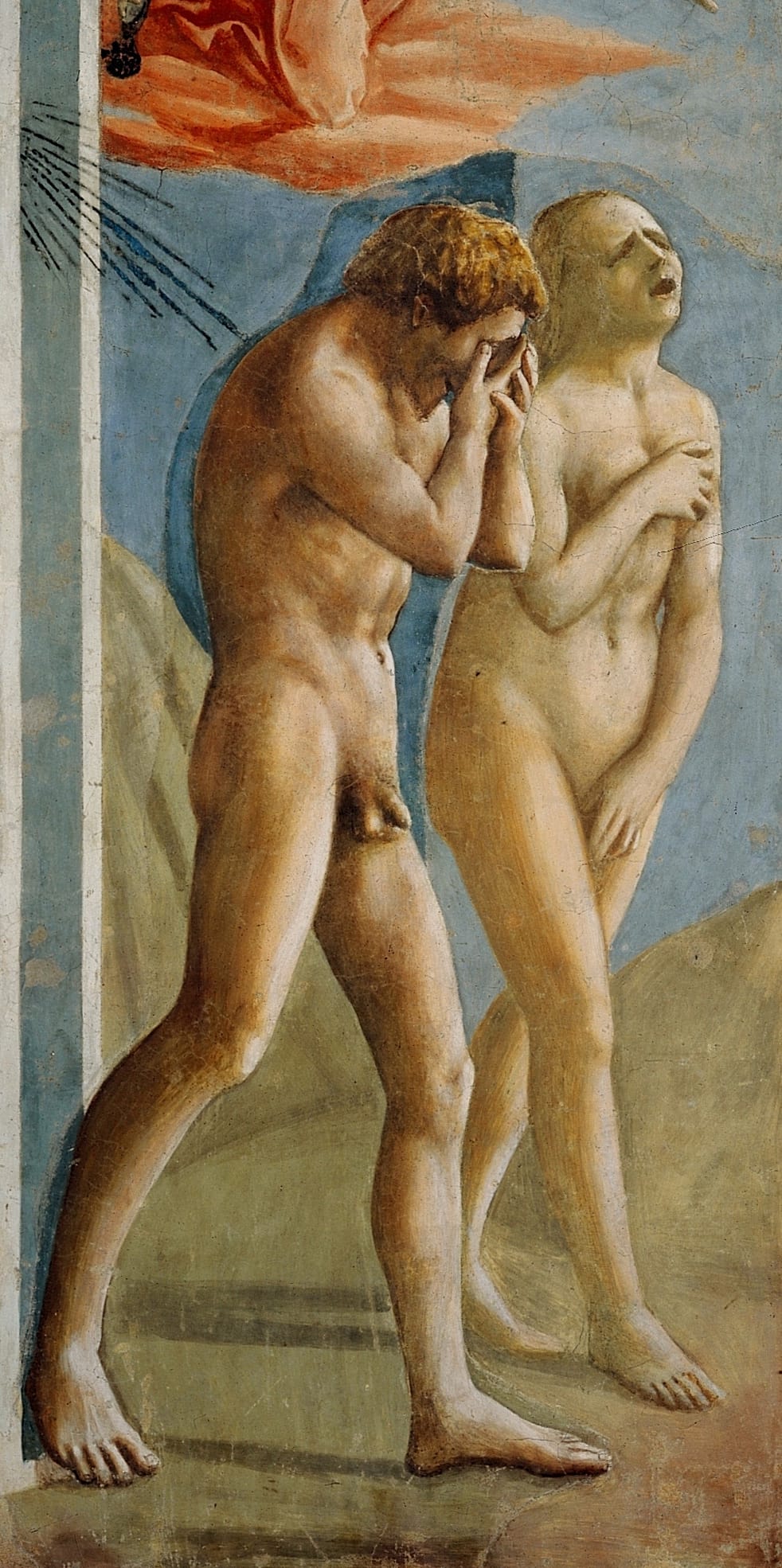
6.2 Expulsion of the Ancestors from Eden, by Masaccio (1424-1425)
7 Sources, expert support and further information (click here to view)
7.1 You might also be interested in:

The female nude – in the tension between high art and vulgarity

Even though the aforementioned works of the female body clearly appear artistic and (from today's perspective) hardly scandalous, we as attentive observers must note a tendency: In most cultures of art history, naked women have rarely been freed from a representation that was primarily associated with sexuality.

This was likely due to their fewer rights than men. Precisely for this reason, it is very likely that the female nude in art was only officially recognized after women had gained greater political rights. This acceptance occurred gradually over time. Therefore, it seems that the history of the representation of the female form has been intertwined with the history of emancipation.

The stages of emancipation were marked, metaphorically speaking, primarily by art from Greece, Italy, and France. It is precisely from this perspective that it becomes clear that the position of the naked woman in art is unique and attempts to establish a lasting balance between art and obscenity.

When a contemporary artist takes the naked female body as their subject, they almost inevitably walk a fine line between artistic and "pornographic" representation . This can be seen as a spectrum with two extremes. And female nudes represent the balancing act somewhere in between.

Prehistory and Early History: The Fertility Act and the “Realistic” Act

There was a strong connection between the worship of fertility deities and the practice of female nudity in Paleolithic art . The earliest depictions of the female human form are known as "Paleolithic Venus figurines ." They are characterized by the pronounced facial features of voluptuous women with wide hips and breasts that point downwards or sag.

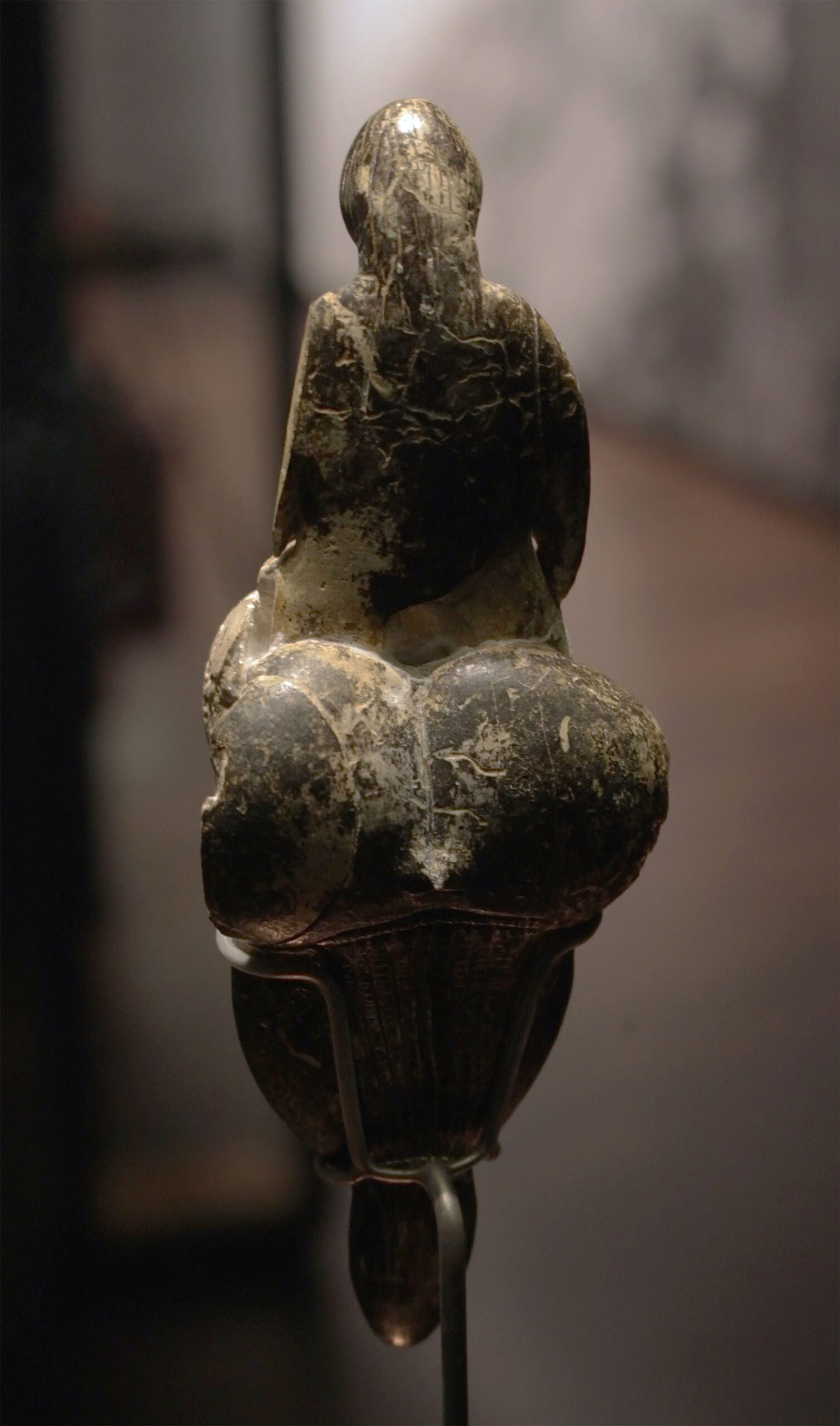
This is evident in the oldest depictions of the female human form. Limestone, ivory, or soapstone are the materials found in most of them, and they date back to the Aurignacian period . Besides the Venus of Willendorf the Venus of Lespugue , the Venus of Savignano , the Venus of Laussel , and the Venus of Doln Vstonice are among the most famous examples.

The Venus of Lespugue immediately catches the eye with her ample buttocks.
The voluptuous buttocks of Venus de Lespugue immediately catch the eye.
Image source: Vassil, CC0, via Wikimedia Commons

Regarding the subject of painting, the nude woman was already depicted in rock paintings in the French-Cantabrian region of northern Spain and in the Mediterranean area. In these works, female figures are portrayed within the context of communal scenes depicting hunting, rituals, or dances. The Tassili n'Ajjer is a good example of how women in this period were characterized by a simple yet strikingly realistic style of representation.

Tassili n'Ajjer (Algeria)
Rock painting on the Tassili n'Ajjer (Algeria)
Image source: Patrick Gruban from Munich, CC BY-SA 2.0, via Wikimedia Commons

In the southeastern corner of Algeria, near the Libyan border, lies a mountain range called Tassili n'Ajjer . Designated a national park, a biosphere reserve, and a UNESCO World Heritage Site, a significant portion of this plateau is protected by all three organizations. It is home to cypress trees and historical monuments.

The Tassili n'Ajjer is famous for its rock paintings, which are between 9,000 and 10,000 years old and mainly depict herds of animals, enormous wild animals such as elephants, giraffes, and crocodiles, as well as people engaged in activities like hunting and dancing. Regarding female nudity, the Tassili was known for its rock art. Viewed in this light, the image of five women with long hair and bare breasts, all possessing incredibly "realistic" physiques for that period, is an interesting observation.

Ancient Egypt: timeless beauty for life after death

A substantial aspect of ancient Egyptian figurative culture is the rarity of depicting women in their later years. Female characters were portrayed as delicate, lovely, and in their prime; therefore, it was hoped that they would assume this image in the afterlife, as art had thus immortalized them.

Egyptian art was not realistic, as this society was very concerned with its image. To immortalize people in their most beautiful and youthful form, there are few photographs of pregnant women or female bodies after childbirth. However, scholars have observed a shift in female-oriented art during the Third Intermediate Period (1075 to 652 BC).

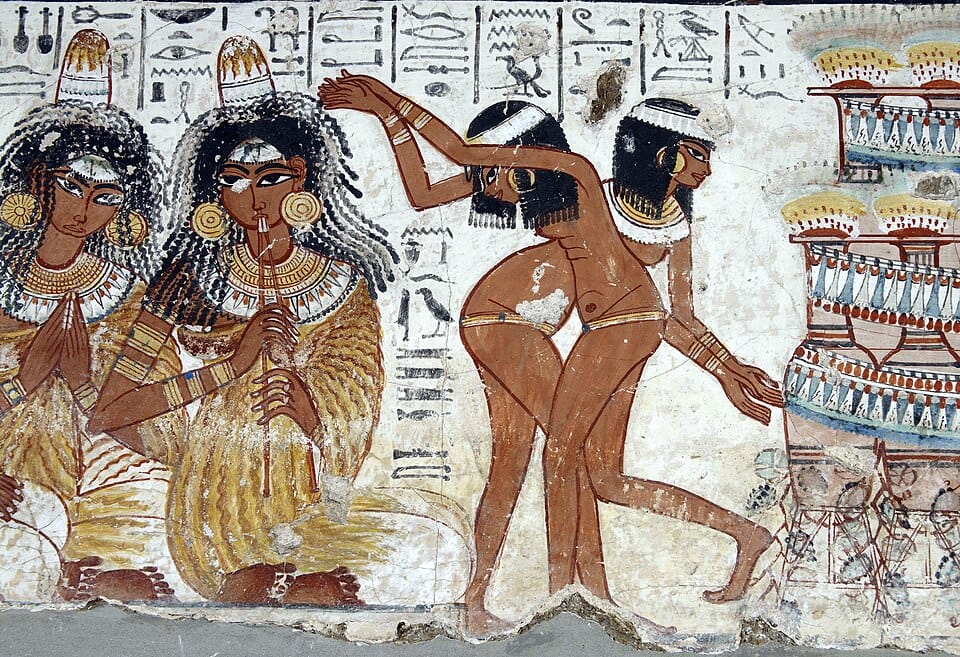
At that time, rounder, plumper bodies with larger, pendulous breasts appeared. Nudity was commonplace, and some social classes and professions, such as fishing and needlework, required the body to be unclothed. A wall painting of nude dancers in a tomb of Nebamun (c. 1350 BC) depicts servants, dancers, acrobats, and prostitutes working unclothed.

Wall painting from a tomb in Thebes
Wall painting from the tomb of Nebamun (Thebes).
Current location: British Museum

The Lost Tomb of Nebamun was an Egyptian tomb from the 18th Dynasty, discovered in the Theban necropolis on the west bank of the Nile, in modern-day Luxor. Famous decorated tomb scenes from this tomb are on display at the British Museum in London. The plastered walls of the tomb are adorned with colorful murals depicting idealized scenes from life and activities of the period. Among its most famous works are hunting scenes and semi-nude banquet dancers.

Ancient Greece – the human body as an ideal

In ancient Greece, the concept of the nude first gained significant relevance in art. At that time, sporting events during religious festivals glorified the human body, particularly the male body, in an unparalleled way. The athletes participating in these competitions competed without clothing, and the Greeks saw in them the embodiment of all that is truly admirable about humanity.

Therefore, it was only natural for the Greeks to equate the male nude with triumph, grandeur, and even moral superiority. These are ideals that seem to be inherent in the beautiful nudes depicted in Greek art.

While depictions of naked athletes were presented as offerings in temples, the representations of gods and heroes of Greek mythology took a form that resembled their athletic appearance. The sentiments prevalent in other ancient cultures, where nudity was often associated with shame and defeat, stand in stark contrast to the Greek veneration of the body.

These embodied a completely different attitude. A well-known example of the prevailing view outside of ancient Greece is the biblical account of Adam and Eve. In this story, the first man and woman acknowledge their nakedness and are humiliated and even punished for it.

Unlike the man, the naked woman has a different genealogical lineage. While the former figure represents an embodiment of the divine essence of procreation, the man has his origins in the idealized human athlete. Numerous depictions of nude women have been used throughout history to represent fertility deities, such as the Near Eastern Ishtar .

Aphrodite also belonged to this group and was depicted as a being who possessed both the ability to give life and was arrogant and seductive. Unlike their contemporaries in the Near East, the Greeks preferred a clothed depiction of Aphrodite for many years.

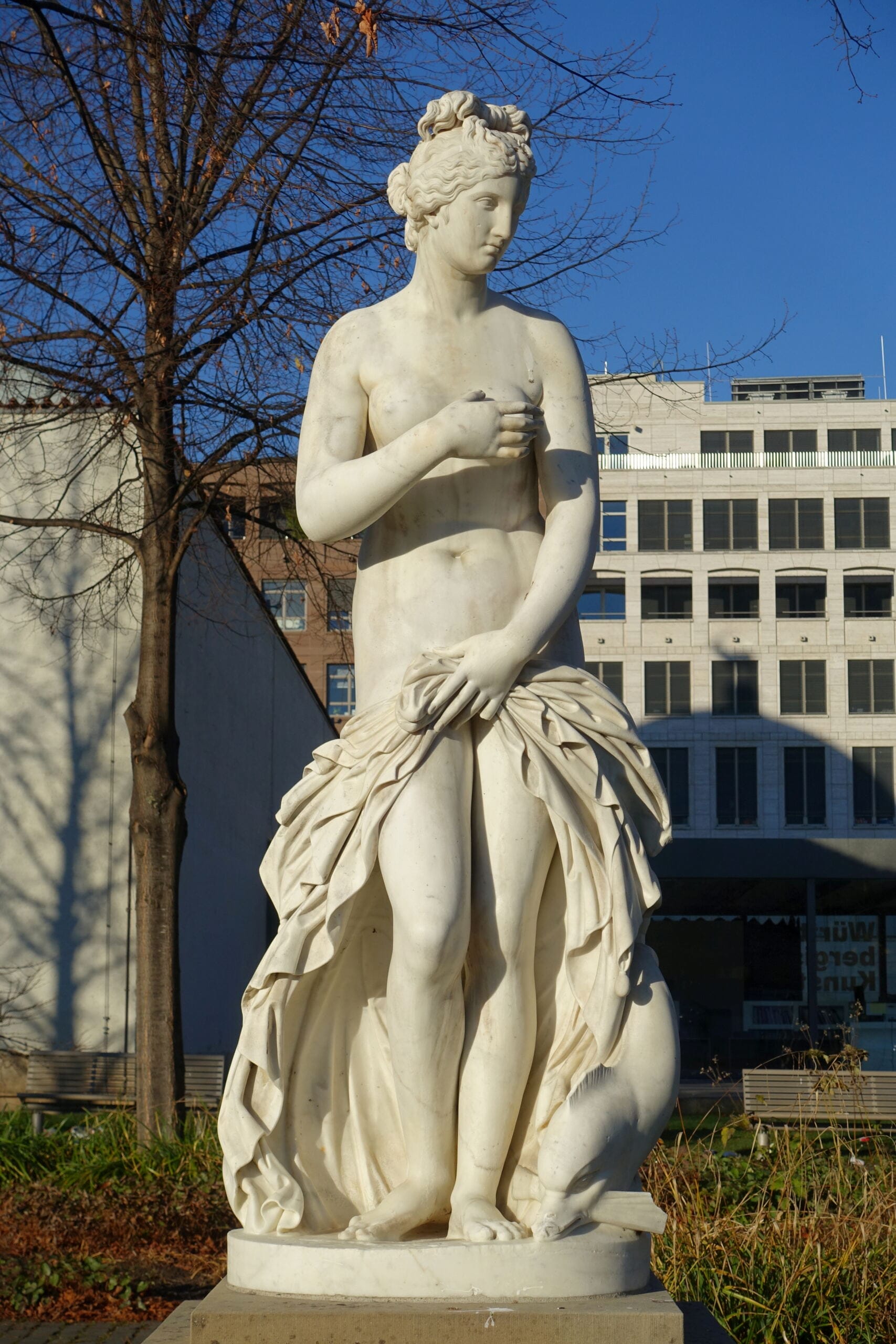
However, around 350 BC, the sculptor Praxiteles a nude version of this goddess, which became known as the Aphrodite of Knidia . This marked the beginning of a new tradition for female nudity in art. The Aphrodite of Knidia, much like the statues of Greek male athletes, featured idealized proportions derived from mathematical ratios.

Venus pudica (Knidian Aphrodite) by Ludwig von Hofer (1801-1887) in the Stuttgart Palace Gardens

Furthermore, her pose, in which she tilted her head to the side and covered her body with one hand, conveyed the impression that the goddess was experiencing something unexpected while bathing. This lent her naked body a narrative and erotic dimension . It is possible that the position of her hands was meant to express a sense of modesty or symbolize a desire to prevent the viewer from gaining too direct a glimpse of her divinity.

Although the statue from Knidos has not survived, its influence is evident in the numerous reproductions and variations created by various artists during the Hellenistic and Roman periods. These depictions of Venus are found not only in temples but also in open-air sanctuaries.

The red Kylix of Onesimo

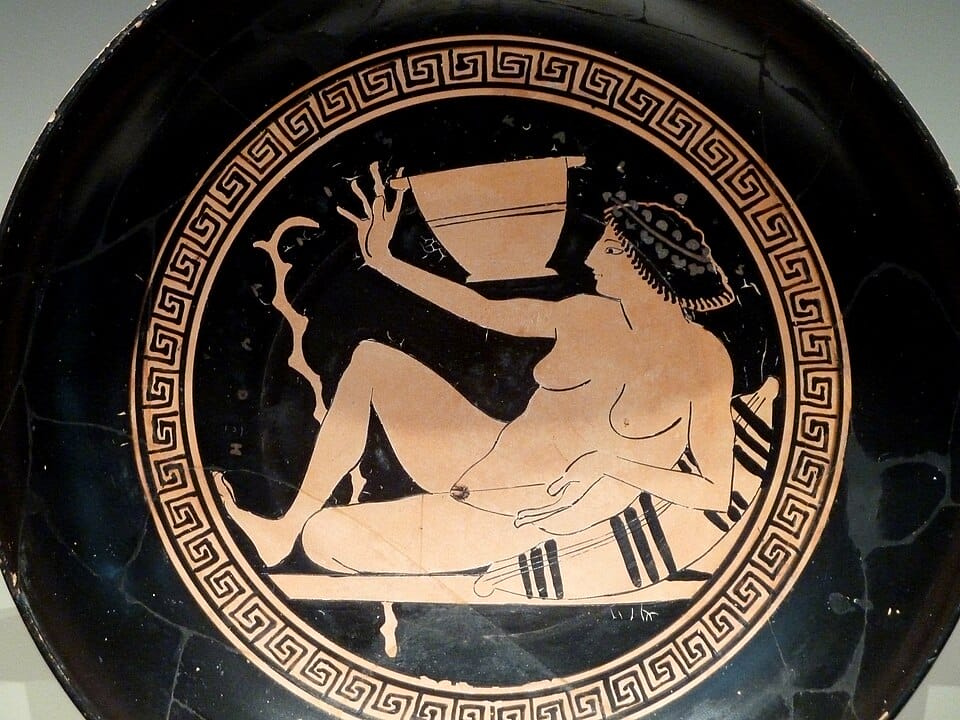
The Attic kylix, attributed to Onesimos (500–480 BC), exemplifies these early approaches to the female nude in painting . This piece depicts a woman lying naked and playing kottabos. Kottabos was a popular activity during the festival of the male symposium. Indeed, the young woman, holding the handle of a deep cup (skyphos) by her index finger, is attempting, in accordance with the custom of the occasion, to toss food scraps from the bottom of the vessel toward a distant target.

Kylix with a woman playing (Greek, Athens, c. 500 BC). A hetaira holds a large cup like a symposiast (celebrant) playing kottabos (a drinking game in which men throw the rest of their wine at a target).
Kylix with a woman playing (Greek, Athens, c. 500 BC). A hetaira holds a large cup like a symposiast (reveler) playing kottabos (a drinking game in which men throw the rest of their wine at a target).
Image source: Dave & Margie Hill / Kleerup, CC BY-SA 2.0, via Wikimedia Commons

In this particular context, however, it must be emphasized that the symposia were indeed reserved exclusively for male participants. Consequently, naked women were usually present to provide entertainment for the male attendees. In fact, the nudity of the aforementioned individuals would have been considered too risqué for the respectable women of Athens; however, it may have been granted to slaves hired as prostitutes, or to "etere," wealthy women who enhanced the evening of male drinking with song, conversation, and the display of sexual beauty.

Roman Antiquity – Eros sends greetings from Pompeii and Herculaneum

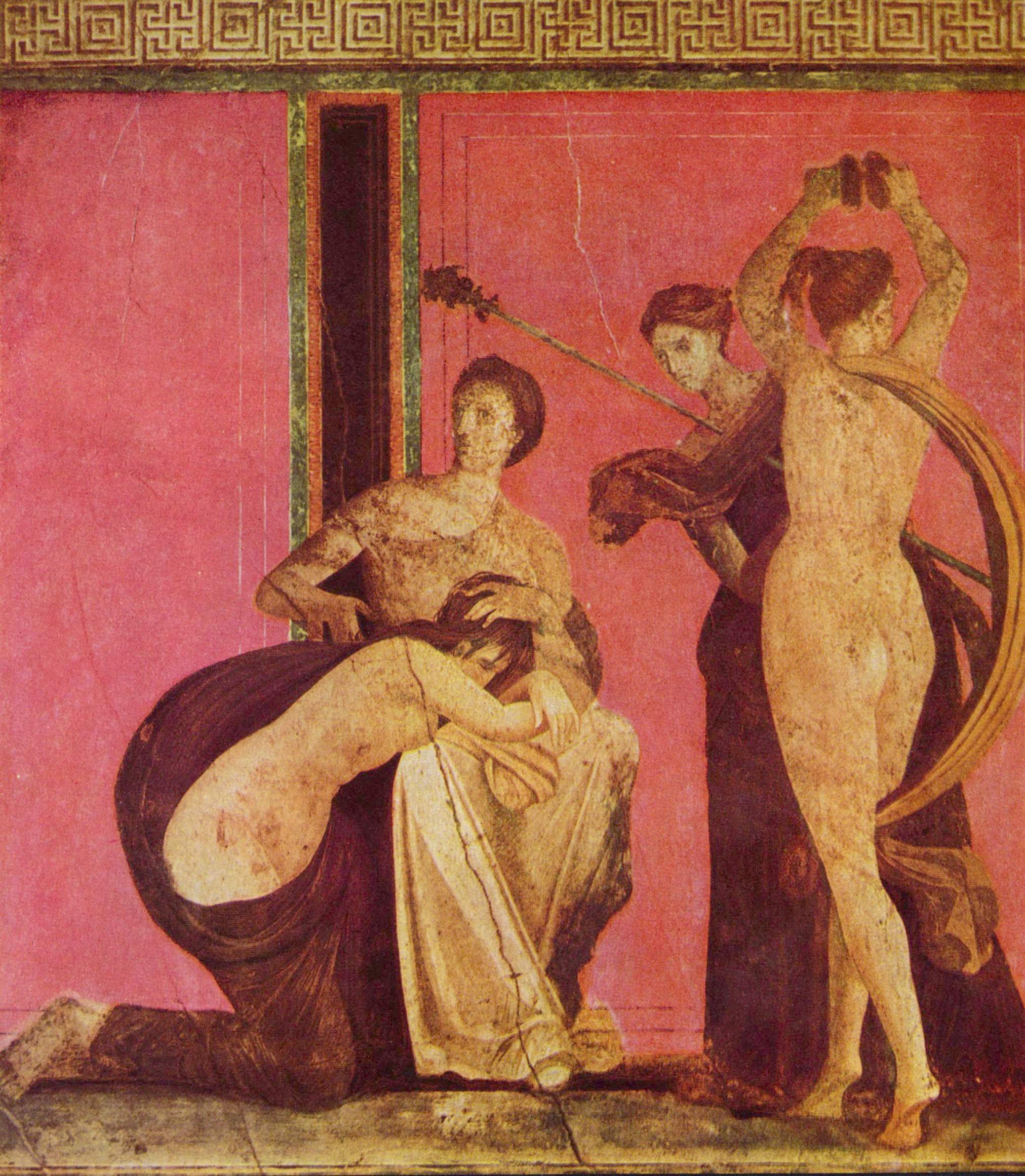
The Roman world caused a sensation, particularly with regard to the erotically charged artworks of Pompeii and Herculaneum , concerning depictions of nudes. A comprehensive series of archaeological investigations, beginning in the 18th century, uncovered a considerable amount of erotic art from these two ancient cities.

Dionysian frieze with scourged girl and Bacchante (Pompeian painter around 60 BC)

This initiative revealed that these sites were rich in erotic artworks, presented in both sculpture and wall paintings. The characteristics of the themes suggest that Roman customs were more liberal than in most other cultures of that time. However, it should be emphasized that many of the depictions that appear exclusively erotic to us could actually be symbols of natural fertility in the broadest sense, as well as talismans of good fortune and prosperity.

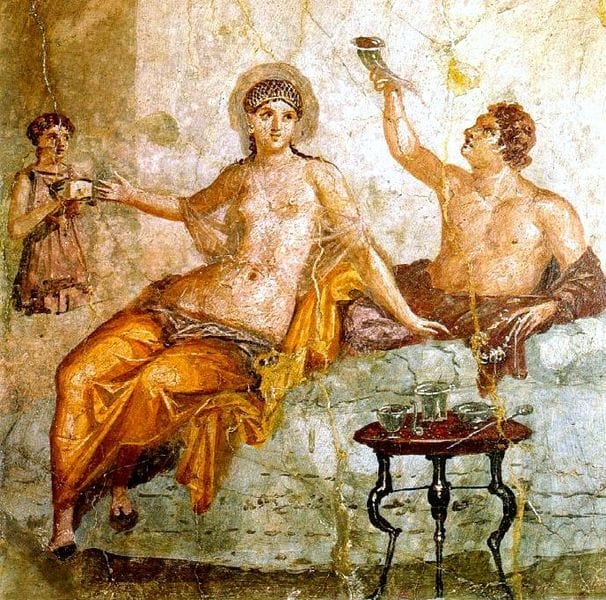
A wall painting depicts a banquet. A man drinks from a two-spouted drinking vessel called a rhyton. His companion wears a gossamer gown and a gold net over her hair. A servant attends to the couple and hands them a small box. On the table in front of them is a set of silver vessels for mixing wine. The entire scene represents an idealized Greek drinking party, a pleasant sight for the guests of this first-century Roman household in Herculaneum.

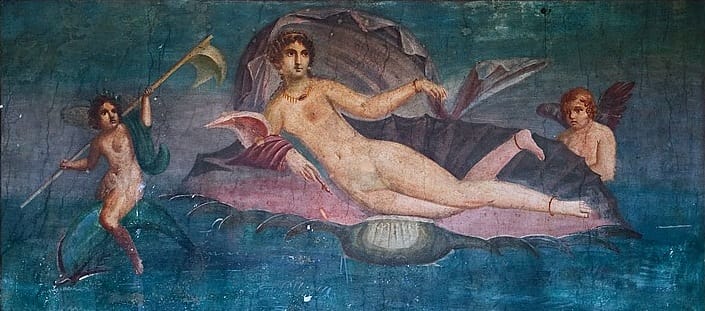
"Venus in a Shell ," a fresco from Pompeii depicting the Roman goddess of fertility and love, was discovered between 1933 and 1935. The walls of the room were decorated in the Fourth Pompeian style. Compared to the prevailing eroticism in the ancient Roman city, the fresco of Venus in a shell appears relatively understated. The house, incidentally, bears the name of this most famous fresco. More precisely, the naked Venus is simply lying in a shell and is accompanied at her birth by Cupid and a child, who most likely represents the young Mars.

Venus rising from the sea, from the Casa della Venere in Conchiglia, Pompeii. Before 79 AD

Middle Ages – Eve and Sin

With the rise of Christian culture in the Middle Ages, the body became the sacred temple of the soul , which had to be protected from carnal desires that God considered terrible sins. Despite these ideas, vice persisted, so much so that the devil and lust were inextricably linked in the sensuality of the female body derived from Eve.

This is why medieval art depicts the mother of humanity in her innocent and youthful nakedness, already capable of grasping the apple of sin.
In the Middle Ages, the Church used the nude to emphasize human fragility and to "teach religion to the ignorant ." The Church commissioned frescoes, sculptures, and paintings for churches and manuscripts that precisely conveyed its doctrines and moral values.

Art was largely religious, and nudity was considered evil. It revealed that humans are mortal and imperfect. Nude paintings were used in iconography. Naked figures, often alluding to the Fall of Man or the underworld, can be seen on church interiors, stained-glass windows (from the High Middle Ages onward), and church tympana. Adam and Eve symbolize sin and nudity. They are usually depicted with snakes or plants that conceal their genitals.

Adam and Eve try to hide their nakedness (stained glass window of Strasbourg Cathedral in Alsace, France)

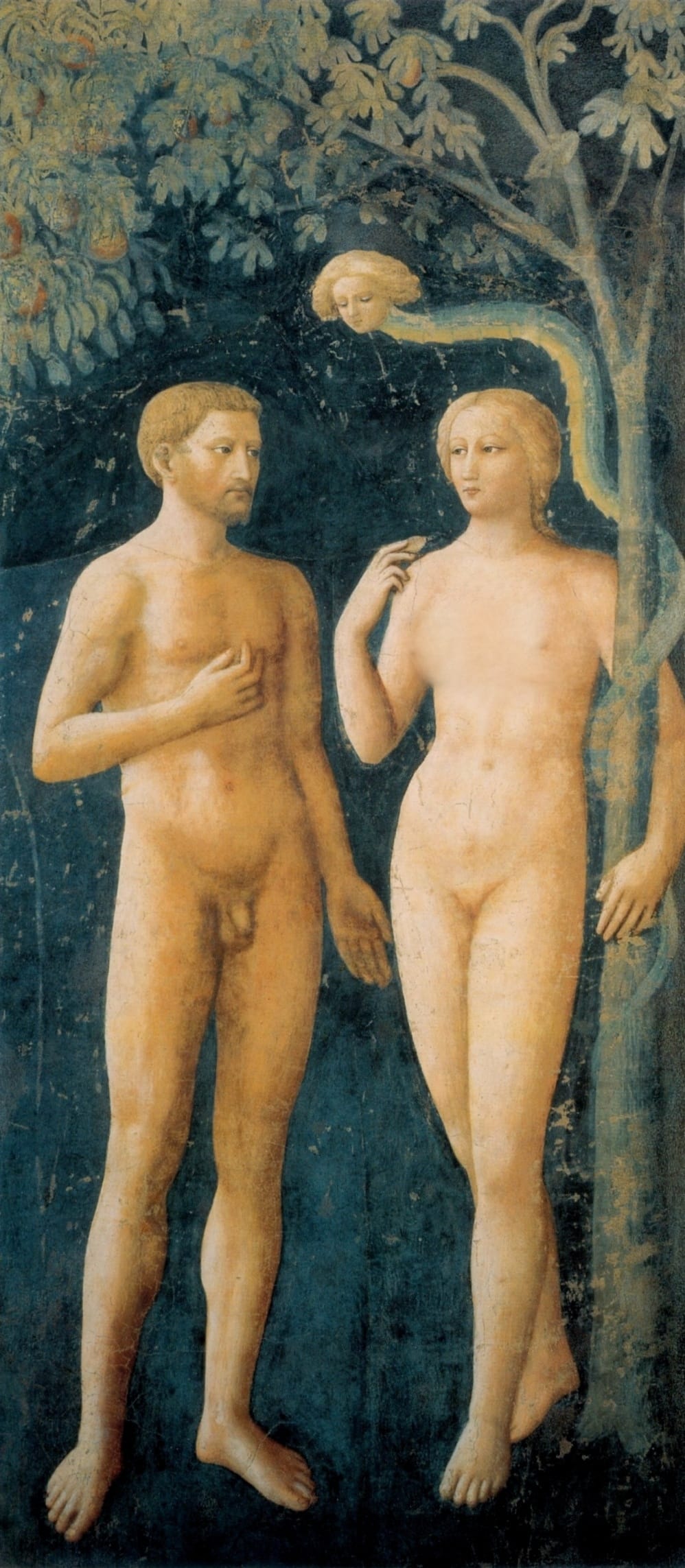
The Temptation of Adam and Eve , by Masolino (c. 1424-1425)

Adam and Eve by Masolino da Panicale (1383–1447)

A characteristic work of art from this period is located in the Brancacci Chapel of the church of Santa Maria del Carmine in Florence. This piece is called "The Temptation of Adam and Eve" or "Original Sin" and was created by Masolino between 1424 and 1425.

The painting depicts the well-known event from the Old Testament, specifically the moment when the serpent from the Book of Genesis tries to persuade Adam and Eve to break the rules. This episode, rendered in the late Gothic style, is characterized by the light, which softly and envelops the figures, as if they were radiating a diffused glow.

Furthermore, the fact that the background is black contributes to the sensual appearance of the naked bodies of the two sinners.

The Expulsion of Adam and Eve from Paradise, by Masaccio.

Expulsion of the Ancestors from Eden , by Masaccio (1424-1425)

Masaccio's painting, depicting the expulsion of the ancestors from Eden, is located in the same chapel as Masolino's work. At the moment of their disobedience to God's laws and their subsequent consumption of the fruit of knowledge, Adam and Eve are depicted as naked woman and naked man. Indeed, they are portrayed as if exposed and powerless as they are removed from Paradise. However, it is crucial to emphasize that, according to the biblical account, Adam and Eve entered Paradise already unclothed.

This places us chronologically in the transition between the High Middle Ages and the Early Renaissance. In the second part, we examine the further treatment of nude female figures throughout the Art Periods And Movements of the Renaissance, Mannerism, Baroque, and Classicism, through the modern era, to Classical Modernism and contemporary art.

Literature:

  1. Bonfante, Larissa: “Nudity as a Costume in Classical Art.”, American Journal of Archeology 93 (1989)
  2. Clark, Kenneth: The Nude: A Study in Ideal Form. New York: Pantheon, 1956.
  3. Saunders, Gill: The Nude: A New Perspective. Cambridge, Mass.: Harper & Row, 1989.
  4. Steinberg, Leo: The Sexuality of Christ in Renaissance Art and in Modern Oblivion. New York: Pantheon, 1983.

Internet:

  1. Martinelli, Olimpia Gaia / ArtMajeur: The history of the female nude in paintings, https://www.artmajeur.com/en/magazine/5-art-history/the-history-of-the-female-nude-in-paintings/332521
  2. Sorabella, Jean / The Metropolitan Museum of Art: The Nude in Western Art and Its Beginnings in Antiquity , https://www.metmuseum.org/de/essays/the-nude-in-western-art-and-its-beginnings-in-antiquity
  3. Murray, Sarah / Aeon Media: All those naked Greeks… , https://aeon.co/essays/why-are-men-seemingly-always-naked-in-ancient-greek-art
  4. Ivanova, Eugenia: The Body as an Idea in Ancient Greece Series: Heroic Nudity , https://www.byarcadia.org/post/the-body-as-an-idea-in-ancient-greece-101-heroic-nudity
  5. Dowd, Vincent / BBC World Service: British Museum defines Greek naked ideal , https://www.bbc.com/news/entertainment-arts-32120302
  6. Witek, Dominic / Artsper: A History of Female Nude Paintings , https://blog.artsper.com/en/a-closer-look/a-history-of-female-nude-paintings/

Owner and Managing Director of Kunstplaza. Publisher, editor and passionate blogger in the field of art, design and creativity since 2011.
Joachim Rodriguez y Romero

Owner and Managing Director of Kunstplaza. Publisher, editor and passionate blogger in the field of art, design and creativity since 2011. Successful completion of studies in web design as part of a university degree (2008). Further development of creativity techniques through courses in free drawing, expressive painting and theatre/acting. Profound knowledge of the art market through years of journalistic research and numerous collaborations with actors/institutions from art and culture.

www.kunstplaza.de/

You might also be interested in:

  • The sculpture "Apollo and Daphne" by Bernini in the Galleria Borghese.
    Art Periods and Movements – Introduction to the Art History of Styles and Their Characteristics
  • Famous oil painting part 2 - places 26 to 50
    Famous oil painting part 2 - places 26 to 50
  • In sunlight, circa 1910, by Alice Pike Barney
    Nude girl as a motif in art - Sensual wall art or transgression?
  • Sunrise by Claude Monet
    Impressionism in Fine Art: Characteristics, Artists, Famous Paintings
  • Famous oil painting - top 100 for reproductions in museum quality
    Famous oil painting - top 100 for reproductions in museum quality

Search

Similar posts:

  • Art Periods and Movements – Introduction to the Art History of Styles and Their Characteristics
  • Famous oil painting part 2 - places 26 to 50
  • Nude girl as a motif in art - Sensual wall art or transgression?
  • Impressionism in Fine Art: Characteristics, Artists, Famous Paintings
  • Famous oil painting - top 100 for reproductions in museum quality

Beliebte Kategorien

  • Sculpture
  • Design
  • Digital Art
  • Photography
  • Freelancing
  • Garden Design
  • Interior Design
  • Kreative Geschenke
  • Creativity
  • Art Periods And Movements
  • Art History
  • Art Trade
  • Artists
  • Art Marketing
  • Art Market Knowledge
  • Painting
  • Music
  • News
  • Street Art / Urbane Kunst
  • Tipps für Kunsthändler
  • Tips for Artists
  • Trends
  • Living from art
All categories

Highlighted artwork

  • Pin up Pop Art "Virnaburger" (1965), limited offset lithograph by Mel Ramos
    Pin up Pop Art "Virnaburger" (1965), limited offset lithograph by Mel Ramos
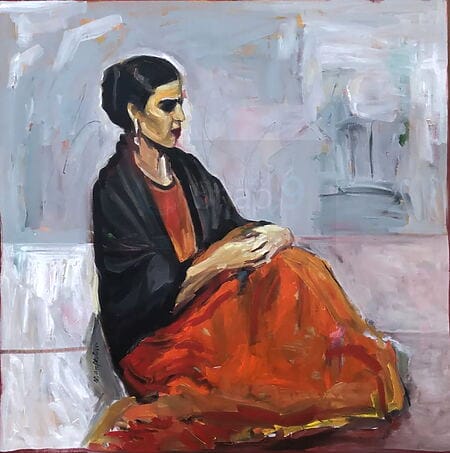
  • Oil painting "Frida Alone" (2018) by Arun Prem (unique)
    Oil painting "Frida Alone" (2018) by Arun Prem (unique)
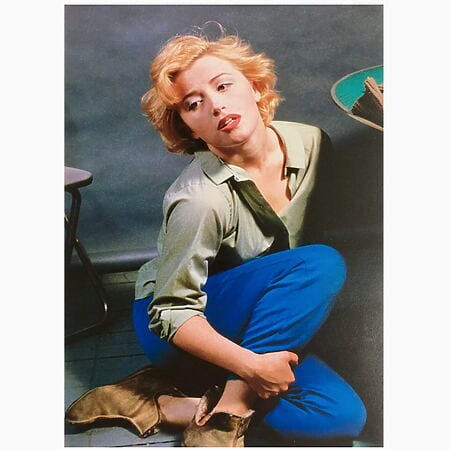
  • "Marilyn" (1999) by Cindy Sherman, limited lithograph
    "Marilyn" (1999) by Cindy Sherman, limited lithograph
  • "Sense of Beauty" (2023) - color -intensive portrait paintings by Trayko Popov, acrylic on canvas
    "Sense of Beauty" (2023) - color -intensive portrait paintings by Trayko Popov, acrylic on canvas
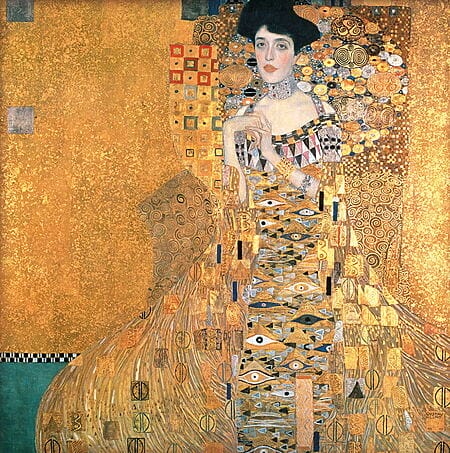
  • "Adele Bloch-Bauer I" by Gustav Klimt, limited fine art Giclée reproduction
    "Adele Bloch-Bauer I" by Gustav Klimt, limited fine art Giclée reproduction

Design and Decor Highlights

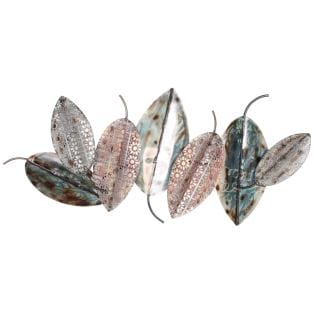
  • Glowing Greenery – Wall decoration made of metal Glowing Greenery – Wall decoration made of metal 106,95 €

    inkl. MwSt.

    Delivery time: 3-7 working days

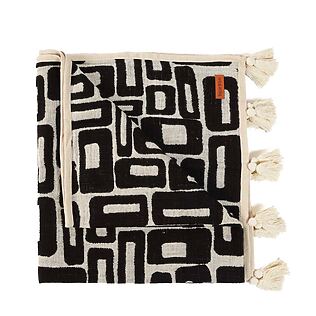
  • Aztec bedspread, geometric pattern (beige/black) Aztec bedspread, geometric pattern (beige/black) 195,00 €

    inkl. MwSt.

    Lieferzeit: 3-5 Werktage

  • Minimalistic canvas picture "Lipari No. 3", high -quality art print Minimalistic canvas picture "Lipari No. 3", high -quality art print 89,00 €

    inkl. MwSt.

    Lieferzeit: 3-5 Werktage

  • J-Line Large Cushion with Knitted Surface, Cotton (White-Red) J-Line Large Cushion with Knitted Surface, Cotton (White-Red) 42,90 €

    inkl. MwSt.

    Lieferzeit: 2-4 Werktage

  • J-Line Cozy rattan armchair "Ana", handmade network J-Line Cozy rattan armchair "Ana", handmade network 465,00 €

    inkl. MwSt.

    Lieferzeit: 2-4 Werktage

  • Coffee table "Kidney" made of unpeeled rattan & recycled teak Coffee table "Kidney" made of unpeeled rattan & recycled teak 1.185,00 €

    inkl. MwSt.

    Lieferzeit: 6-11 Werktage

  • Sculptural ceramic vase in white Sculptural ceramic vase in white 37,00 €

    inkl. MwSt.

    Delivery time: 3-4 working days

Kunstplaza

  • About us
  • Legal notice
  • Accessibility
  • Press Area / Mediakit
  • Advertising on Kunstplaza
  • FAQ – Frequently Asked Questions
  • Get in touch

Sprachen

Art Magazine

  • About our magazine
  • Editorial Policy
  • Guest contributions / Guest author
  • RSS feeds / Subscribe to news

Online Gallery

  • About our gallery
  • Guidelines & principles
  • Buy Art in 3 Steps

Online Shop

  • About our shop
  • Newsletter & deals
  • Quality Promise
  • Shipping & Payment
  • Return Policy
  • Affiliate Program
Carossastr. 8d, 94036 Passau, Germany
+49(0)851-96684600
info@kunstplaza.de
LinkedIn
X
Instagram
Pinterest
RSS

Back to top

© 2025 Kunstplaza

Imprint Terms & Conditions Privacy

Prices incl. VAT plus shipping costs

Privatsphäre verwalten

We use technologies like cookies to store and/or access device information. We do this to improve the browsing experience and to show (non) personalized ads. If you agree to these technologies, we can process data such as browsing behavior or unique IDs on this website. Not consenting or withdrawing consent may negatively impact certain features and functions.

Funktionale Immer aktiv
Die technische Speicherung oder der Zugang ist unbedingt erforderlich für den rechtmäßigen Zweck, die Nutzung eines bestimmten Dienstes zu ermöglichen, der vom Teilnehmer oder Nutzer ausdrücklich gewünscht wird, oder für den alleinigen Zweck, die Übertragung einer Nachricht über ein elektronisches Kommunikationsnetz durchzuführen.
Vorlieben
Die technische Speicherung oder der Zugriff ist für den rechtmäßigen Zweck der Speicherung von Präferenzen erforderlich, die nicht vom Abonnenten oder Benutzer angefordert wurden.
Statistiken
The technical storage or access that is used exclusively for statistical purposes. The technical storage or access that is used exclusively for anonymous statistical purposes. Without a subpoena, voluntary compliance by your internet service provider, or additional records from a third party, the information stored or retrieved for this purpose alone cannot usually be used to identify you.
Manage {vendor_count}-suppliers
The technical storage or access is required to create user profiles, to send advertising or to track the user on a website or across several websites for similar marketing purposes.
  • Optionen verwalten
  • Dienste verwalten
  • Manage {vendor_count-amount} suppliers
  • Read more about these purposes
Optionen verwalten
  • {title}
  • {title}
  • {title}