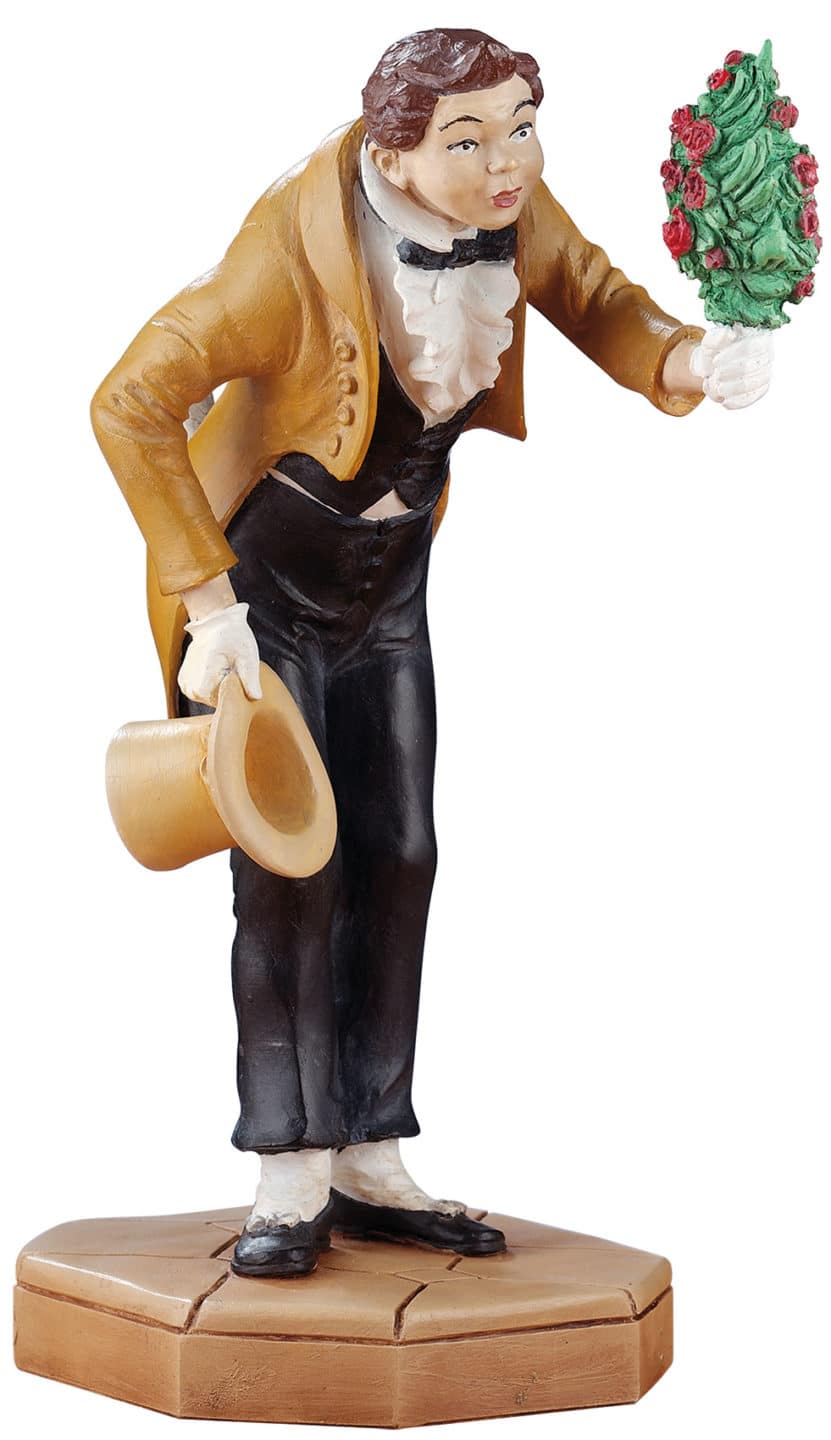
Sculpture “The Eternal Bridegroom”, sculptor's model after the oil painting by Carl Spitzweg, version in art casting

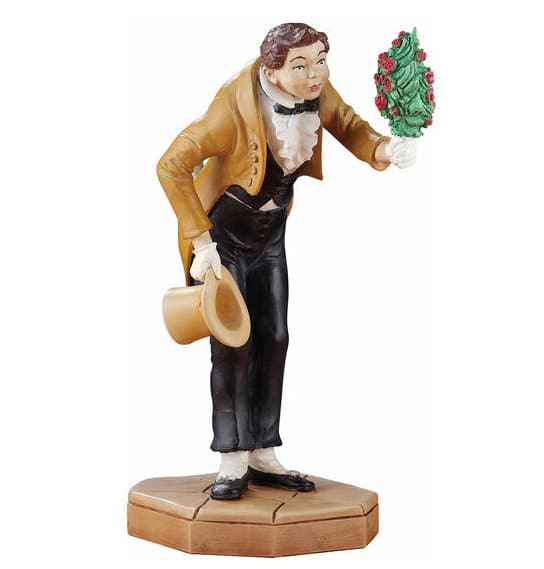
Sculpture “The Eternal Bridegroom”, cast version, hand-painted
Even during his lifetime, "The Eternal Bridegroom" was perhaps the painter's most popular subject: the gallant suitor presents his beloved with a bouquet of flowers. Now, this motif is available exclusively at ars mundi as a romantic table sculpture. Our sculpted model faithfully reproduces Spitzweg's original, down to the drapery folds, the tuft of hair, and the flowers. An ideal gift for a loved one, a heartfelt thank you, and a stylish declaration of love!
Sculptor's model based on the oil painting created between 1858 and 1860. Hand-cast. Dimensions: 9 x 21.5 x 10 cm (W/H/D). Painted polymer edition. Elaborately hand-painted.
Copyright: Carl Spitzweg / ars mundi
Contact Seller966XXXXX
Buy Artwork
€ 168,00
Carl Spitzweg was one of the most important artists of the Biedermeier period. He created numerous paintings, oil studies, drawings, and watercolors whose peculiar, whimsical charm made him the most popular representative of bourgeois genre and landscape painting in southern Germany. Spitzweg came from a wealthy Munich merchant family and initially completed a degree in natural sciences. An illness led him to decide to become a painter. He was self-taught and soon connected with other colleagues of the Munich School of Painting, such as Moritz von Schwind. Spitzweg is among the great German painters and draftsmen of the 19th century. His best-known paintings, such as "The Poor Poet," "The Bookworm," and "The Eternal Bridegroom," depict eccentrics of bourgeois society indulging in their respective hobbies. Imagination and superb painting technique were combined in Carl Spitzweg with perhaps his most important asset: his humor. With wit and affectionate exaggeration, the confirmed bachelor created character studies of eccentric oddballs and romantic encounters – always told with affection and a twinkle in his eye. This propelled him to become one of Germany's most popular artists. He chose very small formats and depicted his figures precisely and in meticulous detail within their respective milieus. This resulted in a satirical caricature of the types, bordering on the grotesque. In his later works, he placed greater emphasis on spontaneity, sketchiness, and movement, which is particularly evident in his landscape paintings. He was only discovered by art history around 1900, and throughout his life, he never achieved the same level of fame as other contemporary painters.
Other styles
Casting technique
Plastic
Multiple
- Emotions
- Love
- People
Colorful / Multicolored
- (Office) table
- Sideboards and lowboards, consoles, mantelpieces
- shelf
- Indoor
- Solo placement
- Granny Style / Nostalgic
- Mid-Century