Art of Prehistory and Early History: The actual period under consideration

Art historians usually define the theoretical period of consideration somewhat differently, but purely logically, the prehistory and early history of art begins with the beginning of art, with the first work of art created by a human being.

Since art and culture are assigned a crucial role in the process of human development, one could also say that man became human through this first work of art.
This chicken-and-egg problem poses practically no problems for art historians, because the first work of art created by humans that has survived to posterity was created “only” around 40,000 years ago.
The prehistory and early history of art transitions into the art history of antiquity with the development of the first advanced civilizations, around 3100 BC in world history terms. Our ancestors were a little later:
What lived in caves or wooden huts in our region and further north had so little to do with high culture that during the conflicts with the Romans a few centuries after Christ, they still “absorbed real culture” (which a discerning Roman would no longer have agreed with, as Roman culture was already quite decadent at that time).
You might also be interested in:
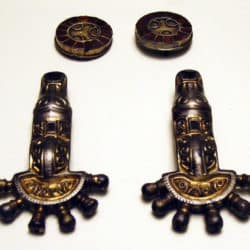 Prehistoric and Early Historical Art: Germanic Art; Lombardic
 Art; Oseberg Style;
 Art – Definition & Meaning – What is Art? The Concept of Art and its Purpose in Society;
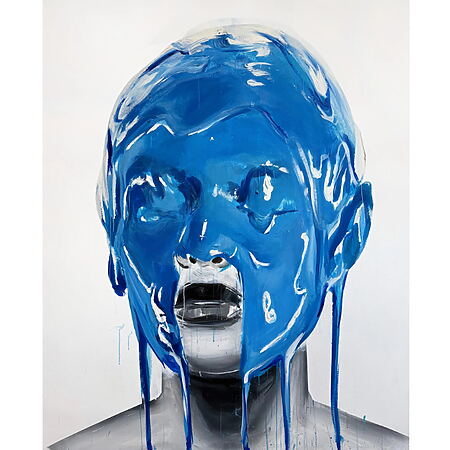
 Art Periods And Movements – Introduction to the Art History of Style Periods and their Characteristics;
 Memento Mori: What Transience in Art Teaches Us About Life
Featured Art


Design and Decor Highlights
-
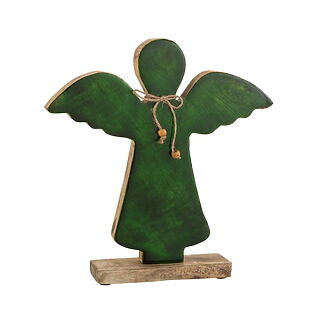
 J-Line abstract decorative angel on wooden base, painted green (H.28 cm)
24,95 €
J-Line abstract decorative angel on wooden base, painted green (H.28 cm)
24,95 €
VAT included.
Delivery time: 1-3 working days
-
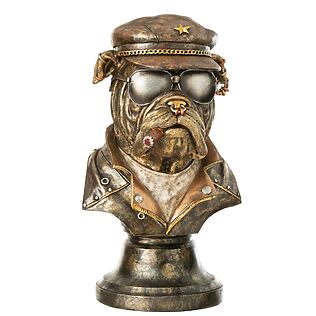
J-Line Bulldog with cigar, animal bust in antique bronze look
77,90 €
VAT included.
Delivery time: 2-4 working days
-
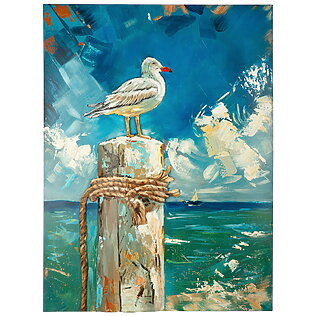
Maritime canvas painting "Coast Bird", hand-painted on metal
245,00 €
VAT included.
Delivery time: 3-6 working days
-
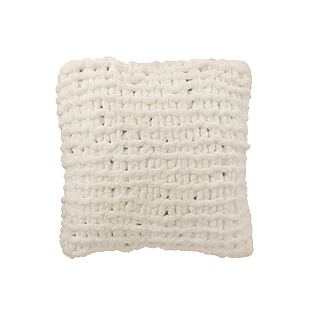
J-Line Large Cushion with Knitted Surface, Cotton (White-Pink)
42,90 €
VAT included.
Delivery time: 2-4 working days
-
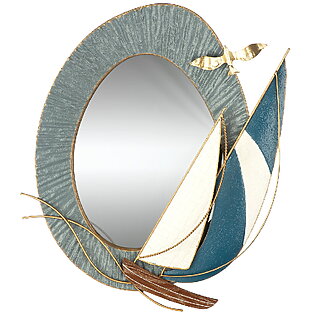
Maritime metal wall relief mirror "Boat Tour", gold-colored accents
89,00 €
VAT included.
Delivery time: 3-5 working days
-
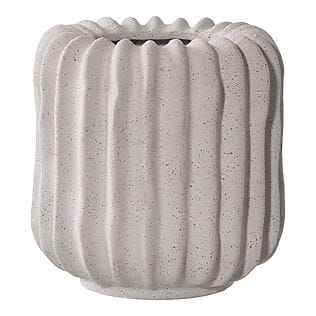
Sculptural ceramic flower pot "Groove", gray (ø 14.5 cm)
25,00 €
VAT included.
Delivery time: 4-8 working days
-
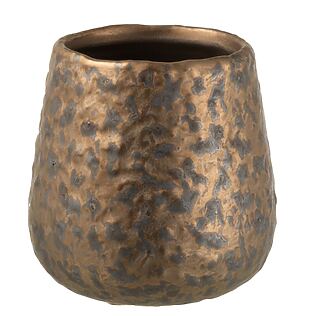
J-Line “Fauve” - Copper-colored ceramic flower pot with speckled design (Ø 12 cm)
15,00 €
VAT included.
Delivery time: 4-8 working days