Art of Prehistory and Early History: Germanic Art; Lombard Art

The Lombard kingdom is long gone (it existed from 568 to 774), but it left us a rich treasure of art.
The Germanic tribe was originally known as the Winniler and settled along the lower Elbe River (in the fertile region later called the Magdeburg Börde). After migrating south, the name of this expansive and innovative group changed to Lombards, due to their long beards or their long halberds, and perhaps other reasons that are no longer clear today.
After a long migration, the Lombards finally settled in northern Italy and established their Lombard kingdom. During a relatively long period of security and prosperity, many buildings that are among the earliest surviving architectural works in history .
In June 2011, UNESCO (United Nations Educational, Scientific and Cultural Organization) inscribed the most important Lombard monuments and buildings in northern Italy on the UNESCO World Heritage List. These “Places of Power” —as UNESCO officially calls the seven groups of important buildings on the Italian peninsula—are located in the present-day Italian towns of Cividale del Friuli, Brescia, Castelseprio Torba, Spoleto, Campello sul Clitunno, Benevento, and Monte Sant'Angelo; they comprise a series of fortresses, churches, and monasteries.
UNESCO the inclusion in the World Heritage List by stating that the selected sites testified to a high achievement of the Germanic people onwards , which was perfected by the 8th century.
Show
table of contents
Documentary: THE LANGOBARDS (Preview)
This video is embedded using YouTube's enhanced Privacy mode, which blocks YouTube cookies until you actively click to play the video. By clicking the play button, you consent to YouTube placing cookies on your device, which may also be used to analyze user behavior for market research and marketing purposes. For more information about YouTube's use of cookies, please see Google's Cookie Policy at https://policies.google.com/technologies/types?hl=de.
The Lombard architectural and artistic style
Lombard architecture represents a synthesis of stylistic elements that mark the transition from antiquity to the European Middle Ages . Lombard architecture draws on the legacy of ancient Rome, incorporates Christian spirituality, and integrates influences from Byzantine art and the cultural heritage of Germanic Northern Europe .
Above all, the seven protected groups testify to the important role played by the Lombards in the intellectual and cultural development of medieval European Christianity.
The Lombards left us with a considerable amount of Lombard art , creating something quite unique and clearly distinct: What emerged in Lombard territory during the 7th and 8th centuries is a highly idiosyncratic form of early medieval art, even if (or precisely because) the rule of the only partially civilized Lombards was initially a significant cultural setback for northern Italy, which was influenced by late antique (especially Byzantine) art .
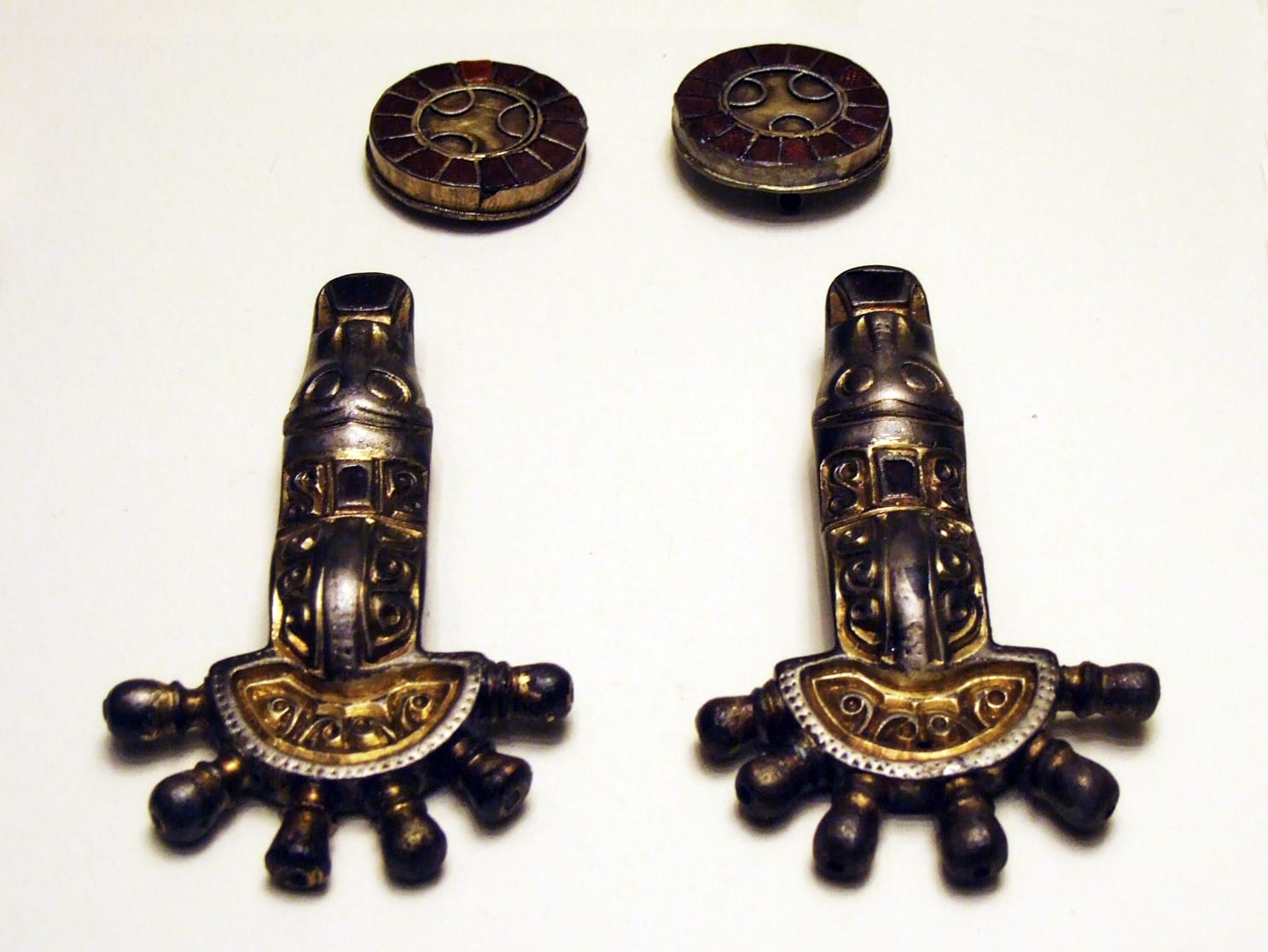
, Hungarian National Museum, CC BY-SA 3.0, via Wikimedia Commons
But the Lombard rulers embraced Roman and Byzantine cultural influences as readily as the Catholic religion (and surprisingly quickly the Latin language); from all this and the traditions they brought with them, “avant-garde art” was formed.
In Lombard goldsmithing, the “Germanic animal style” was still evident; under the sight of Romanesque clothing, the animals now took on completely new forms; richly decorated disc brooches adorned with precious stones soon also served the Lombards as garment clasps to hold their clothing together.
Germanic interlace ornamentation was developed to its final form and supplemented with new motifs (human figures, whose depiction was a novelty); the first Christian crosses were designed and decorated.
Byzantine architectural forms such as basilica and central building were supplemented with new stylistic elements: relief art on stone, which introduced a preference for ornamental elements and, as the "Lombard" style, to a new flowering of architecture in Western Europe.
Besides the architecture at the “7 Places of Power”, the Iron Crown , the gold foil crosses , the Ratchis Altar and the Agilulf Plaque among the most famous surviving works of Lombard art.
Recommended reading:
- Lombard Art: The Language of Braided Ribbons , by Rudolf Kutzli (Hardcover)
- Cross and Rune. Lombard-Romanesque Art in Italy. Volume I: The Age of Formation , by
-
Cross and Rune. Lombard-Romanesque Art in Italy. Volume II: Maturity , by
You might also be interested in:
 Art of Prehistory and Early History: Germanic Art; Oseberg Style;
 Art Periods And Movements – Introduction to the Art History of Style Periods and Their Characteristics;
 Creative Escape or Mirror of Society? The Role of Art in Our Modern World;
 “White Gold” – A Journey Through the History of Porcelain;
 Memento Mori: What Transience in Art Teaches Us About Life
Featured Art

Design and Decor Highlights
-
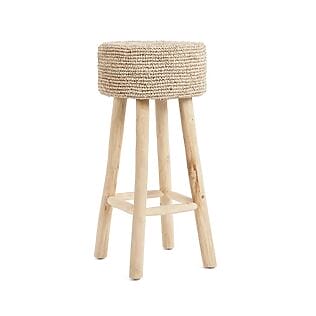
 Coastal-Boho bar stool "Raffia" made of raffia and sustainable teak wood
Original price was: €199.00135,00 €The current price is: €135.00.
Coastal-Boho bar stool "Raffia" made of raffia and sustainable teak wood
Original price was: €199.00135,00 €The current price is: €135.00.
VAT included.
Delivery time: 2-4 working days
-
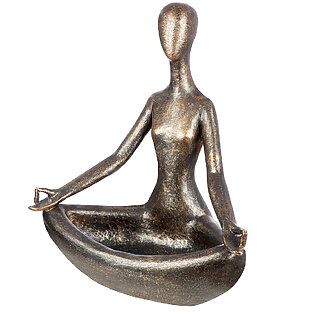
Semi-abstract sculpture "Relaxing" with antique finish, for indoor and outdoor use
Original price was: €145.00125,00 €The current price is €125.00.
VAT included.
Delivery time: 2-4 working days
-
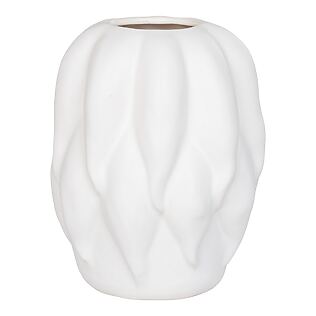
Sculptural ceramic vase in white
37,00 €
VAT included.
Delivery time: 3-4 working days
-
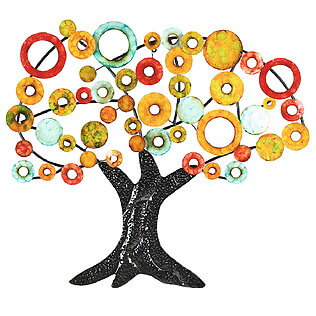
Metal wall relief "Colored Rings Tree", colorful wall decoration
135,00 €
VAT included.
Delivery time: 3-5 working days
-
Mystical gemstone necklace "Spring Leaf" with Peridot
29,90 €
VAT included.
Delivery time: 1-3 working days
-
Luxurious 3D wall object "Rise", framed behind glass (champagne-gold colored)
205,00 €
VAT included.
Delivery time: 4-8 working days
-
Abstract metal sculpture "Square", silver-colored aluminum art
135,00 €
VAT included.
Delivery time: 2-4 working days