Getting started in the art business: What art lovers need to know
The art business combines two advantages: you make profitable investments and you work with beautiful things. Entering the art market requires first familiarizing yourself with some basics in order to protect your capital and make the right decisions.
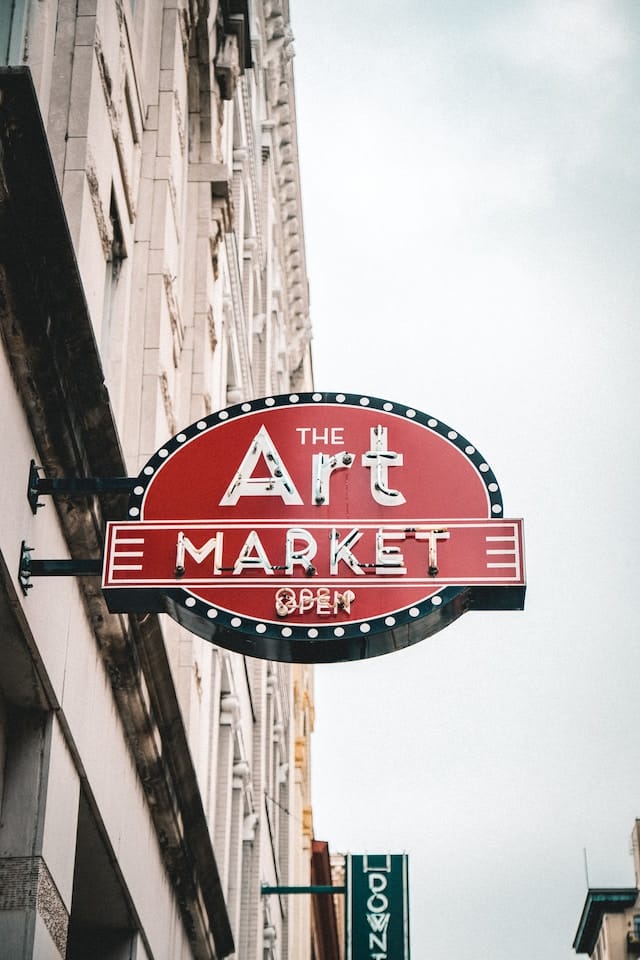
Photo by Alex Carpenter @alexthecarpenter, via Unsplash
You do not need to be an expert in all areas of art – it is sufficient if you are familiar with the chosen artistic direction and gradually develop into an expert in the general art business.
Show
table of contents
How much do works of art cost?
The price range in the art market is very wide. Before making a major investment, obtain an expert opinion and research whether the seller's stated value corresponds to the artwork's actual value.
The more information you have about the artwork and the artist, the easier the research . Purchasing artwork can serve two purposes: Firstly, you have the opportunity to generate returns through increases in the artwork's value. Secondly, you can buy the artwork for personal enjoyment and take pleasure in viewing it in your own home or gallery.
Works of art, like furnishings and furniture, are suitable for beautifying a home. If you have chosen a piece but don't currently have the necessary available capital, you can alternatively take out a loan .
Make sure it's a sound investment and that you can resell the artwork at any time for a reasonable price. This will protect your capital. Keep in mind that the value of artworks is subject to fluctuations.
Get inspiration before you buy
Often, you won't find the right artwork through a targeted search, but rather through casual browsing on online platforms . Let yourself be inspired by the artworks and various art movements presented there. The true art treasures and lucrative offers are often not immediately apparent, but are discovered along the way.
If you find a work of art that has piqued your interest, compare it with similar works to assess whether it's a worthwhile investment. Visit a gallery where you can exchange ideas with other art enthusiasts.
In personal conversations with other people, you will quickly learn which works of art elicit which reactions and offer the potential to increase their value.
Look for certificates of authenticity
When buying artwork, make sure it is indeed an original. In addition to a certificate of authenticity, pay attention to any signs that raise suspicion. Carefully inspect the artwork upon receipt.
Inspect it for damage and any restored areas. Ensure the artwork insured shipping shipping to prevent damage. Verify that the artwork is authentic for its period or a reproduction.
Inspect the work for existing date markings, the type of manufacture, and the material used.
Always buy artworks out of love for art
The art market is inherently uncertain. Whether a modern artist's work will actually experience the hoped-for increase in value can be predicted, but not known with absolute certainty.
If you buy a work of art hoping it will appreciate significantly in value over the next few years or decades, you must be prepared for the possibility that this appreciation might not occur. However, if the artwork brings you joy and that you enjoy looking at while it's in your possession, then the purchase was worthwhile in any case.
In such a case, the increase in value is a positive side effect. However, if you keep a work of art that you don't like for decades and its value doesn't increase, frustration will arise.
let yourself be pressured by time when making a purchase ; always make investments thoughtfully. It's easier to make spontaneous purchases when a good deal is offered, but a reputable seller will not pressure you.
A hype can become a danger to the invested capital
Artists from past eras produced a limited number of artworks. Their value is relatively secure, as the artists in question are already deceased and cannot create any further works. If large quantities of works by these artists were suddenly brought onto the market—for example, through a sensational discovery—the market value of individual works would change.
The situation is even more extreme with modern artists . If a hype develops around a particular art style or artist, the value of their artwork temporarily rises. If this sales success encourages the artist to create and sell numerous additional artworks, the value of each individual artwork tends to decrease.
Such investments should therefore be considered with caution. If you are not buying the artwork with the intention of generating a return, but rather want to acquire a piece of art that you particularly like, then there is nothing standing in the way of a purchase.
From an economic perspective , it makes sense in such a case to closely observe the market and decide whether the current hype is likely to lead to an initial price increase or a price decrease. Choose the right moment to buy – unless it's a specific painting, but rather another painting by the artist would also be suitable.
Become aware of your collection goal
Every art lover has their own specific collecting goal . This might involve artworks from a particular era or in a specific style. It's also possible to buy artworks based on their color scheme or the emotions they evoke.
Regularly exchange ideas with other art lovers and attend meetings and public art events. Stay informed about current developments and gradually expand your knowledge in various art fields.
The art business and the trade in art should be enjoyable; then the likelihood of quickly expanding one's knowledge in the field of art increases.
Established artists offer the greatest value stability
If you're looking for the safest possible investment , consider investing in artworks by renowned artists. If these artworks have been popular with collectors for several decades, there's a high probability they will retain or even increase in value in the coming years.
However, if you buy artworks by young artists and speculate that the value of the artworks will increase rapidly, then you are taking a greater risk.
Conclusion
The art market offers fascinating investment opportunities, but it also involves a degree of uncertainty. Buying art should be driven by a love of art, as its value often stems from the emotions it evokes.

Owner and Managing Director of Kunstplaza . Publicist, editor, and passionate blogger in the fields of art, design, and creativity since 2011. Graduated with a degree in web design from university (2008). Further developed creative techniques through courses in freehand drawing, expressive painting, and theatre/acting. Profound knowledge of the art market gained through years of journalistic research and numerous collaborations with key players and institutions in the arts and culture sector.
Featured Art


Design and Decor Highlights
-
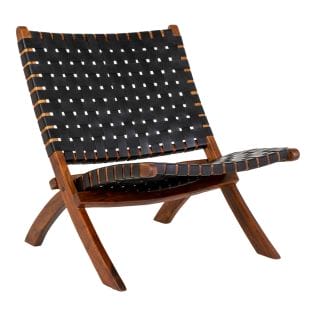
 Foldable lounge chair "Perugia" made of teak wood and genuine leather (black)
319,00 €
Foldable lounge chair "Perugia" made of teak wood and genuine leather (black)
319,00 €
VAT included.
Delivery time: 4-8 working days
-
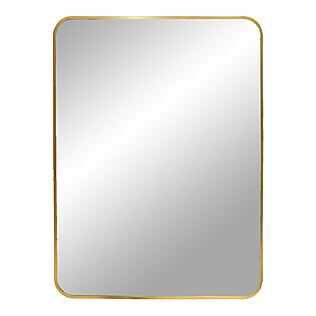
Timeless wall mirror "Madrid", rectangular shape with brass-colored aluminum frame (50 x 70 cm)
79,00 €
VAT included.
Delivery time: 3-4 working days
-
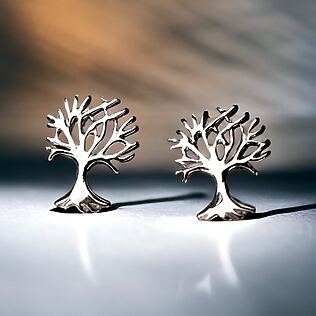
Mini stud earrings "Tree of Life", 925 sterling silver
33,90 €
VAT included.
Delivery time: 1-3 working days
-
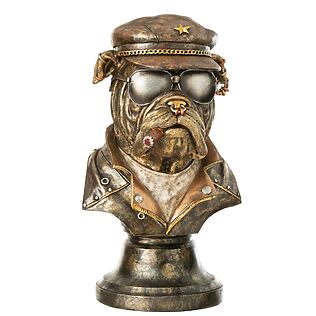
J-Line Bulldog with cigar, animal bust in antique bronze look
77,90 €
VAT included.
Delivery time: 2-4 working days
-
"LovYa" dining chair made of solid wood, natural
299,95 €
VAT included.
Delivery time: 2-4 working days
-
Minimalist bangle with moss weave in a glass sphere
26,90 €
VAT included.
Delivery time: 4-8 working days
-
J-Line Large Cushion with Knitted Surface, Cotton (White-Dark Green)
42,90 €
VAT included.
Delivery time: 2-4 working days