art can take many forms and be consumed through various senses. It doesn't always have to be solely about visual stimuli; art also has an acoustic form, for example.
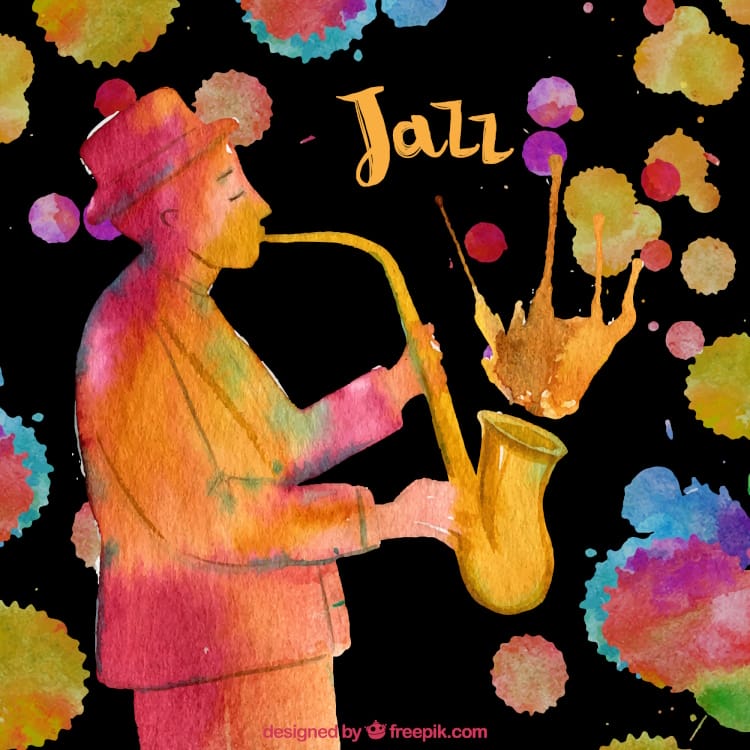
Music is an excellent example of this, as its history is inextricably linked to that of art. Since humankind learned to speak, it has likely also begun to sing, and the oldest instruments are tens of thousands of years old.
No wonder, since music and art can both evoke emotions and offer artists a way to express themselves.
The history of music is inextricably linked to that of art. Image source: Freepik
Many great composers have therefore drawn inspiration from the art of their time. Conversely, art is often accompanied by music to intensify its impact. It is thus a perfect symbiosis that is worth a closer look.
Music is far more than just an accompaniment and tool of art. Instead, it is an art form in its own right; one of the oldest and most highly regarded art forms of all, to be precise. Music conveys powerful emotions and plays a vital role in the lives of many people. It is an expression of thoughts and feelings, regardless of whether it is expressed through words or simply as a melody.
Either way, music is a universal language with a powerful effect . This effect is both emotional and physical; in other words, music acts directly on the body through sound waves and can therefore also be perceived by people with impaired hearing.
Therefore, a separate form of therapy , known as music therapy , has been developed to improve physical and mental well-being.
Everyone is familiar with this incredible power of music from their own experience. For example, as soon as a certain song is played, it can evoke very specific memories. Or certain melodies can awaken emotions ranging from joy and motivation to sadness.
But there is another characteristic of art that applies to music and thus gives it the status of a distinct art form: it reflects the culture of its environment and time. To prove this, one doesn't even have to look that far back into the past.
Elvis Presley, for example, was an icon of the 1960s and 70s whose hits captured the spirit of the times, such as "Viva Las Vegas" —a classic still popular in casinos today. Just a decade later, female artists like Madonna the music world. The carefree, feel-good music of the era gave way to feminist and, for the time, scandalous views, combined with synthesized sounds. These are just two of many examples of how music reflects the spirit of the times and can even spark social change.
How is music used in art?
It is precisely this power of music that has led to its frequent use in art, to reach people on an emotional level. Although it operates on different levels, namely visual and auditory, it represents a perfect complement – or perhaps precisely because of this. Music can further emphasize the mood of the artwork and can therefore be played, for example, in the exhibition space.
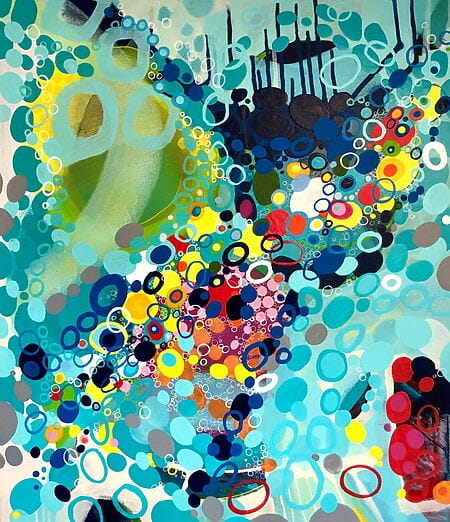
Sometimes it's just a single sound that has a specific effect on the body and mind. Think music or sound therapy. But there's also the possibility of integrating music directly into a visual artwork. Some artists also use music as inspiration, assigning certain colors, shapes, and structures to each element.
They are literally guided by music in the creation of their – mostly abstract – art. Interactive artworks are also a new trend, where the installations are complemented by sound elements and can be controlled or manipulated by visitors.
There are therefore numerous ways to combine music and art. Especially in modern times, there is no shortage of examples of how the senses are addressed on different levels, for example in the form of audio or video materials, which are presented as an art form in their own right
This opens up entirely new possibilities for artists to give their work more expressiveness and make their art even more vibrant and appealing. Furthermore, another art form, often presented in combination with music, should not be forgotten: poetry .
It, too, is often by music or conceived directly as song lyrics. Many musical pieces therefore inherently combine several art forms and are precisely for this reason so effective on an emotional level.
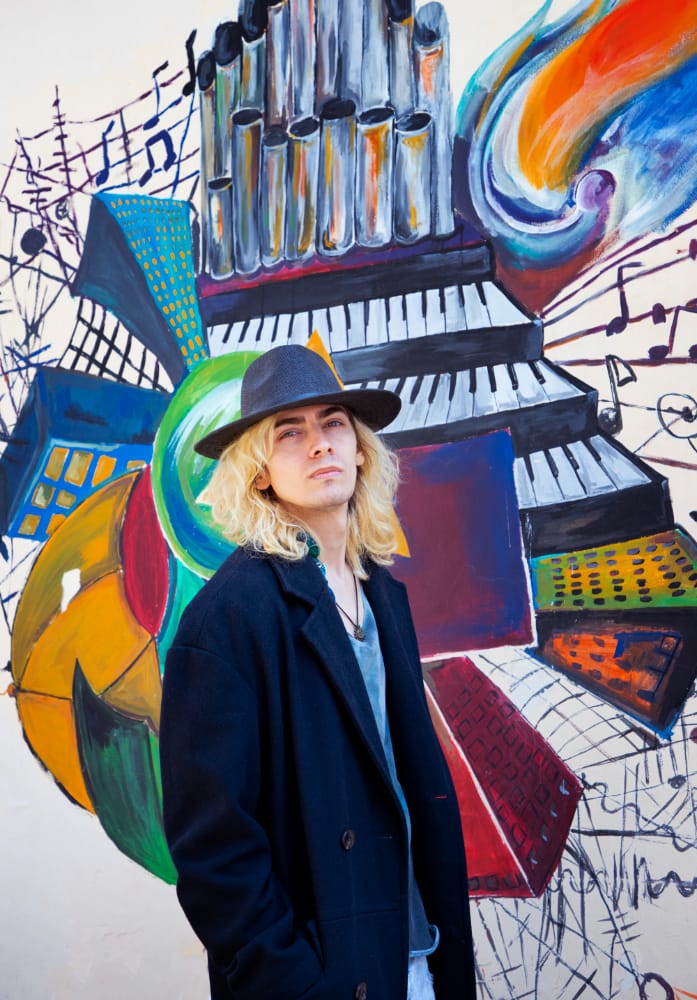
So many ways to combine music and art. Image source: wirestock, via Freepik
Examples of visual art in music
How poetry is used in music is self-explanatory. More interesting, however, is the question of how other art forms can be combined with music. From this perspective, there have already been several symbiotic relationships in the past. On the one hand, almost every song nowadays has an accompanying video. Many of these are highly artistic; some are practically short films that could themselves be considered works of art.
These music videos reflect the spirit of the times, which is evident not only in technological advancements but also in the changes in content. While the first music videos primarily portrayed the artists and resembled a live performance , today's videos are complex storylines with artistic ambition – exceptions prove the rule.
But artworks such as paintings or photographs are also frequently used in music, for example as album covers . Famous examples of such collaborations include David Bowie and Brian Duffy in 1973, Paul McCartney and Bob Gruen in 1982, and Pink Floyd and Gerald Scarfe in 1983.
They all collaborated to design album covers that visually represented the music of the respective album and thus directly conveyed the right emotion. Nowadays, however, since music is primarily consumed digitally and the cover receives less attention, such collaborations are becoming increasingly less important. Nevertheless, the symbiosis of art and music persists, which is due to its numerous advantages.
The advantages of combining art and music
The various art forms allow for the simultaneous engagement of multiple senses, thereby creating a more intense experience. Furthermore, they offer artists multiple means of expression, which can overcome the disadvantages of individual art forms and lead to a holistic approach to art.
numerous exhibitions today , where visitors no longer experience art solely visually, for example as paintings. From light and sound installations to moving image installations, it has become much more diverse – and there is no end to this diversification in sight.
If art reflects the modern zeitgeist, then the combination of different art forms is virtually indispensable, and music plays a crucial role in creating an immersive experience. So-called "audiovisuals" represent a significant trend of our time . Whether this trend will be long-lasting or merely a snapshot typical of the art world remains to be seen.
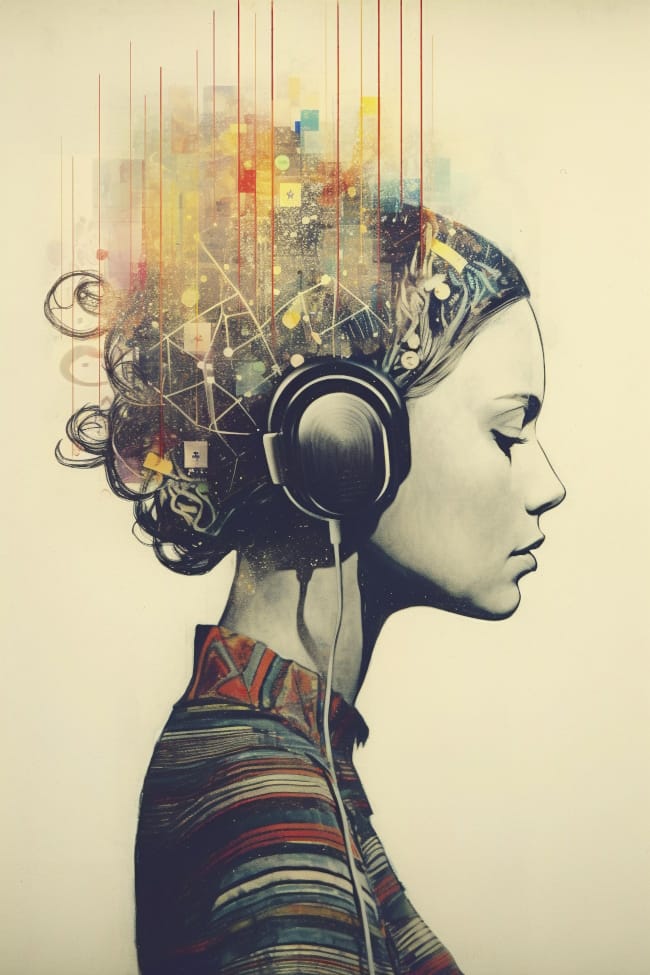
Multimedia art cannot do without music. Image source: Freepik (AI-generated)
Multimedia art cannot do without music
Digitization thus plays a crucial role in art today, opening up entirely new possibilities for combining classical art with music and other elements. Multimedia is a key term in this context, and it is increasingly found in modern art.
Beyond purely visual presentation, art can also take place through movement or engage various senses. Moving images and musical elements are just two of many ways in which modern art can be expressed. Interactive elements and tactile art play a role, engaging even more senses and further intensifying the experience.
Combining different art forms is therefore a complex undertaking, but at the same time it gives rise to entirely new ways in which art can look, sound, or feel. For artists, this means more opportunities for self-expression. For visitors, multimedia brings more excitement to exhibitions and ensures that more people become interested in art in general and modern art forms in particular.
Ultimately, everyone benefits from the symbiosis between art, music, and other artistic elements. This is also why it is a connection that will likely always play an important role in art.
Owner and Managing Director of Kunstplaza . Publicist, editor, and passionate blogger in the fields of art, design, and creativity since 2011. Graduated with a degree in web design from university (2008). Further developed creative techniques through courses in freehand drawing, expressive painting, and theatre/acting. Profound knowledge of the art market gained through years of journalistic research and numerous collaborations with key players and institutions in the arts and culture sector.
We use technologies such as cookies to store and/or access device information. We do this to improve your browsing experience and to display (non-)personalized advertising. If you consent to these technologies, we can process data such as browsing behavior or unique IDs on this website. Refusal or withdrawal of consent may adversely affect certain features and functions.
Functional
Always Active
Technical storage or access is strictly necessary for the legitimate purpose of enabling the use of a specific service expressly requested by the subscriber or user, or for the sole purpose of carrying out the transmission of a message over an electronic communications network.
Preferences
The technical storage or access is necessary for the legitimate purpose of storing preferences that were not requested by the subscriber or user.
statistics
Technical storage or access that is solely for statistical purposes.Technical storage or access that is used solely for anonymous statistical purposes. Without a subpoena, the voluntary consent of your internet service provider, or additional recording by third parties, the information stored or retrieved for this purpose cannot generally be used to identify you.
marketing
Technical storage or access is required to create user profiles, to send advertising, or to track the user on one or more websites for similar marketing purposes.





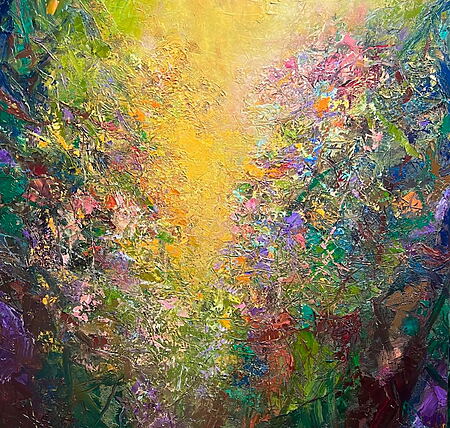
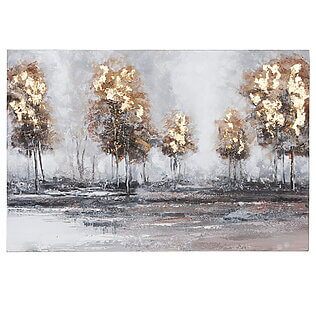
 Hand-painted canvas picture "Forest clearing", trees with gold-colored accents
145,00 €
Hand-painted canvas picture "Forest clearing", trees with gold-colored accents
145,00 €