Artificial intelligence has become one of the most discussed topics in contemporary digital art. What once began as a niche area of technological experimentation has evolved into a vast creative ecosystem. This ecosystem is used by illustrators, concept artists, photographers, designers, animators, digital sculptors, and multimedia artists worldwide.
For many artists, AI doesn't replace creativity. Instead, it becomes another tool within an ever-expanding digital toolbox. Just as creative software transformed artistic workflows in previous decades, AI-powered systems now influence how artists develop ideas. They also affect how concepts are fleshed out, visual content is created, and new forms of expression are experimented with.
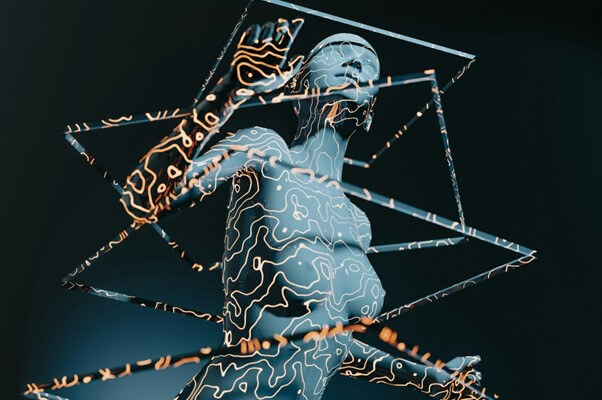
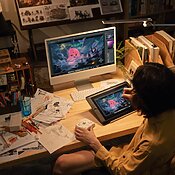
AI-powered systems are influencing how artists develop ideas today. Photo by AC, via Unsplash
The most interesting development is not the emergence of a single dominant platform, but the increasing diversity of toolsavailable to creatives. Each tool offers different strengths and allows artists to build highly personalized workflows that support their individual creative goals.
One of the most significant developments of recent years is the shift towards integrated creative ecosystems instead of isolated AI tools. Many artists now work across media, combining static images, videos, animations, design, audio, and interactive content within the same projects.
The growing interest in Adobe Firefly Partner Models reflects this shift. Adobe Firefly combines Adobe's own generative AI technologies with select third-party models within a unified creative environment. This allows artists to experiment with image, video, and audio workflows while working within a centralized production ecosystem. Instead of constantly switching between separate platforms, creatives can explore different creative directions using multiple AI models available directly within Firefly.
For contemporary artists, this flexibility can be particularly valuable. Concept development, visual experimentation, multimedia projects, and interdisciplinary creative work often benefit from access to various generative capabilities within the same workflows. The ability to switch between image generation, video creation, and other creative tasks in a familiar environment supports a smoother creative process.
As digital art increasingly transcends individual media forms, many creatives are increasingly seeking systems that combine different creative functions instead of separating them.
2. Midjourney
Midjourney remains one of the most well-known names in the field of AI image generation. The platform has gained particular attention among concept artists, illustrators, and visual storytellers due to its ability to create highly stylized and atmospheric visual worlds.
Many artists use Midjourney as part of their ideation process. The tool helps them explore visual themes, develop mood boards, test compositions, and experiment with different creative directions before the actual production phase begins. Its influence is particularly evident in fantasy art, science fiction concepts, editorial illustration, and experimental visual design.
3. Runway
Runway has become a key player in AI-powered video creation and multimedia production. While many discussions surrounding AI focus primarily on static images, contemporary digital art increasingly incorporates movement, animation, and interactive visual experiences.
Artists use Runway for video generation, visual effects, motion design, and creative editing processes. These capabilities have made the tool particularly popular with filmmakers, digital storytellers, installation artists, and creatives who work with both visual art and moving images. As video becomes an increasingly important part of digital art practice, tools like Runway significantly expand the possibilities for independent creatives.
4. OpenAI Image Generation
The image generation systems developed by OpenAI are gaining increasing importance within creative industries due to their flexibility and user-friendliness.
Many artists use these tools to create concept references, explore visual directions, test compositions, and quickly visualize ideas that would otherwise require extensive manual preparation. The ability to rapidly transform written concepts into visual results supports brainstorming and experimentation in early creative stages.
For artists who work under tight deadlines or need to develop large amounts of creative concepts, these systems can accelerate idea generation without replacing the artist's role in shaping the final result.
5. Stable Diffusion
Stable Diffusion occupies a special position within the AI art landscape, as the system offers an open ecosystem and a high degree of adaptability.
Artists who desire greater technical control over their workflows often turn to Stable Diffusion. The system allows for extensive model training, workflow adjustments, and individual configurations. Many creatives develop highly specialized workflows tailored to specific art styles, production goals, or imaginative projects.
This flexibility has contributed to an impressive and active community of artists, developers, and researchers who are continuously expanding the platform's capabilities.
6. Kling
Kling is gaining increasing attention from artists interested in AI-generated videos and cinematic content. The platform is being used more and more frequently for visual storytelling, concept visualization, and experimental moving image projects.
With the advancement of video generation technologies, creatives are exploring new ways to combine traditional filmmaking techniques with AI-powered production methods. Kling exemplifies a broader trend in which moving images are becoming a more accessible creative medium for independent artists and smaller studios. The platform's rapid development has made it one of the most closely watched players in the burgeoning AI video landscape.
7. Luma AI
Luma AI is particularly relevant for creatives interested in three-dimensional environments and spatial experiences. The platform's features support the creation of digital scenes, virtual environments, and 3D assets that can be integrated into broader creative projects. As a result, the tool is increasingly used by artists working on virtual exhibitions, immersive installations, architectural visualizations, digital sculpture, and interactive media.
As digital art becomes increasingly experience-oriented and multidimensional, tools that combine visual design and spatial design continue to gain in importance.
Digital art is becoming increasingly multidisciplinary
One of the most prominent trends in contemporary digital art is the increasing overlap of creative disciplines. Artists today often work simultaneously in the fields of illustration, photography, animation, video, audio, design, and interactive media.
This multidisciplinary approach fosters the use of flexible creative tools that can support diverse forms of expression within a single workflow. AI technologies are increasingly becoming part of this environment, helping artists move more fluidly between different media and creative processes. The result is a creative landscape where experimentation often happens faster and spans a significantly wider range of formats than ever before.
The art world is watching the development closely
The influence of artificial intelligence on contemporary art is attracting attention throughout the cultural sector.
According to The Art Newspaper, AI continues to shape discussions about artistic practice, digital creativity, authorship, and new forms of visual expression. The publication regularly examines how artists, galleries, museums, and collectors are responding to technologies that are transforming both creative production processes and audience interaction. These debates demonstrate that AI is far more than a technological innovation; it is increasingly becoming part of broader discussions about the future of contemporary art.
Technology expands possibilities, not creativity
Despite rapid technological advancements, successful works of art still depend on human imagination, artistic vision, and creative decisions.
AI tools can generate options, accelerate experimentation, and support production processes. However, they cannot determine which ideas are meaningful, emotionally impactful, or culturally relevant. These decisions remain in the hands of artists. The most compelling digital artworks often emerge where creatives combine technological innovation with a distinct artistic vision.
The next phase of digital art development
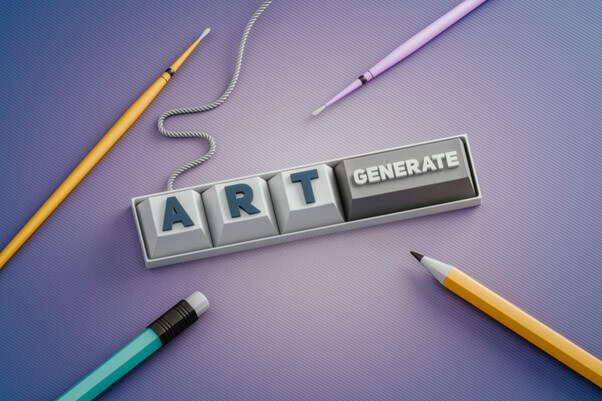
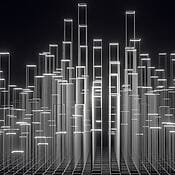
What does the next stage of development for digital art look like? Photo by Alex Shuper, via Unsplash
The range of creative technologies available to artists continues to grow rapidly. Image generation, video creation, audio production, 3D environments, and multimedia storytelling are increasingly being combined, creating new opportunities for experimentation.
With the further development of AI-powered tools, artists will likely gain access to even more sophisticated methods for exploring ideas and developing projects. However, the defining characteristic of great art will remain unchanged.
The future of contemporary digital art will not be determined solely by software, but by how artists use these tools to convey original ideas, challenge conventions, and create meaningful experiences for people around the world.
Owner and Managing Director of Kunstplaza . Publicist, editor, and passionate blogger in the fields of art, design, and creativity since 2011. Graduated with a degree in web design from university (2008). Further developed creative techniques through courses in freehand drawing, expressive painting, and theatre/acting. Profound knowledge of the art market gained through years of journalistic research and numerous collaborations with key players and institutions in the arts and culture sector.
Regardless of your field of activity as a web designer, graphic designer, game developer, photographer, programmer, product designer, journalist, content creator or influencer, as a self-employed person you have a wide range of tasks to manage.
From customer acquisition and successful project implementation to time management and financial administration – including the often unpopular tax matters.
Good information and the right online tools are crucial for a successful career as a freelancer or content creator.
In this section you will find helpful articles and valuable advice with tips specifically for freelancers.
We use technologies such as cookies to store and/or access device information. We do this to improve your browsing experience and to display (non-)personalized advertising. If you consent to these technologies, we can process data such as browsing behavior or unique IDs on this website. Refusal or withdrawal of consent may adversely affect certain features and functions.
Functional
Always Active
Technical storage or access is strictly necessary for the legitimate purpose of enabling the use of a specific service expressly requested by the subscriber or user, or for the sole purpose of carrying out the transmission of a message over an electronic communications network.
Preferences
The technical storage or access is necessary for the legitimate purpose of storing preferences that were not requested by the subscriber or user.
statistics
Technical storage or access that is solely for statistical purposes.Technical storage or access that is used solely for anonymous statistical purposes. Without a subpoena, the voluntary consent of your internet service provider, or additional recording by third parties, the information stored or retrieved for this purpose cannot generally be used to identify you.
marketing
Technical storage or access is required to create user profiles, to send advertising, or to track the user on one or more websites for similar marketing purposes.
 AI-powered systems are influencing how artists develop ideas today.
 What does the next stage of development for digital art look like?




 J-Line Christmas tree with realistic artificial snow and 3000 LED lights
755,00 €
J-Line Christmas tree with realistic artificial snow and 3000 LED lights
755,00 €