Artistic hobbies foster creativity and strengthen mental and physical well-being. Painting, dancing, singing , or pottery are just a few examples that have positive effects. Worldwide, approximately 40% of people engage in creative activities in their free time.
Studies show that artistic creation reduces stress and trains the brain. At the same time, it makes us more sensitive to our interactions with the environment and other people.
Hobbies as an indispensable part of life routine – why it is essential to cultivate a genuine hobby
The term "hobby" originates from English and was originally translated as "hobby horse" or "pet project ." Over the years, its meaning has broadened to encompass a specific leisure activity. Today, we understand it to mean an activity pursued purely for enjoyment and passion.
A look in the Duden dictionary reveals the following definition of the term:
An activity chosen as a counterbalance to daily work, with which someone fills their free time and which they pursue with a certain zeal.”
Hobbies were a central pillar of our lives during childhood and adolescence. They enriched our weeks and, together with school, formed the basis of our daily routines. But why do they often fall by the wayside in adulthood? Few adults dedicate themselves to a hobby that they pursue regularly. This is regrettable, because hobbies are crucial for achieving work-life balance filling joy and meaning
As early as the beginning of the last century, the German writer and poet Hermann Hesse in his collection of thoughts “Reading for Minutes” :
Writing bad poems is far more gratifying than reading the most beautiful ones.”
It therefore doesn't matter whether your creative works find international recognition or are merely appreciated by you. What matters is solely the development of your creativity and the creation of something new. Even experiencing creative works has a creative aspect, as philosopher Tamara Niebler summarizes * . For when reading, listening to, or viewing them, you are actively involved in the creative process and simultaneously foster your own inspiration and imagination.
It is undeniable that hobbies help children develop their skills and uncover hidden talents. Furthermore, they foster personal growth. Many children strongly identify with their hobbies; successes in extracurricular activities boost their self-confidence.
These positive effects of artistic leisure activities don't disappear into adulthood. Photo by Centre for Ageing Better @ageing_better, via Unsplash
These positive effects continue into adulthood. Unfortunately, hobbies often find no place in our hectic daily lives. Professional obligations and private demands take up so much time that there is hardly any room left for this valuable "extra activity ." Especially in a world marked by crises and wars, it is time to rediscover the importance of hobbies and give them the place in our lives they deserve – for greater joy and personal development .
On the many positive effects of an artistic hobby
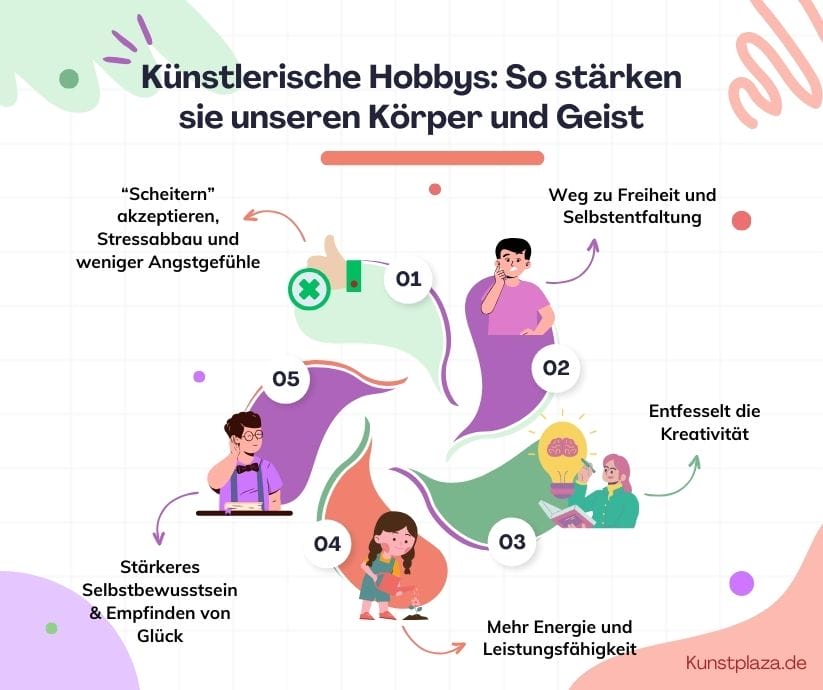
Artistic hobbies: In this way they strengthen our body and mind
01 Stress reduction and less anxiety
When we dedicate ourselves to our hobbies, we divert our focus from the challenges of everyday life and experience a beneficial relaxation . Activities such as knitting, painting, writing, poetry, or gardening often have a meditative effect , helping us to become calmer and more centered.
Hobbies are not only an effective way to combat boredom, they also significantly contribute to stress reduction and offer a valuable counterbalance to our often hectic daily lives . Many of these leisure activities also foster social connections , as they are best enjoyed in a group. Similar to childhood, hobbies can boost our self-esteem by making us aware of our talents and providing genuine moments of happiness through the achievement of personal goals.
02 More energy and performance
Leisure activities that bring us joy not only benefit our physical and mental health; they also have a positive impact on our professional performance . Therefore, it is worthwhile to choose a leisure activity that promotes a harmonious balance between work and relaxation and ultimately increases our professional success.
Despite these advantages, many remain skeptical about the importance of using leisure time meaningfully and not spending it passively on the sofa in front of Netflix.
When you come home after a long day at work and dedicate yourself to your beloved hobby, you create an excellent opportunity to relieve stress and recharge your batteries .
A regular and valued activity, such as a creative or sporting hobby, not only allows you to relax physically but, more importantly, also to calm your mind. This has extremely positive effects on your professional productivity and supports your overall health. Furthermore, your personal life will feel enriched as you structure your week more effectively and use it more meaningfully.
03 Path to Freedom and Self-Development
Hobbies not only offer a welcome break from the daily grind, but also give us a profound sense of freedom . Unlike in professional life, where performance pressure is often the norm, you can pursue your hobbies entirely according to your own wishes. There are no rigid rules – only the goals you set for yourself determine your path.
When you pursue a hobby, you have the flexibility to do it when and where. You're not bound to fixed schedules and can always try new things or implement creative ideas. Here, "failure" , but rather the valuable process of learning about your personal strengths and weaknesses – a real benefit!
04 Social bonding and deeper relationships
Pursuing your hobby in a group or team also offers the opportunity to deepen social relationships. Such shared activities often lead to conversations that focus on the joys of the hobby, allowing the stresses of everyday work to fade into the background.
Whether we join a painting group, a writing seminar, or a music club: we have the chance to make new acquaintances and build meaningful relationships with people who share our passion for certain activities.
This sociable atmosphere not only fosters mutual support but also creates enjoyment and an opportunity for shared learning.Furthermore, hobbies expand your knowledge and skills, which has a positive impact on mental health and resilience.
05 Unleash your creativity
Creative activities play a crucial role in fostering our creative thinking skills.
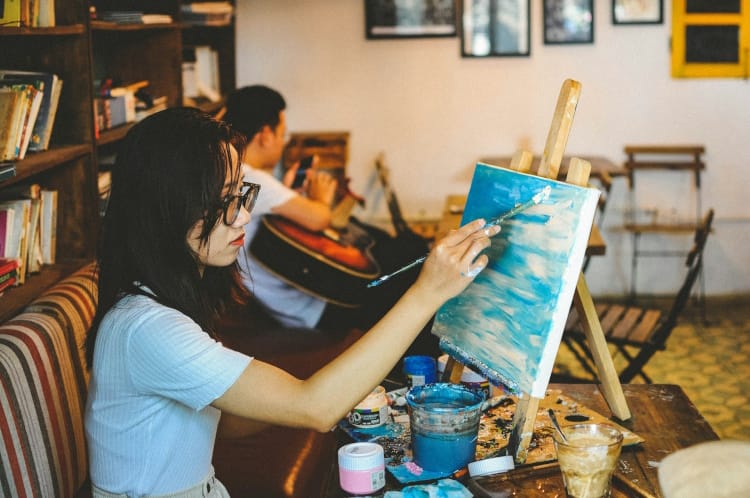
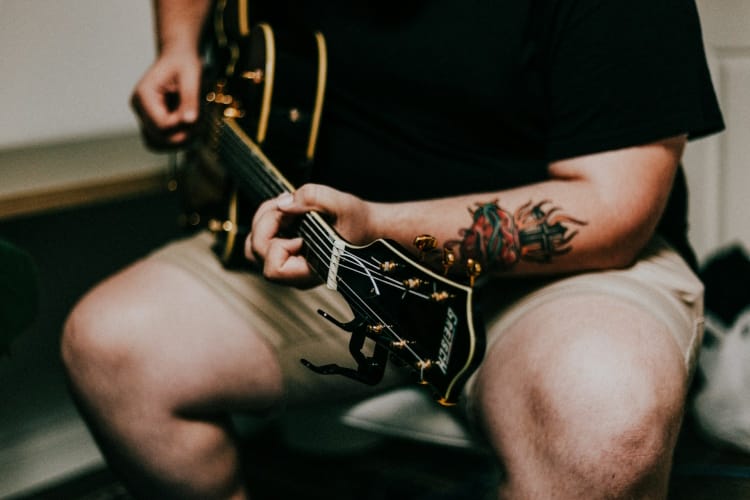
Whether it's painting, writing, or playing a musical instrument – each of these activities challenges us to think outside the box and develop novel, innovative concepts. Huynh Nguyễn @huynhbeat, via Unsplash
This not only strengthens our problem-solving skills, but also our ability to think creatively and flexibly in different areas of life.
06 Positive feelings and the perception of happiness
The positive effect of creative processes is indeed based on a so-called flow experience , an intense feeling of success that conveys deep happiness and satisfaction, explains Tamara Niebler * . Every time you create something new, you become aware of your own creative power and slip into a state of flow.
But creativity and experiencing flow achieve far more: Artistic activities such as writing, painting, pottery, singing , or playing music not only help to reduce emotional tension but also offer a valuable space for processing problems. Every single person possesses the potential for creativity. It simply depends on creating the right environment and setting to unlock this potential.
Hobbies and creative activities are therefore excellent ways to boost our happiness and overall well-being. When we engage in activities that bring us joy, we release dopamine – a neurotransmitter associated with positive feelings such as pleasure and satisfaction.
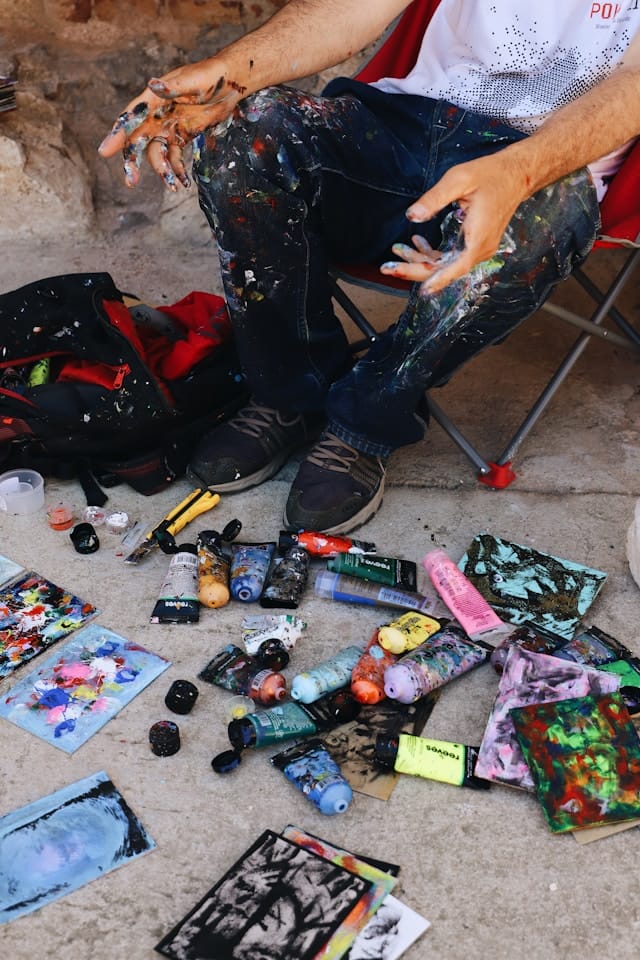
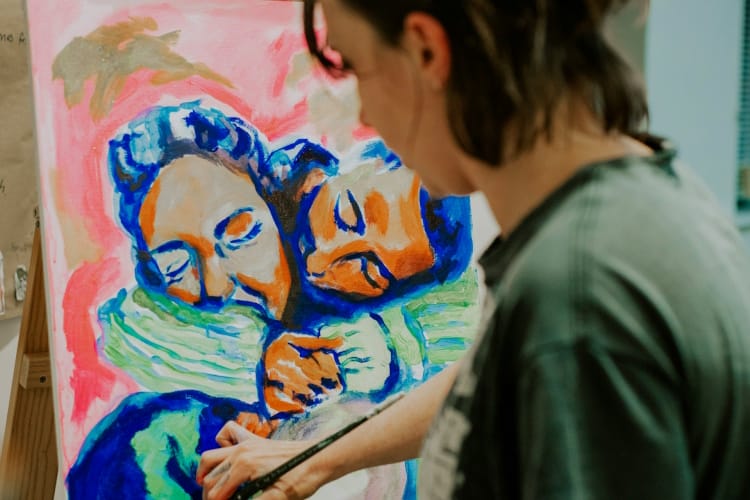
Full of color and splashes… but happy 🙂 Only art can do that! Photo by Aliya Amangeldi @aliyaamangeldi_photography, via Unsplash
This release can lift our mood and sustainably improve our quality of life.
07 Lasting well-being
Creative activities have been proven to reduce stress and lead to significant changes in the brain. A research team at the University of Otago*"flow" state mentioned by Niebler in our emotions.
A closer look at the various creative activities reveals that the specific type of activity is less important. Whether making music, knitting, crocheting, creative writing, recipe development, painting, or graphic design – the participants explored a wide range of activities.
The results of this study are extremely revealing: On days when participants engaged in creative activities, they experienced significant changes in their mood. They reported increased feelings of happiness and energy. In contrast, positive emotions on the following day had no impact on creativity. Nevertheless, positive feelings could support the creative activities that took place on the same day.
Scientists even speak of an "upward spiral" . Creativity not only fosters immediate joy but also ensures that positive feelings arise the following day . These lingering positive emotions can, in turn, trigger a creative impulse on the same day. This cycle creates a motivating link between creative activity and increased well-being.
Creative hobbies: Strengthening mental health and resilience in people with spinal cord injuries
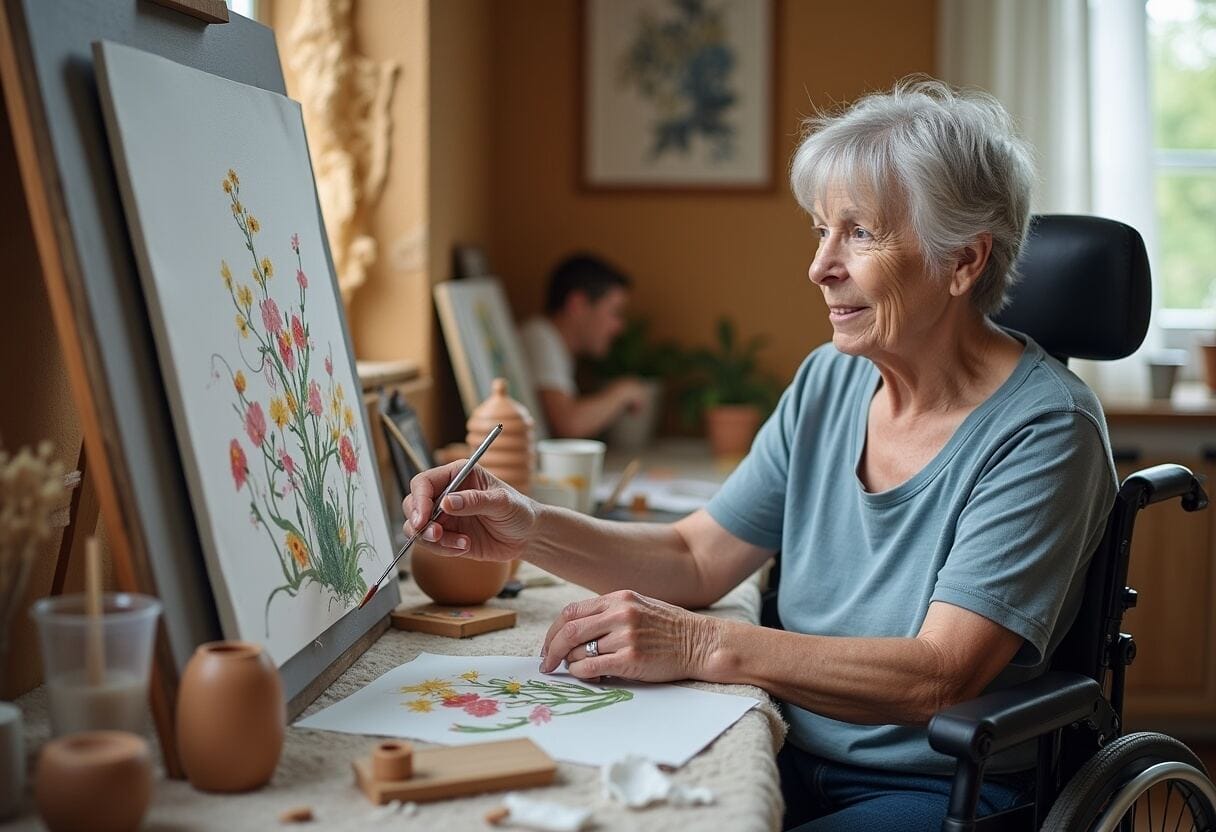
People with spinal cord injuries who engage in artistic activities actively contribute to their well-being – be it through painting, drawing, or creating sculptures. The image is for illustrative purposes and was generated using the AI tool ImageFlash.
Creative activities – be it painting, pottery, drawing, crafting, or needlework – offer people with spinal cord injuries a wide range of opportunities to develop their creativity. This was impressively demonstrated in an article from Der-Querschnitt.de , the information portal of the Manfred Sauer Foundation* .
The focus is not on creating gifts for family and friends. Rather, participants concentrate on the positive effects of these creative activities on the mental health and resilience of individuals.
People with spinal cord injuries who engage in artistic activities experience an increase in their well-being – regardless of whether they paint, draw, or create sculptures. Even individuals with severe paralysis can be active : the intensive observation and analysis of images opens up new visual perspectives and stimulates reflection. External visual and auditory stimuli, such as those encountered during guided image viewings, also affect organic structures and thus support physical and psychological recovery processes (see Zäch * ).
In this context, it is clearly important to consider two different aspects: Firstly, creativity as a leisure activity, which has the positive side effect of increasing psychological well-being. Secondly, creativity that develops under professional guidance in an art therapy context and specifically exerts its healing effect.
Various opportunities to be creative in your free time
01 Singing: A boost for body and mind
Those who sing develop far more than just their talent. Singing is a complex art form that requires multifaceted skills – including sound production, elocution, aural skills, a sense of rhythm , body awareness, and self-perception. This also explains the multitude of positive effects that singing has on an individual's mood and health.
Singing: A boost for body and mind. Photo by Vidar Nordli-Mathisen @vidarnm, via Unsplash
Singing promotes a pleasant voice, even in old age, helps prevent back pain, stimulates digestion, strengthens the immune system, improves blood circulation, and strengthens the cardiovascular system. Furthermore, it increases both physical and mental performance.
The creative expression and experience of flow while singing also have a meditative quality and significantly impact our mental well-being. Numerous scientific studies confirm, in particular, the stress-reducing, anxiety-relieving, and mood-enhancing effects of singing.
In addition, singing opens up space for profound self-discovery, allowing you to become more aware of your own abilities and potential. Even humming a melody or singing in the shower has positive effects. The body is better supplied with oxygen, which promotes performance and concentration.
Scientists have found that choir singers often have better cardiovascular health. Regular practice also promotes emotional well-being. Singing not only strengthens the diaphragm but also has a meditative effect.
02 Drawing: Design your happiness
As is widely known, drawing offers a wonderful opportunity to develop creative abilities. However, few realize that it also keeps the human brain active and efficient. Drawing specifically stimulates the right hemisphere of the brain, which is responsible for visual, emotional, and creative thinking.
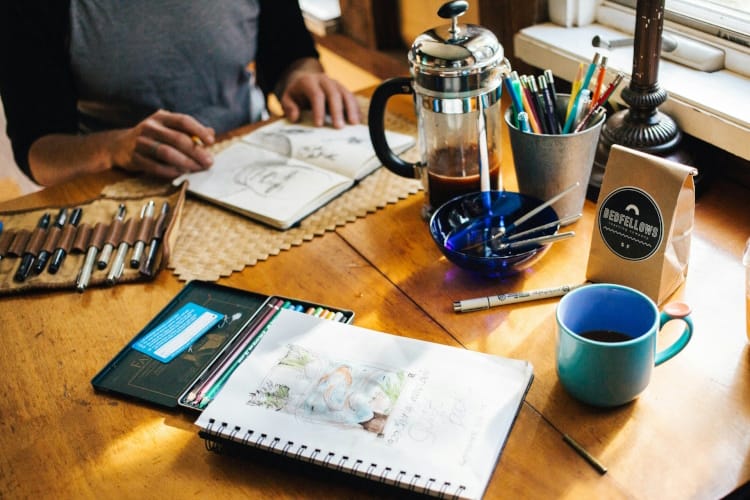
Drawing as an artistic hobby: Create your happiness. Photo by Rachael Gorjestani @rachaelgorjestani, via Unsplash
This activation is particularly valuable because the left hemisphere of the brain, responsible for logical and analytical thinking, is often more heavily used in our daily lives. As a result, the right hemisphere – and thus our artistic and creative talents – often remains unused.
Those who draw with joy and passion not only train their drawing skills but also improve their overall mental fitness. Numerous participants in drawing courses report increased creativity, improved concentration, and even enhanced eyesight.
Furthermore, drawing has a calming effect and actively supports the reduction of anxiety. It is no coincidence that drawing is an integral part of art therapy . In the depths of the creative process, worries and problems lose their significance; one enters a state in which spatial and visual thinking are required and precise hand movements become necessary.
Use drawing as a personal path to more joy in life, relaxation and mental alertness!
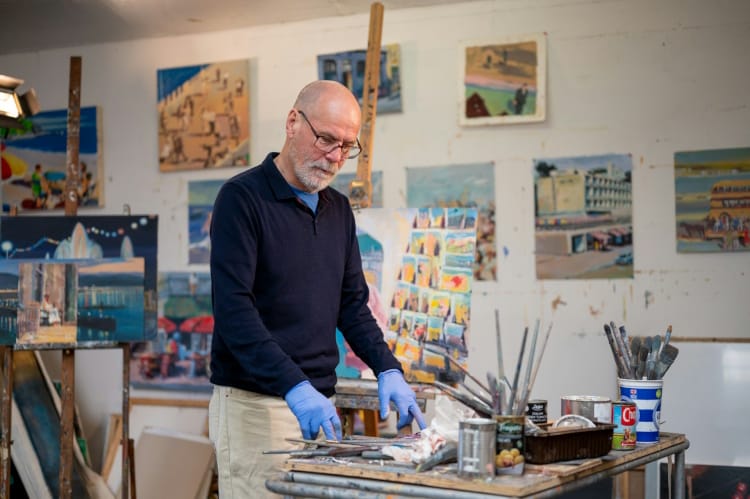
03 Painting: Therapy and Expression
Studies show that 60% of people who paint are able to reduce stress and relax more easily. Colors and shapes stimulate imagination and boost self-confidence. Painting also trains fine motor skills. Children improve their hand-eye coordination through this activity, while adults benefit from its calming effects.
Painting: Therapy and expression. Photo by Mieke Campbell @miekelauren, via Unsplash
The importance of painting for our well-being becomes apparent as early as childhood. Painting plays a particularly central role in these early years, especially during phases when our language skills are not yet fully developed.
In such moments, painting and drawing offer an excellent opportunity for self-expression. This explains why painting workshops have become an indispensable part of art therapy: pictures often convey more than a thousand words.Besides the ability to express emotions and thoughts that are difficult to put into words, painting also has numerous positive effects on our health – both physical and mental.
Painting, for example, promotes fine motor skills because it requires creative use of different materials. Brain function also benefits enormously from painting, as both hemispheres are actively involved while we work in the creative flow.
But that's not all: Regular painting significantly increases the ability to concentrate, which benefits our mental health. Anxiety is reduced, problems fade into the background, and a deep sense of relaxation spreads. As a result, we are better equipped to quickly overcome challenges and face crisis situations with greater composure.
Painting is therefore not only a creative process, but also a valuable journey towards personal development and inner peace.
04 Making music brings joy to our lives
Even in early childhood, we experience firsthand how profoundly music influences our mood, well-being, and emotions. For this reason, music therapy now become an established component of psychotherapeutic approaches.
Making music brings joy to our lives. Photo by Priscilla Du Preez 🇨🇦 @priscilladupreez, via Unsplash
But what exactly makes playing music so enjoyable? Harmonious sounds, which we perceive as pleasant, stimulate our brain to release the happiness hormone dopamine. This not only leads to immediate feelings of joy but also motivates us in the long term.
Furthermore, making music actively engages not only our hearing, but also our senses of touch, movement, and sight. The calming effect of music has positive impacts on our physical well-being: cognitive performance improves, blood pressure decreases, and the heartbeat finds its balance.
However, there is no single genre of music that delivers the best results for health promotion. Everyone has their own individual taste in music and therefore reacts differently to different sounds.
What one person finds relaxing and soothing can cause restlessness and irritability in another.As a general rule, loud and shrill sounds are stimulating, while deep and dark tones are perceived as relaxing and liberating.
05 Dancing: Movement for body and soul
Dancing combines creativity with physical movement and has numerous health benefits. It strengthens the cardiovascular system, improves coordination, and increases stamina. The rhythmic movements to music also promote emotional balance.
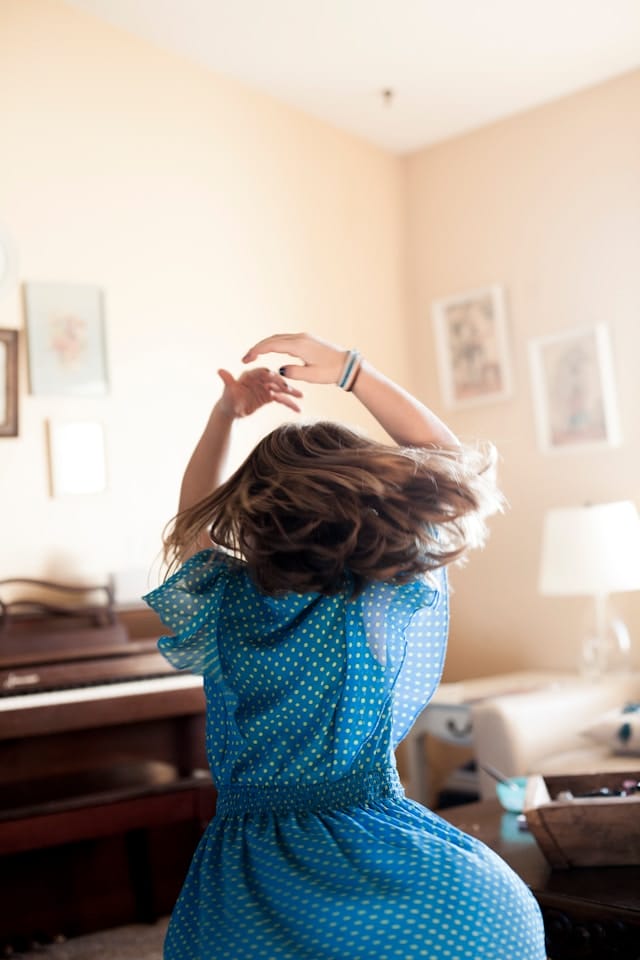
Dancing: Movement for body and soul. Photo by Laura Fuhrman @lauracathleen, via Unsplash
Studies show that dance groups experience a stronger sense of community. Partner dancing also promotes the bond between partners. Free dancing, on the other hand, stimulates the imagination and allows room for individual creativity.
It literally makes energy flow and everyday worries fall away. This effect is amplified if, for example, you dance barefoot on a lush green meadow or jump through puddles or mud like a toddler.
06 Writing: Creatively processing thoughts and freeing the mind
Writing is a universal hobby that structures thoughts and channels emotions. It supports self-reflection and helps to better understand complex experiences. Regular writing promotes language development and trains memory.
Simply keeping a journal can help process daily life and gain clarity. Creative methods such as free writing or composing poems stimulate the imagination.
Furthermore, writing has demonstrably positive effects on our mental and emotional health. Numerous studies show that creative writing increases creativity, improves self-presentation skills, and promotes self-reflection. In addition, writing leads to increased subjective well-being, reduces anxiety, and helps us successfully overcome challenges.
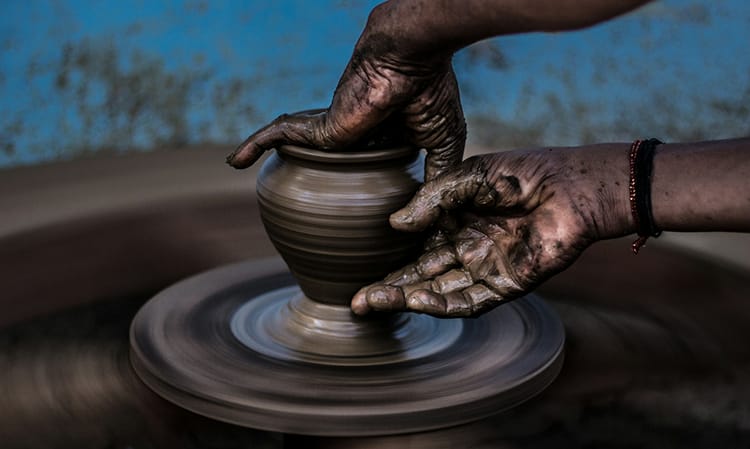
07 Pottery: Learning mindfulness and fine motor skills
Pottery combines craftsmanship with artistic freedom. This activity requires concentration and patience, while simultaneously offering an immediate sense of accomplishment. Working with clay and using one's hands promotes fine motor skills and strengthens body awareness.
Pottery: Learning mindfulness and fine motor skills. Photo by SwapnIl Dwivedi @momentance, via Unsplash
Studies show that creative activities like pottery lower stress levels and promote dopamine release. The repetitive movements, such as shaping and smoothing the clay, have a calming effect and focus the mind. People who pot regularly report an increased sense of satisfaction and improved self-esteem.
08 Felting: Gentle stimulation of the sense of touch
The oldest archaeological finds of felt products date back to the Neolithic period, and some scientists even suspect that this art form is much older. But felting is far more than a traditional craft; it is a profound, creative experience that engages all the senses.
The feel of the soft and coarse wool, the natural scent, the warm lye, and the gentle glide of your hands over the fabric create an intimate connection to the earth and promote deep relaxation. Although felting requires concentration and patience—fulling takes time and sometimes strength—the joy of the results is immeasurable.
Felting offers countless inspiring moments where you feel completely at peace with yourself. Leave everyday life behind and immerse yourself in a world of inner calm and creativity.
09 Sculpture: In harmony with modeling
Sculpture and modeling combine craftsmanship with profound expertise, but above all, they are an expression of creative work. At its core, it is about breathing new life into an inanimate material through artistic design. A sculptor unfolds the beauty of materials such as stone, wood, clay, concrete, plaster, or wax by liberating them from their original state and giving them a unique form through their own deep understanding of art and its individual meaning.
Does it bring happiness? Absolutely! There's a reason why important artists dedicated their time to the supposedly "starving artist's art" and often accepted modest living conditions. Artistic activity truly brings joy and simultaneously fosters self-confidence, creativity, and the ability to concentrate.
Furthermore, sculpting allows us to develop an awareness of our own creative power and discover the endless possibilities that arise from it. Being in this creative flow not only promotes relaxation but also helps to reduce anxiety and resolve conflicts more easily. Last but not least, sculpting has positive effects on the body: it improves both fine motor skills and muscle tone.
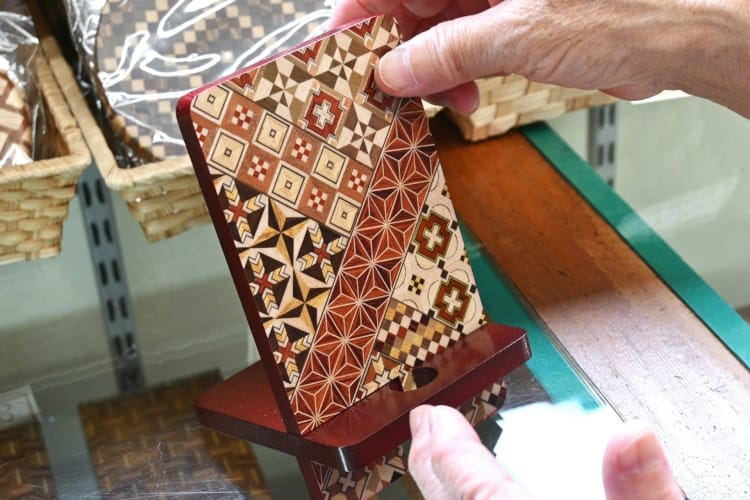
10 Mosaic art: A timeless masterpiece reinterpreted
The art of mosaic making has an impressive history dating back over 4,000 years. Even in antiquity, early civilizations used this technique to embellish objects and create vivid depictions of people and animals.
Mosaics: A timeless craft reinterpreted. Photo by 萬 北村 @tamu1500, via Unsplash
Even today, outstanding artists such as Friedensreich Hundertwasser, Antoni Gaudí, and Niki de Saint Phalle continue the tradition of this expressive art form. They demonstrate that mosaics are not only works of art, but also bring joy and serve as a creative form of expression.
The term "mosaic" is derived from the Latin "musaicum , "work dedicated to the Muses," . Creating mosaics offers everyone the opportunity to unleash their individual creativity. It opens up endless possibilities for bringing the fascinating diversity of shapes and colors to life in one's own work.
By using a wide variety of materials – from ceramics and porcelain to shells and mirrors, to stained glass and marble – extraordinary works of art are created that not only impress visually, but also touch the soul.
Glassmaking is a time-honored and fascinating craft that has its roots in 17th-century Italian masters who brought it to perfection. This is no wonder, as glass is one of humankind's oldest materials and captivates with its versatility.
Beyond its rich history, glassblowing represents an impressive creative expression that demands a profound aesthetic understanding as well as sensitivity, skill, strength, stamina, and concentration. This art allows the artist to enter a state of creative flow and create unique works that delight the eye and stimulate the mind.
12 Printmaking: Immersing oneself in traditional techniques and creating something new
Prints represent a fascinating and historic form of illustration that has significantly contributed to visual communication in books and newspapers. Originally, pictorial representations intended to complement text had to be created using elaborate processes such as incising, cutting, or engraving on wood, linoleum, or copper. These techniques enabled the creation of impressive illustrations for printed materials of all kinds.
Printmaking is one of the fine arts and has inspired many outstanding artists over the centuries. Famous masters such as Albrecht Dürer (engraving), Rembrandt (etching), and Hans Theo Richter (lithography) have left their mark on this discipline and perfected its techniques. Even today, some printmaking techniques, such as etching, are still used by contemporary artists and contribute to the diversity of graphic art.
13. Blacksmithing:Taming the primal force of fire
The fascinating interplay of fire and iron is one of humankind's oldest crafts. The magic of this art form lies in shaping the iron into the desired form at breathtaking speed.
Forging requires not only power and strength, but also sharpens mindfulness, composure, courage and patience.
14 Goldsmithing:In flux with the king of blacksmithing disciplines
The art of goldsmithing is undoubtedly one of the oldest and most fascinating crafts known to humankind, with roots documented as far back as the 5th century BC. It is therefore perfectly understandable that this intricate manufacturing technique continues to inspire such enthusiasm today.
Goldsmithing demands not only an exceptional level of concentration, patience, and manual dexterity, but also vibrant creativity and a keen sense of aesthetic design. These unique requirements not only contribute to mastery of the craft, but also promote the goldsmith's physical and mental well-being and strength.
Sources, expert support and further information:
Duden:Hobby
The Incognito Philosopher:Creative Hobbies & Activities – Why Being Creative Is Good for Us , https://www.die-inkognito-philosophin.de/blog/vc8ywoxpgheuyr17j4ih0jyqn23sq1
FasterCapital : The Power of Hobbies and Creative Activities , https://fastercapital.com/de/thema/die-kraft-der-hobbys-und-der-kreativen-aktivit%C3%A4ten.html
Conner, TS, DeYoung, CG, Silvia, PJ:Everyday creative activity as a path to flourishing.IN: The Journal of Positive Psychology, 11, 2016
Der-Querschnitt.de – The information portal of the Manfred Sauer Foundation : Creative hobbies: Strengthening mental health and resilience , https://www.der-querschnitt.de/archive/39450
Bolwer, A., Mack-Andrick, J., Lang, FR, Dörfler, A., & Maihöfner, C. (2014) . How Art Changes Your Brain: Differential Effects of Visual Art Production and Cognitive Art Evaluation on Functional Brain Connectivity . PLOS, 9(7)
Owner and Managing Director of Kunstplaza . Publicist, editor, and passionate blogger in the fields of art, design, and creativity since 2011. Graduated with a degree in web design from university (2008). Further developed creative techniques through courses in freehand drawing, expressive painting, and theatre/acting. Profound knowledge of the art market gained through years of journalistic research and numerous collaborations with key players and institutions in the arts and culture sector.
We use technologies such as cookies to store and/or access device information. We do this to improve your browsing experience and to display (non-)personalized advertising. If you consent to these technologies, we can process data such as browsing behavior or unique IDs on this website. Refusal or withdrawal of consent may adversely affect certain features and functions.
Functional
Always Active
Technical storage or access is strictly necessary for the legitimate purpose of enabling the use of a specific service expressly requested by the subscriber or user, or for the sole purpose of carrying out the transmission of a message over an electronic communications network.
Preferences
The technical storage or access is necessary for the legitimate purpose of storing preferences that were not requested by the subscriber or user.
statistics
Technical storage or access that is solely for statistical purposes.Technical storage or access that is used solely for anonymous statistical purposes. Without a subpoena, the voluntary consent of your internet service provider, or additional recording by third parties, the information stored or retrieved for this purpose cannot generally be used to identify you.
marketing
Technical storage or access is required to create user profiles, to send advertising, or to track the user on one or more websites for similar marketing purposes.







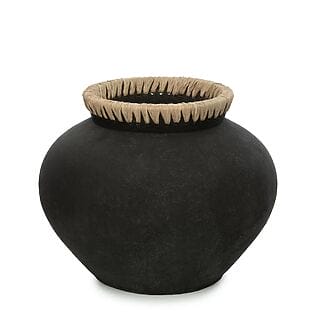
 Terracotta belly vase "Styly" with raffia details, black (size: L)
Original price was: €65.9532,95 €The current price is €32.95.
Terracotta belly vase "Styly" with raffia details, black (size: L)
Original price was: €65.9532,95 €The current price is €32.95.