A successful space is like a work of art – it's brought to life by light, materials, textures, and an atmosphere you can feel. But what happens when the underlying technology fails? Design lovers and art enthusiasts know: true aesthetics are only complete when everything hidden works perfectly, down to the smallest detail. A search for clues amidst seamless bathrooms, minimalist galleries, and the craftsmanship of the invisible drain.
Typically, one is immediately struck by the visual stimuli when entering a modern gallery, a minimalist studio , or a high-end bathroom. Interior design logically often focuses on what catches the eye: wall treatments with elegant lime plaster, custom-made furniture, carefully selected art objects, thoughtful lighting, and tactile experiences through materials such as ceramic, natural stone, or concrete. However, each of these atmospherically charged spaces has a second, much calmer level.
It encompasses connections, pipes, drainage points, sensitive ventilation systems, and maintenance access. Whether a room retains its curated elegance or succumbs to the mundane problems of everyday life inevitably depends on this technical infrastructure. In apartments with sophisticated interior design, but also in studios, creative offices, or showrooms, a simple technical defect, such as a clogged drain, can disrupt far more than just the daily routine.
The hidden dimension behind interior design and spatial perception
Excellent spatial planning considers everyday situations from the outset. Technical defects can instantly alter the feel and atmosphere of a room. A minimalist spa bathroom is meditatively tranquil, but this serenity vanishes immediately if the drain gurgles audibly in the background. An open-plan kitchen, beautifully designed and inviting, loses its appeal if unpleasant odors from the sink permeate the space. An artfully designed guest area, furnished with care, completely loses its charm if dampness is visible on the floor.
Good, and above all sustainable, design never stops at the surface. It considers the life and use behind the magnificent facade. In contemporary architecture, drains, pipes, and sanitary facilities should ideally no longer appear as visible eyesores. They are concealed, integrated, and reduced to an aesthetic minimum.
Seamless aesthetics: When utility remains invisible
The bathroom design sector has changed significantly over the past three years, primarily due to the demand for minimalist, flowing spatial concepts. Photo by Getty Images @gettyimages, via Unsplash
Seamless surfaces are the next big trend. In the past, bathrooms and wet areas of studios featured small tiles with large grout lines, but nowadays large-format coverings such as terrazzo, cast microcement , or large-format natural stone slabs in vogue.
This architectural minimalism, however, demands a high level of drainage performance. Everything must blend harmoniously: where there are no joints, the drain should not abruptly interrupt the surface. Leading sanitaryware manufacturers have responded to this desire of interior designers.
The drainage specialist Dallmer is a pioneer in this field. Today, the modern shower channel is no longer seen merely as a necessary technical component, but as an essential part of the design. This shift in modern interior design is succinctly summarized by Ralph Wagner, Key Account Architecture at Dallmer, as follows:
The new aesthetic of seamlessness conceals functionality
Nowadays, modern drainage systems are often designed to be filled with the thin-layer floor covering (such as microcement). The only thing visible in the end is a millimeter-thin shadow gap – a delicate, brushed stainless steel frame or a frame in matching PVD-coated colors such as matte black or rose gold, which blends elegantly into the room design.
Even renowned designers recognize the value of this development. Alexander Fehre, creative director and founder of Studio Alexander Fehre (Stuttgart), spoke about the integration of these modern drainage systems in a material test for the trade magazine AIT:
The requirement for seamless shower drainage is met with a sophisticated, technically advanced approach. All in all, this represents a very attractive solution compared to unsightly angled cuts in the slab material
Why creative spaces are particularly affected by water problems
In a typical private bathroom, aesthetics and comfort are paramount; however, in creative spaces – such as studios, workshops, or galleries – there are also very real risks to consider. "What to do about a blocked drain?" – In a normal household, a drain problem is a minor annoyance. In a space used for creative or museum purposes, it can have irreparable consequences.
Highly sensitive materials are exposed here to water, odors, and uncontrolled humidity: unprotected works on paper, stacked canvases, open-pored wooden frames, textile wall hangings, limited-edition catalogs, antique carpets, or architecturally sensitive floor coverings. Even small amounts of stray water can cause serious damage: stains appear, canvases warp, or mold growth is encouraged, which negatively impacts the indoor climate in the long term.
The sanitary facilities in these spaces are often used in unconventional ways. Studios and galleries frequently feature multifunctional wet rooms: they are equipped with sinks for washing brushes, small kitchenettes for catering at exhibition openings, and sometimes work areas where clay, acrylic paint, dust, or adhesive residue is used. Not everything that gets washed down the drain in a creative environment should end up in the regular household sewer system. Pipes can gradually become clogged by paint pigments, fine paper fibers, plaster residue, or simply by greasy deposits.
The result: A problem rarely develops with a loud bang in a single day. Rather, it makes a silent announcement. It begins with a sink that drains slowly, a slight gurgling in the wall, or an odor that always becomes noticeable when the weather changes.
Those who wait to address these minor, subtle aesthetic imperfections risk a small olfactory cue developing into a major, visible (and costly) structural problem. Proactive facility management is therefore essential for rented studios, gallery spaces, or high-end privately designed rooms. Professional contacts, such as specialists or a professional drain cleaning service, should before the worst-case scenario occurs, where water is standing on expensive oak parquet flooring.
Material selection and maintenance: An architectural balancing act
Many modern interiors consciously choose materials that are natural, matte, or porous. Materials such as wood, lime plaster, linen, natural stone, concrete-look finishes, and handcrafted ceramics lend the room depth, character, and a unique tactile quality. Their aesthetic appeal is undeniable, but in everyday use, they don't always hold up well when exposed to uncontrolled moisture or harsh cleaning methods.
An industrial, high-gloss tile floor is naturally more forgiving than a historic, carefully oiled wooden floor. A robust washbasin made of fired ceramic sanitaryware requires less maintenance than a minimalist, open-pored travertine countertop. Textile acoustic elements, heavy velvet curtains, or hand-knotted carpets provide the desired warmth and sound insulation in the room; however, they absorb ambient moisture and fumes from leaking pipes much more quickly.
Therefore, the sanitary infrastructure and technical maintenance of a room must be perfectly aligned with the choice of materials. The tension between design requirements and technical risks in different room types is illustrated in the following overview:
room or area
Design ambition
Risk associated with drainage problems
Studio kitchen
Open meeting place for work, coffee and conversation
Odors, grease deposits, water on the floor
Guest bathroom
Small space with a strong design impact
visible disturbance, unpleasant impression
Gallery space
calm presentation of artworks
Moisture near sensitive objects
Creative agency
Combination of work, reception and everyday life
Interruption of appointments and usage
Work area
Practical handling of materials
Deposits from paint, dust or fiber residue
Gentle SOS strategies: What matters when the design works
In a room with complex architecture, it's crucial to act calmly and thoughtfully when a drain slows down or becomes completely blocked. Panic often leads to serious mistakes – such as the reflexive use of extremely aggressive chemical drain cleaners. These can irreparably damage the high-quality PVD coatings on designer fixtures (such as brass, brushed black, or rose gold). Even hasty scrubbing with stiff brushes or an untrained attempt to disassemble a complex designer siphon often results in scratched surfaces.
In aesthetically designed spaces, the response should be clean, methodical, and absolutely careful with materials. A short, elegantly worded internal procedure ("What to do in case of technical malfunctions?") can be invaluable for exclusive homes, studios, or small cultural venues. A documented, clearly defined process saves time and prevents improvised solutions that do more harm than good, especially in shared spaces.
A practical plan for emergencies that conserves resources:
Immediate isolation: Turn off the tap immediately and strictly avoid any use of the affected drain.
Evacuation of art: Immediately remove sensitive objects, works on paper, textiles and small, low-lying pieces of furniture from the danger zone.
Gentle water absorption: Dab any water on the floor and carefully absorb it with soft textiles, without spreading it over sensitive wooden floors, carpets or porous stone.
Avoid chemicals: Never use aggressive, corrosive chemicals! Unclear factors such as the material, the exact route of the pipe, or the cause can often lead to these substances damaging the seals and the precious metal surfaces of the fittings.
Cause mapping: Calmly investigate whether only a single drain is affected (local problem) or whether several areas show symptoms simultaneously (indication of a deeper backflow problem).
Professional cure: In case of recurring blockages, persistent odors, backflow or falling water level in the siphon, consult professionals immediately.
Aftercare: After successful repair, ventilate the area thoroughly, dry gently, and in the following days check the baseboards for hidden traces of moisture every minute.
Design for spaces that are actually used
An often overlooked architectural truth is that beautiful spaces are not mere showroom models. They are intensively inhabited, frequented by hundreds of guests, cleaned, occasionally rented out, photographed for editorials, remodeled, and inevitably overloaded during peak times. A high-quality kitchen in a studio is in use – coffee grounds are made here, dishes are washed here.
A minimalist bathroom becomes humid from hot showers. A sculptor's studio inevitably gets dirty. And during an opening reception, a quiet gallery space suddenly transforms into a room with catering stations, large flower arrangements in vases, and makeshift water connections.
For this reason, it is crucial that interiors are designed from the ground up so that maintenance and technical infrastructure work with the design, rather than against it. This is the pinnacle of interior design. Although access panels and connections to traps or manifolds must always remain accessible, magnetic closures, push-to-open mechanisms, and flush-mounted installations allow them to be invisibly integrated into the wall surface, blending seamlessly into the overall design.
Washbasins and faucets should not be chosen solely for their sculptural beauty in the catalog, but must be strictly evaluated according to their actual use. In high-traffic areas, homogeneous, robust materials such as through-body colored solid surface or extremely hard porcelain stoneware are often a better choice than highly sensitive, porous surfaces that only look perfect on the day of the photoshoot.
Even the small, invisible details in the room design are of great help: an inconspicuous storage space for cleaning utensils that hides them; a clear process for washing brushes (for example, through special plaster separators under the sink); a modern, whisper-quiet exhaust system; easily accessible but hidden shut-off valves for the water; and clearly documented contacts for technical assistance.
The principle is simple: the smarter and more invisibly a room is organized in the background, the longer its visible, aesthetic design remains undisturbed and radiant – like an undisturbed path that is not affected by obstacles.
True beauty comes from within
A space is truly masterful only when it withstands the challenges of everyday life without losing its dignity. This applies equally to an intimate private bathroom with a framed art print on the wall, the creative chaos of a studio, the focused calm of a design office, or the auratic rigor of an art gallery.
A profound, impressive composition of curated color, dramatic light, and a perfectly formed object immediately loses all its impact if a musty smell, creeping damp, or simply stagnant water defines the first impression. At first glance, drains, gutters, and traps appear banal—precisely because they are not intended to be part of a room's conscious aesthetic design.
However, they are also the silent guardians who preserve this very language. Tirelessly, they ensure that elegant surfaces remain dry, precious materials are not unnecessarily damaged, and the use of spaces is not interrupted by malfunctions. In this holistic sense, the planning of drainage, pipe and drain maintenance is not a bothersome add-on, but rather an essential, silent part of the infrastructure that must be designed appropriately and to an excellent standard.
For everyone who designs, renovates, or curates interiors today, it's crucial not to view technology as a bothersome disruption to the design. It's the invisible foundation that allows design to exist and function in everyday life. Art requires flawless walls, perfect lighting , and unobstructed sightlines. Atmosphere, comfort, and a subtle sense of order are what living and creative spaces need. All of this depends on a technical foundation that operates with absolute reliability behind the scenes—especially when no one sees it.
Owner and Managing Director of Kunstplaza . Publicist, editor, and passionate blogger in the fields of art, design, and creativity since 2011. Graduated with a degree in web design from university (2008). Further developed creative techniques through courses in freehand drawing, expressive painting, and theatre/acting. Profound knowledge of the art market gained through years of journalistic research and numerous collaborations with key players and institutions in the arts and culture sector.
Category for interior architecture, interior design, room design, home design, commercial furnishing, product and material innovation.
Here you'll find everything an interior designer's heart desires. We present the latest trends and developments in the world of home design, as well as innovative products and materials for creating unique spaces.
Our goal is to provide our readers with inspiration and help them creatively redesign or completely transform their living spaces.
We place great importance on ensuring that our articles are not only esthetically pleasing but also include practical tips.
We also introduce you to successful interior designers – from newcomers to the most well-known names in the industry – so you can be inspired by their projects and get to know their working methods.
Whether it's about making the most of a small space or furnishing your home with new furniture in the trendy industrial style: With us, you will find all the information you need on the topic of interior design!
We use technologies such as cookies to store and/or access device information. We do this to improve your browsing experience and to display (non-)personalized advertising. If you consent to these technologies, we can process data such as browsing behavior or unique IDs on this website. Refusal or withdrawal of consent may adversely affect certain features and functions.
Functional
Always Active
Technical storage or access is strictly necessary for the legitimate purpose of enabling the use of a specific service expressly requested by the subscriber or user, or for the sole purpose of carrying out the transmission of a message over an electronic communications network.
Preferences
The technical storage or access is necessary for the legitimate purpose of storing preferences that were not requested by the subscriber or user.
statistics
Technical storage or access that is solely for statistical purposes.Technical storage or access that is used solely for anonymous statistical purposes. Without a subpoena, the voluntary consent of your internet service provider, or additional recording by third parties, the information stored or retrieved for this purpose cannot generally be used to identify you.
marketing
Technical storage or access is required to create user profiles, to send advertising, or to track the user on one or more websites for similar marketing purposes.








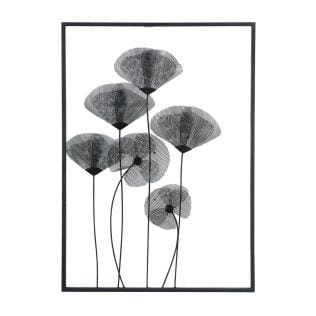
 Metal wall relief "Poppy" with floral motif and black frame
85,00 €
Metal wall relief "Poppy" with floral motif and black frame
85,00 €