Conceptual art for the home

Conceptual art for the home is, by definition, inconceivable. Conceptual art is, by its very definition, an art form in which the artwork is meant to live solely from the idea, while the material realization was considered rather unimportant by the original proponents of this art style.
The view of the artwork's essence should remain unobstructed and not be distorted by the aesthetic and ultimately technical skill of its execution. Therefore, conceptual artworks often appear unfinished, like sketches or drafts; the finished artwork is meant to emerge only in the viewer's imagination.

Photography by Dan Gold (Unsplash)
However, this hasn't quite worked out in the professional art world either: A lot of conceptual art sold for the home (or for public buildings or private palaces), numerous actually existing physical artworks that the “normal” (and normally earning) people among us unfortunately usually cannot afford.
Conceptual art would actually be a field where the creative among us could truly unleash their potential. If one were to move beyond the pure idea—as all conceptual artists who also sell their artwork do—and take a crucial step further: In everyday life, an idea can never remain without its realization in the artwork; rather, the idea behind the concept should be brought to life in an object. Then there could be many more conceptual artists among us.
For example, talented interior designers: various everyday objects in our homes would be more enjoyable if they were designed as small conceptual artworks. Just think of those boring trash cans, laundry baskets, or magazine racks.
Or imagine having a small work of art on every table in a seating area, which decorates, poses puzzles and also immediately collects all the small pieces of trash that one inevitably produces when sitting comfortably on the sofa, reading a book and nibbling on pistachios, for example.
Many conceptual artists create wonderful light installations that are beautiful even if you don't perform the physical exercises they often require while viewing them. You could try this yourself; any creatively gifted person can, for example, artistically modify simple, ready-made lamp models.
However, if you already believe that art also involves craftsmanship, and you possess good electrical engineering skills, you can learn to solder your own LEDs together in striking designs. Then you can create unique works of art to illuminate your home. Anyone who gets creative and comes up with ideas for some of the objects that surround them every day is creating conceptual art for the home.
What will inspire all creative people who delve deeper into such ideas is the variety of materials involved. They will welcome the opportunity to experience working with a wide range of fabrics in a completely new way through such projects.
You can certainly follow your own preferences: The technically oriented design freak will be enthusiastic about crafting from leftover aluminum parts, while the nature-loving animal lover will be delighted by the idea of felting her own bag from the collected (and repeatedly washed) hair of her dog .
The world is full of ideas for small-scale conceptual art, and no apartment will look like the showroom of the nearest furniture store after a budding conceptual artist has been at work. Anyone wanting instructions on how to learn conceptual art should actually first look for instructions on how to develop ideas.
That's a good approach that can benefit many people – basically, it's about courses where you learn to develop creativity. Such courses exist, in fact, there are many.
First of all, everyone gains new experiences in terms of creativity when they attend any kind of course that deals with art (actively or passively).
There are also specialized courses that teach creative thinking. These are creativity seminars and courses, often offered today for people working in creative fields. Alternatively, you could attend a summer academy on "Intuitive Painting" or a woodcarving workshop, for which inspiration is gathered beforehand in the forest.
However you begin, the crucial thing is that you start opening yourself up to the world of creativity. Perhaps you'll soon be producing your own works, which you can then post here on Kunstplaza .
We are of course also delighted about any artist who organizes creative courses and publishes their course offerings on Kunstplaza to introduce creative work to other people.

You might also be interested in:
 Andrea Fraser: A sharp look at the art world;
 Donald Judd: A look at the essence of sculpture;
 Body Art: More than just skin deep. The human body as an exhibition space
 ; Inspiration – Where artists and creatives find it;
 Visual planning as the key: The digital workflow behind impressive concept art
Featured Art




Design and Decor Highlights
-
 Modular sofa "New York" 2.5-seater, beige
2.200,00 €
Modular sofa "New York" 2.5-seater, beige
2.200,00 €
VAT included.
Delivery time: 5-9 working days
-
GT-Series Premium Ebony Automatic Men's Watch in Jet-Age Design
134,95 €
VAT included.
Delivery time: 1-3 working days
-
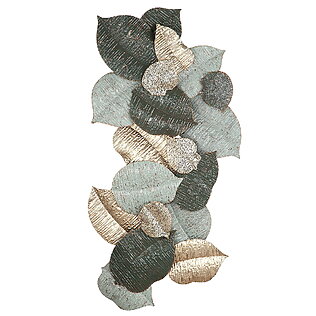
Metal wall relief "Rain of Leaves" with a glossy leaf motif
198,00 €
VAT included.
Delivery time: 3-5 working days
-
J-Line decorative cushion "Christmas tree" with fringes and pom-poms, cotton (white/gold)
42,90 €
VAT included.
Delivery time: 2-3 working days
-
J-Line Pompous Tealight Holder “Golden Feather”, Metal and Gold Leaf
49,95 €
VAT included.
Delivery time: 3-4 working days
-
J-Line Human Sculpture with Open Arms, Resin (Beige)
139,00 €
VAT included.
Delivery time: 2-4 working days
-
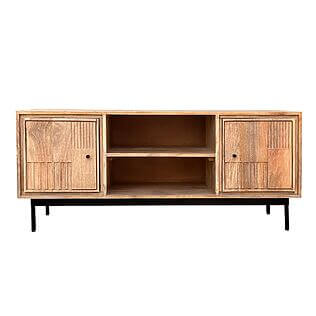
Elegant lowboard "Bata" with 2 doors & 2 open compartments, mango wood with delicate slats
1.300,00 €
VAT included.
Delivery time: 6-12 working days