Throughout history, artistic movements, with their respective philosophies, have always contributed to influencing other areas in terms of design language. This is also true ofjewelry making, whose results have evolved from simple accessories to artistic statements that reflect stylistic periods, social movements, and cultural trends.
From the archaic motifs of ancient civilizations to the bold, geometric patterns of today, the evolution of jewelry is inextricably linked to art history. From the organic lines of Art Nouveau to the geometric elegance of Art Deco and the minimalist aesthetics of Modernism, each era has left its mark on jewelry. And this is precisely the topic we will explore in this article.
Antiquity – Jewelry as insignia of spirituality, power and status
Art has influenced jewelry since ancient societies, when jewelry was more than just a way to look good; it was also a symbol of spirituality, power, and status. Inancient Egypt, jewelry held deep symbolic meaning.The designs were based on nature and the afterlife.
The Eye of Horus, scarabs, and ankhs were popular motifs. They were usually made of gold and set with colorful gemstones such as lapis lazuli, turquoise, and carnelian.
Some of the earliest societies, such as the Sumerians , Akkadians , Babylonians , and Assyrians , produced exquisite jewelry that displayed their wealth, status, and spiritual beliefs. As early as 3000 BC, people wore jewelry to look good, believing it would protect them from evil and demonstrate their divine love. They achieved a high level of artistry, employing techniques such as filigree, granulation, and enameling.
The Etruscans were true metalworkers. They excelled at working with iron, tin, copper, silver, and gold, and they were also skilled at smelting bronze. These techniques are beautifully evident in Etruscan gold jewelryThese pieces demonstrate their precision and their remarkable ability to create designs and patterns with astonishing attention to detail.
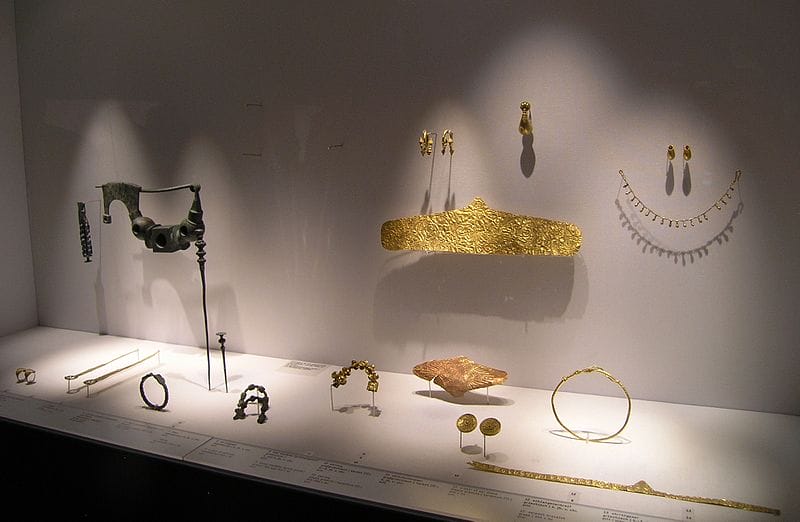
Myths and nature also influenced jewelry in ancient Greece and Rome . Greek jewelry often featured elaborate patterns of animals, leaves, and laurel wreaths, symbolizing victory, protection, and eternity. Roman jewelry, on the other hand, was heavily influenced by Greek art. It included large, striking pieces made of gold, pearls, and colored stones, designed to display power and prestige.
Jewelry Museum Pforzheim, ancient Greek jewelry. Image source: Ana al'ain, CC BY-SA 4.0, via Wikimedia Commons
Pre-Columbian jewelry: artistry rooted in nature and culture
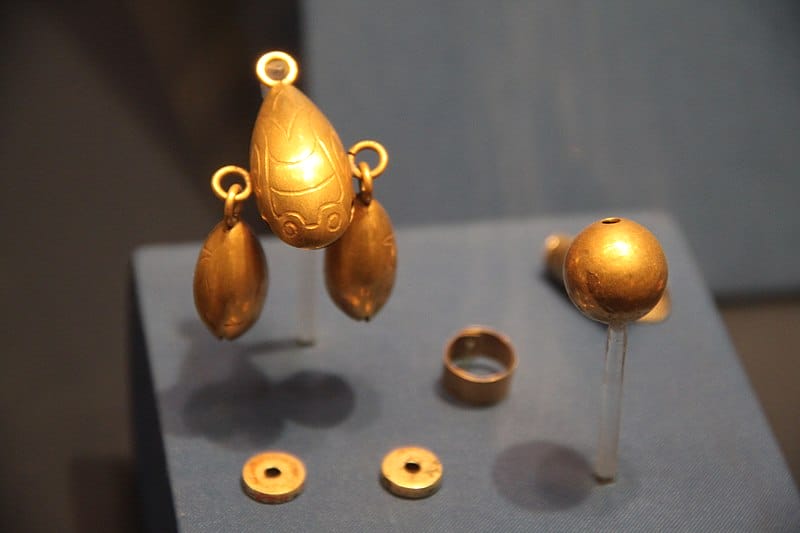
Before Columbus's arrival, pre-Columbian jewelry practices—spanning several Mesoamerican and South American cultures—demonstrated a strong connection to nature, spirituality, and social status. Cultures such as the Maya , Aztecs , and Incas are renowned for their magnificent metalwork and intricate designs crafted from gold, silver, and copper. These societies believed that jewelry was a powerful symbol of status, identity, spirituality, and connection to the divine.
Jewelry was worn by the elite of these societies—including kings, priests, and warriors—as a status symbol and as a tool to invoke supernatural protection. Pieces such as pectoral ornaments, nose rings, ear coils, and bracelets, often depicting deities, animals, and celestial bodies, were painstakingly crafted.
The Aztecs, for example, prized turquoise and used it in complex mosaics and amulets, which were believed to possess healing properties. Like other renowned goldsmiths, the Incas created exquisite works intended to capture the mystical essence of the sun god.
Aztec gold jewelry, Aztec (Mexica) Gallery, INAH, National Museum of Anthropology, Mexico City Image source: Gary Todd of Xinzheng, China, CC0, via Wikimedia Commons
Middle Ages – Terms & Conditions are wealth
Jewelry in the Middle Ages was still a status symbol, as well as a religious statement and an artistic expression. It ranged from modest wood carvings to magnificent gold crosses adorned with expensive stones. Jewelry was typically a symbolTerms & Conditionswealth . Since there was no banking system, jewelry served as a store of assets. Many pieces of jewelry had to withstand daily life and were therefore made robust.
Jewelry was strictly regulated. Certain materials and styles were socially exclusive. Peasants were forbidden from wearing gold rings, while nobles were permitted to wear precious stones. Medieval civilization was hierarchical, and these regulations reflected that.
Religious symbols dominated jewelry design at the time. Crosses, saints, and biblical themes were common. They were believed to protect against illness and evil spirits and served as a profession of faith. An impressively diverse range of materials was used. Bronze, copper, and tin were employed, but gold and silver were the most popular. Artfully crafted semiprecious stones, glass, bone, and wood were prized alongside rubies, sapphires, and emeralds.
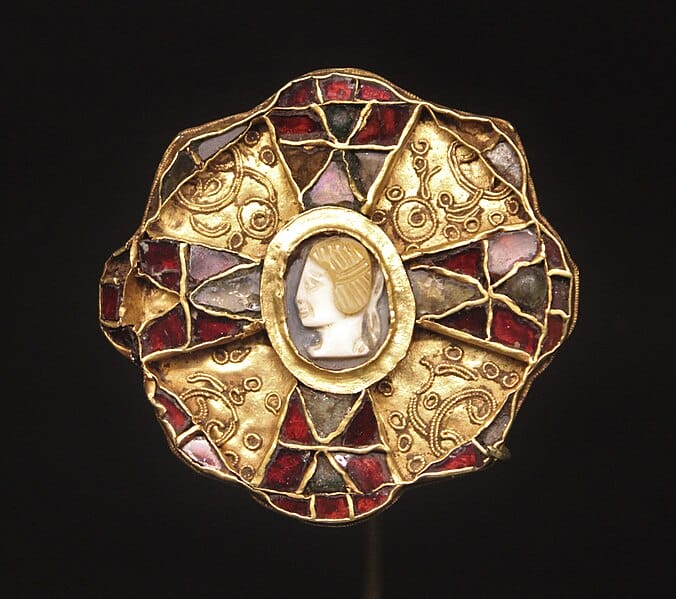
Many of these materials were traded over great distances. Mediterranean coral reached Scandinavia, while Baltic amber was used for jewelry throughout Europe. Medieval goldsmiths worked the precious raw material with great care. Filigree work, in which intricate patterns were created from the finest gold wires, reached its zenith in the Middle Ages. Enameling , in which colored glass is fused onto metal, resulted in vibrantly colored pieces of jewelry.
Brooch made of gold, garnets, onyx, and glass; the cameo in the center of the brooch is a reuse of an antique jewel, 7th century, Merovingian period. Image source: Zunkir, CC BY-SA 4.0, via Wikimedia Commons
Engraving and chasing – the processing of metal surfaces with fine tools – were also
Elegant natural shapes in Art Nouveau
Anyone who unique and interesting jewelry should definitely consider the characteristics of Art Nouveau. With its flowing lines and original ideas, this style shaped jewelry making in the late 19th and early 20th centuries.
Small designs inspired by flora and fauna were crafted by skilled goldsmiths.
Exquisite materials and artistic talent unite to create harmonious works. The artisans have reinterpreted natural beauty, crafting jewelry that transcends mere accessories. Their vision combines organic beauty with meticulous craftsmanship.
Renaissance – the return of classical elegance
Jewelry during the Renaissance reflected the revival of classical art and the aesthetics of the time. Renaissance jewelry was characterized byreligious and mythological themes, meticulous craftsmanship, and the use of precious metals.It was inspired by the art and culture of ancient Greece and Rome. Using enamel, pearls, and precious stones, jewelers of the time created elaborate necklaces, brooches, and rings, often featuring religious or mythological themes.
The cameo , a decorative stone or shell with a raised image or scene, was a hallmark of Renaissance jewelry. Due to their high value, many families kept these items as heirlooms for many years. Personalized jewelry featuring motifs such as family crests and monograms was also very popular during the Renaissance.
The Baroque period: Opulence and rich ornamentation
The Baroque period, known for its opulence, theatrical flair, and majesty, lasted from the late 16th to the early 18th century. Bolder and more elaborate jewelry, reflecting the luxury and power of the time, replaced the more restrained styles of the Renaissance during this period.
Complex, flowing designs were a hallmark of Baroque jewelry. It often featured enormous jewels set in elaborate gold settings. Preferred gemstones for Baroque jewelry included pearls, rubies, emeralds, and diamonds. Jewelry during this period was a statement of social and economic status, as well as refined taste.
Victorian era – romantic idealizations and industrial awakening
Victorian jewelry reflected the spirit of innovation and transformation of this era, named after Queen Victoria of England. Each of the three main periods of the Victorian era—the Romantic, the Sumptuous, and the Aesthetic—is known for its unique style and diverse influences.
Love, nature, and sentimentality had a significant influence on jewelry during the Romantic period (1837–1861). Popular pieces included rings, brooches, and lockets featuring floral motifs, birds, and hearts; these often contained a lock of hair or a hidden message. Although colored gemstones such as turquoise, amethyst, and garnet were popular, "mourning jewelry" made of jet and onyx became particularly sought after following the death of Prince Albert.
More solemn and elaborate decorations were characteristic of the Great Period (1861–1885), which was marked by the Queen's mourning. Comingos , heavy gold jewelry, and black jewelry were popular during this time, as it was primarily concerned with mortality and remembrance.
Lighter, more delicate patterns regained popularity during the Aesthetic Period (1885–1901), which emphasized artistic expression and craftsmanship. The elaborate designs and natural motifs of Japanese art and culture had a significant influence on the jewelry of this era.
Art Nouveau: Imaginative natural forms
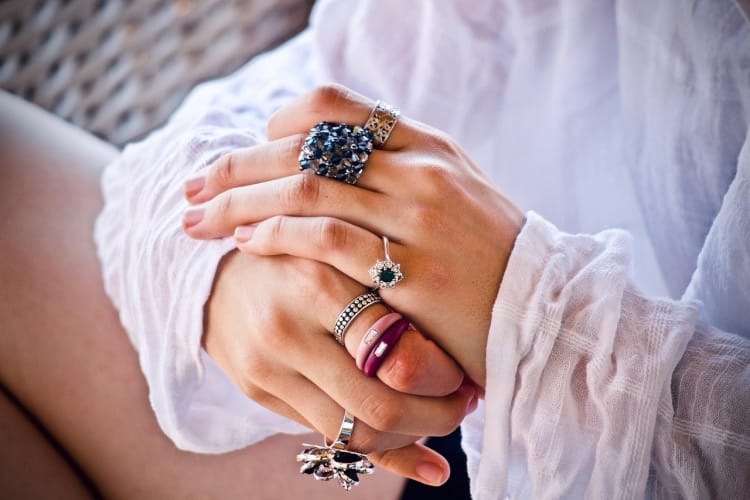
Numerous art movements have shaped the world of jewelry design with their creative energy . Image source: Luisella Planeta LOVE PEACE 💛💙 on Pixabay
In contrast to the rigid industrial designs of the preceding era, Art Nouveau jewelry emphasized natural elements and was characterized by organic forms with flowing lines. René Lalique and Georges Fouquet were two renowned jewelers who revolutionized the jewelry industry with their groundbreaking use of enamel, glass, and semiprecious stones. Their creations were not only functional but also considered true works of art.
Flowers, leaves, insects, and fantastical creatures were common motifs in Art Nouveau jewelry, which emphasized movement and fluidity. The opals, moonstones, and pearls used in the jewelry gave it a surreal character that appealed to people seeking something artistic and unique.
Anyone who is enthusiastic about special, extraordinary jewelry should definitely familiarize themselves with the characteristics of Art Nouveau.
Art Deco: Geometry meets glamour
Unlike the flowing Art Nouveau style, the Art Deco movement of the 1920s and 1930s was characterized by geometric shapes and symmetrical patterns.
Platinum and white gold formed the basis, embellished with diamonds, emeralds, and sapphires. These pieces of jewelry embodied the spirit of a dynamic era: precision met luxury, progress met elegance.
The Art Deco style, popular during the Roaring Twenties and the Great Depression, emphasized splendor, glamour, and modernism. Art and architecture from ancient Egypt and the Far East, as well as industrial growth, had an enormous influence on the movement.
The symmetry and order of Art Deco jewelry designs were typically embellished with diamonds, emeralds, rubies, sapphires, and platinum or white gold. Easily accessible, mass-produced jewelry was also made possible by the widespread introduction of new materials such as Bakelite and lacquer.
Bauhaus: Functionality with a clear form
The Bauhaus movement shaped jewelry design with its radically minimalist approach, thus representing, in a certain sense, the antithesis of abstract art . Functionality was paramount, with materials such as steel and Bakelite challenging traditional notions of jewelry.
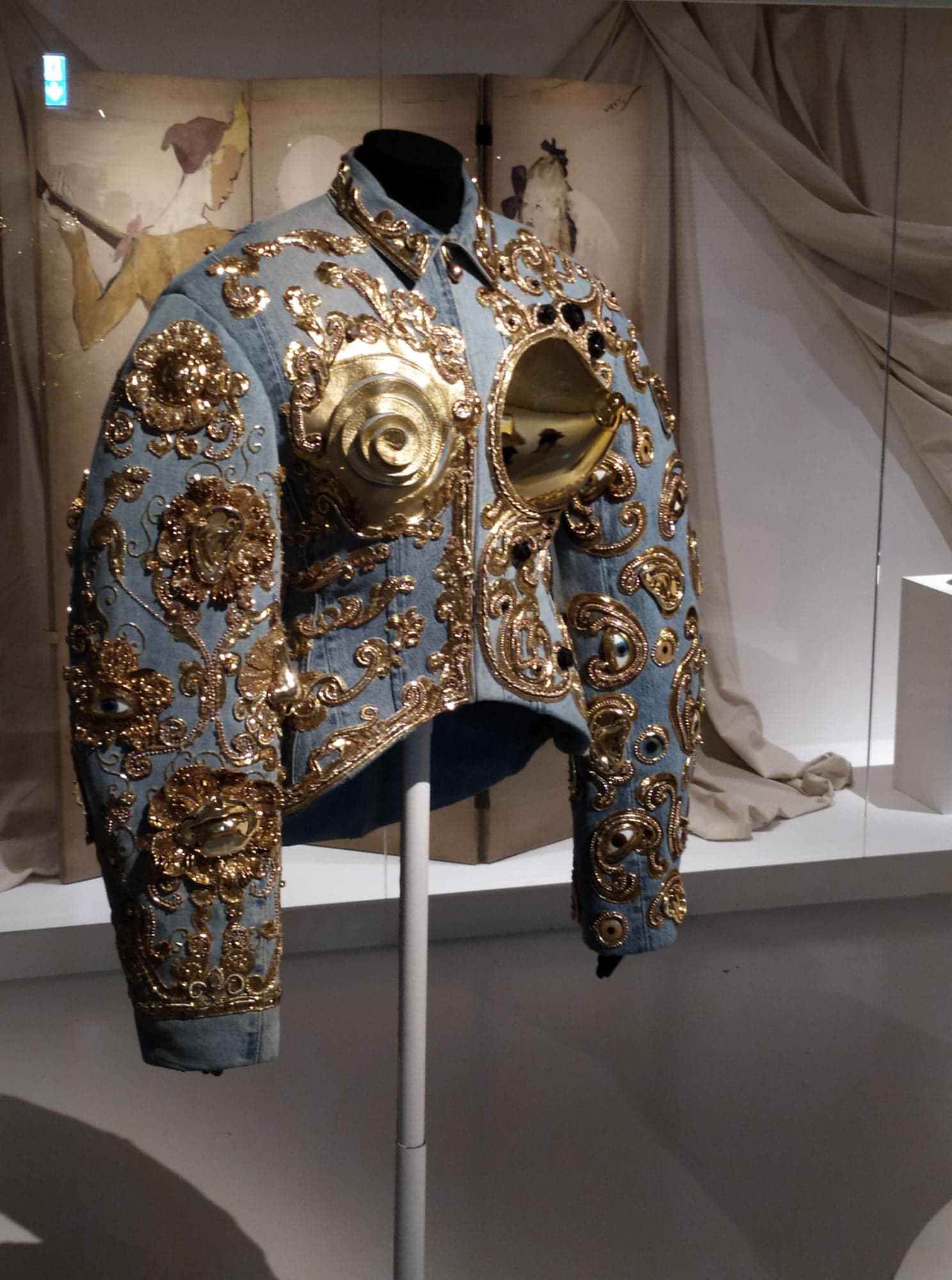
The influence of Surrealism on jewelry strongly motivated designers and artisans to create works that challenged conventional notions of design and technique. Jewelry evolved into a means of expressing the subconscious and exploring creative boundaries. Dreamlike themes such as eyes, lips, and fantastical creatures—depicted in unusual forms, materials, and techniques—are frequently seen in Surrealist jewelry.
Surrealist jewelry still inspires modern designers to create not only exquisite, but also provocative and deeply meaningful works.
Two powerful figures in art and fashion, Salvador Dalí and Elsa Schiaparelli , significantly influenced jewelry design. Dalí, known for his surrealist paintings, transferred his innovative and often unconventional vision to jewelry, creating colorful, provocative, and occasionally surreal pieces. His partnerships with jewelry designers, such as the famous "Lobster Dress" he created with Edward James , pushed the boundaries of conventional jewelry design and challenged its limitations Terms & Conditions
Elsa Schiaparelli exhibition 2022-2023, Museum of Decorative Arts, Paris Arroser, CC0, via Wikimedia Commons
The groundbreaking fashion designer Elsa Schiaparelli collaborated with artists like Dalí to create striking, imaginative jewelry that complemented her avant-garde clothing designs. The bold use of color, unexpected materials, and playful motifs—such as her famous "shoe hat ," created with Dalí—characterized Schiaparelli's jewelry. Together, Dalí and Schiaparelli brought artistic expression, inventiveness, and ingenuity to jewelry design.
Pop art: colorful expression
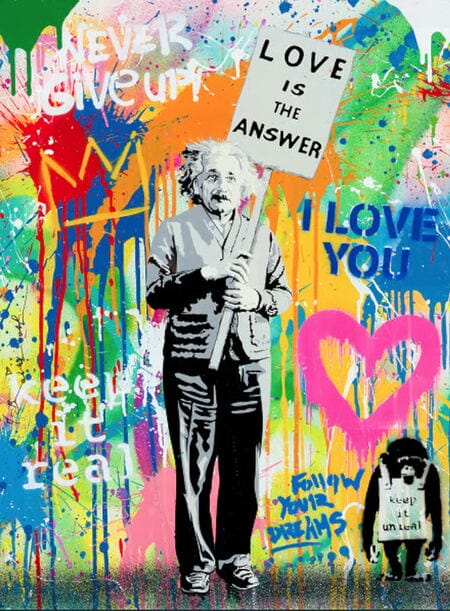
Those who have managed to find themselves and develop their own style often rely on vibrant colors. And this is precisely where Pop Art comes in. This art form revolutionized jewelry design with its colorful and playful approach.
Everyday objects and consumer culture inspired designers to create pieces that blurred the lines between high and popular culture. Plastics and innovative materials enabled novel designs with vibrant colors and comic-book motifs. Furthermore, Pop Art jewelry transformed from a mere accessory into a statement piece that reflected the zeitgeist of the 1950s and 1960s. The movement enriched the world of jewelry with a lively, unconventional aesthetic.
Minimalism: Clear shapes and stylish elements
Minimalism,and understated elegance, and continues to have a significant influence on jewelry design. This aesthetic shift away from the extravagant and intricate styles of previous years has given jewelry a modern and refined character. Geometric shapes, smooth surfaces, and the use of high-quality materials such as gold, silver, and diamonds are abundant in minimalist jewelry.
Minimalism was embraced by designers and artists likeElsa PerettiandSarah Graham, who created classic, elegant, and adaptable pieces. For those who appreciate a sophisticated look and classic charm, minimalist jewelry remains a popular trend.
Through his "less, but better" concept, DieterRams had a significant influence on jewelry design. His focus on elegance, simplicity, and utility inspired jewelry designers to create timeless, functionally sound pieces, rather than merely producing aesthetically pleasing items.
Ted Muehling, on the other hand, is a jewelry designer best known for his simple, nature-inspired organic creations. His pieces, crafted from precious metals like gold and silver, often feature delicate and intricate structures such as twigs, leaves, and insects. Muehling's influence on jewelry design lies in his ability to faithfully represent the beauty and essence of the natural world in his work. In this way, he can motivate other designers to explore organic forms and textures in their own creations.
His meticulous attention to detail and craftsmanship places great emphasis on quality and artistry in every piece and has set a benchmark for excellence in modern jewelry design.
Postmodernism: cultural diversity
Postmodernism brought a new diversity to jewelry design starting in the 1970s. It blends cultural influences, styles, and materials in unconventional ways. Designers draw inspiration from historical periods, ethnic traditions, and pop culture.
Jewelry pieces combine elements from different eras and cultures. Unusual materials such as plastic or found objects expand the design possibilities. The movement celebrates individual expression and creates unique pieces that reflect the complexity of global cultural influences.
Owner and Managing Director of Kunstplaza . Publicist, editor, and passionate blogger in the fields of art, design, and creativity since 2011. Graduated with a degree in web design from university (2008). Further developed creative techniques through courses in freehand drawing, expressive painting, and theatre/acting. Profound knowledge of the art market gained through years of journalistic research and numerous collaborations with key players and institutions in the arts and culture sector.
In art, the classification of artists and artworks into stylistic periods occurs. These are based on common characteristic features of the artworks and cultural products of an era.
The division into eras serves as a tool for structuring and classifying works and artists within a temporal framework and a cultural-historical event.
Knowledge of Art Periods And Movements plays a major role, especially in the art trade , as well as in art theory and classical image analysis.
In this section of the art magazine, we would like to help you gain a better understanding of these epochs, styles and movements.
Art styles and movements
The art style or also the direction in artworks refers to the uniform expression of the artworks and cultural products of an era, an artist or an artist group, an art movement, or an art school.
This is a tool for categorising and systematising the diversity of art. It denotes similarities that distinguish it from others.
The term is thematically related to the Art Movement, but it should not be viewed solely within a temporal framework and is therefore much broader.
In this section, we would like to help you gain a better understanding of styles and movements in art.
We use technologies such as cookies to store and/or access device information. We do this to improve your browsing experience and to display (non-)personalized advertising. If you consent to these technologies, we can process data such as browsing behavior or unique IDs on this website. Refusal or withdrawal of consent may adversely affect certain features and functions.
Functional
Always Active
Technical storage or access is strictly necessary for the legitimate purpose of enabling the use of a specific service expressly requested by the subscriber or user, or for the sole purpose of carrying out the transmission of a message over an electronic communications network.
Preferences
The technical storage or access is necessary for the legitimate purpose of storing preferences that were not requested by the subscriber or user.
statistics
Technical storage or access that is solely for statistical purposes.Technical storage or access that is used solely for anonymous statistical purposes. Without a subpoena, the voluntary consent of your internet service provider, or additional recording by third parties, the information stored or retrieved for this purpose cannot generally be used to identify you.
marketing
Technical storage or access is required to create user profiles, to send advertising, or to track the user on one or more websites for similar marketing purposes.







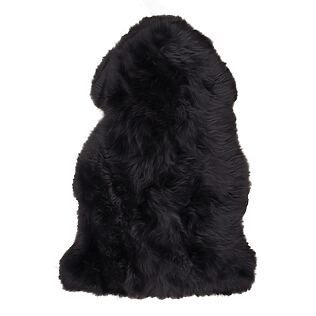
 Hypoallergenic lambskin rug in classic black (50 x 85 cm)
67,00 €
Hypoallergenic lambskin rug in classic black (50 x 85 cm)
67,00 €